Apartment Patio Vegetable Garden Ideas
Turn your small balcony into a productive oasis! Discover essential apartment patio vegetable garden ideas, including vertical gardening, container tips, and high-yield crops.
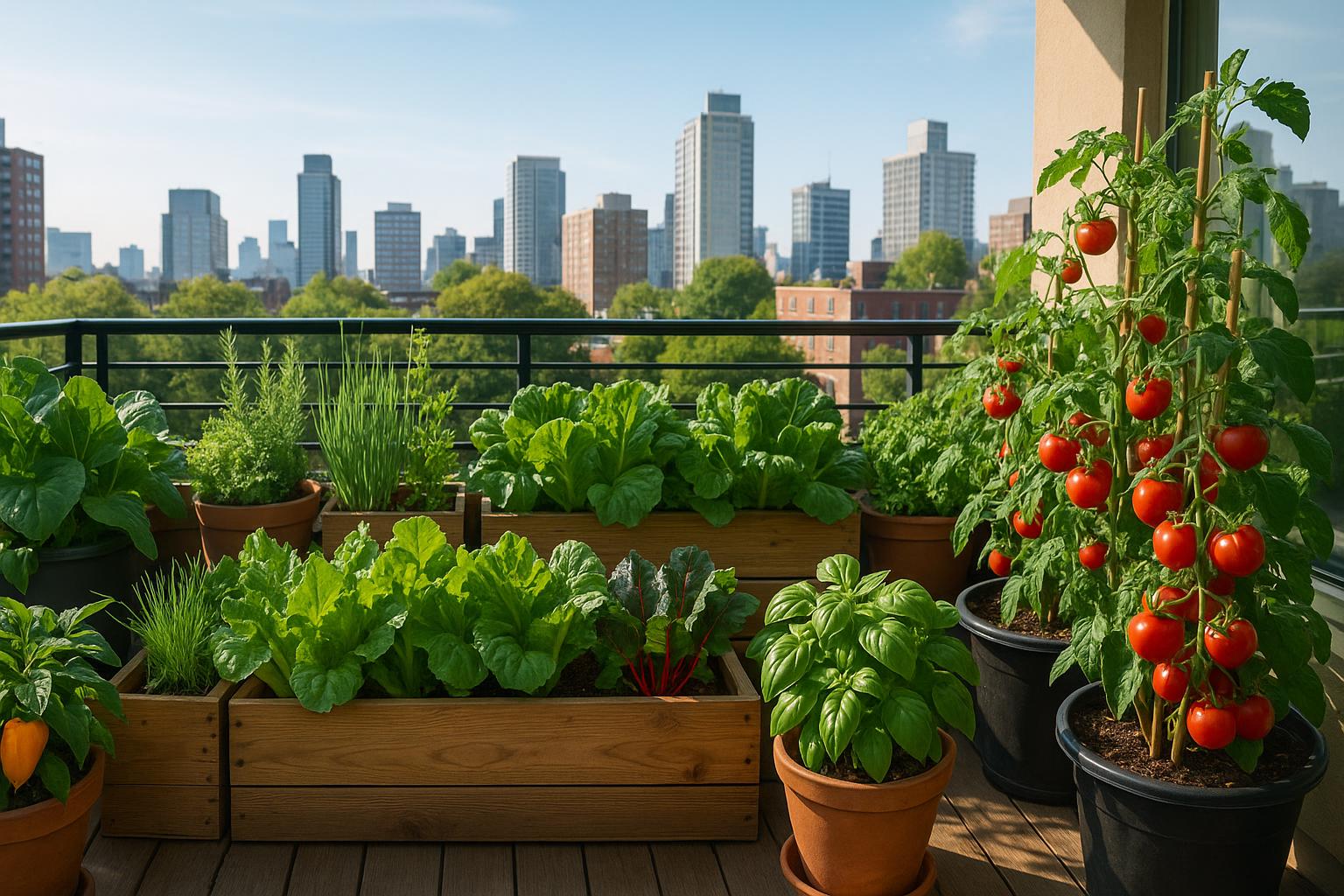
Transform Your Space: Essential Apartment Patio Vegetable Garden Ideas for Urban Growers
Quick Summary: Dreaming of fresh, homegrown vegetables but only have a small patio? You can make it happen! This comprehensive guide will walk you through everything you need to know to create a thriving apartment patio vegetable garden. We'll cover smart space-saving techniques like vertical gardening, choosing the right containers and soil, selecting the best high-yield crops for small spaces, and avoiding common beginner mistakes. Get ready to turn your concrete slab into a productive, beautiful green oasis and start harvesting your own food today!
The Urban Gardener's Dream: Why Start an Apartment Patio Vegetable Garden?
Living in an apartment doesn't mean you have to give up the joy of gardening. In fact, a patio garden offers a unique opportunity to connect with nature, reduce your grocery bill, and enjoy the freshest produce imaginable, all just steps from your kitchen. The limited space forces you to be creative and efficient, leading to a highly rewarding gardening experience.
The key to success is maximizing every square inch and understanding the specific needs of container gardening. Unlike in-ground gardens, a patio setup requires careful attention to containers, soil, and watering. But don't worry—with the right plan, your small patio can become a powerhouse of production.
H2: Planning Your Productive Patio Oasis
Before you buy a single seed or bag of soil, a little planning goes a long way. Your patio's unique characteristics will dictate what you can grow and how you should set up your garden.
H3: Assessing Your Patio's Sun Exposure
Sunlight is the single most important factor for a vegetable garden. Most vegetables require at least six hours of direct sunlight per day.
- Full Sun (6+ hours): Ideal for sun-loving crops like tomatoes, peppers, cucumbers, and beans. You have the most flexibility.
- Partial Sun (4-6 hours): Great for leafy greens like lettuce, spinach, and kale, as well as root vegetables like carrots and radishes.
- Shade (Less than 4 hours): While challenging, you can still grow herbs like mint and chives, and some greens. Focus on maximizing any available indirect light.
Observe your patio throughout the day. Note where the sun hits and for how long. This will help you choose the perfect location for each plant.
H3: Understanding Weight Limits and Drainage
Your patio is a structure, and you must be mindful of its weight capacity. Soil, water, and containers can become surprisingly heavy.
- Weight Distribution: Use lightweight potting mix instead of garden soil. Distribute heavy containers (like large ceramic pots) around the perimeter or near support beams, not all clustered in the center.
- Drainage is Non-Negotiable: Every container must have drainage holes. Waterlogged soil is a death sentence for vegetable roots. Ensure that water draining from your pots doesn't annoy your downstairs neighbors. Use saucers or trays, but make sure to empty them regularly to prevent root rot and mosquito breeding.
H2: Smart Space-Saving Apartment Patio Vegetable Garden Ideas
When space is limited, you have to grow up, not out. Vertical gardening and smart container choices are the backbone of a successful patio garden.
H3: Embracing Vertical Gardening Solutions
Vertical gardening is the ultimate space-saver for any small apartment patio vegetable garden. It allows you to multiply your growing area without taking up precious floor space.
- Trellises and Cages: Use these for vining plants like cucumbers, pole beans, and small squash varieties. A simple A-frame trellis can be incredibly effective and can be folded away in the off-season.
- Stackable Planters: These tiered systems are perfect for herbs, strawberries, and leafy greens. They allow you to grow multiple plants in a small footprint.
- Wall-Mounted Pockets or Shelves: Fabric pockets or repurposed wooden pallets can be mounted on a wall or railing to grow shallow-rooted plants. Just ensure the wall is sturdy enough to support the weight of the soil and water.
H3: Choosing the Right Containers and Materials
The container is your plant's entire world, so choose wisely. The size and material matter greatly for plant health and watering frequency.
- Size Matters: The bigger the container, the better. Larger containers hold more soil, which retains moisture longer and provides a more stable environment for roots. Aim for a minimum of a 5-gallon container (or 12 inches in diameter) for most fruiting vegetables like tomatoes and peppers.
- Material Types:
- Terracotta/Clay: Attractive, but porous. They dry out very quickly, requiring more frequent watering. Best for drought-tolerant herbs.
- Plastic: Lightweight, inexpensive, and retains moisture well. Look for food-grade plastic containers.
- Fabric Grow Bags: Excellent for aeration and preventing root circling. They are lightweight and easy to move, making them a top choice for a flexible apartment patio vegetable garden.
- Self-Watering Planters: These have a built-in reservoir, which is a game-changer for busy gardeners or those in hot climates.
H2: High-Yield Crops for Small Spaces
Not all vegetables are created equal when it comes to container gardening. Focus on varieties that are compact, produce continuously, and don't require deep root systems.
H3: Top 5 Compact Vegetables for Your Patio
- Bush Beans: Unlike pole beans, bush varieties don't need a tall trellis and produce a quick, heavy harvest.
- Cherry Tomatoes (Dwarf Varieties): Look for "patio," "micro-dwarf," or "tumbling" varieties. They are bred to stay small and thrive in containers.
- Leafy Greens (Lettuce, Spinach, Kale): These are perfect for "cut-and-come-again" harvesting, meaning you can pick the outer leaves and the plant will keep producing.
- Radishes and Carrots (Short Varieties): Choose round radishes or short, blunt-tipped carrot varieties like 'Danvers Half Long' or 'Paris Market' that don't need a deep pot.
- Peppers (Bell and Chili): Peppers are naturally compact and love the heat that a sunny patio provides. They are highly productive in 3-5 gallon containers.
H3: Essential Herbs and Companion Planting
Herbs are a must-have for any patio garden. They are generally low-maintenance and can be tucked into small spaces.
- Herbs: Basil, mint (in its own pot, as it spreads aggressively), chives, oregano, and thyme all thrive in containers.
- Companion Planting: Use your herbs to help your vegetables. For example, basil planted near tomatoes is said to improve their flavor and repel pests. Marigolds are excellent for deterring nematodes and other harmful insects.
H2: The Foundation: Soil, Water, and Feeding
Your plants are entirely dependent on you for their sustenance. Getting the soil, watering, and feeding regimen right is crucial for a successful harvest.
H3: Choosing the Right Potting Mix
NEVER use soil from your yard or garden soil in containers. It compacts easily, prevents drainage, and can introduce pests and diseases.
- Use a High-Quality Potting Mix: Look for a mix specifically labeled for containers. These mixes are light, airy, and designed to retain moisture while still draining well.
- Consider Amendments: You can improve your potting mix by adding perlite or vermiculite for better aeration, and a slow-release granular fertilizer to provide initial nutrients.
H3: Mastering the Art of Watering
Container gardens dry out much faster than in-ground gardens, especially on hot, windy patios.
- Check Daily: In the summer, you may need to water once or even twice a day. Stick your finger about an inch or two into the soil. If it feels dry, it's time to water.
- Water Deeply: Water until you see it running out of the drainage holes. This ensures the entire root ball is saturated. Shallow watering encourages shallow roots, making the plant more susceptible to drying out.
- Automated Systems: For convenience, consider a simple drip irrigation system connected to a timer. This is one of the best apartment patio vegetable garden ideas for consistent watering and busy schedules.
H3: Fertilizing for Maximum Yield
Since you water frequently, nutrients leach out of the soil quickly. Regular feeding is essential.
- Start with Slow-Release: Mix a slow-release granular fertilizer into the soil at planting time.
- Follow Up with Liquid Feed: Once your plants start flowering and fruiting, switch to a liquid fertilizer (like a balanced 5-10-10 or a fish emulsion) every 1-2 weeks. Follow the product's instructions carefully to avoid burning your plants.
H2: Common Mistakes to Avoid in Your Patio Garden
Even experienced gardeners make mistakes. Being aware of the most common pitfalls will help you keep your apartment patio vegetable garden thriving.
H3: Overlooking These Beginner Traps
- Planting Too Early or Too Late: Know your local frost dates. Starting too early can lead to a sudden freeze killing your seedlings. Planting too late means your plants won't have enough time to mature before the heat or cold sets in.
- Planting Too Many Seeds in One Pot: Overcrowding leads to competition for light, water, and nutrients, resulting in weak, unproductive plants. Thin your seedlings ruthlessly! Only keep the strongest one or two per container.
- Ignoring Pests and Diseases: Small spaces can be a breeding ground for pests. Inspect your plants daily. Look for tiny holes, sticky residue, or curled leaves. Treat problems early with organic solutions like insecticidal soap or neem oil.
- Using Dark-Colored Containers in Full Sun: Dark containers absorb more heat, which can cook the roots of your plants. If you must use dark containers, try to shade the sides or wrap them in a lighter material.
- Neglecting Pruning and Support: Tomatoes and other vining plants need regular pruning to direct the plant's energy into fruit production instead of excessive foliage. Always provide a stake or cage for support before the plant gets too large.
H2: Making Your Patio Garden Beautiful and Functional
Your garden should be a place you enjoy spending time. Incorporate design elements that make it both productive and aesthetically pleasing.
H3: Design and Aesthetics
- Color and Texture: Use colorful containers and mix in some flowering annuals (like petunias or nasturtiums) to attract pollinators and add visual appeal.
- Lighting: Add some solar-powered string lights or lanterns to make your patio a magical place to relax in the evening.
- Organization: Group plants with similar needs together. Use a small, attractive shelf or cart to store your tools, gloves, and watering can.
H2: Ready to Grow?
Starting an apartment patio vegetable garden is an exciting and rewarding journey. It requires a little planning, a lot of observation, and consistent care, but the taste of that first homegrown tomato or the crunch of fresh lettuce will be worth every effort.
Don't let the size of your space limit the size of your dreams. With these practical apartment patio vegetable garden ideas, you have everything you need to start growing a bounty of fresh produce right outside your door.
Your Next Step: To help you plan your perfect small-space garden, we encourage you to use the Urban Grow Planner tool. It's designed specifically for container and patio gardening, helping you calculate sunlight, watering needs, and optimal planting times for your unique urban environment. Happy growing!
Related Articles
How To Start Urban Farming For Beginners
Ready to grow your own food? Learn how to start urban farming for beginners with this comprehensive guide on planning, small-space techniques, essential equipment, and common mistakes to avoid.
Balcony Garden Ideas For Beginners
Discover the ultimate balcony garden ideas for beginners! Learn how to maximize small spaces with vertical gardening, choose the best easy-to-grow plants, and avoid common mistakes. Start your urban oasis today!
Container Gardening For Beginners Step By Step
Start your urban garden with this step-by-step guide to container gardening for beginners. Learn about choosing pots, soil, plants, watering, and avoiding common mistakes.
How To Grow Vegetables On Apartment Balcony
Learn how to grow vegetables on apartment balcony with this ultimate guide. Get tips on sun, containers, soil, and the best compact crops for a successful urban garden.