Balcony Garden Ideas For Beginners
Discover the ultimate balcony garden ideas for beginners! Learn how to maximize small spaces with vertical gardening, choose the best easy-to-grow plants, and avoid common mistakes. Start your urban oasis today!
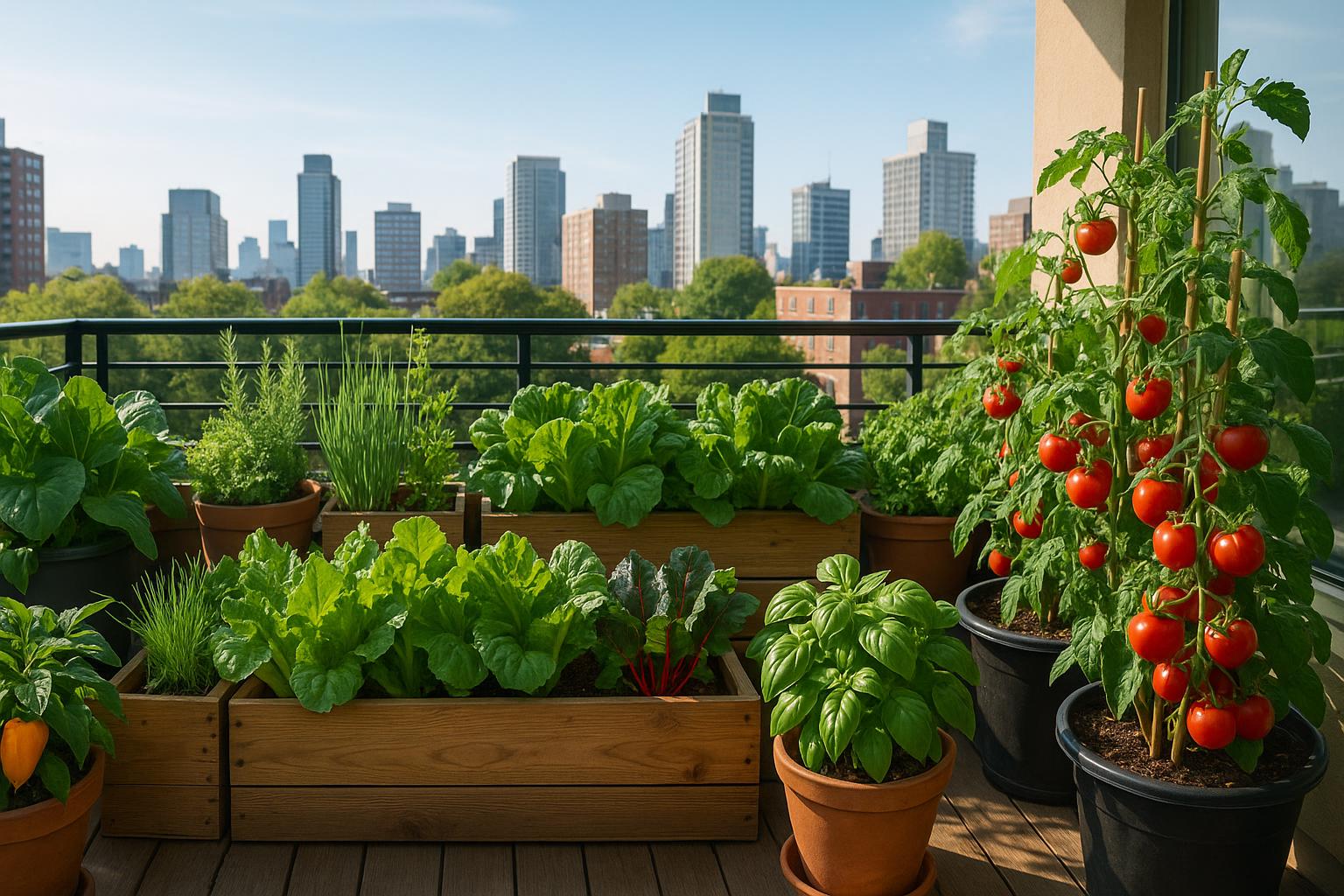
Transform Your Small Space: The Ultimate Balcony Garden Ideas for Beginners
Quick Summary: Your Balcony Garden Starter Kit
Starting a balcony garden is an exciting and rewarding journey, even if you're a complete beginner with limited space. The key to success lies in smart planning, choosing the right containers, and selecting plants that thrive in your specific light conditions. Focus on vertical gardening with shelves and hanging planters to maximize your footprint. Begin with easy-to-grow herbs like basil and mint, or resilient vegetables like cherry tomatoes and lettuce. Always check your balcony's sun exposure before buying plants. With a little effort and the right tools—like lightweight potting mix and a small watering can—you can turn your balcony into a lush, productive urban oasis. This guide will walk you through everything you need to know to start your thriving balcony garden today.
The Beginner's Mindset: Why Balcony Gardening is Perfect for You
The dream of gardening doesn't have to be limited to those with sprawling backyards. Urban living often means making the most of small spaces, and a balcony is a perfect canvas for your green ambitions. Balcony gardening is not just a hobby; it's a way to connect with nature, reduce your carbon footprint, and enjoy the freshest produce right outside your door. It’s also incredibly forgiving, making it one of the best balcony garden ideas for beginners.
This guide is designed to be your friendly, encouraging, and practical roadmap. We'll break down the process into simple, manageable steps, ensuring you avoid the common pitfalls that can discourage new gardeners. Remember, every gardening expert started somewhere, and your small balcony is the ideal place to begin your journey.
Step 1: Assessing Your Space and Light Conditions
Before you buy a single seed or bag of soil, you must understand the environment you're working with. Your balcony's orientation and size are the two most critical factors that will determine your success.
The Sun Check: Full Sun, Partial Shade, or Full Shade?
The amount of sunlight your balcony receives is the single most important factor in plant selection.
- Full Sun (6+ hours of direct sun): Ideal for most vegetables and flowering plants. Think tomatoes, peppers, basil, and geraniums. A south-facing balcony often falls into this category.
- Partial Sun/Shade (3-6 hours of sun, often morning or late afternoon): Great for leafy greens, root vegetables, and many herbs. Lettuce, spinach, mint, and petunias do well here. East or west-facing balconies are common examples.
- Full Shade (Less than 3 hours of direct sun): Don't despair! You can still grow shade-tolerant plants. Focus on leafy greens like kale and Swiss chard, and ornamental plants like ferns and impatiens. North-facing balconies usually have the least sun.
Practical Tip: Spend a day observing your balcony. Note down the exact times the sun hits the space and for how long. This simple step will save you from buying plants that are doomed to fail.
Maximizing Your Small Footprint with Vertical Gardening
When floor space is limited, the only way to go is up. Vertical gardening is one of the most effective balcony garden ideas for beginners to maximize growing potential.
- Tiered Shelving Units: Look for lightweight, rust-resistant shelving. These allow you to stack multiple pots in a small area, creating different light zones for various plants.
- Wall-Mounted Planters and Pockets: Use the railing or the wall behind your garden. Fabric planting pockets or small, wall-mounted pots are excellent for herbs and strawberries.
- Hanging Baskets: If your balcony has an overhead structure, hanging baskets are perfect for trailing plants like petunias, sweet potato vine, or even small cherry tomato varieties. They also help break up the visual space and add dimension.
- Trellises and Cages: For climbing plants like peas, beans, or cucumbers, a simple trellis attached to the wall or inside a large container will provide the necessary support and use vertical space efficiently.
Step 2: Essential Supplies and Smart Container Choices
You don't need a lot of fancy equipment to start, but the right foundation is crucial. Focus on quality soil and containers that suit your space.
Choosing the Right Containers
The size and material of your containers matter more than you might think.
- Size: The bigger the plant, the bigger the pot it needs. A small herb like basil can live happily in a 6-inch pot, but a tomato plant needs a container that is at least 5 gallons (about 12 inches in diameter) to thrive. Using containers that are too small is a common beginner mistake.
- Material:
- Plastic: Lightweight, retains moisture well, and is often the most affordable. Great for beginners.
- Terracotta/Clay: Attractive, but porous, meaning they dry out very quickly, especially in full sun. They require more frequent watering.
- Fabric Grow Bags: Excellent for vegetables. They promote air pruning of roots, leading to healthier plants, and are easy to store when not in use. They also provide excellent drainage.
Crucial Feature: Every container must have drainage holes. Without them, water will pool, and your plant roots will rot. If a decorative pot lacks holes, use it as a cachepot (a decorative cover) and keep your plant in a separate, well-draining inner pot.
The Importance of High-Quality Potting Mix
Do not use garden soil from the ground! It compacts easily in containers, doesn't drain well, and can introduce pests and diseases.
- Lightweight Potting Mix: This is the foundation of your balcony garden. Look for a mix specifically labeled for containers. It typically contains a blend of peat moss or coco coir, perlite or vermiculite, and compost. This combination ensures good aeration and drainage.
- Slow-Release Fertilizer: Many potting mixes come pre-fertilized for the first few weeks. After that, you'll need to feed your plants. A simple, slow-release granular fertilizer mixed into the topsoil every 6-8 weeks is an easy way for beginners to ensure their plants get the nutrients they need.
Watering Tools and Techniques
Watering is the most frequent task in balcony gardening, and getting it right is essential.
- Small Watering Can: For a small balcony, a 1-2 gallon watering can is perfect. It gives you control and prevents you from over-saturating the soil.
- Moisture Meter or Finger Test: Don't water on a schedule; water when the plant needs it. The best way to check is to stick your finger about an inch or two into the soil. If it feels dry, it's time to water. If it's damp, wait another day. A simple moisture meter is a great tool for beginners.
- Watering Technique: Water slowly and deeply until you see water running out of the drainage holes. This ensures the entire root ball is saturated.
Step 3: Choosing the Best Plants for Your Balcony
Now for the fun part! Selecting the right plants is key to a successful balcony garden. For beginners, it's best to start with resilient, high-yield varieties.
Top 5 Easy-to-Grow Herbs and Vegetables
These plants are incredibly forgiving and offer a quick return on your effort, making them ideal balcony garden ideas for beginners.
| Plant | Sun Requirement | Container Size (Minimum) | Beginner Tip |
|---|---|---|---|
| Cherry Tomatoes | Full Sun (6+ hours) | 5 Gallons (12" diameter) | Choose "determinate" or "dwarf" varieties, which stay smaller and don't require as much pruning. |
| Lettuce & Spinach | Partial Sun/Shade | Shallow, wide containers (6" deep) | Plant in succession (a few seeds every two weeks) for a continuous harvest. |
| Basil | Full Sun | 6-8 inch pot | Pinch off the top center leaves when the plant is young to encourage a bushier, more productive plant. |
| Mint | Partial Sun/Shade | Any size, but MUST be in its own pot | Mint is invasive! Never plant it with other herbs; keep it isolated to prevent it from taking over. |
| Bush Beans | Full Sun | 3 Gallons (10" diameter) | Choose "bush" varieties over "pole" varieties, as they don't require a tall trellis. |
Flowering Plants for Color and Pollinators
Adding flowers not only makes your balcony beautiful but also attracts beneficial pollinators like bees, which can help your vegetables produce more fruit.
- Geraniums: Extremely hardy, tolerant of heat and dry conditions, and come in vibrant colors. They thrive in full sun.
- Petunias: Excellent for hanging baskets, offering a cascade of color. They prefer full sun but can tolerate partial shade.
- Marigolds: A great companion plant. They add a pop of orange or yellow and are believed to help deter common garden pests.
Step 4: Common Mistakes to Avoid in Your First Balcony Garden
Even with the best intentions, beginners often make a few common errors. Knowing these in advance will help you sidestep them and ensure a thriving garden.
The Overwatering Trap
This is, by far, the number one killer of container plants. Because a balcony garden is often close to your living space, it's easy to want to "care" for your plants by watering them every day.
- The Fix: Always check the soil moisture before watering. Overwatering suffocates the roots, leading to root rot, which is often mistaken for a plant that needs more water. If the leaves are yellow and droopy, it's usually a sign of too much water, not too little.
Ignoring the Wind and Weight Limits
Balconies are exposed to more wind than ground gardens, which can quickly dry out soil and damage delicate plants. Furthermore, a fully watered garden can be surprisingly heavy.
- The Fix:
- Wind: Group pots together to create a microclimate that shields inner plants. Consider a small, temporary windbreak screen.
- Weight: Be mindful of your balcony's weight capacity. Use lightweight potting mix instead of soil, and opt for plastic or fabric containers over heavy ceramic or stone. If you have any concerns, consult your building management.
Neglecting to Feed Your Plants
Plants in containers rely entirely on you for nutrients. Unlike in-ground gardens, the nutrients in potting mix are quickly depleted after a few weeks of watering.
- The Fix: Implement a simple feeding schedule. Use a balanced liquid fertilizer every two weeks, or a slow-release granular fertilizer every two months. Healthy, well-fed plants are much more resistant to pests and diseases.
Balcony Garden Ideas for Beginners: A Simple 3-Step Action Plan
To make your start as easy as possible, here is a simple plan to follow:
- Assess and Plan: Determine your sun exposure (Full Sun, Partial Shade, Full Shade) and measure your vertical space. Sketch out where your shelves, hanging baskets, and largest containers will go.
- Gather Supplies: Purchase lightweight potting mix, containers with drainage holes, a small watering can, and a bag of slow-release fertilizer.
- Plant and Water: Choose 3-4 easy-to-grow plants (like basil, lettuce, and cherry tomatoes). Plant them, water them deeply, and commit to checking the soil moisture every day.
Conclusion: Your Urban Oasis Awaits
Starting a balcony garden is a journey of discovery, and every small success—a fresh basil leaf, a ripe cherry tomato, a vibrant bloom—will bring immense satisfaction. The best balcony garden ideas for beginners are the ones that are simple, practical, and tailored to your unique space. Don't be afraid to experiment, and remember that every gardener has lost a plant or two; it's all part of the learning process.
To help you on your journey from beginner to urban gardening pro, we encourage you to use the Urban Grow Planner tool. This free resource helps you track your planting dates, monitor your watering schedule, and plan your harvests, ensuring your small space yields the maximum possible bounty.
Happy gardening! We can't wait to see what you grow.
Related Articles
How To Start Urban Farming For Beginners
Ready to grow your own food? Learn how to start urban farming for beginners with this comprehensive guide on planning, small-space techniques, essential equipment, and common mistakes to avoid.
Container Gardening For Beginners Step By Step
Start your urban garden with this step-by-step guide to container gardening for beginners. Learn about choosing pots, soil, plants, watering, and avoiding common mistakes.
How To Grow Vegetables On Apartment Balcony
Learn how to grow vegetables on apartment balcony with this ultimate guide. Get tips on sun, containers, soil, and the best compact crops for a successful urban garden.
Indoor Herb Garden For Beginners
Start your indoor herb garden with this beginner's guide! Learn essential tips on light, watering, soil, and care for popular herbs like basil and mint. Transform your kitchen!