How To Grow Vegetables On Apartment Balcony
Learn how to grow vegetables on apartment balcony with this ultimate guide. Get tips on sun, containers, soil, and the best compact crops for a successful urban garden.
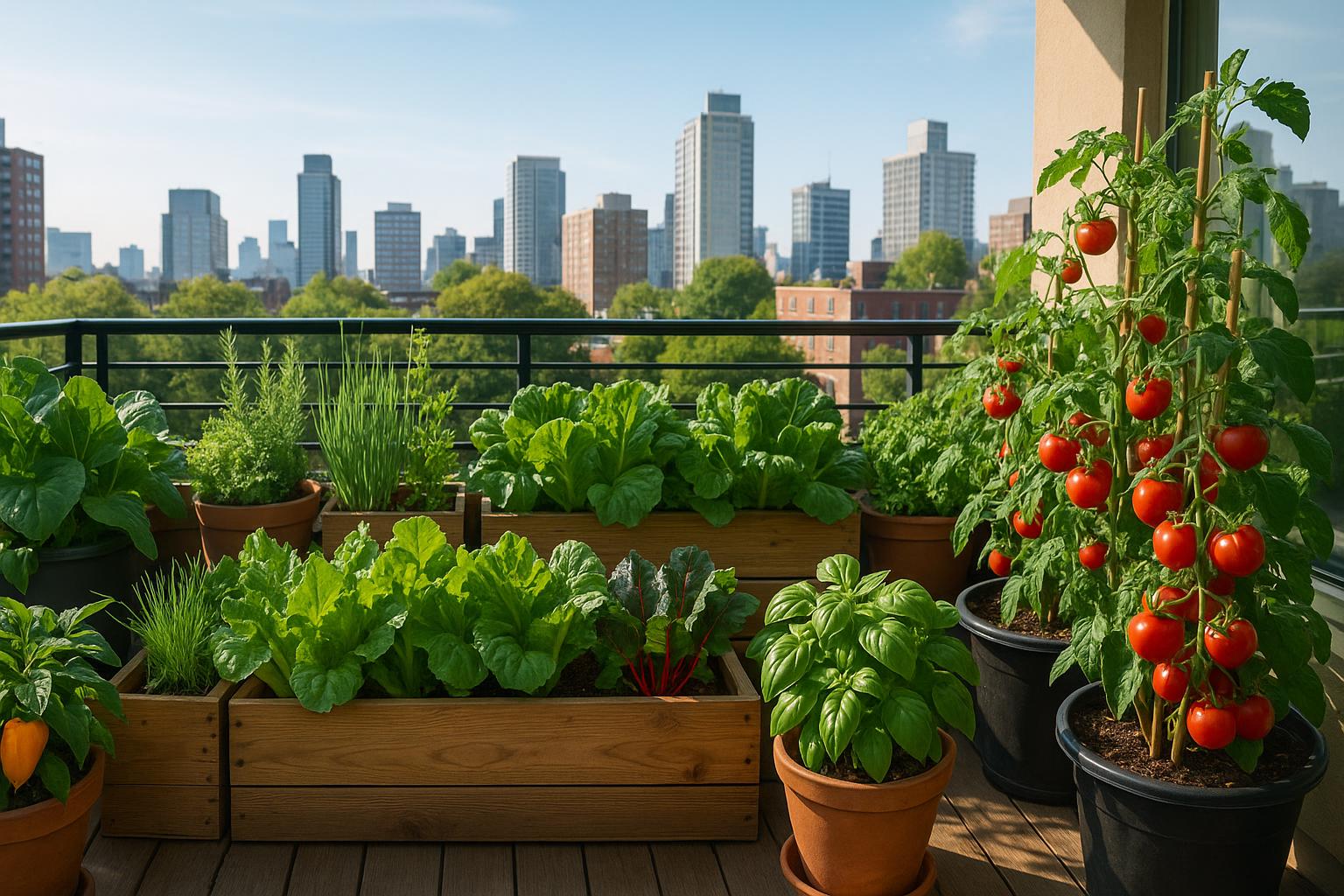
The Ultimate Guide on How to Grow Vegetables on Apartment Balcony
Quick Summary
Dreaming of fresh, homegrown tomatoes and crisp lettuce, even without a backyard? Your apartment balcony is a powerful, untapped resource for urban gardening, and transforming it into a productive vegetable patch is easier than you think. This comprehensive guide will walk you through every step, from assessing your space's potential to selecting the perfect compact crops and avoiding common beginner mistakes. The secret to success lies in three key areas: understanding your balcony's unique microclimate, choosing the right containers and soil, and focusing on vegetables that thrive in small spaces. With a little planning and the practical tips inside, you can start harvesting your own delicious produce right outside your door. Get ready to turn that concrete slab into a thriving, green oasis!
Assessing Your Balcony's Potential: Sun, Space, and Safety
Before you buy a single seed or bag of soil, the most critical step is to get to know your balcony. Every balcony is a unique microclimate, and understanding its specific conditions is the foundation of a successful urban garden. This initial assessment will save you time, money, and the frustration of plants that simply refuse to grow.
The Crucial Sunlight Check
Sunlight is the fuel for almost all vegetable growth, and most fruiting vegetables, like tomatoes and peppers, demand a minimum of six to eight hours of direct sun per day. To accurately assess your space, spend a day tracking the sun's path. Note where the sun hits in the morning, at midday, and in the afternoon. A south-facing balcony typically receives the most sun, while a north-facing one may be better suited for shade-tolerant crops.
If your balcony receives less than six hours of direct sun, don't despair! Leafy greens such as lettuce, spinach, and kale, along with many herbs, are much more forgiving. They will do just fine in part sun or dappled sunlight, making them excellent choices for shadier spots. Knowing your sun exposure dictates which vegetables you can successfully grow.
Weight and Wind Considerations
Balconies are structural elements, and it is essential to consider the weight of your garden. Soil, especially when wet, is surprisingly heavy. A large container filled with wet soil can weigh over 100 pounds. Before setting up a large number of heavy pots, always check your building's rules and, if possible, consult with your landlord or building manager about weight limits. Distribute the weight evenly, and avoid placing all your heaviest pots in one small area.
Wind is another significant factor, especially on higher floors. Constant, strong winds can dry out soil rapidly, damage delicate leaves, and even knock over containers. You can mitigate wind damage by grouping your plants together to create a windbreak, or by installing a temporary, permeable screen or trellis along the railing.
Maximizing Your Small Space
Space is the ultimate constraint when you grow vegetables on apartment balcony, but it also forces creativity. Think vertically, not just horizontally. Vertical gardening is the key to maximizing your harvest in a limited footprint.
- Trellises and Cages: Use trellises for climbing plants like pole beans or small cucumbers. This gets the plant off the floor and into the sun.
- Hanging Planters: Utilize the overhead space by hanging pots from the ceiling or a sturdy support structure. This is perfect for strawberries, herbs, or cascading tomatoes.
- Shelving Units: Invest in tiered, sturdy shelving units to stack multiple rows of smaller pots, maximizing the number of plants you can grow in a single spot.
- Railing Planters: These clever containers hook directly over the balcony railing, utilizing otherwise wasted space. Just ensure they are securely fastened and do not pose a hazard to people below.
Choosing the Right Gear: Containers, Soil, and Water
The gear you choose for your balcony garden is fundamentally different from what you would use in a traditional in-ground garden. Because your plants are entirely dependent on you for nutrients and water, selecting the right containers and growing medium is non-negotiable.
Selecting the Perfect Containers
When it comes to containers, size truly matters. A common beginner mistake is choosing pots that are too small. Small pots restrict root growth, dry out quickly, and lead to stunted, unproductive plants. As a general rule, most fruiting vegetables require a minimum of five to seven gallons of soil per plant to thrive.
You have several material options, each with pros and cons:
| Container Type | Pros | Cons |
|---|---|---|
| Plastic Pots | Lightweight, retain moisture well, inexpensive. | Can overheat in direct sun, less aesthetic. |
| Terracotta/Clay | Porous, allows roots to breathe, attractive. | Heavy, dry out very quickly, can crack in winter. |
| Fabric Grow Bags | Excellent drainage and aeration, prevent root circling. | Dry out quickly, less durable than plastic. |
Regardless of the material, the most crucial feature is excellent drainage. Your container must have holes in the bottom to allow excess water to escape. Without proper drainage, your plants will suffer from root rot, a silent killer of container gardens.
The Right Growing Medium
This is where many new gardeners stumble. NEVER use garden soil or topsoil in your containers. Garden soil is too dense; it compacts easily in a pot, preventing water and air from reaching the roots.
Instead, you must use a high-quality, lightweight potting mix or container mix. These mixes are specifically formulated to be light, fluffy, and well-draining. They typically contain a blend of peat moss, coir, perlite, and vermiculite, which provides the perfect balance of moisture retention and aeration. To give your plants a head start, consider mixing in some organic compost or a slow-release granular fertilizer before planting.
Smart Watering Solutions
Balcony plants are entirely dependent on you for water, and they tend to dry out much faster than in-ground plants due to increased sun, wind, and the limited volume of soil. Checking the soil moisture daily is essential, especially during hot summer months.
The best way to check is the "finger test": stick your index finger about two inches deep into the soil. If it feels dry, it's time to water thoroughly until water runs out of the drainage holes.
To make watering easier and more consistent, consider using self-watering planters. These containers have a built-in reservoir that wicks water up to the roots, reducing the frequency of watering. For a larger setup, a simple drip irrigation kit connected to a small pump or a hose can automate the process, ensuring your plants get the consistent moisture they need to produce a great harvest.
Top Vegetables to Grow on Apartment Balcony (and Which to Avoid)
Success in balcony gardening is largely determined by choosing the right plants. You need compact, productive varieties that don't require vast amounts of space or soil.
Beginner-Friendly Balcony Stars
These vegetables are forgiving, productive, and perfect for your first season.
- Leafy Greens (Lettuce, Spinach, Kale): These are the easiest to grow and tolerate less sun than fruiting plants. They can be grown in shallow containers and harvested using the "cut-and-come-again" method for a continuous supply.
- Herbs (Basil, Mint, Chives, Parsley): Herbs are ideal for small pots and can be tucked into any sunny corner. Mint is particularly vigorous and should always be kept in its own container to prevent it from taking over.
- Radishes and Green Onions: These are fast-growing and require minimal space. Radishes can be ready to harvest in as little as three weeks, offering quick gratification.
This is the first step in learning how to grow vegetables on apartment balcony successfully—start with the plants that are designed to win in a container environment.
Compact Fruiting Vegetables
If you have a sunny balcony, you can absolutely grow your own tomatoes, peppers, and even cucumbers. The key is to select dwarf or bush varieties.
- Tomatoes: Look for dwarf, patio, or determinate varieties. These plants grow to a manageable height (usually 2-3 feet) and produce their fruit all at once, making them perfect for containers. Avoid indeterminate varieties, which can grow into massive vines.
- Peppers (Bell and Chili): Peppers love heat and sun. They are naturally compact and do very well in 5-gallon containers. They will need staking or a small cage to support the weight of the fruit.
- Cucumbers and Zucchini: Only choose bush varieties of these plants. Traditional vining cucumbers and zucchini require too much space. Bush varieties are more compact and can be grown in large containers, though they will still need plenty of water and sun.
Root Vegetables in Containers
Root vegetables can be grown, but they require deep containers.
- Carrots, Beets, and Turnips: Use containers that are at least 12-18 inches deep to allow the roots to fully develop. Ensure the soil is loose and free of large clumps or rocks.
- Potatoes: Can be grown in specialized potato grow bags or large, deep containers. This is a fun and rewarding crop for a balcony, but it requires a lot of soil.
Essential Care and Maintenance Tips
Once your garden is planted, the work shifts to consistent care. Container gardening requires a more hands-on approach than in-ground gardening because the plants rely entirely on you for their needs.
Feeding Your Plants
Unlike garden soil, potting mix contains very few nutrients, and the nutrients that are present are quickly washed out with every watering. This means container plants are heavy feeders and require regular fertilization.
Start feeding your plants about four to six weeks after planting. The easiest method is to use a liquid fertilizer that is diluted and applied every two to three weeks when you water. Look for a balanced fertilizer (e.g., 10-10-10) for general growth, or one higher in phosphorus (the middle number) when your fruiting plants begin to flower.
Pest and Disease Management
Pests can find your balcony garden just as easily as a backyard garden. Common culprits include aphids, whiteflies, and spider mites. The best defense is daily inspection. Catching a problem early makes it much easier to manage.
If you spot pests, you can often blast them off with a strong jet of water. For more persistent infestations, use a safe, organic treatment like insecticidal soap or neem oil. These are effective at controlling soft-bodied pests without harming beneficial insects or your harvest.
Pollination for Fruiting Plants
In a backyard, bees and other insects handle pollination. On a high-rise balcony, you may need to step in as the primary pollinator. This is especially true for tomatoes, peppers, and squash.
Hand-pollination is simple: when a flower opens, gently take a small, soft brush or a cotton swab and lightly touch the center of the flower (the stamen) to pick up pollen. Then, transfer that pollen to the center of another flower (the pistil). Doing this in the morning when the flowers are fully open will significantly increase your fruit set.
Common Mistakes to Avoid When You Grow Vegetables on Apartment Balcony
Even experienced gardeners make mistakes, but knowing the most common pitfalls can help you achieve success faster.
Mistake 1: Underestimating the Need for Water
Balconies are exposed to more sun and wind, which act like a drying oven on your containers. A plant that was perfectly fine in the morning can be wilted by the afternoon. Never let your containers dry out completely. This stresses the plant and can lead to problems like blossom end rot in tomatoes. Consistent moisture is key.
Mistake 2: Using Containers That Are Too Small
We've mentioned it before, but it bears repeating: small containers equal small, stressed plants. A tiny pot may look cute, but it will stunt the growth of a tomato or pepper plant, leading to a meager harvest. Always err on the side of a larger container.
Mistake 3: Ignoring Drainage
If your container doesn't have drainage holes, water will pool at the bottom, creating a soggy, airless environment that suffocates the roots. This is the fastest way to kill a container plant. If you use a decorative pot without holes, place your plant in a plastic nursery pot with holes and set that inside the decorative pot, lifting it slightly to ensure air circulation.
Mistake 4: Using Heavy Garden Soil
Garden soil compacts into a hard brick in a container, preventing roots from accessing the oxygen they need. Always use a purpose-made potting mix.
Mistake 5: Not Starting at All
The biggest mistake when figuring out how to grow vegetables on apartment balcony is not starting at all! Don't let the fear of failure stop you. Start small, perhaps with a few herbs and a single tomato plant. Every gardener kills a few plants; it’s part of the learning process. The joy of harvesting your first homegrown vegetable will be all the motivation you need to keep going.
With these tips, you now know exactly how to grow vegetables on apartment balcony and are ready to begin your journey.
Conclusion: Your Urban Harvest Awaits
You now have the knowledge and the practical steps needed to transform your balcony into a productive, beautiful vegetable garden. From assessing your sun exposure to selecting the right compact varieties and avoiding common mistakes, you are well-equipped to start harvesting your own fresh produce. The satisfaction of picking a sun-warmed tomato or snipping fresh basil just steps from your kitchen is unparalleled.
Don't wait for the perfect moment or the perfect backyard. The perfect time to start is now, and the perfect place is your balcony.
Ready to plan your perfect urban garden layout? Use the Urban Grow Planner tool to map out your balcony space, calculate sunlight, and determine the best container sizes for your chosen vegetables. Start planning your first harvest today!
Related Articles
How To Start Urban Farming For Beginners
Ready to grow your own food? Learn how to start urban farming for beginners with this comprehensive guide on planning, small-space techniques, essential equipment, and common mistakes to avoid.
Balcony Garden Ideas For Beginners
Discover the ultimate balcony garden ideas for beginners! Learn how to maximize small spaces with vertical gardening, choose the best easy-to-grow plants, and avoid common mistakes. Start your urban oasis today!
Container Gardening For Beginners Step By Step
Start your urban garden with this step-by-step guide to container gardening for beginners. Learn about choosing pots, soil, plants, watering, and avoiding common mistakes.
Indoor Herb Garden For Beginners
Start your indoor herb garden with this beginner's guide! Learn essential tips on light, watering, soil, and care for popular herbs like basil and mint. Transform your kitchen!