How To Start Urban Farming For Beginners
Ready to grow your own food? Learn how to start urban farming for beginners with this comprehensive guide on planning, small-space techniques, essential equipment, and common mistakes to avoid.
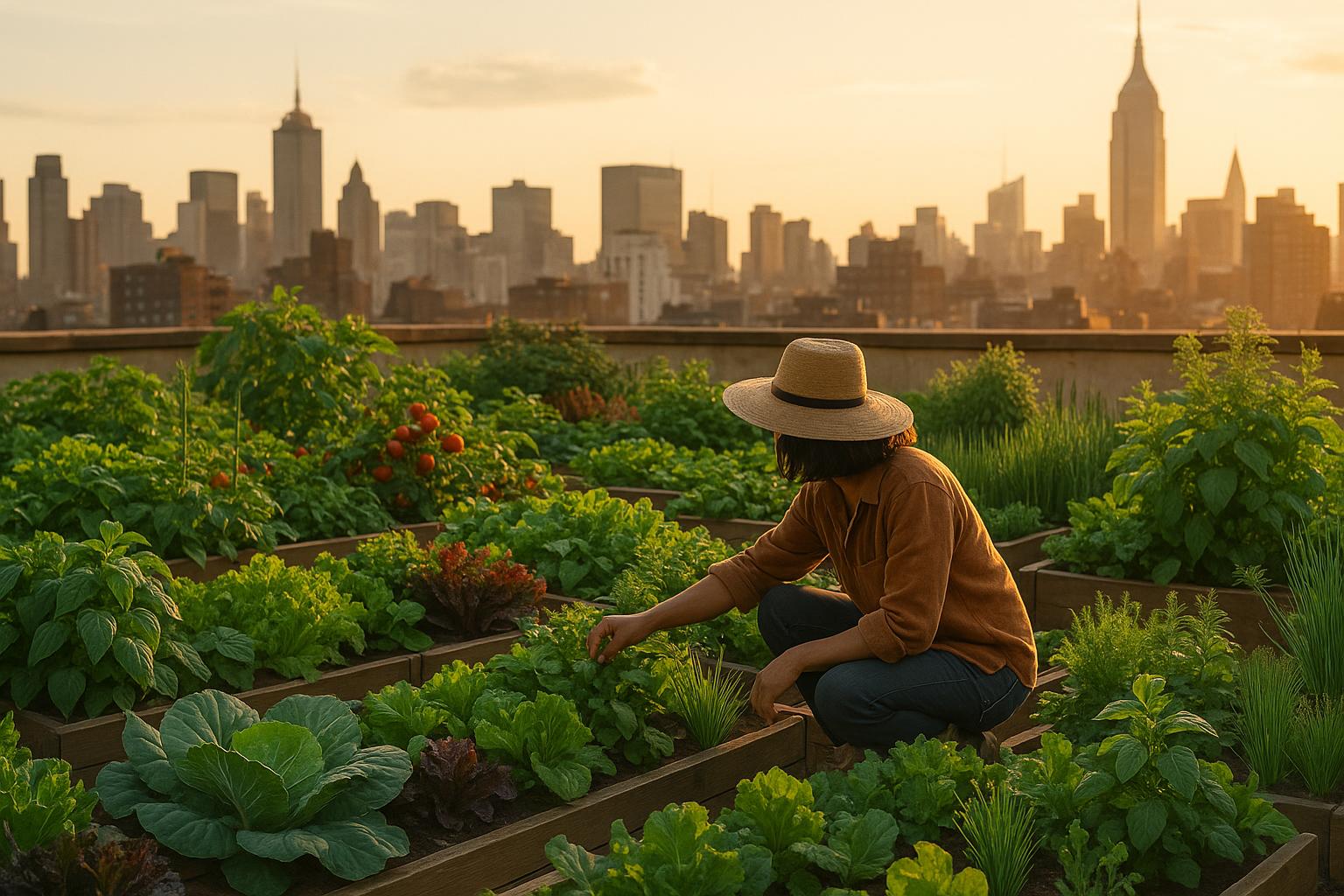
How to Start Urban Farming for Beginners: Your Comprehensive Guide to Growing Food in the City
Quick Summary: Urban farming is a rewarding way to grow your own food, even in the smallest city spaces. This comprehensive guide for beginners will walk you through the essential steps: from planning your vision and choosing the right location to selecting the best crops, mastering small-space techniques like vertical gardening, and avoiding common pitfalls. By the end, you'll have the knowledge to start your own thriving urban garden and connect with the food you eat.
I. Defining Your Urban Farming Vision
Starting an urban farm requires a clear plan. Define your goals before buying seeds, as this foundational step guides every decision, from operation size to crop choice.
H2: What is Urban Farming, and Why Start Now?
Urban farming is the practice of cultivating food in or around a city, transforming spaces like balconies and backyards into productive growing areas. Benefits include access to fresh, hyper-local produce, a reduced carbon footprint, and the satisfaction of self-sufficiency.
H3: Setting Clear Goals for Your Urban Garden
Your vision determines the scale and complexity of your farm. Ask yourself these key questions:
- Personal Use vs. Profit: Are you aiming for self-sufficiency, simply supplementing your family’s groceries, or do you plan to sell your excess produce at a local market?
- Time Commitment: How much time can you realistically dedicate each week? Start small if your time is limited, as it’s better to succeed with a small plot than to be overwhelmed by a large one.
- Crop Focus: Will you focus on high-value, quick-harvest crops like leafy greens and herbs, or are you dreaming of larger vegetables like tomatoes and squash?
A clear answer to these questions helps manage expectations and ensures a sustainable urban farming experience.
II. Finding and Preparing Your Urban Space
The city environment presents unique challenges. Success lies in maximizing space and ensuring a safe, healthy environment for your plants.
H2: Assessing Your Location and Available Space
You don’t need a sprawling backyard. Successful urban gardens thrive in unconventional locations. Consider these options:
- **BBalconies and Patios: Excellent for container gardening and vertical systems. Check weight limits for large containers..
- **RRooftops: Ideal for maximizing sun exposure, but require structural assessment, proper drainage, and local permits..
- **SmSmall Backyards: Perfect for raised beds, offering better control over soil quality and drainage.
- **CCommunity Gardens: If you lack private space, renting a plot provides land, water access, and a supportive network of fellow gardeners..
H3: The Critical Importance of Soil and Sun
Before planting, address two critical factors: soil quality and sunlight.
SSunlight Assessment: Most vegetables require six to eight hours of direct sunlight. Observe your spot. For less sun, focus on shade-tolerant crops like lettuce, spinach, and root vegetables..
SoSoil Quality: Planting directly in urban ground risks contamination. Always get your soil tested. If contamination is a concern, use raised beds or containers filled with certified organic potting mix.
III. Essential Techniques for Small-Space Success
When space is limited, employ intensive gardening techniques to maximize yield. These methods are fundamental to how to start urban farming for beginners and turn a small area into a highly productive food source.
H2: Mastering Vertical Gardening
Vertical gardening is the most effective way to increase your growing area. It involves growing plants upward using structures, which improves air circulation and reduces pest and disease pressure.
- **TTrellises and Arbors: Use these for vining crops like cucumbers, pole beans, and peas. A simple wire mesh or wooden frame can double your growing space..
- **WaWall-Mounted Planters: Stacked pockets or tiered containers are perfect for herbs, strawberries, and leafy greens. Ensure they are securely fastened.
- SStackable Containers: These tiered systems allow you to grow multiple plants in the footprint of a single pot, ideal for balconies and patios..
H3: Companion Planting and Succession Sowing
To keep your small space productive, incorporate these two beginner-friendly techniques:
- **CCompanion Planting: Growing certain plants together for mutual benefit. For example, basil near tomatoes can improve flavor and repel pests. Marigolds deter harmful insects..
- **SSuccession Sowing: Plant small batches every two to three weeks instead of all at once. This ensures a continuous, manageable harvest, working well for fast-growing crops like radishes and lettuce..
IV. Choosing the Right Crops and Equipment
The best crops for your urban farm thrive in containers, offer a high yield, and are things you enjoy eating.
H2: Top Crop Recommendations for Urban Farmers
When learning how to start urban farming for beginners, start with crops known to be resilient and productive in containers.
| Crop Category | Recommended Varieties for Containers | Why They Are Ideal |
|---|---|---|
| Leafy Greens | Lettuce (loose-leaf varieties), Spinach, Kale, Swiss Chard | Quick to harvest, tolerate partial shade, and can be "cut-and-come-again." |
| Herbs | Basil, Mint, Chives, Parsley, Oregano | High-yield, can be grown indoors or out, and are essential for cooking. |
| Root Vegetables | Radishes, Carrots (short varieties), Small Beets | Grow well in deep containers and don't require much horizontal space. |
| Fruiting Plants | Bush Beans, Cherry Tomatoes (dwarf varieties), Peppers, Strawberries | Offer a substantial harvest and can be easily trellised or caged. |
H3: Essential Equipment for Your Urban Farm
You don't need heavy machinery, but a few quality tools will make your work easier. Focus on compact, durable hand tools.
- **HaHand Tools: A sturdy transplanting trowel, a small hand cultivator, and a Japanese-style hand hoe for precision weeding are indispensable.
- **Containers: Invest in durable, food-grade containers like fabric grow bags, plastic storage totes (with drainage holes), or terracotta pots. Larger containers hold more soil, retaining moisture better for roots.
- **Watering System: A simple watering can is sufficient. For larger setups, consider a drip irrigation system with a timer. This conserves water and ensures consistent moisture, vital for container plants.
- **SSoil and Amendments: High-quality potting mix is essential. You will also need organic fertilizer (granular or liquid) and compost to replenish nutrients throughout the growing season.
V. Common Mistakes to Avoid as a Beginner
Even the most enthusiastic beginner can be derailed by simple, avoidable errors. Learning from others' mistakes is a fast track to success.
H2: The Top Three Urban Farming Pitfalls
Understanding these common missteps will save you time, money, and frustration as you learn how to start urban farming for beginners.
1. Overcrowding Your Plants
In a small space, the temptation is to plant too many seeds. However, plants need adequate space for air circulation and root development. Overcrowding leads to:
- Increased Disease: Poor airflow creates a humid environment where fungal diseases thrive.
- Stunted Growth: Plants compete for limited nutrients, water, and sunlight, resulting in smaller, less productive harvests.
TiTip: Always follow the spacing recommendations on the seed packet. The mature plant will quickly fill the space.
2. Inconsistent Watering
Container gardens dry out much faster than in-ground gardens. Letting plants dry out completely, followed by a massive soaking, stresses the plant and can lead to problems like blossom end rot.
TTip: Check your containers daily by sticking your finger an inch into the soil. If dry, water thoroughly until water runs out of the drainage holes. Water early in the morning to reduce evaporation..
3. Ignoring the Need for Nutrients
The soil in a container is a closed system, and plants quickly deplete nutrients. Unlike in-ground gardens, there is no natural replenishment.
TiTip: Plan to feed your plants regularly. Start with a slow-release granular organic fertilizer. Supplement this with a liquid organic fertilizer every two to four weeks, especially once the plants begin to flower and fruit.
VI. Connecting with Your Community and Next Steps
Urban farming is more than just growing food; it’s about building a connection to your environment and community.
H2: Finding Local Support and Resources
Look for local resources that can provide invaluable, region-specific advice:
- **LLocal Extension Offices: Many city and county extension offices offer free or low-cost soil testing, workshops, and guides..
- **CCommunity Garden Groups: These groups offer practical knowledge, advice on local pests, best-performing varieties, and affordable supplies..
- OOnline Forums and Social Media: Connect with other urban farmers to share tips, trade seeds, and find solutions to hyper-local problems..
H3: Your Next Step: Planning with the Urban Grow Planner
You now have the foundational knowledge on how to start urban farming for beginners. The next step is to translate this into an actionable plan. Successful urban farmers track everything from frost dates to harvest yields.
To help organize your vision, utilize the Urban Grow Planner tool. This resource is designed for small-space, intensive gardening, allowing you to:
- Map out your vertical and container spaces.
- Track your succession planting schedule.
- Monitor nutrient application and watering needs.
- Record your harvest yields to continuously improve your methods.
Start small, be patient, and embrace the learning process. Every season brings new lessons, and every harvest is a victory. Your urban farm awaits! Get growing today.
Related Articles
Balcony Garden Ideas For Beginners
Discover the ultimate balcony garden ideas for beginners! Learn how to maximize small spaces with vertical gardening, choose the best easy-to-grow plants, and avoid common mistakes. Start your urban oasis today!
Container Gardening For Beginners Step By Step
Start your urban garden with this step-by-step guide to container gardening for beginners. Learn about choosing pots, soil, plants, watering, and avoiding common mistakes.
How To Grow Vegetables On Apartment Balcony
Learn how to grow vegetables on apartment balcony with this ultimate guide. Get tips on sun, containers, soil, and the best compact crops for a successful urban garden.
Indoor Herb Garden For Beginners
Start your indoor herb garden with this beginner's guide! Learn essential tips on light, watering, soil, and care for popular herbs like basil and mint. Transform your kitchen!