Container Gardening For Beginners Step By Step
Start your urban garden with this step-by-step guide to container gardening for beginners. Learn about choosing pots, soil, plants, watering, and avoiding common mistakes.
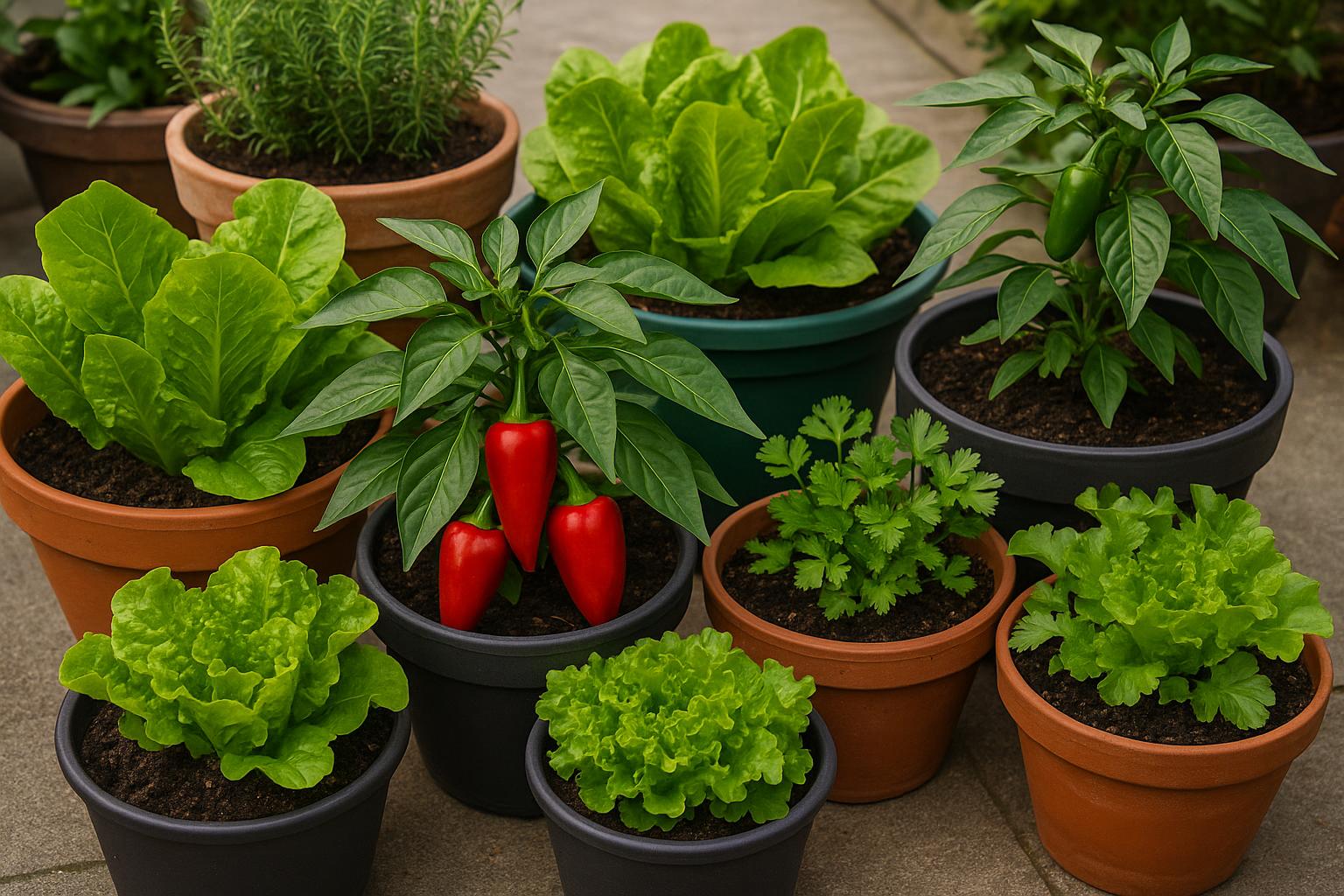
Container Gardening for Beginners Step by Step: Your Ultimate Guide to Urban Growing
Quick Summary
Are you ready to transform your balcony, patio, or even a sunny windowsill into a thriving garden? You don't need a sprawling backyard to enjoy the freshest herbs and vegetables. This comprehensive guide to container gardening for beginners step by step will walk you through everything you need to know, from choosing the perfect pot to harvesting your first crop. We'll cover the essential steps, practical tips, and common mistakes to avoid, ensuring your urban gardening journey is successful, fun, and rewarding.
Why Container Gardening is Perfect for Beginners
Container gardening is the ideal entry point for anyone new to growing, especially those with limited space. It offers a level of control and flexibility that traditional in-ground gardening simply cannot match. If you live in an apartment, a townhouse, or just have a small outdoor area, containers are your best friend [1].
One of the biggest advantages is portability. You can easily move your plants to chase the sun, shelter them from a sudden storm, or even bring them indoors for the winter. This control also extends to the soil, allowing you to create the perfect growing environment for each specific plant, free from the challenges of poor native soil. Plus, you'll find that containers significantly reduce the amount of weeding required, letting you focus on the joy of growing.
Step 1: Choosing the Right Container (The Foundation)
The first and most critical decision in your journey is selecting the right home for your plants. The container is more than just a vessel; it’s a miniature ecosystem that needs to support healthy root growth.
Drainage is Non-Negotiable
Every single container you use must have drainage holes at the bottom [2]. Without them, water will collect, the soil will become waterlogged, and your plant's roots will quickly rot, leading to plant death. If a beautiful pot catches your eye but lacks holes, you must drill them yourself or use it as a decorative cachepot, placing a functional, draining pot inside.
A common beginner mistake is adding a layer of gravel, broken pottery, or rocks to the bottom of the pot to "improve drainage." In reality, this practice creates a perched water table, which actually makes drainage worse and keeps the soil at the bottom saturated [3]. Trust the drainage hole and the quality of your potting mix to do the job.
Size Matters
The size of your container directly impacts the health and productivity of your plant. A container that is too small will restrict root growth, dry out too quickly, and require constant watering and feeding. Always choose a container that is appropriate for the plant's mature size.
| Plant Type | Minimum Container Diameter/Volume |
|---|---|
| Herbs (Basil, Mint, Thyme) | 6-8 inches (1-2 gallons) |
| Leafy Greens (Lettuce, Spinach) | 8-10 inches (2-3 gallons) |
| Bush Beans, Peppers, Eggplant | 12-14 inches (5-7 gallons) |
| Tomatoes (Indeterminate), Zucchini | 18-24 inches (10-20 gallons) |
| Root Vegetables (Carrots, Radishes) | At least 12 inches deep |
Product Recommendations: Container Types
You have many options for containers, each with its own benefits:
- Plastic Containers: These are lightweight, inexpensive, and retain moisture well, meaning you won't have to water as frequently. They are a great, practical choice for beginners.
- Terracotta/Clay Pots: These are porous, allowing air and moisture to pass through the walls. While they look classic, they dry out very quickly, especially in hot weather, requiring more frequent watering.
- Fabric Grow Bags: Made from a breathable, non-woven fabric, these promote "air-pruning" of roots, which prevents plants from becoming root-bound and encourages a healthier, more fibrous root system. They are excellent for vegetables like potatoes and tomatoes.
- Wooden Planters: These offer a natural look and good insulation, but they will eventually rot and may need a food-safe liner to prolong their life.
Step 2: Selecting the Best Growing Medium
This is arguably the most important step in successful container gardening for beginners step by step. The soil you use in a container is fundamentally different from the soil in your garden bed.
Potting Mix vs. Garden Soil: A Crucial Distinction
Never use heavy garden soil, topsoil, or dirt from your yard in your containers [2]. Garden soil is too dense; it compacts easily in a pot, which suffocates the roots and prevents proper drainage.
You must use a high-quality, specialized potting mix (sometimes called potting soil, but it contains no actual soil). Potting mix is formulated to be light, fluffy, and porous, providing the perfect balance of moisture retention and aeration that container roots need to thrive.
What Makes a Good Mix
A quality potting mix is a blend of several components:
- Base Material: Often peat moss or coir (coconut fiber), which holds water like a sponge.
- Aeration Material: Perlite (small white volcanic rock) or vermiculite, which keeps the mix loose and allows oxygen to reach the roots.
- Nutrient Source: Often includes compost or a slow-release fertilizer to provide initial food for the plant.
For the best results, consider mixing in a small amount of compost to your commercial potting mix to boost the microbial life and nutrient content. This simple addition can make a huge difference in the health of your container plants.
Step 3: Picking Your Plants
When starting out, it's best to choose plants that are known to perform well in containers and are relatively easy to care for. Consider the amount of sunlight your growing area receives—most vegetables need at least six hours of direct sun per day.
Beginner-Friendly Choices
- Herbs: Basil, mint, chives, and thyme are incredibly forgiving and perfect for small pots. Mint, in particular, should always be grown in a container as it can quickly take over a garden bed.
- Leafy Greens: Lettuce, spinach, and kale grow quickly and can be harvested repeatedly. They also tolerate slightly less sun than fruiting vegetables.
- Small Vegetables: Radishes, carrots (in deep containers), bush varieties of beans, and small-fruited peppers are excellent choices. Look for varieties labeled "dwarf," "patio," or "container."
Grouping Plants
When planting multiple items in one large container, ensure they have similar needs for sun and water. For example, don't plant a sun-loving tomato next to a shade-loving hosta. Grouping plants with similar requirements is a key to success in this container gardening for beginners step by step guide.
Step 4: Planting and Initial Care
Once you have your container, your mix, and your plants, it's time to put it all together.
The Planting Process
- Prepare the Container: Cover the drainage holes with a small piece of mesh or screen to prevent the potting mix from washing out, but still allow water to flow freely.
- Fill the Pot: Fill the container with potting mix up to about an inch or two below the rim. This space is essential for watering.
- Position the Plant: Gently remove the plant from its nursery pot. If the roots are tightly coiled (root-bound), gently loosen them with your fingers. Place the plant in the center of the pot so the top of the root ball is level with the surrounding soil.
- Firm and Water: Fill in around the plant with more potting mix, gently firming it down. Water the container thoroughly until water runs freely out of the drainage holes. This settles the soil and eliminates air pockets.
Hardening Off
If you purchased seedlings that were grown indoors (like from a greenhouse), they need a process called "hardening off" before being permanently placed outside. This involves gradually exposing them to outdoor conditions—sun, wind, and temperature fluctuations—over a period of 7 to 10 days. Start with an hour of morning sun and slowly increase the time each day to prevent shock and sunburn.
Step 5: Mastering Watering and Feeding
Container plants rely entirely on you for their water and nutrients. Since containers dry out faster than the ground, watering is the most frequent task.
The Finger Test
The best way to know when to water is to use the "finger test." Stick your index finger about two inches deep into the potting mix. If the soil feels dry, it's time to water. If it feels moist, wait another day. In the heat of summer, you may need to water daily, or even twice a day for smaller pots.
Watering Techniques
Always water slowly and deeply until you see water draining out of the bottom holes [4]. This ensures that the entire root ball is saturated. Light, frequent sprinkling only wets the top layer of soil, encouraging shallow root growth and leaving the deeper roots dry.
Fertilizing Your Containers
Potting mix is designed to drain well, which is great for roots, but it also means nutrients wash out quickly with each watering. Your plants will need regular feeding, typically starting a few weeks after planting.
You can use a slow-release granular fertilizer mixed into the potting mix at planting time, which feeds the plant over several months. Alternatively, you can use a balanced liquid fertilizer (like a 10-10-10 or similar ratio) diluted in water and applied every 1-2 weeks. Look for organic or synthetic options, but ensure the product is balanced and designed for general vegetable or flower use.
Common Mistakes to Avoid in Container Gardening
Even with the best intentions, beginners often fall into a few common traps. Being aware of these pitfalls is the final, essential part of this container gardening for beginners step by step guide [5].
Mistake 1: No Drainage Holes
As mentioned, this is a death sentence for your plant. Always check for drainage before planting.
Mistake 2: Using Garden Soil
This mistake leads to compacted, waterlogged soil and root rot. Stick to quality potting mix.
Mistake 3: Under- or Over-watering
This is the single biggest cause of container plant failure. Over-watering is more common and just as deadly as under-watering. Use the finger test and remember that a plant wilting from too much water looks exactly like a plant wilting from too little water—check the soil before adding more.
Mistake 4: Too Small a Container
Small containers stunt growth and require excessive watering. Be generous with your pot size, especially for hungry plants like tomatoes and peppers.
Mistake 5: Ignoring the Sun
Placing a sun-loving plant in a shady spot, or a shade-tolerant plant in intense, all-day sun, will lead to poor results. Know your plant's needs and match them to your location.
Ready to Grow? Use the Urban Grow Planner! (Call to Action)
You now have the foundational knowledge and a clear, actionable plan to start your own successful container garden. The world of urban growing is open to you, and the taste of a homegrown tomato or a freshly snipped basil leaf is the best reward.
To help you keep track of your new garden, we encourage you to use the Urban Grow Planner tool. It's designed to simplify your gardening life by allowing you to track planting dates, set watering reminders, manage your feeding schedule, and log your harvests. Start your container garden today, and let the Urban Grow Planner help you turn your small space into a productive, beautiful oasis!
References
[1] Almanac.com. Vegetable Container Gardening for Beginners. https://www.almanac.com/content/container-gardening-vegetables [2] BHG.com. Container Gardening for Beginners: 10 Must-Know Tips. https://www.bhg.com/container-gardening-for-beginners-8423949 [3] Earthbox.com. Container Gardening for Beginners – The Complete Guide. https://earthbox.com/blog/container-gardening-for-beginners [4] Petittigardencenter.com. Six Steps for Success: Container Planting. https://www.petittigardencenter.com/six-steps-for-success-container-planting/ [5] Gardenary.com. 20 Common Container Gardening Mistakes. https://www.gardenary.com/blog/20-container-gardening-mistakes
Related Articles
How To Start Urban Farming For Beginners
Ready to grow your own food? Learn how to start urban farming for beginners with this comprehensive guide on planning, small-space techniques, essential equipment, and common mistakes to avoid.
Balcony Garden Ideas For Beginners
Discover the ultimate balcony garden ideas for beginners! Learn how to maximize small spaces with vertical gardening, choose the best easy-to-grow plants, and avoid common mistakes. Start your urban oasis today!
How To Grow Vegetables On Apartment Balcony
Learn how to grow vegetables on apartment balcony with this ultimate guide. Get tips on sun, containers, soil, and the best compact crops for a successful urban garden.
Indoor Herb Garden For Beginners
Start your indoor herb garden with this beginner's guide! Learn essential tips on light, watering, soil, and care for popular herbs like basil and mint. Transform your kitchen!