Apartment Vegetable Garden For Beginners
Start your apartment vegetable garden! This beginner's guide covers everything: choosing the right plants for small spaces, container tips, soil, watering, and avoiding common mistakes.
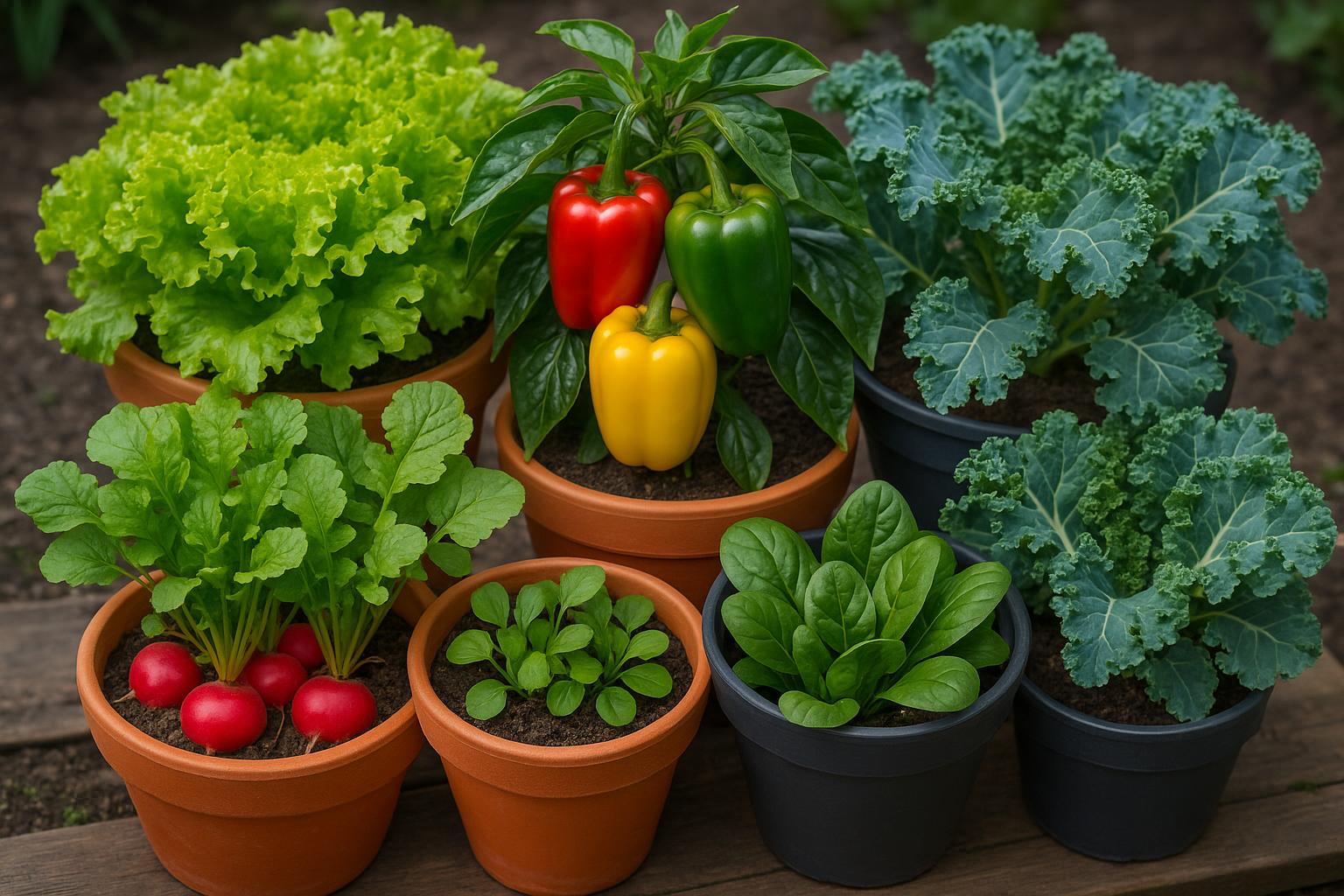
Your Ultimate Guide to Starting an Apartment Vegetable Garden for Beginners
Quick Summary
Dreaming of fresh, homegrown produce but only have a small apartment? You can absolutely do it! This comprehensive guide is your friendly, practical roadmap to creating a thriving apartment vegetable garden for beginners. We'll cover everything from choosing the right plants for your space and light conditions to selecting the best containers and soil, mastering watering, and avoiding the most common beginner mistakes. Get ready to transform your windowsill or balcony into a productive urban farm and enjoy the taste of your own harvest!
The Foundation: Planning Your Apartment Garden
Starting an apartment garden is an exciting journey, and the key to success lies in thoughtful planning. You don't need a sprawling backyard; you just need to understand the unique environment of your apartment.
Assessing Your Space and Light
The single most critical factor for any vegetable garden is light. Most vegetables require at least six hours of direct sunlight, but many apartment spaces offer less. Start by tracking how many hours of direct sun your potential growing spots (windowsills, balconies, patios) receive. South-facing windows offer the most light, but west and east can also work. North-facing windows are best for very low-light plants. Also, consider microclimates—balconies can be windy or hot, and windowsills might be drafty. Understanding these small variations will help you choose the right plants and containers.
Choosing the Right Vegetables for Small Spaces
When space and light are limited, you need to be strategic about what you grow. Focus on "cut-and-come-again" plants and those that don't require deep roots or extensive vertical space. For a successful apartment vegetable garden for beginners, start with leafy greens (lettuce, spinach, kale) and herbs (basil, mint, chives). They are forgiving, tolerate less light (4-6 hours of sun), and provide a quick, satisfying harvest in small containers (4-6 inches deep). If you have 6+ hours of sun, you can try dwarf tomatoes, small peppers, or short-variety carrots in 5-gallon containers.
Selecting Your Containers
Containers are the backbone of your apartment garden. They need to be the right size and have proper drainage. Drainage is Non-Negotiable: Every container must have holes at the bottom to prevent water from pooling and causing root rot. Size Matters: Using a container that is too small is a common mistake. Plants quickly become root-bound and stunt their growth. Always choose the largest container your space allows; a 5-gallon container is a good minimum for a single fruiting plant. Consider material options: Plastic retains moisture well, Terracotta dries out quickly (good for herbs), and Fabric Pots (Grow Bags) are excellent for aeration and are highly recommended for beginners.
The Essentials: Soil, Water, and Nutrients
Once you have your plants and containers, you need to provide them with the right environment to thrive. This is where the basics of soil, water, and feeding come into play.
Choosing the Right Soil Mix
Do not use garden soil from outside. It is too dense and compacts easily in a container. Instead, use a high-quality, lightweight, soilless potting mix. These mixes are designed to retain moisture while allowing for excellent drainage and aeration. You can improve your potting mix by adding organic components like compost or worm castings to boost nutrients, or perlite/vermiculite to lighten the mix and improve drainage.
Mastering the Art of Watering
Watering is the most frequent and often most challenging task for a beginner; overwatering is more common than underwatering. Use The Finger Test: stick your finger an inch or two into the soil. If it feels dry, water. If moist, wait. When you water, do so Deeply until water runs out of the drainage holes, ensuring the entire root ball is saturated. Frequency depends on weather, container material, and plant size, but always check the soil first.
Feeding Your Plants
Container plants quickly use up the limited nutrients in their soil, so you are responsible for providing all the food. Your potting mix will last for the first 4-6 weeks. After that, begin feeding your plants with a balanced, all-purpose liquid fertilizer. Look for an organic, water-soluble option. Always dilute the fertilizer to half or quarter strength and apply it every two to four weeks. It is always better to under-fertilize than to over-fertilize, which can burn the roots.
Common Mistakes to Avoid in Your Apartment Vegetable Garden
Every gardener makes mistakes, but learning to avoid the most common pitfalls will save you time and frustration.
Mistake 1: Ignoring Drainage
This is critical. If your pot doesn't have holes, drill them. If you use a saucer underneath, empty the standing water after 30 minutes so the roots aren't sitting in a puddle.
Mistake 2: Planting Too Early or Too Late
Vegetables have specific temperature requirements. Don't rush to put heat-loving plants outside until all danger of frost has passed. Conversely, cool-weather crops like lettuce will "bolt" (go to seed) if planted in the peak heat of summer.
Mistake 3: Using the Wrong Potting Medium
Using heavy garden soil or cheap, low-quality potting soil leads to compaction, poor drainage, and nutrient deficiencies. Invest in a quality, well-aerated potting mix designed for containers.
Mistake 4: Not Providing Support
Many apartment-friendly vegetables, like dwarf tomatoes and cucumbers, still need support. Use small tomato cages, bamboo stakes, or a simple trellis to keep the plants upright and their fruit off the ground. This improves air circulation and prevents disease.
Mistake 5: Neglecting Pest Control
Pests like aphids and spider mites can quickly take over. Inspect Regularly (check the undersides of leaves) and Isolate New Plants for a week or two. Use Natural Solutions like a gentle stream of water or an insecticidal soap as a first line of defense.
Specific Tips for a Thriving Apartment Vegetable Garden
Now that you know the basics, here are some practical, actionable tips to maximize your small space and ensure a bountiful harvest.
Tip 1: Vertical Gardening is Your Friend
In an apartment, the only way to expand is up. Utilize vertical space on your balcony or near a sunny window using tiered shelving units, wall-mounted planters, or simple trellises for vining plants like cucumbers.
Tip 2: Succession Planting for Continuous Harvest
For fast-growing crops like lettuce and radishes, sow a small batch of seeds every two to three weeks. This ensures a continuous supply of fresh vegetables rather than a massive harvest all at once.
Tip 3: The "Cut-and-Come-Again" Method
This technique is ideal for leafy greens like lettuce and kale. Instead of harvesting the entire plant, only snip the outer leaves. The plant will continue to grow new leaves from the center, giving you multiple harvests from a single plant. This is a great way to get the most out of your apartment vegetable garden for beginners.
Tip 4: Optimize Water Retention
Container soil dries out fast. Apply a thin layer of Mulch (shredded leaves or straw) to the top of the soil to reduce water evaporation. Consider using Self-Watering Containers, which have a built-in reservoir that wicks water up to the roots—a game-changer for busy urban gardeners.
Tip 5: Use Grow Lights Indoors
If your apartment lacks sufficient natural light (less than 4 hours of direct sun), a simple, full-spectrum LED grow light positioned a few inches above your plants can allow you to grow herbs and leafy greens successfully on a kitchen counter or shelf.
Troubleshooting Your Apartment Garden
Even with the best planning, problems can arise. Here’s a quick guide to diagnosing common issues:
| Symptom | Possible Cause | Solution |
|---|---|---|
| Yellowing Leaves | Overwatering or Nutrient Deficiency | Check soil moisture; if wet, reduce watering. If dry, apply a balanced liquid fertilizer. |
| Wilting Plant | Underwatering or Extreme Heat | Water deeply and immediately. If it's very hot, move the plant to a shadier spot. |
| Pests (Residue/Bugs) | Aphids or Spider Mites | Spray with insecticidal soap or neem oil, focusing on the undersides of the leaves. |
| No Flowers/Fruit | Lack of Light or Too Much Nitrogen | Move to a sunnier spot. Reduce nitrogen-heavy fertilizer. |
Conclusion: Your Urban Harvest Awaits
Creating an apartment vegetable garden for beginners is a rewarding and delicious endeavor. It connects you to your food, brightens your living space, and provides you with the freshest ingredients possible. By focusing on the right containers, quality soil, and consistent care, you can overcome the challenges of small-space gardening and enjoy a surprisingly abundant harvest.
Don't let the size of your apartment limit the size of your gardening dreams. Take this guide, choose your first few plants, and get started today.
Ready to Plan Your Perfect Apartment Garden?
To make your urban gardening journey even easier, we recommend using the Urban Grow Planner tool. It helps you track sunlight, manage planting schedules, and optimize your small space for maximum yield. Start planning your apartment vegetable garden today and watch your tiny space flourish!
Related Articles
How To Start Urban Farming For Beginners
Ready to grow your own food? Learn how to start urban farming for beginners with this comprehensive guide on planning, small-space techniques, essential equipment, and common mistakes to avoid.
Balcony Garden Ideas For Beginners
Discover the ultimate balcony garden ideas for beginners! Learn how to maximize small spaces with vertical gardening, choose the best easy-to-grow plants, and avoid common mistakes. Start your urban oasis today!
Container Gardening For Beginners Step By Step
Start your urban garden with this step-by-step guide to container gardening for beginners. Learn about choosing pots, soil, plants, watering, and avoiding common mistakes.
How To Grow Vegetables On Apartment Balcony
Learn how to grow vegetables on apartment balcony with this ultimate guide. Get tips on sun, containers, soil, and the best compact crops for a successful urban garden.