Indoor Herb Garden For Beginners
Start your indoor herb garden with this beginner's guide! Learn essential tips on light, watering, soil, and care for popular herbs like basil and mint. Transform your kitchen!
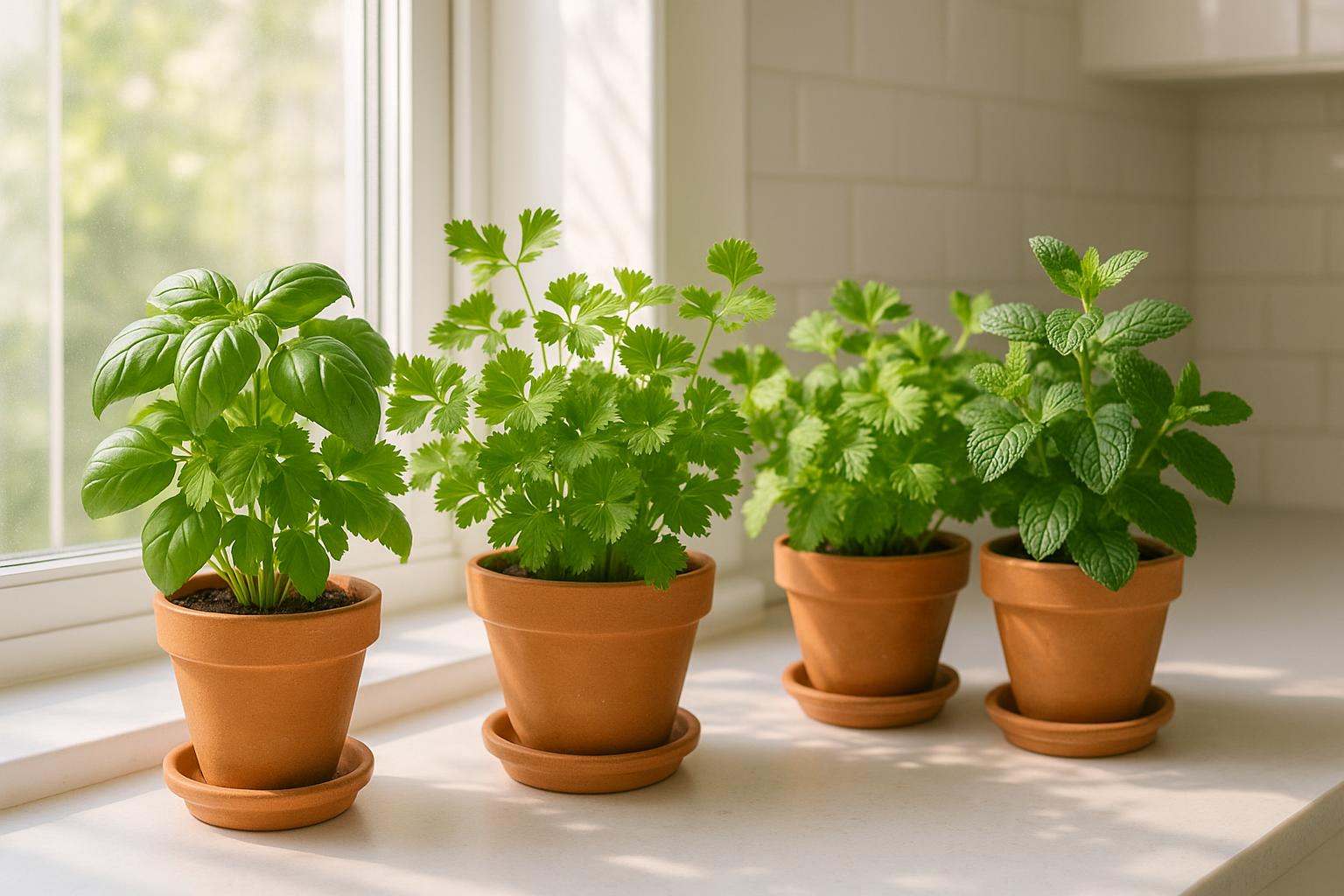
The Ultimate Guide to Starting an Indoor Herb Garden for Beginners
Quick Summary: Your Path to Fresh Herbs Starts Now
Starting an indoor herb garden for beginners is a rewarding and simple way to bring fresh flavors and greenery into your home. This comprehensive guide covers everything from selecting the right herbs and containers to mastering light, water, and soil requirements. We'll provide specific care tips, highlight common pitfalls, and ensure your gardening journey is a success. Transform your kitchen windowsill into a thriving, aromatic oasis today.
1. Why Start an Indoor Herb Garden?
The appeal of an indoor herb garden is multifaceted. It's a year-round source of culinary inspiration, a beautiful piece of living decor, and an accessible form of urban gardening.
H3: The Year-Round Culinary Advantage
An indoor garden provides immediate access to vibrant, full-flavored herbs that far surpass the quality of pre-packaged store-bought options. This convenience is especially valuable during winter months. Snipping fresh herbs right before a meal elevates your cooking instantly.
H3: Health and Wellness Benefits
Caring for plants has proven mental health benefits, reducing stress and improving focus. The natural aromas of herbs like lavender and mint can also subtly enhance your home environment. Growing your own ensures your herbs are organic and free from unwanted pesticides.
2. Essential Steps for Your Indoor Herb Garden for Beginners
A successful indoor herb garden rests on four key pillars: choosing the right herbs, providing adequate light, selecting the correct containers, and using the proper soil.
H3: Choosing Your First Herbs
When you are just starting your indoor herb garden for beginners, select hardy, easy-to-grow varieties. Focus on herbs you use frequently in your cooking.
| Herb | Light Requirement | Watering Tip | Best for Beginners |
|---|---|---|---|
| Basil | High (6+ hours) | Keep soil consistently moist | Yes, but needs lots of light |
| Mint | Medium to High | Water frequently, loves moisture | Yes, very resilient |
| Chives | Medium to High | Keep soil moist, don't let it dry out | Yes, very easy |
| Oregano | High | Let soil dry out slightly between waterings | Yes, very hardy |
| Thyme | High | Prefers drier soil, water sparingly | Yes, drought-tolerant |
| Rosemary | High | Prefers drier conditions, prone to root rot | Moderate, needs excellent drainage |
Tip: Start with seeds for herbs like basil and chives, or purchase small starter plants for woody herbs like rosemary and thyme.
H3: The Critical Role of Light
Light is the single most important factor. Most herbs require at least four to six hours of direct sunlight per day. A south-facing window is usually the best location. If you don't have a bright window, supplemental lighting is a must.
Product Recommendation: Lighting
- Full-Spectrum LED Grow Lights: Energy-efficient lights that mimic natural sunlight. Look for adjustable height and a timer function.
- Simple Clamp Lamps with LED Bulbs: A budget-friendly option. Use a standard clamp lamp fixture with a full-spectrum LED bulb designed for plants.
H3: Selecting the Right Containers and Soil
The right container ensures proper drainage, vital for preventing root rot. Crucially, every pot must have drainage holes.
Product Recommendation: Containers
- Terracotta Pots: Porous pots that allow excess moisture to evaporate, excellent for herbs that prefer drier soil.
- Plastic or Glazed Ceramic Pots: Retain moisture longer, suitable for water-loving herbs. Use a saucer underneath to catch runoff.
- Self-Watering Planters: Systems that wick water up to the soil, simplifying the watering process.
Soil: Use a high-quality, well-drining potting mix specifically formulated for containers. Avoid using dense garden soil. Adding a handful of perlite or vermiculite can further improve drainage and aeration.
3. Mastering the Art of Watering and Feeding
Watering is where most beginners struggle. The key is to water based on the plant's needs, not a fixed schedule.
H3: The Finger Test for Moisture
Before watering, stick your finger about an inch deep into the soil. If it feels dry, it's time to water. If it feels moist, wait another day or two. Water thoroughly until water runs out of the drainage holes. Discard any excess water from the saucer after about 15 minutes to prevent root rot.
H3: Feeding Your Herbs
Indoor herbs will eventually deplete the nutrients. They benefit from occasional feeding, especially during their active growing season (spring and summer).
Product Recommendation: Fertilizer
- Balanced Liquid Fertilizer: Look for a water-soluble fertilizer with an N-P-K ratio like 10-10-10. Dilute it to half or quarter strength.
- Organic Fish Emulsion or Seaweed Extract: Excellent organic options that provide gentle, slow-release nutrients.
Apply fertilizer once a month during the spring and summer. Reduce or stop feeding entirely in the fall and winter.
4. Specific Care Tips for Popular Herbs
To truly succeed with your indoor herb garden for beginners, understand the unique needs of a few popular varieties.
H3: Basil: The Sun-Loving Star
Basil thrives on warmth and light, needing at least 6 hours of direct sun or a strong grow light. Keep the soil consistently moist, but not soggy. Pinch and prune often. This encourages bushy growth. Never remove more than one-third of the plant at a time.
H3: Mint: The Thirsty, Spreading Wonder
Mint is incredibly vigorous and easy to grow. Always plant mint in its own pot to prevent it from strangling other herbs. Mint loves water; it's one of the few herbs that doesn't mind consistently moist soil. Harvest frequently by snipping stems just above a set of leaves.
H3: Rosemary and Thyme: The Mediterranean Duo
These woody herbs are native to dry, sunny climates and are prone to overwatering indoors. They demand high light and good air circulation. Let the soil dry out almost completely between waterings. Ensure the potting mix is extra well-drining; terracotta pots are highly recommended.
5. Common Mistakes to Avoid for Beginners
Recognizing and avoiding these pitfalls will significantly increase your success rate.
H3: Overwatering is the Enemy
Overwatering is the most frequent mistake, leading to root rot. Always use the finger test, and ensure your pots have excellent drainage. A plant wilting from lack of water can often be saved; a plant with root rot is much harder to rescue.
H3: Ignoring the Need for Pruning
Pruning is essential for a healthy, productive herb. Regular harvesting encourages the plant to branch out, resulting in a denser, bushier, and more flavorful yield. If you let your herbs grow tall and leggy, they will eventually "bolt" (go to seed), which often changes the flavor.
H3: Placing Herbs Too Far from the Light Source
A window that looks bright to you may not be bright enough for your herbs. The intensity of light drops off dramatically the further a plant is from the glass. If your herbs are more than a foot away from a south-facing window, they are likely not getting enough light. Supplemental grow lights are a game-changer for an indoor herb garden for beginners.
H3: Keeping All Herbs in One Container
Planting herbs with very different needs in the same container is a recipe for disaster. Always group herbs with similar light and water requirements, or better yet, keep them in individual pots.
6. Troubleshooting and Maintenance
Maintaining your indoor herb garden is a continuous, low-effort process that ensures a steady supply of fresh leaves.
H3: Dealing with Pests
Indoor herbs can occasionally attract pests like aphids, spider mites, or whiteflies. Good air circulation is the best defense. For minor infestations, a strong spray of water can dislodge them. For more persistent issues, use an organic solution like neem oil or a mild insecticidal soap.
H3: Repotting and Refreshing
As your herbs grow, they may become root-bound. Signs include water running straight through the pot, or the plant stopping growth despite proper care. Move the herb to a container that is only one or two inches larger in diameter. Refresh the soil with new potting mix.
H3: The Importance of Rotation
If you are relying on a single window for light, rotate your pots every few days. This ensures all sides of the plant receive equal light exposure, promoting even, balanced growth.
7. Taking the Next Step in Your Urban Gardening Journey
You've successfully started your indoor herb garden for beginners and are now enjoying the fruits (or leaves!) of your labor. The most important takeaway is to observe your plants. Learn to read these signals, and you will become a successful indoor gardener.
Call to Action
Ready to plan your next harvest and track your garden's progress?
Take the guesswork out of urban gardening by using the Urban Grow Planner tool. It's designed to help you manage your planting schedules, track light exposure, and monitor nutrient needs for all your indoor and outdoor projects.
Start planning your perfect indoor herb garden today!
Related Articles
How To Start Urban Farming For Beginners
Ready to grow your own food? Learn how to start urban farming for beginners with this comprehensive guide on planning, small-space techniques, essential equipment, and common mistakes to avoid.
Balcony Garden Ideas For Beginners
Discover the ultimate balcony garden ideas for beginners! Learn how to maximize small spaces with vertical gardening, choose the best easy-to-grow plants, and avoid common mistakes. Start your urban oasis today!
Container Gardening For Beginners Step By Step
Start your urban garden with this step-by-step guide to container gardening for beginners. Learn about choosing pots, soil, plants, watering, and avoiding common mistakes.
How To Grow Vegetables On Apartment Balcony
Learn how to grow vegetables on apartment balcony with this ultimate guide. Get tips on sun, containers, soil, and the best compact crops for a successful urban garden.