Balcony Garden In Hot Climate Tips
Master balcony gardening in hot climates with these essential tips! Learn about deep watering, shade solutions, heat-tolerant plants, and the best containers to keep your urban garden thriving all summer long.
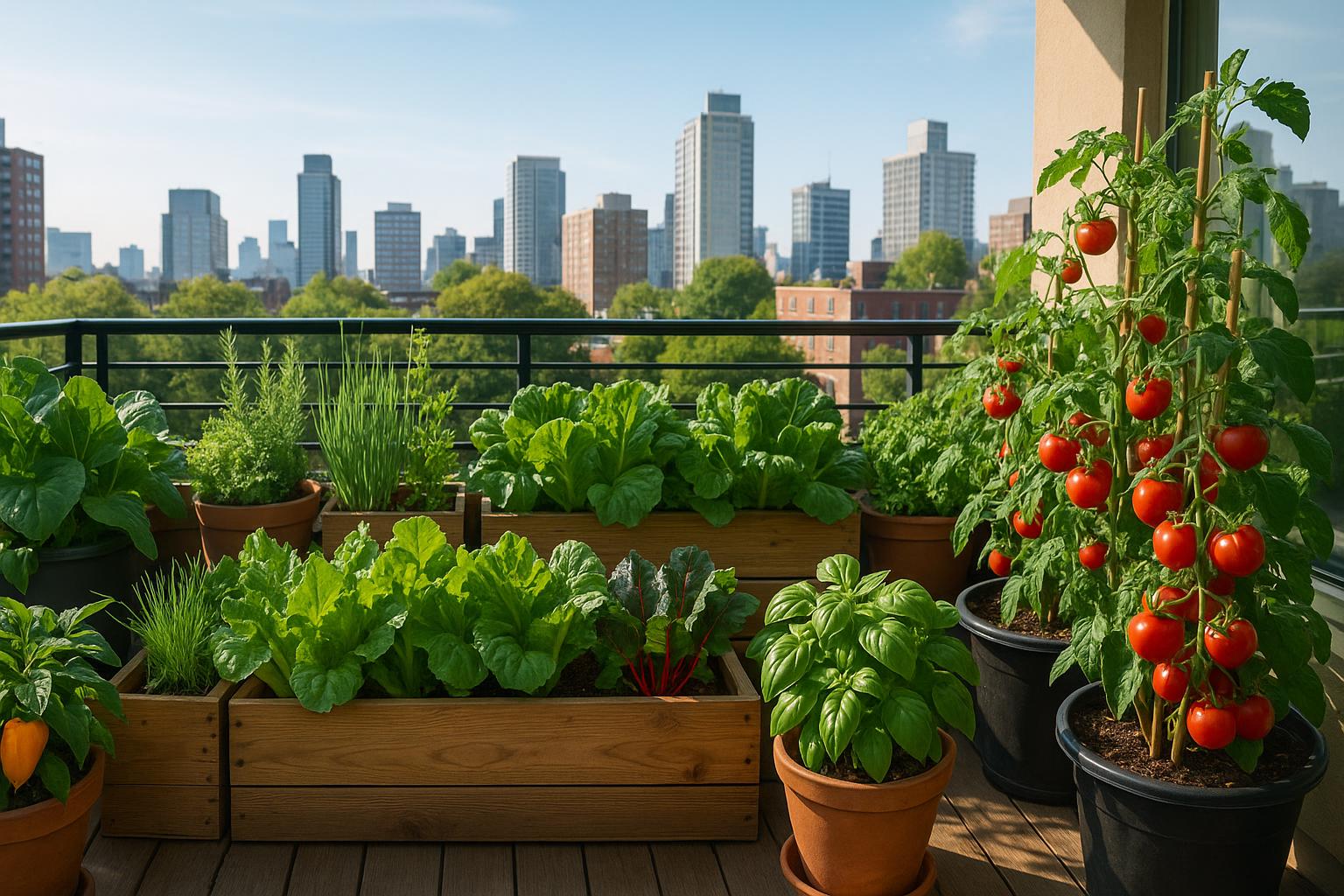
Balcony Garden in Hot Climate Tips: Your Ultimate Guide to a Thriving Urban Oasis
Quick Summary: Don't let the heat wilt your gardening dreams! Creating a successful balcony garden in hot climate tips involves a strategic approach to plant selection, watering, and sun protection. Focus on deep, early-morning watering, use light-colored, large containers, and implement shade solutions like cloth or screens. Choose heat-tolerant herbs, vegetables, and ornamentals, and always use a thick layer of organic mulch to keep roots cool and moist. With these practical tips, your balcony can become a lush, productive retreat, even in the sweltering summer.
The Heat is On: Why Balcony Gardening in Hot Climates is a Unique Challenge
Balcony gardening is a rewarding way to connect with nature and grow your own food, even in the most urban settings. However, when the summer sun turns up the dial, a balcony—especially one facing south or west—can become an oven. The combination of intense, direct sunlight, reflected heat from concrete and railings, and the limited soil volume in containers creates a harsh microclimate. This is why standard gardening advice often falls short, and you need specialized balcony garden in hot climate tips to succeed.
The primary challenges are rapid water evaporation, soil overheating, and plant stress (wilting, sun-scald, and reduced fruit production). Addressing these issues requires a proactive strategy that focuses on four key pillars: water management, sun protection, container choice, and plant selection. By mastering these areas, you can transform your scorching balcony into a cool, productive haven.
Pillar 1: Mastering Water Management for Maximum Hydration
In a hot climate, your plants' water needs can skyrocket, sometimes requiring watering twice a day. However, the goal isn't just frequent watering; it's efficient watering that encourages deep root growth and minimizes waste.
Deep Watering is Key
Instead of a light sprinkle, which only wets the top layer of soil and encourages shallow roots, you must water deeply. Give each container enough water until it freely drains from the bottom holes. This ensures the entire root ball is saturated.
- Timing: Always water in the early morning (before 10 AM). This allows the plant to absorb water before the peak heat of the day, preparing it to handle the stress. Watering late in the evening can encourage fungal diseases, as the foliage remains wet overnight.
- Frequency: Check the soil moisture by sticking your finger about two inches deep. If it feels dry, it's time to water. In extreme heat, this might be daily, or even twice a day for small pots.
- Technique: Use a watering can with a gentle rose or a soaker hose/drip system to deliver water directly to the soil, avoiding the leaves. Wet leaves in direct sun can act like a magnifying glass, causing sun-scald.
The Power of Mulch
Mulching is one of the most effective balcony garden in hot climate tips you can implement. A 2- to 3-inch layer of organic mulch—such as straw, shredded leaves, or wood chips—on top of the soil acts as an insulator.
- Keeps Roots Cool: It prevents the sun from directly heating the soil, which can cook delicate roots.
- Reduces Evaporation: It dramatically slows down water evaporation from the soil surface, meaning you water less often.
- Adds Nutrients: As organic mulch breaks down, it slowly adds beneficial organic matter to your container soil.
Pillar 2: Strategic Sun Protection and Shade Solutions
While many plants need sun, the intense, all-day sun on a hot balcony can be too much. Providing strategic shade during the hottest part of the day (noon to 4 PM) is crucial for plant survival and productivity.
Shade Cloth and Screens
The most effective solution is a shade cloth. These lightweight fabrics are rated by the percentage of sunlight they block (e.g., 30%, 50%).
- Recommendation: A 30% to 40% shade cloth is usually sufficient for most vegetables and herbs, providing relief without blocking too much light.
- Installation: You can drape it over a simple PVC pipe frame, attach it to the railing, or use it as a vertical screen.
- Vertical Gardening: Consider using a vertical trellis or screen on the sunniest side of your balcony. You can grow fast-growing, heat-tolerant vines like morning glory or passionflower to create a living shade screen.
Utilizing Plant Placement
Use your taller, more heat-tolerant plants to shade the smaller, more sensitive ones.
- Sun-Lovers as Shields: Place tall tomato plants, okra, or ornamental grasses on the south or west side of your balcony to cast a shadow over plants like lettuce, spinach, or basil.
- Grouping: Grouping containers together creates a mini-microclimate. The collective foliage and the pots themselves help to increase humidity and reduce the drying effect of the wind and sun.
Pillar 3: Choosing the Right Containers and Soil
The limited volume of a container makes it highly susceptible to heat fluctuations. Your choice of pot and soil mix is just as important as your watering schedule.
Container Material and Color
This is a critical, often overlooked, aspect of balcony garden in hot climate tips.
- Avoid Dark Colors: Dark-colored plastic or metal containers absorb and retain heat, turning the soil into a root-killing hot zone. Opt for light-colored plastic, ceramic, or terracotta pots.
- Terracotta Caution: While terracotta is light-colored, it is porous and allows water to evaporate through its walls, which can be a double-edged sword. If you use terracotta, consider sealing the inside or placing a plastic liner inside to reduce moisture loss.
- Size Matters: Always choose the largest container possible. A larger volume of soil stays cooler and retains moisture much longer than a small pot. For most vegetables, aim for a minimum of a 5-gallon container (about 12 inches in diameter).
Soil Mix and Drainage
A dense, heavy garden soil will compact, retain too much heat, and impede drainage.
- Use a Quality Potting Mix: Start with a high-quality, lightweight potting mix that is specifically designed for containers. Do not use soil from your yard.
- Enhance Water Retention: Amend your potting mix with water-retaining materials like coconut coir or compost. These materials act like sponges, holding moisture without becoming waterlogged.
- Ensure Drainage: Every container must have adequate drainage holes. Waterlogged soil, especially in the heat, can quickly lead to root rot.
Pillar 4: Selecting Heat-Tolerant Plants
The best defense against a hot climate is choosing plants that are naturally adapted to it. Trying to force cool-weather crops to thrive in a scorching environment is a recipe for disappointment.
Heat-Loving Vegetables and Fruits
Focus on crops that are native to warm regions or have been bred for heat tolerance.
| Plant Type | Recommended Varieties/Types | Hot Climate Tip |
|---|---|---|
| Fruiting Vegetables | Cherry Tomatoes (especially determinate types), Okra, Eggplant, Peppers (Chili and Bell) | Provide a sturdy cage or trellis; they thrive in the heat but need support. |
| Leafy Greens | Malabar Spinach, New Zealand Spinach, Swiss Chard, Amaranth | Plant in a location that receives afternoon shade to prevent bolting and bitterness. |
| Root Vegetables | Sweet Potatoes (grown for leaves and tubers), Radishes (quick-growing types) | Use deep containers (at least 18 inches) for sweet potatoes. |
| Beans | Yardlong Beans, Southern Peas (Black-eyed Peas) | These climbers love the heat and can double as a natural shade screen. |
Herbs and Ornamentals
Many Mediterranean and desert-native plants are perfect for a hot, sunny balcony.
- Herbs: Rosemary, Thyme, Oregano, Sage, and Lavender are excellent choices. They prefer drier soil and intense sun. Basil can also thrive, but it needs more water and benefits from afternoon shade.
- Ornamentals: Look for types of Geraniums, Lantana, Portulaca (Moss Rose), and Succulents. These plants are incredibly resilient and will provide beautiful color throughout the summer.
Common Mistakes to Avoid in Your Hot Climate Balcony Garden
Even with the best intentions, a few common errors can sabotage your efforts. Avoiding these pitfalls is a crucial part of these balcony garden in hot climate tips.
1. Over-Fertilizing
Heat stress and over-fertilizing are a dangerous combination. When a plant is struggling in the heat, its ability to absorb nutrients is reduced. Applying too much fertilizer, especially high-nitrogen types, can burn the roots and foliage.
- Correction: Use a slow-release, balanced granular fertilizer at the beginning of the season. During the peak heat, switch to a diluted liquid feed (half-strength) applied only once every two to three weeks.
2. Ignoring the Wind
Balconies, especially on high floors, can experience strong, drying winds. This wind acts like a giant hairdryer, stripping moisture from the leaves and soil, exacerbating the heat problem.
- Correction: Install a windbreak, such as a slatted screen, bamboo fencing, or a dense row of potted shrubs, to filter the wind without completely blocking airflow.
3. Using Black Plastic or Metal Containers
As mentioned in Pillar 3, dark containers are a major heat trap. The temperature of the soil in a black pot can be 10-15 degrees Fahrenheit higher than the ambient air temperature, which is often fatal to roots.
- Correction: Repot into light-colored containers, or if you can't repot, wrap the outside of the dark pots with reflective material like aluminum foil or light-colored burlap.
4. Relying on a Single Watering Time
The "water once a day" rule is too rigid for a hot climate. A small pot in direct sun might need water by noon, even if you watered at 7 AM.
- Correction: Develop a habit of checking your plants in the late afternoon. If a plant is severely wilting and the soil is dry, give it a small, emergency drink to get it through the night.
Bringing It All Together: Your Thriving Balcony Garden
Creating a successful balcony garden in hot climate tips is less about fighting the heat and more about working with it. By implementing these strategies—deep, early-morning watering, using organic mulch, providing afternoon shade, and selecting the right heat-tolerant plants—you are setting your garden up for success.
The key is observation. Your plants will tell you what they need. Wilting leaves in the morning mean they need more water; brown, crispy edges mean they are getting too much sun; and yellowing leaves can indicate a nutrient deficiency or, more often, a watering issue.
Don't be discouraged by the challenges. Every urban gardener faces them, and overcoming them is part of the joy. Take a moment to plan your layout, choose your resilient plants, and prepare your soil.
Ready to start planning your heat-proof urban oasis?
Use the Urban Grow Planner tool to map out your balcony's sun exposure, calculate the best container sizes for your chosen crops, and track your watering schedule. It's the perfect companion to turn these tips into a thriving reality!
Related Articles
How To Start Urban Farming For Beginners
Ready to grow your own food? Learn how to start urban farming for beginners with this comprehensive guide on planning, small-space techniques, essential equipment, and common mistakes to avoid.
Balcony Garden Ideas For Beginners
Discover the ultimate balcony garden ideas for beginners! Learn how to maximize small spaces with vertical gardening, choose the best easy-to-grow plants, and avoid common mistakes. Start your urban oasis today!
Container Gardening For Beginners Step By Step
Start your urban garden with this step-by-step guide to container gardening for beginners. Learn about choosing pots, soil, plants, watering, and avoiding common mistakes.
How To Grow Vegetables On Apartment Balcony
Learn how to grow vegetables on apartment balcony with this ultimate guide. Get tips on sun, containers, soil, and the best compact crops for a successful urban garden.