Best Containers For Balcony Vegetable Garden
Discover the best containers for balcony vegetable garden success! Learn about top materials, essential sizes for different crops, and pro tips to maximize your urban harvest.
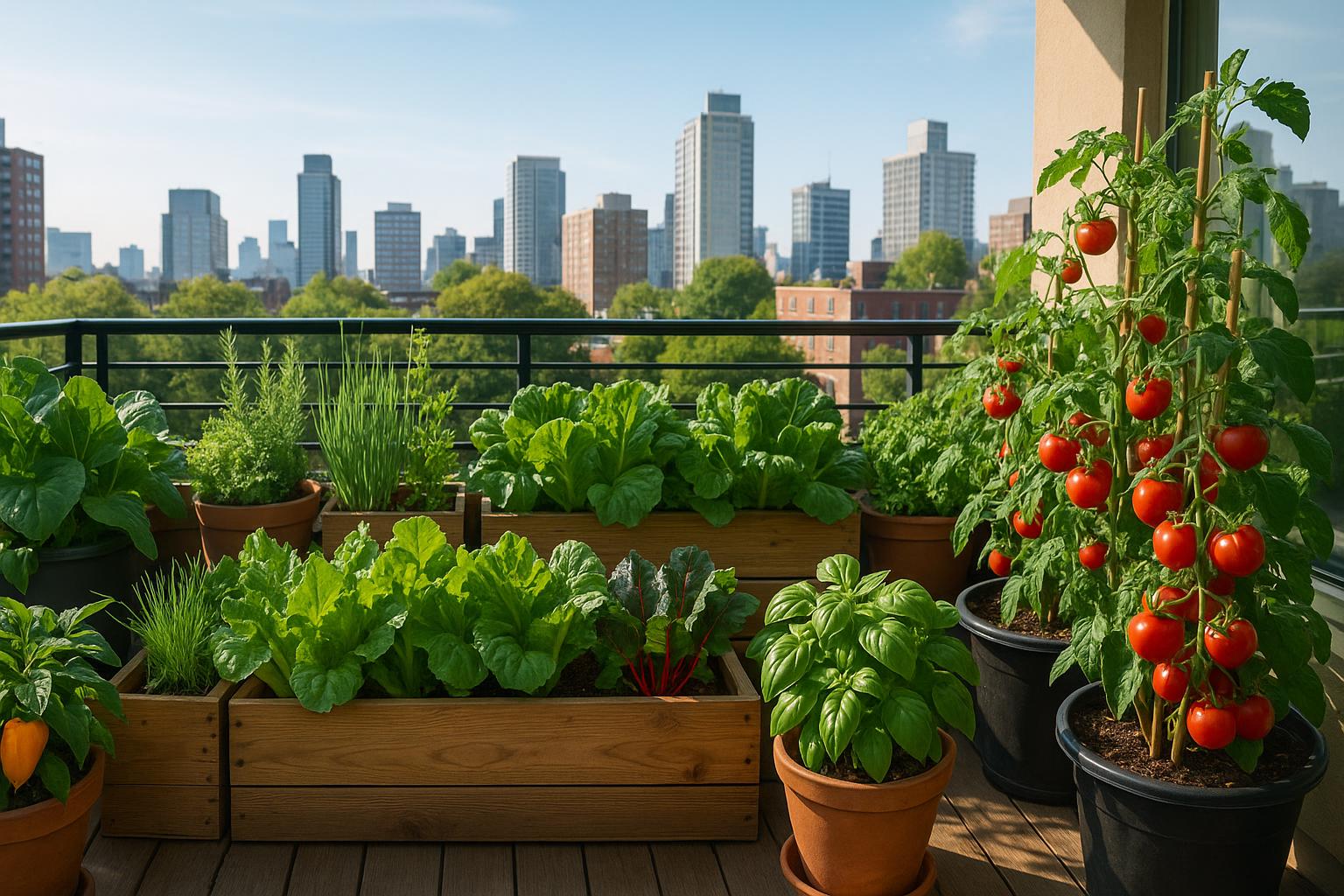
Best Containers for Balcony Vegetable Garden: Your Ultimate Guide to Urban Growing Success
Quick Summary: Starting a vegetable garden on your balcony is an incredibly rewarding experience, and the secret to success lies almost entirely in choosing the right home for your plants. This comprehensive guide will walk you through the top container materials, the critical importance of size and depth for different crops, and essential tips to ensure your urban garden thrives. By selecting the best containers for balcony vegetable garden success, you can transform even the smallest space into a productive, beautiful source of fresh produce.
Why Choosing the Right Container is Your First Step to Balcony Harvests
Balcony gardening presents unique challenges: limited space, weight restrictions, and the need for impeccable drainage. The container is the entire ecosystem for your plant's roots, dictating moisture, temperature, and nutrient availability.
A poor choice leads to stunted growth or root rot. Selecting the right material and size simplifies watering, optimizes root health, and dramatically increases your yield. Finding the best containers for balcony vegetable garden is crucial for maximizing your harvest in a small space.
Top Contenders: A Practical Guide to the Best Container Materials
The container material significantly affects watering frequency, root temperature, and longevity. Each type has advantages and disadvantages, making it suitable for different plants and gardening styles.
Terracotta/Clay Pots
Terracotta pots offer a classic, rustic aesthetic. Made from porous clay, they allow air and moisture to pass through the walls, which is great for aeration but causes the soil to dry out very quickly, especially on a sunny, windy balcony. They are heavy and can crack in freezing temperatures. Terracotta is best suited for herbs and drought-tolerant plants like rosemary and lavender, which prefer drier conditions.
Plastic Containers (Food-Grade)
Plastic containers are popular for urban gardeners. They are lightweight, inexpensive, and highly effective at retaining moisture, a huge benefit for thirsty vegetables like tomatoes and cucumbers. Always opt for food-grade or UV-resistant varieties. The main drawback is that dark plastic can absorb heat, potentially overheating roots. Use lighter-colored plastic or ensure containers are shaded during the hottest part of the day.
Fabric Grow Bags
Fabric grow bags have revolutionized container gardening. Made from thick, breathable fabric, they offer superior root health through "air-pruning." This process encourages healthy, fibrous root growth instead of circling the pot. They are incredibly lightweight and foldable. However, their high breathability means they dry out much faster than plastic, often requiring daily watering in peak summer. They are excellent for root vegetables like carrots and potatoes, as well as large, hungry plants like squash.
Wooden Planters (Treated/Untreated)
Wooden planters provide a beautiful, natural look and offer excellent insulation. They are good for long-term installations. Use naturally rot-resistant wood (like cedar) or a non-toxic preservative. It is highly recommended to line the inside with heavy-duty plastic sheeting (punctured for drainage) to prevent premature rotting. While heavy when filled, they are a fantastic option for deep-rooted plants and creating an attractive balcony space.
Metal/Galvanized Tubs
Galvanized metal tubs and troughs offer a modern, industrial aesthetic and are extremely durable. The primary concern is heat. On a sunny balcony, the metal can become scorching hot, potentially cooking the roots. If you use them, you must insulate the sides (e.g., with cardboard) and ensure they are placed in a location that receives afternoon shade. They are best used for decorative purposes or for heat-tolerant crops that are well-insulated.
Matching Container Size to Your Crop: A Plant-by-Plant Guide
When it comes to container size, the golden rule is simple: bigger is almost always better. Larger containers provide more soil volume, leading to stable moisture, better temperature regulation, and a larger nutrient reservoir. This is especially important for the best containers for balcony vegetable garden setups, where limited soil volume constrains growth.
The depth is as important as the width. Different vegetables have different root systems, and matching the container depth to the plant's needs is critical.
Shallow Containers (6-8 inches deep)
Perfect for quick-growing, shallow-rooted crops, these containers maximize space efficiency for leafy greens and herbs.
| Crop | Minimum Container Size (Diameter/Volume) |
|---|---|
| Lettuce & Spinach | 6-8 inches (per plant) |
| Radishes | 6 inches deep |
| Most Herbs (Basil, Mint, Thyme) | 8-10 inches |
Medium Containers (10-12 inches deep)
This size range is the workhorse of the balcony garden, accommodating most common vegetables and providing enough soil volume for warm days.
| Crop | Minimum Container Size (Diameter/Volume) |
|---|---|
| Bush Beans | 10 inches deep (per plant) |
| Carrots (Short varieties) | 12 inches deep |
| Peppers & Eggplant | 12 inches (5-gallon volume) |
| Swiss Chard & Kale | 10-12 inches |
Deep Containers (18+ inches deep)
Reserved for heavy feeders and large, vining plants, the extra depth is essential for stability and preventing the soil from drying out quickly.
| Crop | Minimum Container Size (Diameter/Volume) |
|---|---|
| Tomatoes (Indeterminate) | 18-24 inches (10-gallon volume or more) |
| Cucumbers & Zucchini | 18 inches (10-gallon volume) |
| Potatoes | 15-20 gallons (for a single plant) |
| Long Carrots | 18 inches deep |
A Critical Note on Drainage: Regardless of material or size, every container must have adequate drainage holes. Without them, water accumulates, roots suffocate, and plants succumb to root rot. Drill several large holes if a container lacks them.
Beyond the Box: Pro Tips for Maximizing Your Balcony Garden
Choosing the right container is just the first step. To succeed in your urban farming endeavor, you need to master a few key container gardening techniques to overcome the limitations of a small, contained environment.
Watering and Drainage Tips
Watering is the most frequent task and where most beginners make mistakes. Containers lose moisture much faster than in-ground gardens because they are exposed to air on all sides.
- Check Soil Moisture Daily: Don't water on a schedule. Stick your finger two inches into the soil; if it feels dry, water.
- Water Deeply and Thoroughly: Water until it runs out of the drainage holes to ensure the entire root ball is saturated.
- Avoid Standing Water: Use a saucer to catch runoff, but never let the pot sit in standing water for more than 30 minutes, as this causes root rot.
- Consider Self-Watering Containers: For busy gardeners or sunny balconies, self-watering containers (with a built-in reservoir) provide a consistent moisture level and can be a game-changer.
Soil and Nutrition
The soil in a container is a finite, high-quality resource.
- Use Potting Mix, Not Garden Soil: Garden soil is too dense and compacts, preventing drainage and aeration. Always use a high-quality, lightweight potting mix designed for containers.
- Fertilize Regularly: Nutrients leach out quickly with frequent watering, so you must replenish them. Use a slow-release granular fertilizer at planting, and supplement with a liquid fertilizer every two to four weeks.
Placement and Weight
Balcony safety is paramount. Always be mindful of the weight you are adding.
- Check Balcony Weight Limits: Consult your building manager. A large, water-saturated container can weigh hundreds of pounds.
- Prioritize Lightweight Materials: For large plants, use fabric grow bags or plastic containers, and use a lightweight potting mix with perlite or coco coir.
- Maximize Sun Exposure: Most vegetables require at least six hours of direct sunlight. Place sun-loving plants (tomatoes, peppers) in the sunniest spot and reserve shadier spots for leafy greens and herbs.
By following these guidelines, you'll be well on your way to selecting the best containers for balcony vegetable garden success and ensuring your plants have the best possible start.
Don't Let These Mistakes Derail Your Urban Farm
Even with the best intentions, common errors can sabotage a balcony garden. Being aware of these pitfalls helps you avoid them.
Mistake 1: Using Containers Without Drainage Holes
This is the number one killer of container plants. A beautiful ceramic pot with no hole is a death trap where roots will drown. Always ensure multiple, large drainage holes are present.
Mistake 2: Using Garden Soil
Garden soil compacts into a hard, dense mass in a container, preventing water from draining and air from reaching the roots. Always invest in a high-quality, sterile potting mix.
Mistake 3: Underestimating the Size Needed
A small tomato seedling looks cute in a one-gallon pot, but a mature tomato plant needs at least a 10-gallon container to thrive. Using a container that is too small leads to "root-bound," where the plant spends energy finding space instead of producing fruit.
Mistake 4: Forgetting to Water
The smaller the container, the faster it dries out. A small terracotta pot on a hot, windy day can go from moist to bone-dry in hours. Daily checks, especially during summer, are non-negotiable.
Mistake 5: Overlooking Balcony Weight
While a single pot is fine, a collection of large, watered containers can strain a balcony. Distribute weight evenly and use lightweight options for the largest plants. This is a crucial safety consideration.
Start Your Balcony Garden Today!
The journey to growing your own food on a balcony is exciting. With the right knowledge about materials, size, and care, you can overcome urban space limitations and enjoy a bountiful harvest. The choice of the best containers for balcony vegetable garden is the foundation of your success.
Now, plan your layout and planting schedule. We encourage you to use the Urban Grow Planner tool to map out your balcony space, determine the ideal placement for your chosen containers, and track your planting and harvesting dates. Happy growing!
Related Articles
How To Start Urban Farming For Beginners
Ready to grow your own food? Learn how to start urban farming for beginners with this comprehensive guide on planning, small-space techniques, essential equipment, and common mistakes to avoid.
Balcony Garden Ideas For Beginners
Discover the ultimate balcony garden ideas for beginners! Learn how to maximize small spaces with vertical gardening, choose the best easy-to-grow plants, and avoid common mistakes. Start your urban oasis today!
Container Gardening For Beginners Step By Step
Start your urban garden with this step-by-step guide to container gardening for beginners. Learn about choosing pots, soil, plants, watering, and avoiding common mistakes.
How To Grow Vegetables On Apartment Balcony
Learn how to grow vegetables on apartment balcony with this ultimate guide. Get tips on sun, containers, soil, and the best compact crops for a successful urban garden.