Best Dwarf Fruit Trees For Containers
Discover the best dwarf fruit trees for containers! Learn top varieties (citrus, fig, apple), essential care tips, and common mistakes to avoid for a successful urban harvest.
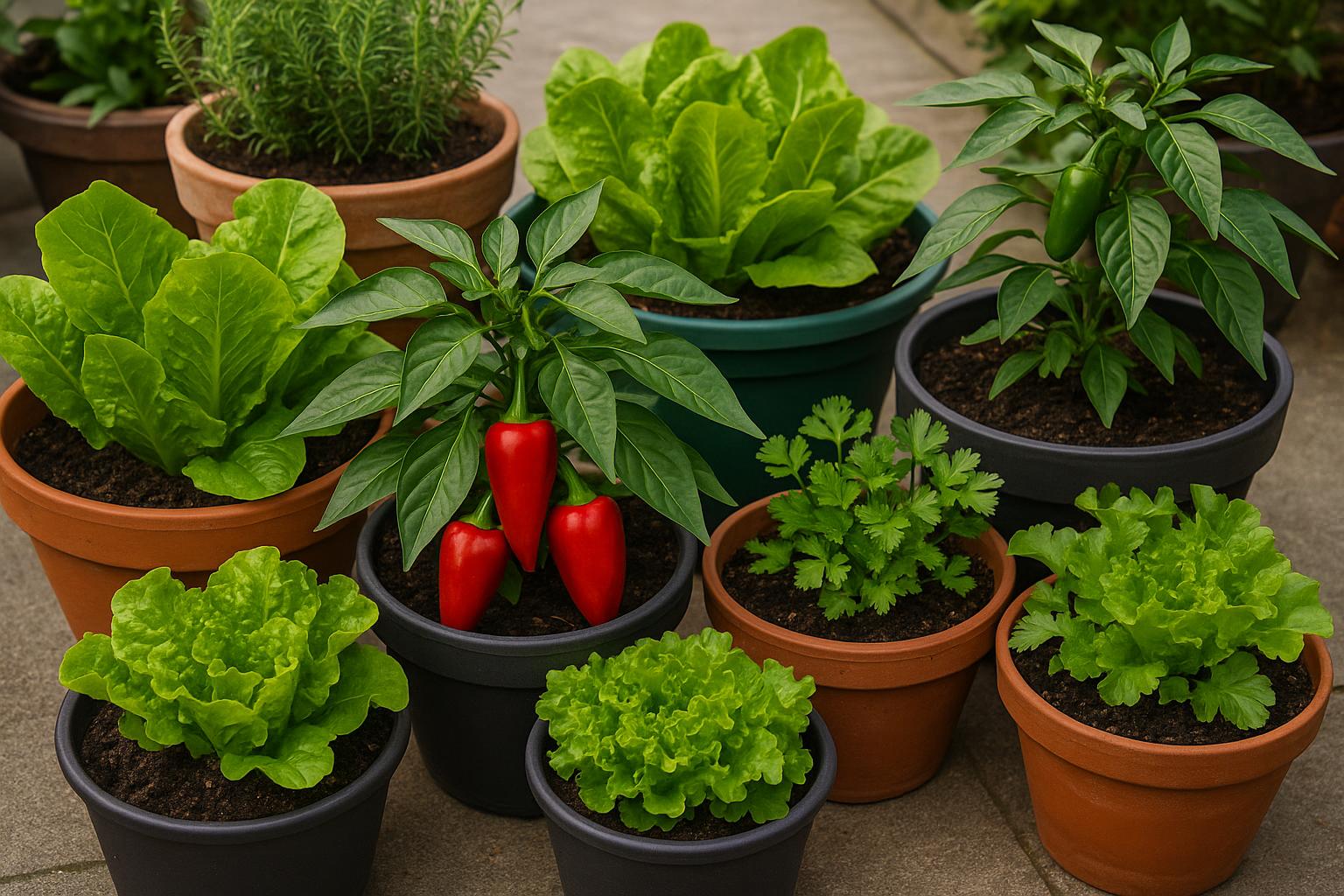
Grow Your Own Orchard: The Best Dwarf Fruit Trees for Containers
Quick Summary: Dreaming of fresh fruit but only have a balcony or patio? Dwarf fruit trees are the perfect solution for urban gardeners. This guide covers the best dwarf fruit trees for containers, including top varieties like citrus, apples, and figs. We'll provide essential tips on container size, potting mix, watering, fertilizing, and common mistakes to avoid. With the right care, you can enjoy a bountiful harvest right outside your door.
Why Dwarf Fruit Trees are the Urban Gardener's Secret Weapon
The joy of harvesting your own fruit is unparalleled. Dwarf fruit trees for containers are specially bred or grafted onto rootstocks that limit their size, making them ideal for small spaces like patios or balconies. They typically grow to be 5 to 10 feet tall, bear fruit sooner, and offer beautiful blossoms and attractive foliage, transforming any small space into a lush, productive oasis.
The Best Dwarf Fruit Trees for Containers: Top Varieties
Choosing the right tree is the first step to success. Look for varieties explicitly labeled as "dwarf," "miniature," or "genetic dwarf." Here are some of the most popular and productive options:
1. Citrus Trees (The Fragrant Favorites)
Citrus trees are a popular choice for container gardening due to their beautiful, fragrant flowers and ability to bear fruit year-round.
- Improved Meyer Lemon: A cross between a lemon and a mandarin orange, this variety is less acidic and produces fruit quickly. It's a heavy producer and adapts well to indoor/outdoor living.
- Dwarf Lime and Mandarin: Varieties like 'Bearss' lime or 'Clementine' mandarin on dwarf rootstock are excellent choices. They provide a tropical feel and a steady supply of fruit for cooking and cocktails.
Care Tip: Citrus trees are not frost-tolerant and must be moved indoors when temperatures drop below freezing. They thrive in full sun (at least 6-8 hours).
2. Apple Trees (A Taste of the Orchard)
You can grow crisp, juicy apples even in a pot! The key is selecting a tree grafted onto a true dwarf rootstock, such as M27 or Bud.9.
- 'Gala' and 'Honeycrisp' Dwarfs: These popular varieties are available on dwarf rootstocks and are known for their excellent flavor and texture.
- Self-Pollinating Varieties: To ensure a harvest with only one tree, look for self-pollinating varieties or consider planting two different compatible varieties close together for better yield.
Care Tip: Apples require a chilling period (hours below 45°F/7°C) to set fruit. Check the chilling requirement for your chosen variety to match your climate.
3. Fig Trees (The Mediterranean Marvel)
Figs are incredibly well-suited to containers because restricting their roots actually encourages fruiting. They are also relatively pest-resistant and tolerate heat well.
- 'Brown Turkey' and 'Petite Negra': These are two of the most reliable and cold-hardy fig varieties for container growing. 'Petite Negra' is a true dwarf that stays very compact.
Care Tip: Figs love sun and heat. They are deciduous and need to be moved to a cool, dark, and protected area (like a garage or basement) for dormancy in cold climates.
4. Peach and Nectarine Trees (Springtime Showstoppers)
Genetic dwarf peaches and nectarines are bred to stay small without the need for dwarf rootstock, making them perfect for pots.
- 'Bonanza' and 'Garden Gold': These varieties are true genetic dwarfs, reaching only about 5-6 feet tall. They produce full-sized, delicious fruit and offer a stunning display of pink blossoms in the spring.
Care Tip: Peaches are susceptible to peach leaf curl. Ensure good air circulation and consider a preventative fungicide application in late winter before buds swell.
5. Pear Trees (Compact and Productive)
Dwarf pear trees are another excellent choice, offering a beautiful vertical element to your container garden.
- 'Seckel' and 'Moonglow': These varieties are often available on dwarf rootstocks and are known for their reliable production and disease resistance.
Care Tip: Pears often require a cross-pollinator. If space is limited, select a self-pollinating variety.
Essential Container and Potting Mix Recommendations
The success of your dwarf fruit trees for containers hinges on the right container.
Choosing the Right Container
- Size Matters: Start with a container that is at least 15-20 gallons in volume, or about 18-22 inches in diameter. As the tree grows, you will need to "pot up" to a larger size, eventually reaching 25-30 gallons.
- Material: Clay, plastic, or wooden containers all work, but ensure they are sturdy. Dark-colored containers absorb more heat, which can be beneficial in cooler climates but may overheat roots in very hot areas.
- Drainage: This is non-negotiable. The container must have ample drainage holes. Fruit trees hate "wet feet."
The Perfect Potting Mix
Do not use garden soil, which compacts too easily. A high-quality, well-draining potting mix is essential.
- Ideal Mix: A good blend is a mixture of one part high-quality potting soil, one part coarse material (like perlite, pumice, or small lava rock), and one part organic material (like compost or peat moss). This ensures aeration and drainage.
- Avoid Rocks at the Bottom: Contrary to old advice, adding a layer of rocks or broken pottery at the bottom of the pot actually hinders drainage and creates a perched water table, which can lead to root rot.
Watering and Fertilizing: The Key to a Bountiful Harvest
Container gardening requires more attention to watering and feeding than in-ground planting.
Watering Consistency
- Containers Dry Faster: The soil in a container is exposed to air on all sides, causing it to dry out much faster than garden soil. You may need to water daily in the peak of summer.
- The Finger Test: The best way to check is to stick your finger 2 inches deep into the soil. If it feels dry, it's time to water thoroughly until water runs out of the drainage holes.
- Deep Watering: Always water deeply to ensure the entire root ball is saturated. Shallow watering encourages shallow, weak roots.
Feeding Your Fruit Tree
Because you water frequently, nutrients leach out of the container quickly. Regular feeding is vital for healthy growth and fruit production.
- Fertilizer Type: Use a balanced, slow-release granular fertilizer at the beginning of the growing season (early spring). Supplement this with a weak, liquid fertilizer (like a diluted fish emulsion or a balanced liquid feed) every 2-4 weeks during the active growing period (March through October).
- Nutrient Focus: Look for fertilizers formulated for fruit trees or citrus, which often have a good balance of nitrogen, phosphorus, and potassium, plus essential micronutrients like iron and zinc.
Common Mistakes to Avoid When Growing Dwarf Fruit Trees in Containers
Even experienced gardeners can make simple errors when transitioning to container fruit growing. Avoiding these pitfalls will increase your chances of success.
1. Choosing the Wrong Size Tree
- The Mistake: Buying a "semi-dwarf" tree instead of a true "dwarf" or "genetic dwarf." Semi-dwarf trees quickly outgrow even the largest container, leading to a stunted, unhappy tree.
- The Fix: Always confirm the rootstock or variety name with the nursery. If the label doesn't say "dwarf" or "genetic dwarf," ask for clarification.
2. Neglecting to Repot or Root Prune
- The Mistake: Leaving the tree in the same pot for too long, leading to the tree becoming "root-bound." This restricts nutrient and water uptake, resulting in poor growth and minimal fruit.
- The Fix: Every 2-3 years, remove the tree from its pot. If roots are circling, either pot up to a larger container or perform a root-pruning operation. To root-prune, trim off about 20-25% of the outer roots and repot with fresh soil in the same container.
3. Improper Overwintering
- The Mistake: Leaving non-hardy trees (like citrus) outside during a frost, or leaving hardy trees (like apples) completely exposed in extremely cold climates.
- The Fix: For non-hardy trees, move them to a bright, cool location (40-55°F / 4-13°C) like a sunroom or garage for the winter. For hardy trees, cluster the pots together against a sheltered wall, wrap the containers with burlap or bubble wrap for insulation, or bury the pots in the ground or a large bed of mulch to protect the roots from freezing solid.
4. Ignoring Pollination Needs
- The Mistake: Planting a variety that requires a cross-pollinator but only having one tree.
- The Fix: Research your chosen variety's pollination requirements. If it needs a partner, plant a compatible second variety. Alternatively, stick to self-pollinating varieties like 'Bonanza' peach or 'Improved Meyer' lemon.
Bringing It All Together: Your Urban Orchard Awaits
Growing your own fruit in containers is a rewarding and practical way to maximize a small space. By selecting the best dwarf fruit trees for containers, providing them with a spacious home, consistent care, and avoiding a few common mistakes, you can look forward to plucking fresh, sun-ripened fruit from your own patio. Imagine the taste of a homegrown 'Honeycrisp' apple or the scent of a fresh Meyer lemon—it's all within reach.
Ready to plan your perfect urban orchard?
Use the Urban Grow Planner tool to map out your container space, track your tree's growth, and set reminders for watering and fertilizing. Start planning your bountiful harvest today!
Related Articles
How To Start Urban Farming For Beginners
Ready to grow your own food? Learn how to start urban farming for beginners with this comprehensive guide on planning, small-space techniques, essential equipment, and common mistakes to avoid.
Balcony Garden Ideas For Beginners
Discover the ultimate balcony garden ideas for beginners! Learn how to maximize small spaces with vertical gardening, choose the best easy-to-grow plants, and avoid common mistakes. Start your urban oasis today!
Container Gardening For Beginners Step By Step
Start your urban garden with this step-by-step guide to container gardening for beginners. Learn about choosing pots, soil, plants, watering, and avoiding common mistakes.
How To Grow Vegetables On Apartment Balcony
Learn how to grow vegetables on apartment balcony with this ultimate guide. Get tips on sun, containers, soil, and the best compact crops for a successful urban garden.