Best Herbs To Grow Indoors Year Round
Discover the best herbs to grow indoors year round! Learn essential tips on lighting, watering, and care for Basil, Mint, Thyme, and more to keep your kitchen stocked with fresh flavor.
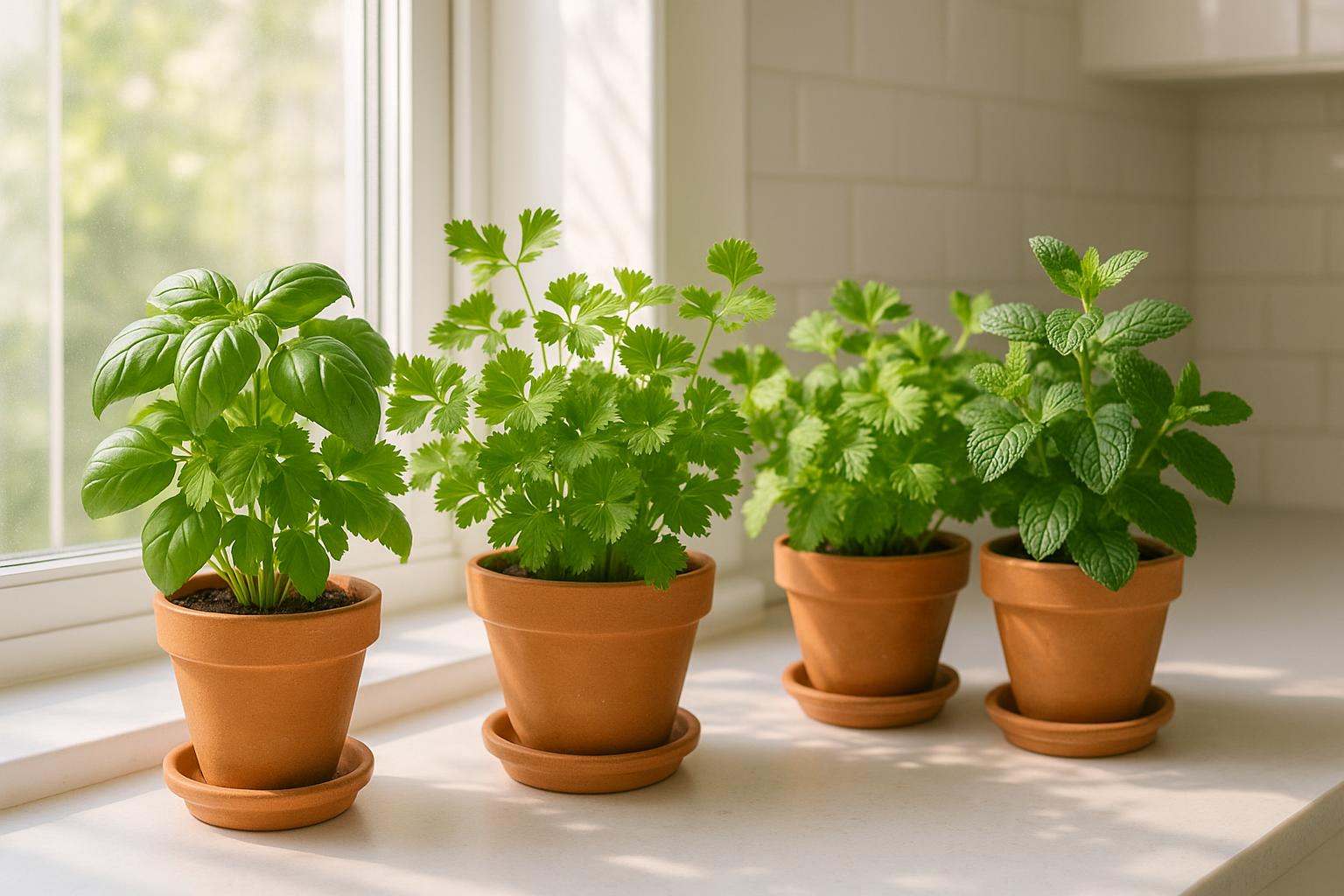
The Best Herbs to Grow Indoors Year Round: Your Ultimate Guide to a Thriving Kitchen Garden
Quick Summary: Your Year-Round Indoor Herb Harvest
Dreaming of fresh basil in December and vibrant mint in March? Growing herbs indoors year-round is not only possible but incredibly rewarding. The secret lies in selecting the right varieties and mastering a few key environmental factors. The best herbs to grow indoors year round include robust favorites like Basil, Mint, Chives, and Thyme. Success hinges on providing adequate light (often requiring a grow light), ensuring proper drainage to prevent overwatering, and understanding the unique needs of each plant—for instance, Rosemary loves humidity, while Thyme prefers it dry. By following a few simple, practical steps, you can transform a sunny windowsill or a small corner into a productive, fragrant, and beautiful indoor herb garden that supplies your kitchen with fresh flavor every single day.
H2: Why Grow Herbs Indoors Year-Round? The Urban Gardener's Advantage
For the urban gardener, or anyone with limited outdoor space, an indoor herb garden is a game-changer. It offers a continuous supply of fresh, vibrant flavors, eliminating the need for expensive, often wilted, store-bought herbs. This practice not only saves money but also significantly enhances the quality of your home cooking.
The ability to grow herbs regardless of the season is a powerful advantage. When the snow is falling outside, you can still snip fresh parsley for your soup or rosemary for your roast. Furthermore, tending to an indoor garden provides a calming, rewarding connection to nature, which is especially valuable in a busy city environment. It’s a small, manageable project that yields immediate, tangible results—a perfect fit for the modern, practical home.
H2: Selecting the Best Herbs to Grow Indoors Year Round
Choosing the right herbs is the foundational step for a successful indoor garden. While nearly any herb can be grown indoors temporarily, the best herbs to grow indoors year round are those that tolerate lower light levels and the stable, dry conditions of a typical home environment. Here is a detailed look at the top contenders, categorized by their growth habits and care needs.
H3: The Sun-Loving, High-Demand Herbs
These herbs require the most light—ideally a south-facing window or a dedicated grow light—and may be slightly fussier, but their flavor payoff is worth the extra effort.
- Basil (Ocimum basilicum): A must-have for Italian cooking, sweet basil is an annual that thrives indoors with warmth and consistent moisture. It needs at least six hours of direct light. The key to year-round success is frequent harvesting (pinching) to prevent it from flowering (bolting), which turns the leaves bitter. Basil is prone to fungal diseases, so ensure good air circulation and avoid overhead watering.
- Rosemary (Salvia rosmarinus): This woody perennial is a beautiful, fragrant addition, but it is notoriously challenging indoors. Rosemary demands sharp drainage and high humidity, which is often lacking in winter homes. A practical tip is to place its pot on a tray of moistened pebbles or even create a humidity "tent" with clear plastic and stakes to trap moisture around the plant. It also requires a lot of light, making a south-facing window essential.
- Oregano (Origanum vulgare): A drought-resistant perennial, oregano is easier than rosemary but still needs plenty of light. It is a classic for Mediterranean dishes. Like its cousin Marjoram, it benefits from a little extra humidity, which can be achieved with a pebble tray. Be sure to err on the side of more light, especially during the short winter days.
H3: The Easy-Going, Low-Maintenance Heroes
These herbs are generally more forgiving, tolerating slightly less light and making them excellent choices for beginners.
- Mint (Mentha spicata/piperita): Spearmint and peppermint are incredibly easy to grow. They prefer evenly moist soil and can tolerate a west-facing window. A major benefit of growing mint indoors is that its invasive nature is contained within the pot, preventing it from taking over your garden beds. Frequent harvesting encourages bushy growth.
- Chives (Allium schoenoprasum): With a mild onion flavor, chives are a hardy perennial that can survive in a west-facing window. They are very easy to grow and multiply over time. You can simply snip the grass-like leaves as needed. They benefit from an occasional division when the clump becomes too dense.
- Thyme (Thymus vulgaris): This herb is the opposite of Rosemary—it loves low humidity and sharp drainage. A sunny windowsill in a drier room is perfect. Thyme is drought-tolerant and easily harmed by overwatering, so let the soil dry out between waterings. It’s perfect for flavoring meats and vegetables.
- Parsley (Petroselinum crispum): The flat-leaf variety has a stronger culinary flavor than the curly type. Parsley likes evenly moist soil but still requires good drainage. It can survive in a west-facing window and needs minimal fertilization.
H3: The Specialty and Short-Term Herbs
These herbs offer unique flavors but may require specific conditions or have a shorter indoor lifespan.
- Cilantro (Coriandrum sativum): Known for its fresh, citrusy flavor, cilantro is a fast-growing herb that tends to "bolt" (flower and go to seed) quickly, especially in warm indoor temperatures. To extend its life, plant it in a deep pot to retain moisture and place it in a very bright spot with morning sun. Regular pinching is crucial to delay bolting.
- Dill (Anethum graveolens): Like cilantro, dill is fast-growing and prone to bolting. Choose a dwarf variety like ‘Fernleaf’ for container success. It needs a sunny window and evenly moist soil. Once it bolts, harvest the seeds for pickling and seasoning.
- Lemon Balm (Melissa officinalis): This herb offers a lovely citrusy flavor for teas and salads. It is susceptible to fungal diseases, so treat it with the same care as basil, ensuring good air circulation.
- Sage (Salvia officinalis): Sage has moderate moisture needs and prefers sharp drainage. Be careful not to overwater. It needs a south-facing window for optimal growth.
H2: Essential Equipment for a Year-Round Indoor Herb Garden
A successful indoor garden relies on creating the perfect micro-environment. You don't need a massive setup, but a few key pieces of equipment will make all the difference in keeping your best herbs to grow indoors year round happy and productive.
H3: Lighting Solutions
Light is the single most important factor for indoor herb success. A sunny windowsill is often not enough, especially during winter months or in northern latitudes.
- Grow Lights: Investing in supplemental lighting is highly recommended. Look for full-spectrum LED grow lights. These are energy-efficient and mimic natural sunlight, providing the necessary spectrum for photosynthesis. A simple fixture that can be positioned 6-12 inches above the plants is usually sufficient.
- Timers: To ensure your herbs receive the required 14-16 hours of light per day, use a simple electrical timer. Consistency is key to preventing leggy, weak growth.
H3: Containers and Drainage
Proper containers are vital for managing moisture and preventing root rot, the number one killer of indoor plants.
- Pots with Drainage Holes: Every single pot must have a drainage hole. Terracotta pots are excellent because they are porous and allow excess moisture to evaporate through the sides, which is ideal for herbs that prefer drier conditions like Thyme and Rosemary. Plastic pots retain moisture better, which can be beneficial for moisture-loving herbs like Mint and Basil.
- Drainage Trays: Use saucers or trays beneath your pots to catch excess water. Remember to empty these trays after about 30 minutes to prevent the roots from sitting in standing water, which leads to root rot.
H3: Soil and Nutrition
The right growing medium provides structure, aeration, and nutrients.
- Indoor Potting Mix: Use a high-quality, sterile indoor potting mix. Avoid using garden soil, which can compact too easily and introduce pests or diseases. A mix formulated for containers will ensure good aeration and drainage.
- Fertilizer: Since your herbs are in a contained environment, they will eventually deplete the soil's nutrients. Use a balanced, all-purpose liquid fertilizer at half-strength every 4-6 weeks during the active growing season (spring and summer). Reduce or stop feeding in the deep winter months when growth naturally slows down.
H2: Common Mistakes to Avoid When Growing Herbs Indoors
Even with the best herbs to grow indoors year round, mistakes can happen. Being aware of these common pitfalls will help you troubleshoot and maintain a healthy, flourishing garden.
H3: The Overwatering Trap
This is the most frequent mistake. Many gardeners assume that because plants need water, more is always better.
- The Finger Test: Never water on a schedule. Instead, use the "finger test." Stick your finger about an inch deep into the soil. If it feels dry, it's time to water. If it feels moist, wait another day or two.
- Watering Technique: Water thoroughly until you see water draining from the bottom holes. This ensures the entire root ball is moistened. Then, as mentioned, empty the saucer.
H3: Ignoring the Harvest
It may seem counterintuitive, but the more you harvest, the better your herbs will grow.
- Pinching and Pruning: Regular harvesting encourages the plant to branch out and become bushier, rather than growing tall and spindly (leggy). For herbs like Basil and Mint, pinch off the top two sets of leaves just above a node (where a leaf meets the stem). This signals the plant to grow two new stems from that point, doubling your future harvest.
- Don't Take Too Much: Never remove more than one-third of the plant's foliage at any one time.
H3: Underestimating Light Needs
A plant surviving is not the same as a plant thriving. Most herbs require significant light to produce the essential oils that give them their flavor and aroma.
- South-Facing is Best: If you rely solely on natural light, a south-facing window is mandatory for most sun-loving herbs.
- The Leggy Indicator: If your herbs are stretching dramatically toward the light source, with long, weak stems and small leaves, they are not getting enough light. This is a clear signal to move them closer to the window or introduce a grow light.
H2: Maximizing Your Harvest: Tips for Continuous Growth
To ensure your supply of the best herbs to grow indoors year round never runs out, adopt a few simple, high-yield practices.
- Succession Planting: For annuals like Basil and Cilantro, which have a limited lifespan, start new seeds every 4-6 weeks. This ensures that as one plant begins to decline or bolt, a new, young plant is ready to take its place, guaranteeing a continuous harvest.
- Propagating Cuttings: Many perennial herbs, such as Rosemary, Mint, and Sage, can be easily propagated from cuttings. Simply snip a 4-6 inch non-flowering stem, remove the lower leaves, and place the cutting in a glass of water or directly into moist potting mix. Once roots form, you have a brand new plant, free of charge.
- Pest Management: Indoor herbs can still attract pests like spider mites, aphids, and whiteflies, especially in dry winter air. Inspect your plants regularly. If you spot pests, isolate the plant immediately and treat it with a gentle solution of insecticidal soap or a strong spray of water.
H2: Conclusion: Your Fresh Herb Journey Starts Now
The journey to a year-round indoor herb garden is a rewarding one. By selecting the best herbs to grow indoors year round—the hardy Mints, the fragrant Rosemary, the productive Basil—and providing them with the right balance of light, water, and care, you are setting yourself up for culinary success. Imagine the satisfaction of reaching for a fresh sprig of Thyme or a handful of Chives, knowing you grew it yourself, right in your own home. This is the essence of urban gardening: bringing the bounty of nature into your daily life.
Ready to plan your perfect indoor garden layout, track your planting dates, and manage your watering schedule?
Start your fresh herb journey today with the Urban Grow Planner tool! It’s the perfect companion to help you organize your succession planting, set reminders for feeding, and ensure your indoor herb garden thrives all year long.
Related Articles
How To Start Urban Farming For Beginners
Ready to grow your own food? Learn how to start urban farming for beginners with this comprehensive guide on planning, small-space techniques, essential equipment, and common mistakes to avoid.
Balcony Garden Ideas For Beginners
Discover the ultimate balcony garden ideas for beginners! Learn how to maximize small spaces with vertical gardening, choose the best easy-to-grow plants, and avoid common mistakes. Start your urban oasis today!
Container Gardening For Beginners Step By Step
Start your urban garden with this step-by-step guide to container gardening for beginners. Learn about choosing pots, soil, plants, watering, and avoiding common mistakes.
How To Grow Vegetables On Apartment Balcony
Learn how to grow vegetables on apartment balcony with this ultimate guide. Get tips on sun, containers, soil, and the best compact crops for a successful urban garden.