Best Lettuce Varieties For Container Gardening
Discover the best lettuce varieties for container gardening! Learn which loose-leaf, butterhead, and romaine types thrive in pots, plus essential tips for soil, watering, and avoiding common mistakes.
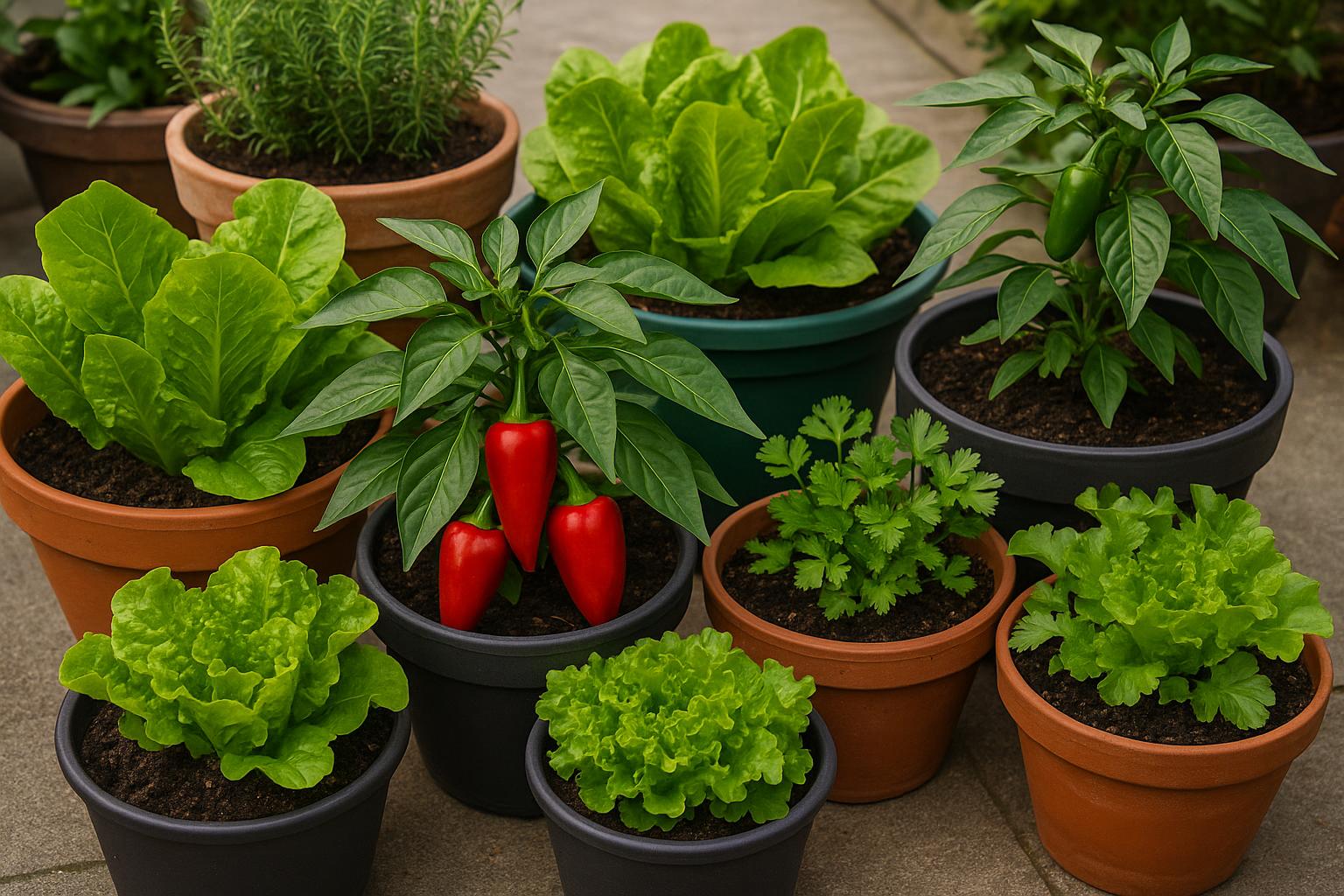
The Best Lettuce Varieties for Container Gardening: Your Guide to a Year-Round Harvest
Quick Summary: Container gardening is the perfect way to grow fresh, delicious lettuce right on your balcony, patio, or windowsill. The key to success is choosing the right varieties—like loose-leaf types for continuous harvests or butterheads for tender leaves—and avoiding common pitfalls like inconsistent watering and too much heat. With a few simple steps, you can enjoy a continuous supply of homegrown salad greens. This comprehensive guide will walk you through selecting the best lettuce varieties for container gardening, the essential gear you need, and a step-by-step growing plan to ensure your success.
The Urban Gardener's Secret Weapon: Container Lettuce
For urban gardeners and those with limited space, lettuce is an absolute dream crop. Unlike many vegetables that demand deep soil and large garden beds, lettuce has a shallow root system, making it perfectly suited for containers. This adaptability means you can grow a surprising amount of food in a small footprint.
One of the greatest advantages of growing lettuce in pots is mobility. You can easily move your containers to chase the ideal light conditions—a spot with morning sun in the spring and fall, or a shady, cooler location during the summer heat. This simple act of moving your plants is often the difference between a bitter, bolted harvest and a sweet, tender one. Furthermore, growing in containers gives you better control over the soil quality and helps to isolate your plants from ground-dwelling pests, simplifying your maintenance routine.
Selecting the Best Lettuce Varieties for Container Gardening
Choosing the right type of lettuce is the first and most crucial step toward a successful container garden. Not all lettuce is created equal, and some varieties are far more tolerant of the container environment and the "cut-and-come-again" harvesting method. The best lettuce varieties for container gardening are generally those that mature quickly and are slow to "bolt," which is when the plant sends up a flower stalk and the leaves turn bitter.
Loose-Leaf Varieties: The Cut-and-Come-Again Champions
Loose-leaf lettuces are the undisputed champions of container gardening because they allow for continuous harvesting. Instead of waiting for a full head to form, you can simply snip the outer leaves as you need them, and the plant will continue to produce new growth from the center. This method maximizes your yield and extends your harvest season significantly.
- Black-Seeded Simpson: This is a classic, fast-growing, light-green variety known for its excellent heat tolerance compared to other types. Its ruffled leaves add great texture to a salad.
- Red Salad Bowl: As the name suggests, this variety offers beautiful, deep-red, oak-shaped leaves. It is highly ornamental and provides a lovely color contrast in your container garden and on your plate.
- Oakleaf: Available in both green and red, Oakleaf varieties are named for their lobed, oak-leaf shape. They are incredibly reliable and slow to bolt, making them a staple for year-round production.
Tip for Loose-Leaf: To ensure a continuous supply, practice the "cut-and-come-again" method. Harvest only the outer leaves, leaving the inner four to six leaves intact. This allows the plant to photosynthesize and produce more leaves.
Butterhead Varieties: The Soft and Sweet Choice
Butterhead lettuces, such as 'Buttercrunch' and 'Bibb,' are famous for their soft, tender texture and sweet, mild flavor. They form loose, delicate heads that are a delight to eat. While they can be harvested as a full head, they also respond well to the cut-and-come-again method, especially in containers.
- Buttercrunch: This is arguably the most popular butterhead for home gardens. It forms a compact, rosette-like head and is known for its exceptional heat resistance, allowing it to thrive longer into the warmer months.
- Bibb (or Limestone): A smaller, very tender variety that is perfect for growing in small, individual pots. Its delicate nature makes it a gourmet choice for salads.
Tip for Butterhead: Because they form a loose head, butterheads are ideal for smaller containers, such as 6-inch pots, where you can grow one plant per container.
Romaine Varieties: The Crisp and Crunchy Staple
Romaine, or Cos, lettuce is known for its upright growth habit and crisp, crunchy texture. While traditional Romaine varieties can take up a lot of space, there are compact versions that are perfect for container growing.
- Little Gem Romaine: This is a miniature version of Romaine that is absolutely perfect for pots. It grows to only about 6 inches tall, forming a tight, sweet head. Its upright growth makes it an excellent choice for maximizing space in a crowded container garden.
Tip for Romaine: The upright growth of Little Gem makes it suitable for planting in rows in a rectangular window box or a long trough planter.
Summer Crisp (Batavia) Varieties: Bolting Resistance
For gardeners in warmer climates or those who want to extend their lettuce season into the summer, Summer Crisp varieties are the answer. They are bred to withstand higher temperatures before bolting. They start as loose leaves and then form a crunchy head.
- Content: Look for varieties like 'Nevada' or 'Mascara.' They are a great bridge between the heat-sensitive butterheads and the more resilient loose-leaf types.
| Lettuce Type | Recommended Variety for Containers | Harvest Method | Key Feature for Urban Gardening |
|---|---|---|---|
| Loose-Leaf | Black-Seeded Simpson, Red Salad Bowl | Cut-and-Come-Again | Continuous harvest, heat tolerant |
| Butterhead | Buttercrunch, Bibb | Cut-and-Come-Again or Full Head | Tender, sweet flavor, compact growth |
| Romaine (Cos) | Little Gem Romaine | Full Head | Upright growth, space-saving |
| Summer Crisp | Nevada, Mascara | Full Head | Excellent heat resistance, slow to bolt |
Product Recommendations: What You Need to Start
Successful container gardening relies on providing the right environment for your plants, and that starts with your gear. You don't need a lot of expensive equipment, but investing in the right types of containers and soil will pay off with a bountiful harvest.
Choosing the Right Container
The most important rule for any container is drainage. Your pot must have drainage holes to prevent the soil from becoming waterlogged, which is a death sentence for lettuce roots.
- Depth: While lettuce has shallow roots, a minimum depth of 6 inches is required for healthy growth. We recommend aiming for a container that is 10 to 12 inches deep and wide. This extra volume of soil helps to regulate moisture and temperature, which is crucial for keeping lettuce happy and preventing bitterness.
- Material: Fabric grow bags are an excellent choice as they provide superior aeration and drainage, preventing root rot. Plastic containers are lightweight and retain moisture well, but they can heat up quickly in direct sun. Terracotta pots look beautiful but dry out very fast, requiring more frequent watering.
Soil and Nutrients
Never use garden soil in your containers. Garden soil compacts easily in a pot, restricting root growth and drainage.
- Potting Mix: Use a high-quality, lightweight, and well-draining potting mix specifically formulated for containers. A good mix will contain peat moss, coir, or perlite to ensure aeration.
- Fertilizer: Lettuce is a "light feeder," meaning it doesn't need heavy fertilization, but it does need consistent nitrogen for lush leaf growth. You can mix a slow-release organic granular fertilizer into your potting mix at the time of planting. Alternatively, you can use a diluted liquid organic fertilizer (like a fish emulsion or seaweed extract type) every two to three weeks after the plants have established their first true leaves.
Watering Tools
Because lettuce needs consistent moisture, having the right tools for watering is essential. For sowing seeds, a fine mist sprayer or a spray bottle is ideal to avoid washing the tiny seeds away. For established plants, a small watering can with a gentle rose attachment allows you to water the soil directly without splashing the leaves, which helps prevent fungal diseases.
From Seed to Salad: A Simple Container Growing Guide
Once you have your containers and your chosen varieties of the best lettuce varieties for container gardening, it's time to get planting! Follow these simple steps for a thriving harvest.
Sowing the Seeds
Lettuce seeds are tiny and need light to germinate, so they should be sown very shallowly. Sprinkle the seeds lightly over the surface of your moistened potting mix. You can gently press them into the soil or cover them with a very thin layer (about 1/8 inch) of vermiculite or potting mix.
- Thinning is Crucial: This is where many beginners make a mistake. Once your seedlings have their first set of true leaves, you must thin them out. For loose-leaf varieties, aim for plants to be 4 to 6 inches apart. For butterheads and Romaine, aim for 6 to 8 inches apart. The seedlings you remove can actually be eaten as microgreens! Thinning ensures good air circulation and prevents competition for nutrients, leading to larger, healthier plants.
Placement and Light
Lettuce is a cool-season crop, meaning it prefers temperatures between 45°F and 75°F. The right placement is key to managing temperature.
- Sunlight: Lettuce needs about 4 to 6 hours of direct sunlight per day. Morning sun is ideal because it is less intense than the harsh afternoon sun.
- Temperature Management: In the spring and fall, place your containers in a sunny spot. As temperatures rise in late spring and summer, move your pots to a location that receives afternoon shade. This simple relocation can delay bolting by several weeks.
Watering and Maintenance
Consistent moisture is non-negotiable for sweet, tender lettuce. If the soil is allowed to dry out, the plant will become stressed, and the leaves will turn bitter. This is a critical point, as the small volume of soil in a container dries out much faster than an in-ground garden bed. On hot, sunny days, you may need to check your containers twice a day.
- Watering: Keep the soil consistently moist, like a wrung-out sponge, but never soggy. Check the soil daily by sticking your finger about an inch deep. If it feels dry, it's time to water. A good rule of thumb is to water until you see it draining from the bottom of the pot, ensuring the entire root ball is saturated.
- Water the Soil, Not the Leaves: Always water the base of the plant and the soil surface. Wet leaves, especially in the evening, can encourage fungal diseases like downy mildew.
Succession Planting: The Key to a Continuous Harvest
To truly maximize your container garden and ensure you always have fresh lettuce, you must practice succession planting. This simply means sowing small batches of seeds every 10 to 14 days, rather than planting all your seeds at once.
By staggering your planting, you ensure that your lettuce matures at different times. As one batch is ready for its final harvest, the next batch is just starting to produce leaves, eliminating the feast-or-famine cycle common in single-batch planting. For a small container garden, planting just a few seeds in a small pot every two weeks is enough to keep your salad bowl full.
Pest and Disease Prevention
Container lettuce is generally less prone to pests than in-ground gardens, but you may still encounter a few common visitors.
- Pests: Aphids and slugs are the most common culprits. For aphids, a strong jet of water from a hose can often dislodge them. For slugs, a simple beer trap or hand-picking them in the evening works well.
- Disease: Good air circulation (achieved through proper thinning) and watering the soil instead of the leaves are your best defenses against fungal diseases. If you spot an issue, an application of a horticultural oil or insecticidal soap type product can help manage the problem.
Don't Let Your Lettuce Bolt: Avoiding Common Pitfalls
Even with the best lettuce varieties for container gardening, a few simple mistakes can ruin your harvest. By being aware of these common pitfalls, you can ensure your lettuce stays sweet and crisp.
Mistake 1: Planting Too Deep
As mentioned, lettuce seeds need light to germinate. If you bury them too deeply, they will struggle to sprout or fail entirely. Always sow shallowly and cover with the barest layer of soil or vermiculite.
Mistake 2: Overcrowding
Failing to thin your seedlings is one of the fastest ways to guarantee a poor harvest. Overcrowding leads to poor air circulation, which invites disease, and intense competition for nutrients, resulting in small, stunted, and bitter plants. Be ruthless with thinning—it’s for the plant’s own good!
Mistake 3: Too Much Heat and Sun
Heat is the number one enemy of lettuce. When soil temperatures rise above 75°F, lettuce plants panic and initiate bolting, which is the process of producing a flower stalk and seeds. This is accompanied by a rush of bitter compounds in the leaves. The beauty of container gardening is that you can simply move your pots to a shadier, cooler location when the summer heat hits.
Mistake 4: Inconsistent Watering
A cycle of drying out and then soaking the soil is a major stressor for lettuce. This inconsistent watering is a primary cause of bitterness in the leaves. Maintain that "wrung-out sponge" moisture level consistently for the sweetest, most tender harvest.
Start Your Container Lettuce Journey Today
Growing your own salad greens is one of the most rewarding and accessible forms of urban gardening. By selecting the right varieties—the loose-leaf types for continuous harvests, the tender butterheads, or the compact Romaines—and following a few simple care guidelines, you can enjoy a fresh, crisp salad from your patio or balcony almost year-round. The best lettuce varieties for container gardening are waiting for you to plant them! By mastering the art of variety selection and succession planting, you can transform a small balcony or patio into a highly productive salad bar.
Ready to plan your perfect container garden layout and track your planting schedule? Use the Urban Grow Planner tool to map out your pots, set reminders for watering and feeding, and ensure you get the most out of your fresh, homegrown lettuce harvest. Happy gardening!
Related Articles
How To Start Urban Farming For Beginners
Ready to grow your own food? Learn how to start urban farming for beginners with this comprehensive guide on planning, small-space techniques, essential equipment, and common mistakes to avoid.
Balcony Garden Ideas For Beginners
Discover the ultimate balcony garden ideas for beginners! Learn how to maximize small spaces with vertical gardening, choose the best easy-to-grow plants, and avoid common mistakes. Start your urban oasis today!
Container Gardening For Beginners Step By Step
Start your urban garden with this step-by-step guide to container gardening for beginners. Learn about choosing pots, soil, plants, watering, and avoiding common mistakes.
How To Grow Vegetables On Apartment Balcony
Learn how to grow vegetables on apartment balcony with this ultimate guide. Get tips on sun, containers, soil, and the best compact crops for a successful urban garden.