Best Organic Fertilizer For Container Vegetables
Discover the best organic fertilizer for container vegetables. Learn about granular and liquid options, NPK ratios, common mistakes, and a simple feeding plan for a thriving urban garden.
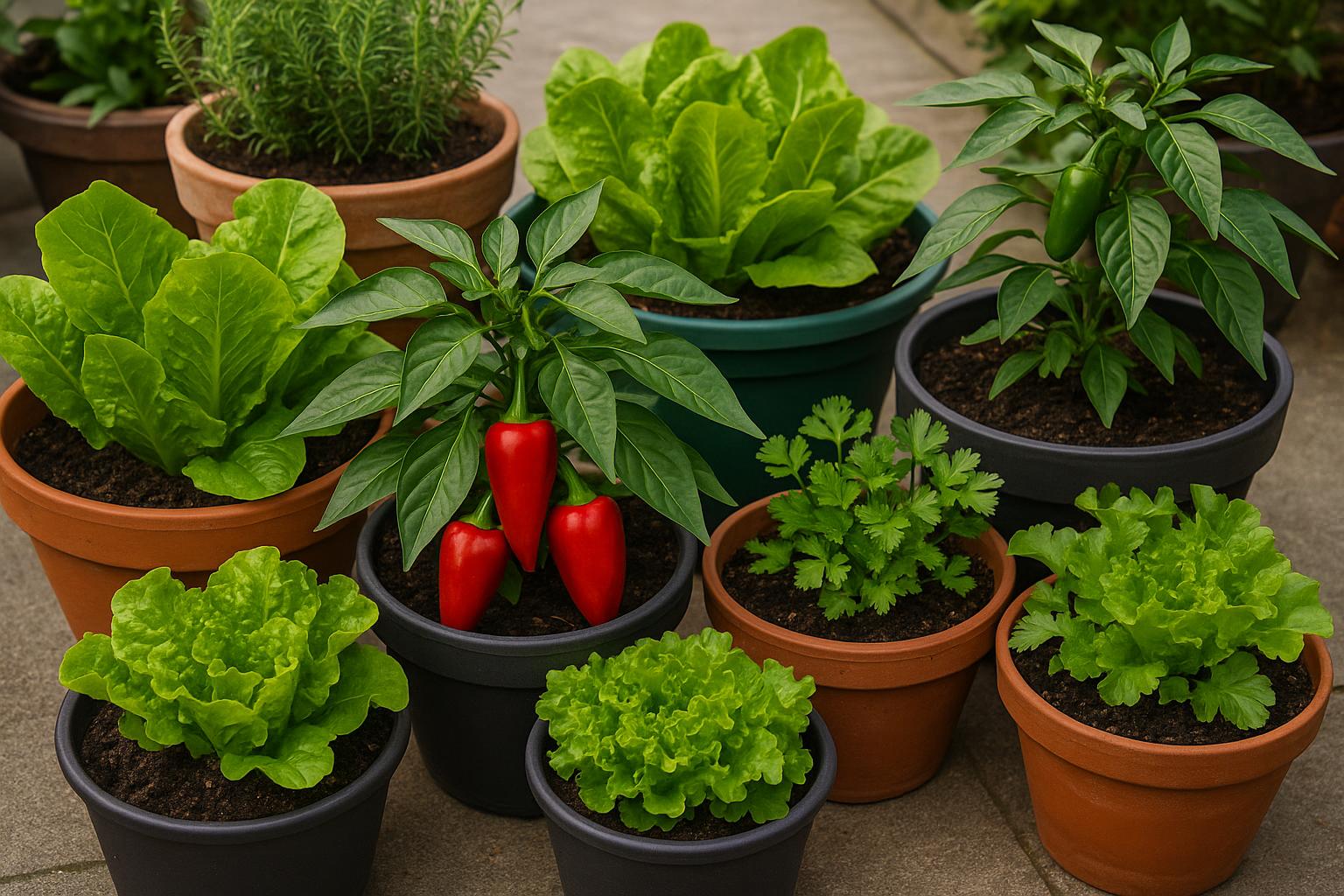
Finding the Best Organic Fertilizer for Container Vegetables: A Complete Guide
Quick Summary: Choosing the best organic fertilizer for container vegetables is crucial for a thriving urban garden. Unlike in-ground gardens, containers require a consistent, balanced feeding schedule because nutrients leach out quickly. The best approach combines slow-release granular fertilizers (like alfalfa meal or worm castings) mixed into the potting soil with regular applications of liquid fertilizers (like fish emulsion or compost tea) for immediate nutrient availability. Always prioritize a balanced NPK, pay attention to micronutrients, and avoid common mistakes like over-fertilizing or applying to dry soil.
Why Container Gardening Changes the Fertilizer Game
Container gardening presents unique nutritional challenges due to two main issues: leaching and nutrient-poor potting mix. Frequent watering washes nutrients out, requiring more frequent feeding. Most potting mixes are soil-less and contain few inherent nutrients, making your chosen fertilizer the primary food source. Selecting the best organic fertilizer for container vegetables is key to a bountiful harvest. Organic fertilizers are superior because they feed the soil's microbial life, which slowly and steadily releases nutrients, preventing the nutrient burn common with synthetic salts.
Understanding the Organic Advantage in Containers
Organic fertilizers are derived from natural sources and are a superior choice for containers:
- Slow and Steady Release: Nutrients are released as soil microorganisms break down the material. This provides a consistent food source, reducing the risk of over-fertilization and nutrient burn.
- Improved Soil Health: Fertilizers like compost and worm castings improve the potting mix structure, increasing water retention and aeration—vital for healthy root growth.
- Microbial Support: Organic fertilizers feed beneficial soil microbes, which are essential for nutrient cycling, disease suppression, and overall plant vigor in the limited container ecosystem.
The Best Organic Fertilizer Types for Container Vegetables
A combination of granular (slow-release) and liquid (fast-acting) fertilizers works best.
1. Granular (Slow-Release) Fertilizers
These are mixed into the potting mix before planting or used as a top-dressing. They provide a long-term, foundational food source.
| Fertilizer Type | Primary Nutrient (NPK Example) | Best For | Application Tip for Containers |
|---|---|---|---|
| Alfalfa Meal | Balanced (approx. 2-1-2) | All-purpose, general growth | Mix 1/4 cup per gallon of potting mix before planting. |
| Worm Castings | Balanced (approx. 1-0-0) | Soil amendment, gentle feeding | Mix up to 25% of your potting mix by volume. |
| Bone Meal | High Phosphorus (approx. 3-15-0) | Root vegetables, flowering, fruiting | Use sparingly, 1-2 tablespoons per 5-gallon container, mixed into the bottom half of the soil. |
| Blood Meal | High Nitrogen (approx. 12-0-0) | Leafy greens (lettuce, kale), early growth | Use only when needed for a nitrogen boost; 1 teaspoon per gallon of soil, top-dressed. |
Alfalfa Meal is often considered one of the most balanced and gentle granular options for containers. It contains a natural growth stimulant and breaks down slowly, providing a steady supply of nutrients without the risk of salt buildup.
2. Liquid (Fast-Acting) Fertilizers
Liquid fertilizers are crucial because they deliver nutrients directly to the roots in a form the plant can immediately absorb. They are used as a regular "feed" every 2-4 weeks during the growing season.
- Fish Emulsion: Fish Emulsion: A popular, all-purpose liquid feed (e.g., 5-1-1 NPK). It provides a quick nitrogen boost. Tip: It can be quite smelly, so apply it outdoors and water it in well.
- Liquid Seaweed/Kelp: Low in NPK but rich in micronutrients and growth regulators. It helps plants handle stress (like heat or transplant shock) and promotes overall vigor. Best used with a higher NPK fertilizer.
- Compost Tea: Liquid extract made by steeping finished compost. Its primary benefit is introducing beneficial microorganisms to the container's limited soil environment, which are vital for breaking down granular fertilizers.
Tailoring Your Fertilizer to Your Vegetable's Needs
Matching the fertilizer to the plant's specific needs and growth stage is crucial.
For Leafy Greens and Herbs (High Nitrogen)
Leafy greens and herbs (lettuce, kale, basil) prioritize leaf growth and are heavy nitrogen feeders.
- Initial Mix: Use a balanced granular fertilizer like alfalfa meal or a generous amount of worm castings.
- Maintenance: Fertilize every 2-3 weeks with a high-nitrogen liquid feed like fish emulsion (diluted according to package directions). If leaves start to yellow, a light top-dressing of blood meal can provide a quick, temporary boost.
For Fruiting Vegetables (High Phosphorus and Potassium)
Fruiting vegetables (tomatoes, peppers, squash) need more phosphorus (P) for flowering and fruit set, and potassium (K) for overall plant health and fruit quality.
- Initial Mix: Incorporate bone meal (high P) and a source of potassium like kelp meal or wood ash (if pH is not an issue) into the potting mix.
- Maintenance: Once the plant starts to flower, switch to a liquid fertilizer with a higher P and K ratio, or supplement your regular feed with liquid kelp. The key is to reduce the nitrogen slightly to encourage fruit production over excessive leaf growth.
For Root Vegetables (Balanced/Moderate N)
Root vegetables (carrots, radishes, potatoes) need a balanced approach. Too much nitrogen will result in bushy tops and tiny, forked roots.
- Initial Mix: A simple, balanced mix of worm castings and a general-purpose organic granular fertilizer is best.
- Maintenance: Fertilize less frequently than fruiting or leafy plants. Use a balanced liquid feed sparingly, perhaps once a month, focusing on maintaining steady, not explosive, growth.
The Critical Role of Micronutrients
While NPK are the "big three," container vegetables also need micronutrients like calcium, magnesium, iron, and zinc, as deficiencies are common due to leaching. The best organic fertilizer for container vegetables will naturally contain a broad spectrum of these trace elements. Liquid kelp and seaweed extract are micronutrient powerhouses and should be a regular part of your feeding regimen.
- Calcium: Essential for cell wall structure and preventing blossom end rot.
- Magnesium: Crucial for photosynthesis. Epsom salts can be a quick fix for deficiency.
Common Mistakes to Avoid When Fertilizing Containers
Application errors can sabotage your container garden. Here are the most common mistakes to avoid:
1. Applying Fertilizer to Dry Soil
NEVER apply any fertilizer to dry soil. The concentrated salts can cause severe nutrient burn.
- Tip: Always water thoroughly first. Wait an hour for the plant to rehydrate, and then apply your liquid fertilizer or top-dress your granular feed.
2. Over-Fertilizing
More is not better. Over-fertilizing is one of the fastest ways to kill a container plant, causing yellowing, browning leaf edges, and stunted growth due to excess salt buildup.
- Tip: Start with half the recommended dosage, especially for liquid feeds. Flush the container with plain water if you suspect salt buildup.
3. Relying Only on Granular Fertilizers
Granular organic fertilizers rely on a robust microbial population, which is often insufficient in a container, especially early in the season.
- Tip: Use a combination approach. Mix granular slow-release feed into the soil at planting, and then supplement with liquid, fast-acting feeds every few weeks. This ensures immediate food while the slow-release feed is processed.
4. Ignoring Soil pH
Organic fertilizers can subtly affect the soil pH. Most vegetables prefer a slightly acidic to neutral pH (6.0 to 7.0).
- Tip: Test your container soil pH every season. Adjust with dolomitic lime (if too acidic) or elemental sulfur (if too alkaline).
A Simple, High-Performance Organic Feeding Plan
Here is a recommended two-part feeding strategy:
Part 1: The Foundation (At Planting)
Create a nutrient-rich base that will feed your plants for the first 4-6 weeks.
- Potting Mix: Start with a high-quality, sterile, soil-less potting mix.
- Amendments: Mix in worm castings (up to 25% of the total volume) and a balanced, slow-release alfalfa meal or all-purpose organic granular fertilizer.
- Targeted Boost: Add a small amount of bone meal if you are planting fruiting vegetables like tomatoes or peppers.
Part 2: The Maintenance (During Growth)
Once the plant is established (about 4 weeks after planting), begin a regular liquid feeding schedule.
- Every 2 Weeks: Apply a diluted liquid feed. Alternate between a higher NPK feed (like fish emulsion) and a micronutrient-rich feed (like liquid kelp).
- Monthly: Apply a dose of compost tea to replenish and boost the beneficial microbial life in your container soil. This is especially important for breaking down the granular fertilizers you added at the start.
This dual-action approach—feeding the soil with granular amendments and the plant with liquid supplements—provides the consistent, balanced nutrition essential for a successful urban harvest. Observe your plants and adjust your feeding based on their signals. Healthy, dark green leaves and abundant flowers are your reward.
Grow Smarter, Not Harder
Use the Urban Grow Planner tool to map out your entire season, track your fertilizer applications, and optimize your yields. It’s the perfect companion for the urban gardener who wants to grow smarter, not harder.
[Link to Urban Grow Planner Tool]
Related Articles
How To Start Urban Farming For Beginners
Ready to grow your own food? Learn how to start urban farming for beginners with this comprehensive guide on planning, small-space techniques, essential equipment, and common mistakes to avoid.
Balcony Garden Ideas For Beginners
Discover the ultimate balcony garden ideas for beginners! Learn how to maximize small spaces with vertical gardening, choose the best easy-to-grow plants, and avoid common mistakes. Start your urban oasis today!
Container Gardening For Beginners Step By Step
Start your urban garden with this step-by-step guide to container gardening for beginners. Learn about choosing pots, soil, plants, watering, and avoiding common mistakes.
How To Grow Vegetables On Apartment Balcony
Learn how to grow vegetables on apartment balcony with this ultimate guide. Get tips on sun, containers, soil, and the best compact crops for a successful urban garden.