Best Plants For North Facing Balcony Garden
Discover the best plants for north facing balcony garden, including ferns, hostas, and shade-tolerant edibles. Learn essential tips for soil, watering, and avoiding common mistakes.
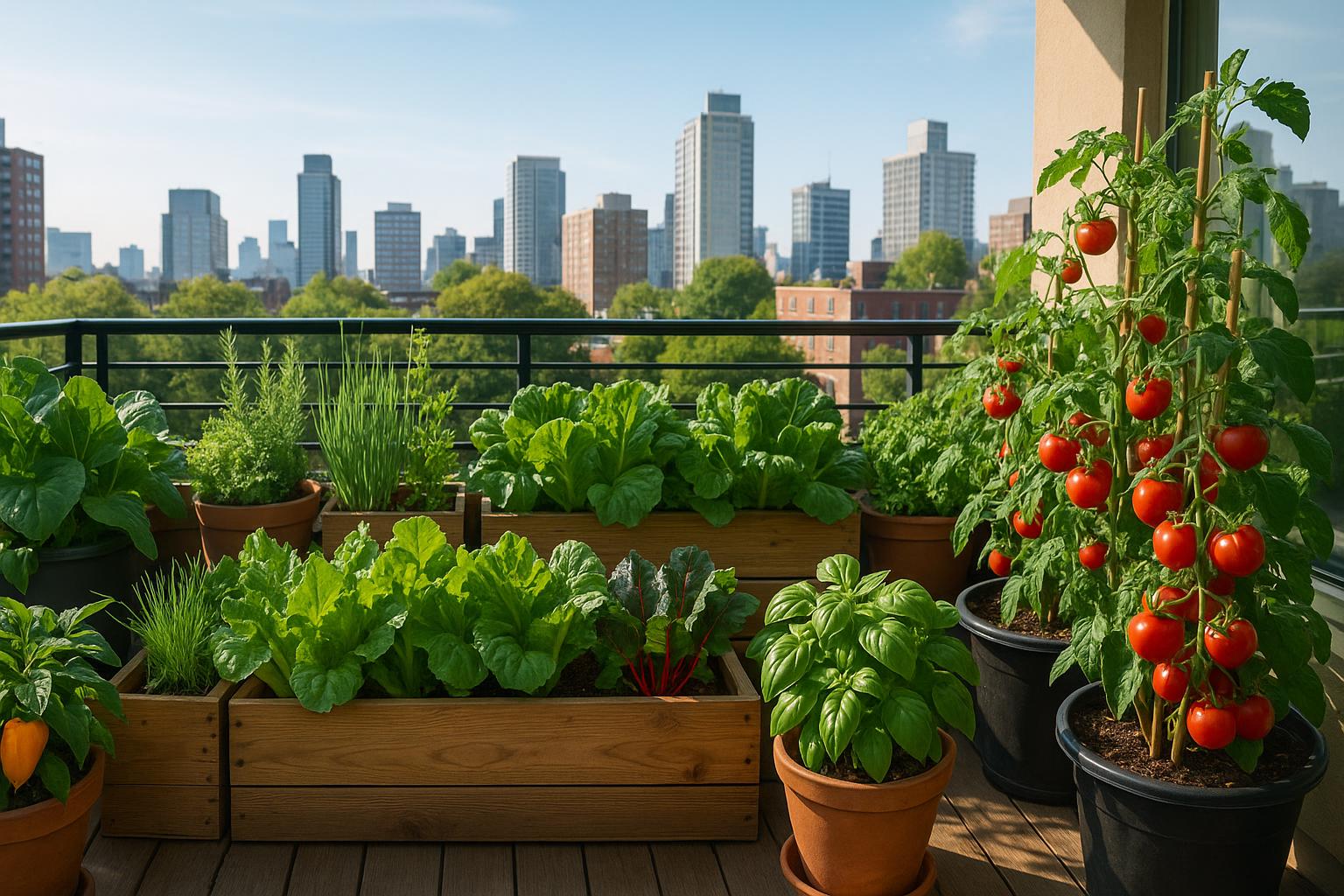
The Ultimate Guide to the Best Plants for North Facing Balcony Garden: Thriving in the Shade
Quick Summary: Don't let a lack of direct sunlight discourage your urban gardening dreams! A north-facing balcony, while shady, is a perfect microclimate for a stunning array of shade-loving plants, including lush foliage, vibrant flowers, and even some delicious edibles. The key to success is choosing the right species, using well-draining soil, and mastering a mindful watering routine. Embrace the cool, consistent environment of your north-facing space, and you'll create a serene, green oasis.
Embracing the Shade: Why Your North-Facing Balcony is a Hidden Gem
Many urban gardeners mistakenly believe that a north-facing balcony, which receives very little direct sunlight, is a gardening dead zone. In reality, this cool, consistent environment is a unique opportunity to cultivate a sophisticated, shade-tolerant garden. The light you receive is indirect, soft, and consistent, which is exactly what many beautiful and resilient plants prefer. This microclimate is less prone to the rapid drying and intense heat fluctuations that plague sunnier exposures. By selecting the best plants for north facing balcony garden, you are setting yourself up for a low-stress, high-reward gardening experience, shifting your focus from sun-worshipping annuals to the incredible diversity of shade-tolerant species.
The Top Contenders: Best Plants for North Facing Balcony Garden
The secret to a successful north-facing balcony garden lies in selecting plants that naturally thrive in low-light conditions. These plants maintain their color and vigor without stretching or becoming leggy in search of the sun.
Lush Foliage: The Foundation of Your Shady Oasis
Foliage plants are the backbone of any shade garden, offering texture, year-round interest, and a rich palette of greens. They are the most reliable choice for a north-facing exposure.
H3: Ferns: Texture and Timeless Elegance
Ferns are the quintessential shade plant, instantly lending a lush, primeval feel to any space. Their delicate fronds thrive in the cool, humid conditions often found on north-facing balconies. Excellent choices include the Boston Fern (great for hanging baskets), the delicate Maidenhair Fern (requires high humidity), and the Autumn Fern (adds coppery-red color with new growth).
H3: Hostas and Heucheras: Color and Contrast
While often grown in the ground, many varieties of Hostas and Heucheras (Coral Bells) are perfect for container gardening on a shady balcony. Hostas with blue or dark green leaves are the most shade-tolerant, creating a bold, architectural statement. Heucheras are prized for their stunning, colorful foliage, which can range from lime green to deep purple, and their compact root systems make them ideal for pots.
Vibrant Blooms: Adding Pops of Color
A north-facing balcony doesn't mean you have to sacrifice color. Several flowering plants are perfectly adapted to low-light conditions, providing bright, cheerful accents to your green backdrop.
H3: Impatiens and Begonias: Reliable Annual Color
For season-long color, annuals like Impatiens and Begonias are your best friends. They are specifically bred to flower profusely in the shade. New Guinea Impatiens offer large, vibrant flowers and robust foliage, excellent for filling out large containers. Tuberous Begonias produce spectacular, rose-like blooms and prefer the cool, moist air of a north-facing balcony. Additionally, Fuchsias, with their distinctive, dangling flowers, are perfect for hanging baskets and thrive in cool, bright shade.
H3: Perennials for Lasting Beauty
For a more permanent display, consider shade-loving perennials that return year after year. The Bleeding Heart offers unique, heart-shaped flowers in spring and early summer, preferring cool, moist soil. Certain Dwarf Hydrangea Varieties can also tolerate the bright, indirect light of a north-facing balcony, provided they are planted in a large container to accommodate their root system.
Edibles in the Shade: Growing Your Own Greens
While sun-loving vegetables are out of the question, your north-facing balcony is an ideal environment for a surprising number of cool-weather crops and herbs. The lack of intense sun prevents bolting and keeps delicate leaves from scorching.
H3: Leafy Greens and Root Vegetables
Many leafy greens require only a few hours of indirect light to thrive. Lettuce and Spinach are the easiest and most rewarding, preferring the cooler temperatures and softer light, which results in tender, sweet leaves. Kale and Swiss Chard are incredibly hardy and productive, handling even deeper shade. You can also successfully grow smaller, tender Radishes and Beets, harvesting both the roots and the edible greens.
H3: Shade-Tolerant Herbs
While most herbs prefer full sun, a few will flourish in indirect light. Mint is notoriously vigorous and will grow happily in the shade, but must be grown in its own container to prevent it from spreading. Chives and Parsley are quite shade-tolerant, with parsley benefiting from the cooler conditions that prevent its leaves from becoming tough. For a sweet surprise, Woodland Strawberries (Alpine Strawberries) are intensely flavorful and do not require the intense sun of their larger cousins.
Essential Tips for North-Facing Balcony Success
Gardening in the shade requires a slightly different approach. By adjusting your techniques, you can maximize the potential of your north-facing space.
H2: Mastering the Microclimate: Soil, Water, and Light
The three pillars of gardening—soil, water, and light—are all affected by a north-facing exposure. Understanding these differences is crucial for your plants' health.
H3: The Right Soil and Drainage
Because your balcony is cooler and water evaporates slower, your soil must be perfectly balanced to prevent root rot. Always use a high-quality, lightweight container potting mix and ensure every pot has excellent drainage holes. Consider adding a layer of coarse material, like clay pebbles, at the bottom of deep pots. Shade plants require less fertilizer; use a slow-release granular fertilizer at the start of the season and supplement with a diluted liquid feed every 4-6 weeks.
H3: Mindful Watering
Watering is the most critical difference. The cool, shady conditions mean the soil stays moist for longer, making overwatering a significant risk. Never water on a schedule; instead, use The Finger Test (stick your finger two inches deep) to check for dryness. When you do water, do so thoroughly until you see it draining from the bottom. For larger setups, a small drip irrigation system can provide consistent, measured moisture.
H3: Maximizing Available Light
Even in the shade, you can maximize the light you have. Use light-colored paint or gravel on walls and floors to reflect ambient light back onto your plants. Utilize vertical planters, shelves, and hanging baskets to bring plants closer to the open air and maximize light exposure at the edges of the balcony.
Common Mistakes to Avoid on Your North-Facing Balcony
Being aware of these common pitfalls will help you maintain a healthy and vibrant space.
H2: Pitfalls to Sidestep for a Thriving Shade Garden
H3: Mistake 1: Overwatering and Poor Drainage
A constantly soggy environment suffocates roots and leads to root rot. The Fix: Ensure all containers have drainage holes and use the finger test religiously. If you notice standing water in the saucer, dump it out. Self-watering planters with a reservoir can also help prevent the soil from becoming waterlogged.
H3: Mistake 2: Choosing the Wrong Plants
Trying to force sun-loving plants to grow in the shade will result in pale, weak, and non-flowering plants. The Fix: Stick strictly to the list of shade-tolerant plants. If a plant looks pale or is stretching dramatically toward the light, it may need to be moved to a brighter spot or supplemented with a small LED grow light.
H3: Mistake 3: Ignoring Air Circulation
Damp, still air is a breeding ground for fungal diseases like powdery mildew. The Fix: Space your containers out to allow air to flow freely around the foliage. Promptly prune away any dead or yellowing leaves. If your balcony is very enclosed, use a small, oscillating fan for a few hours a day to gently move the air.
H3: Mistake 4: Underestimating the Cold
North-facing balconies are significantly cooler and exposed to cold, drying winds. The Fix: Choose thick-walled terracotta or insulated plastic containers for better root insulation. In winter, group pots together against the warmest wall and wrap them in burlap or bubble wrap to protect them from freezing temperatures.
Conclusion: Your Shady Success Story Awaits
Your north-facing balcony is a canvas for a unique and beautiful style of urban gardening. By understanding the cool, consistent conditions and selecting the best plants for north facing balcony garden—the ferns, the hostas, the begonias, and the leafy greens—you can create a space that is both serene and productive. The key is to be mindful of your watering, ensure excellent drainage, and embrace the subtle beauty of the shade.
Now that you have the knowledge, it's time to put your plan into action.
Ready to design your perfect shady retreat?
Don't leave your garden planning to chance. Use the Urban Grow Planner tool to map out your north-facing balcony, track your plant choices, and set up customized watering and feeding schedules based on your specific microclimate. It's the essential tool for every successful urban gardener. Start planning your lush, low-light oasis today!
Related Articles
How To Start Urban Farming For Beginners
Ready to grow your own food? Learn how to start urban farming for beginners with this comprehensive guide on planning, small-space techniques, essential equipment, and common mistakes to avoid.
Balcony Garden Ideas For Beginners
Discover the ultimate balcony garden ideas for beginners! Learn how to maximize small spaces with vertical gardening, choose the best easy-to-grow plants, and avoid common mistakes. Start your urban oasis today!
Container Gardening For Beginners Step By Step
Start your urban garden with this step-by-step guide to container gardening for beginners. Learn about choosing pots, soil, plants, watering, and avoiding common mistakes.
How To Grow Vegetables On Apartment Balcony
Learn how to grow vegetables on apartment balcony with this ultimate guide. Get tips on sun, containers, soil, and the best compact crops for a successful urban garden.