Best Plants For Urban Farming Beginners
Discover the best plants for urban farming beginners! Learn which leafy greens, herbs, and compact vegetables thrive in small spaces and containers. Get essential tips for a successful city harvest.
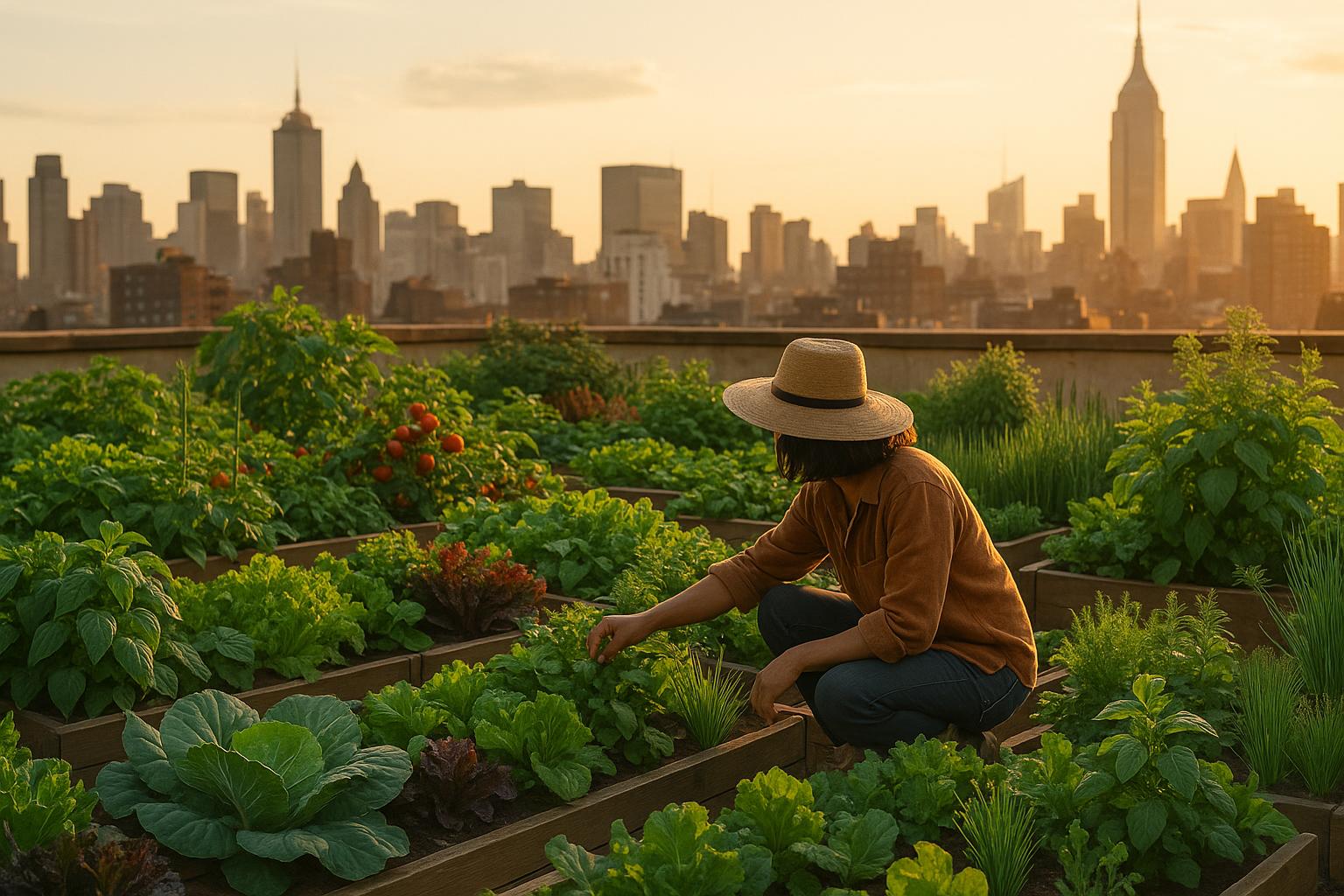
The Best Plants for Urban Farming Beginners: Your Guide to a Thriving City Harvest
Quick Summary: Starting an urban farm is an exciting journey, and choosing the right plants is the first step to success. For beginners, the best plants for urban farming beginners are those that are fast-growing, high-yielding in small spaces, and forgiving of rookie mistakes. Focus on leafy greens, herbs, and small root vegetables. This guide will walk you through the top plant choices, essential tips for container gardening, and common mistakes to avoid, ensuring your first city harvest is a bountiful one.
Your Urban Oasis Awaits: Why Start Farming in the City?
Urban farming is more than just a hobby; it's a movement toward local, sustainable, and fresh food production right where you live. Whether you have a sunny balcony, a small patio, or even just a bright windowsill, you have the potential to grow your own food. The key to a successful start is simplicity. Don't try to grow everything at once. Instead, focus on plants that thrive in containers and offer a quick, satisfying return on your effort.
This guide is specifically designed to help you select the best plants for urban farming beginners, setting you up for a rewarding experience without the steep learning curve.
Top 3 Categories of Best Plants for Urban Farming Beginners
When space is limited and you're still learning the ropes, you need plants that are resilient, productive, and don't require massive root systems. These three categories are the foundation of any successful beginner urban garden.
1. The Leafy Green Powerhouses (Quick & Continuous Harvest)
Leafy greens are arguably the easiest and most rewarding crops for a new urban farmer. They grow quickly, tolerate partial shade better than fruiting plants, and many varieties can be harvested repeatedly (cut-and-come-again method).
- Loose Leaf Lettuce: This is the ultimate beginner plant. It requires shallow containers and can be harvested in as little as 30 days. Look for varieties like 'Black Seeded Simpson' or 'Butterhead'.
- Spinach and Kale: These are cool-weather champions. They are incredibly nutritious and can handle a bit more heat than lettuce. Kale, in particular, is very hardy and can produce for months.
- Swiss Chard: With its vibrant stems, Swiss Chard is both beautiful and edible. It's more heat-tolerant than spinach and can be a consistent producer throughout the summer.
Pro Tip: Plant a small batch of seeds every two weeks. This technique, called succession planting, ensures you have a continuous supply of fresh greens rather than a massive harvest all at once.
2. The Aromatic Herb Essentials (High Value & Compact)
Herbs are a must-have for any urban garden. They take up minimal space, are expensive to buy fresh at the store, and instantly elevate any meal. They are also among the best plants for urban farming beginners because they are generally low-maintenance.
- Basil: A sun-lover that thrives in containers. Pinch off the top leaves regularly to encourage a bushy plant instead of a tall, spindly one.
- Mint: Warning: Mint is an aggressive spreader! Always grow it in its own container to prevent it from taking over your entire garden. It's perfect for teas and cocktails.
- Chives and Green Onions: These are incredibly easy to grow from seed or even from the base of store-bought green onions. You can snip the tops as needed, and they will regrow quickly.
- Parsley and Cilantro: These are best grown in slightly cooler conditions. Plant them in a spot that gets morning sun and afternoon shade to prevent them from bolting (going to seed) too quickly.
3. The Small-Space Vegetables (Satisfying & Productive)
Once you've mastered greens and herbs, you can move on to small-space vegetables. These require a bit more attention to sunlight and container size, but the reward is worth the effort.
- Radishes: The fastest vegetable you can grow. From seed to harvest in about 3-4 weeks. They need a container that is only about 6 inches deep.
- Bush Beans: Unlike pole beans, bush varieties don't need a trellis and are perfect for containers. They produce a concentrated harvest over a shorter period.
- Dwarf Tomato Varieties: Forget the massive heirloom tomatoes for now. Look for "determinate" or "dwarf" varieties specifically bred for containers, such as 'Tiny Tim' or 'Patio Princess'. They need at least a 5-gallon container.
- Carrots (Short Varieties): Choose round or short varieties like 'Paris Market' or 'Danvers Half Long'. These can grow happily in a container that is 8-10 inches deep, unlike their long-rooted cousins.
Essential Urban Farming Tips for Beginner Success
Growing in a city environment presents unique challenges, mainly limited space and reliance on containers. Following these practical tips will dramatically increase your chances of a successful harvest.
Choosing the Right Gear (Container Types & Soil)
The right equipment doesn't have to be expensive, but it does need to be functional.
- Containers: Focus on materials that offer good drainage. Fabric grow bags, terracotta pots, and repurposed 5-gallon food-grade buckets are excellent choices. Ensure every container has drainage holes—this is non-negotiable.
- Soil: Do not use garden soil from the ground. It compacts too easily in containers. Invest in a high-quality, lightweight potting mix. Because nutrients leach out quickly when watering in containers, you must amend your soil. Mix in a slow-release organic fertilizer or a nutrient-rich amendment like worm castings or compost before planting.
- Vertical Solutions: Maximize your space by thinking up. Consider vertical planters, tiered shelving, or trellises for climbing plants like cucumbers and peas. This is the secret to making a small urban space incredibly productive.
Watering and Feeding Your Container Garden
Container plants dry out much faster than in-ground gardens, making watering the most critical task for urban farmers.
- The Finger Test: Stick your finger about an inch or two into the soil. If it feels dry, it's time to water. If it's moist, wait. Never let the soil become bone-dry or waterlogged.
- Watering Technique: Water slowly until you see water draining out of the bottom holes. This ensures the entire root ball is saturated.
- Fertilizing: Since container soil loses nutrients quickly, you need to feed your plants regularly. Use a balanced, water-soluble liquid fertilizer every 2-3 weeks, or a slow-release granular fertilizer mixed into the soil at the start of the season.
Common Mistakes Urban Farming Beginners Must Avoid
Even with the best plants for urban farming beginners, a few common missteps can derail your efforts. Being aware of these pitfalls will help you avoid them entirely.
Mistake 1: Underestimating Sunlight
The biggest mistake is misjudging the amount of direct sunlight your space receives. A spot that looks bright may only get a few hours of direct sun.
- The 6-Hour Rule: Fruiting vegetables (tomatoes, peppers) need a minimum of 6-8 hours of direct sun. Leafy greens and herbs can tolerate 4-6 hours.
- Actionable Tip: Spend a day observing your space. Note down exactly when the sun hits and when it leaves. Plant accordingly. If you have less than 6 hours, stick to the leafy greens and herbs.
Mistake 2: Using the Wrong Container Size
A small pot restricts root growth, which stunts the plant and reduces your harvest. This is especially true for the more demanding crops.
- Minimum Sizes:
- Herbs/Lettuce: 6-inch diameter pot.
- Peppers/Bush Beans: 3-gallon container.
- Tomatoes/Cucumbers: 5-gallon container (or larger).
Mistake 3: Overcrowding Your Plants
It's tempting to pack as many seeds or seedlings into a small container as possible, but this leads to competition for light, water, and nutrients.
- Thinning is Crucial: When you sow seeds, they will sprout close together. You must thin them out, removing the weaker seedlings to give the strongest ones room to grow. This feels wasteful, but it is essential for a good harvest.
Mistake 4: Ignoring Pests and Diseases
In a dense urban environment, pests can find your garden quickly.
- Daily Inspection: Make it a habit to check the undersides of leaves for tiny insects (like aphids) or signs of disease. Early detection is key.
- Organic Control: Use simple, organic methods like a strong jet of water to knock off pests, or an insecticidal soap solution for more persistent problems. Avoid harsh chemicals that can harm beneficial insects and your edible produce.
Product Recommendations (Types, Not Brands)
You don't need fancy gadgets, but a few key items will make your urban farming journey much easier.
- Moisture Meter: A simple, inexpensive tool that tells you exactly how much water is in your soil. This eliminates the guesswork and prevents the most common beginner mistake: improper watering.
- Hand Trowel and Cultivator: Essential for mixing soil amendments, transplanting seedlings, and gently aerating the top layer of soil.
- Drip Irrigation Kit: For larger balcony or patio setups, a simple micro-drip system connected to a timer is a game-changer. It ensures consistent watering, which is vital for container plants, and saves you time.
- Seed Starting Trays: Starting your seeds indoors gives you a head start on the season and allows you to control the environment for delicate seedlings.
Conclusion: Start Small, Grow Big
The journey of urban farming is one of continuous learning, but by choosing the best plants for urban farming beginners—your leafy greens, herbs, and compact vegetables—you are setting yourself up for a quick and satisfying win. Don't be afraid to experiment, and remember that every gardener, no matter how experienced, has had a plant or two fail. That's just part of the process!
Ready to plan your first harvest and map out your limited space?
Take the next step in your urban farming journey by using the Urban Grow Planner tool today! It will help you visualize your space, track your planting dates, and manage your watering schedule for all your new, thriving plants.
Related Articles
How To Start Urban Farming For Beginners
Ready to grow your own food? Learn how to start urban farming for beginners with this comprehensive guide on planning, small-space techniques, essential equipment, and common mistakes to avoid.
Balcony Garden Ideas For Beginners
Discover the ultimate balcony garden ideas for beginners! Learn how to maximize small spaces with vertical gardening, choose the best easy-to-grow plants, and avoid common mistakes. Start your urban oasis today!
Container Gardening For Beginners Step By Step
Start your urban garden with this step-by-step guide to container gardening for beginners. Learn about choosing pots, soil, plants, watering, and avoiding common mistakes.
How To Grow Vegetables On Apartment Balcony
Learn how to grow vegetables on apartment balcony with this ultimate guide. Get tips on sun, containers, soil, and the best compact crops for a successful urban garden.