Best Potting Soil For Container Vegetables
Discover the best potting soil for container vegetables! Learn about essential components (coir, perlite, compost), DIY recipes, and common mistakes to avoid for a thriving urban garden.
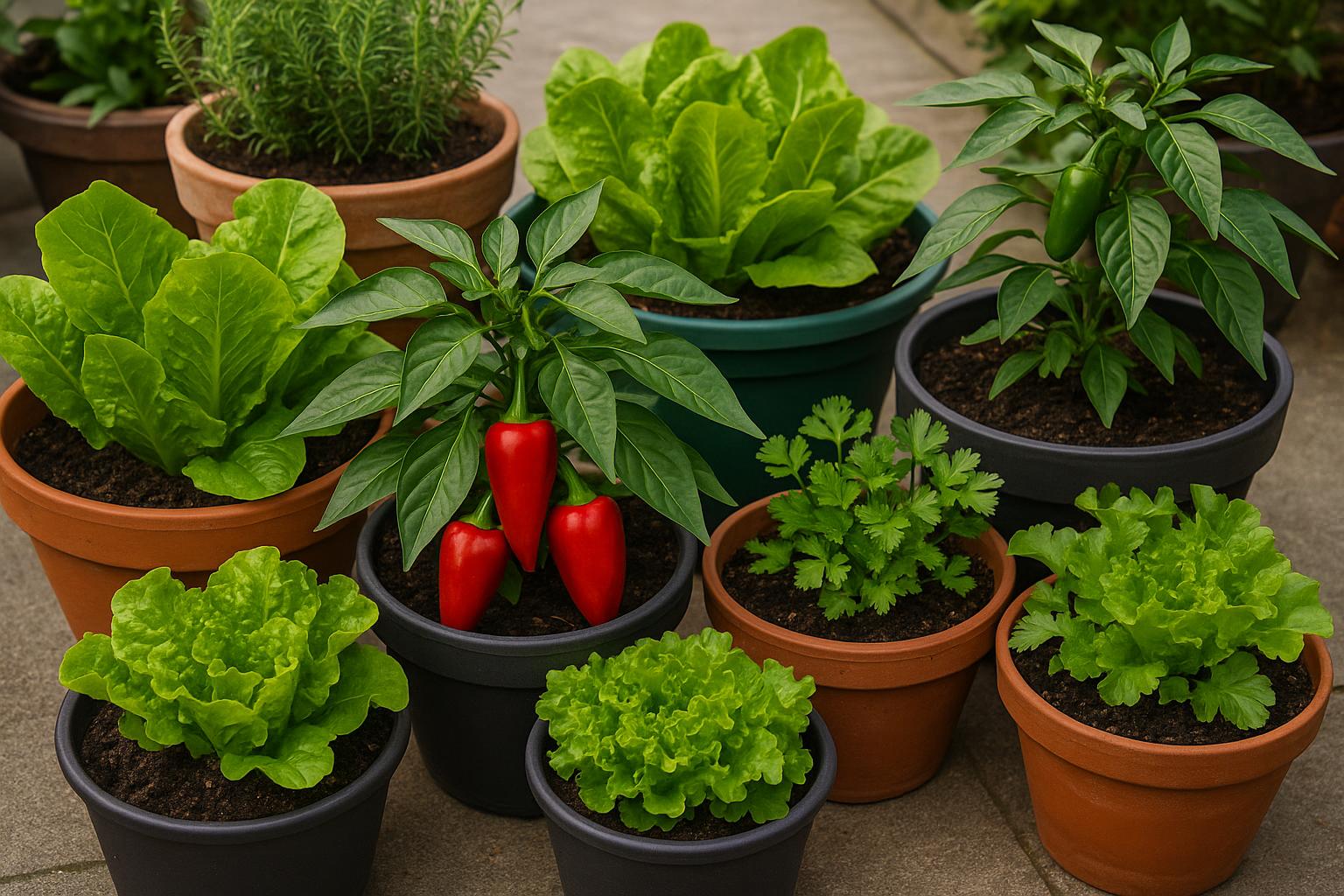
The Ultimate Guide to Finding the Best Potting Soil for Container Vegetables
Quick Summary: The secret to a thriving container vegetable garden lies in the soil. Forget garden soil—it's too heavy. The best potting soil for container vegetables is a lightweight, well-draining, yet moisture-retentive mix. Look for a blend of a base material (like peat moss or coco coir), aeration components (perlite or vermiculite), and a nutrient source (compost and slow-release fertilizer). Understanding these components and tailoring your mix to your plants' needs will ensure a bountiful harvest, even in the smallest urban space.
The dream of growing your own fresh, vibrant vegetables on a balcony, patio, or rooftop is one of the most rewarding aspects of urban gardening. But if your container garden is struggling, the problem might not be your watering schedule or the amount of sunlight—it’s often the foundation: your potting soil. Choosing the right medium is the single most critical decision you'll make for your container vegetables.
This comprehensive guide will walk you through everything you need to know to select or create the best potting soil for container vegetables, ensuring your plants have the perfect environment to flourish from seed to harvest.
Why Container Soil is Different from Garden Soil
Before we dive into the components, it’s vital to understand a fundamental rule of container gardening: Never use soil from your garden or flower beds in a container.
Garden soil, or topsoil, is designed to be part of a vast, open ecosystem. When confined to a pot, it compacts easily, becoming dense and heavy. This compaction prevents proper drainage, suffocates roots by cutting off oxygen, and turns into a solid, impenetrable block when dry.
Potting soil, on the other hand, is a "soilless" mix. It is engineered to remain light, fluffy, and porous, even when wet. This structure is what allows for the essential balance of air, water, and nutrients that container-bound roots need to survive and thrive.
The Essential Components of the Best Potting Soil for Container Vegetables
A high-quality potting mix is a blend of three main categories of ingredients, each serving a specific, crucial function. Whether you buy a commercial mix or create your own, these elements must be present.
1. The Base: Water Retention and Structure
The base material provides the bulk of the mix and is responsible for holding moisture and nutrients.
- Peat Moss: This is the traditional base for many commercial mixes. It is highly acidic, lightweight, and excellent at retaining water. If you use a peat-based mix, it will often include lime to balance the pH for vegetable growth.
- Coco Coir (Coconut Fiber): A more sustainable alternative to peat moss, coco coir is a byproduct of the coconut industry. It is pH-neutral, holds water exceptionally well, and is slower to decompose than peat, meaning it maintains its structure longer. For container vegetables, coco coir is often preferred for its stability and neutral pH.
2. Aeration: Drainage and Oxygen
Roots need to breathe. Without air pockets, they drown and rot. Aeration components ensure that excess water drains quickly and that oxygen can reach the roots.
- Perlite: These are small, white, lightweight volcanic glass pieces that have been heated until they pop, like popcorn. Perlite is non-absorbent and creates permanent air pockets in the soil, preventing compaction and improving drainage. It is a non-negotiable ingredient for container vegetable success.
- Vermiculite: A mineral that expands when heated, vermiculite is similar to perlite but has a slightly different function. While it also improves aeration, vermiculite is more absorbent and helps retain moisture and nutrients like potassium and magnesium. A mix of both perlite and vermiculite offers the best of both worlds: superior drainage and enhanced moisture retention.
3. Nutrition: Fuel for Growth
Unlike garden soil, soilless mixes start with very few nutrients. You must add them to fuel your hungry container vegetables.
- Compost: High-quality, finished compost (like worm castings or mushroom compost) is the powerhouse of your mix. It introduces beneficial microorganisms, improves water retention, and provides a slow, steady release of a wide range of nutrients. Aim for compost to make up about 20-30% of your total mix.
- Slow-Release Organic Fertilizer: Container vegetables are heavy feeders. A granular, slow-release organic fertilizer mixed into the soil at planting time provides a consistent food source for the first few months. Look for a balanced N-P-K ratio (Nitrogen-Phosphorus-Potassium) suitable for vegetables.
Choosing the Best Potting Soil for Container Vegetables: Store-Bought vs. DIY
You have two excellent options for sourcing your soil, and the best potting soil for container vegetables is often a hybrid of the two.
Option 1: High-Quality Commercial Potting Mix
For convenience, a store-bought mix is a great starting point. However, not all bags are created equal.
What to Look For:
- Labeling: The bag should explicitly state "Potting Mix" or "Container Mix." Avoid anything labeled "Topsoil," "Garden Soil," or "In-Ground Soil."
- Ingredients: Check the back of the bag for a list of ingredients. A good mix will list a combination of peat moss or coir, perlite or vermiculite, and possibly some compost or aged bark fines.
- Weight: A good mix should feel light. If the bag feels heavy and dense, it likely contains too much soil or sand, which will compact.
The Commercial Mix Hack: Even the best commercial mixes can benefit from a boost. To ensure maximum aeration and drainage, consider adding an extra 10-20% of perlite or vermiculite to your store-bought mix, especially for deep containers or moisture-sensitive plants.
Option 2: The DIY Potting Mix
Creating your own mix gives you complete control over the quality and cost. This is often the most economical and effective way to get the best potting soil for container vegetables.
A simple, highly effective recipe for a general-purpose vegetable mix is:
| Component | Ratio (by volume) | Function |
|---|---|---|
| Base (Peat Moss or Coco Coir) | 2 Parts | Water retention, structure |
| Aeration (Perlite or Vermiculite) | 1 Part | Drainage, air pockets |
| Nutrition (High-Quality Compost) | 1 Part | Nutrients, beneficial microbes |
Mix these components thoroughly in a large tub or wheelbarrow until the blend is uniform, light, and fluffy.
Tailoring Your Soil to Specific Vegetable Needs
While the general-purpose mix works for most plants, you can optimize your soil for specific types of container vegetables. The main difference lies in the balance of moisture retention and nutrient density.
Heavy Feeders (Tomatoes, Peppers, Squash, Cucumbers)
These plants grow large and produce a lot of fruit, meaning they are incredibly hungry and thirsty.
- Soil Adjustment: Increase the compost ratio to 30-40% of the total mix. You can also add a handful of a high-phosphorus and high-potassium organic amendment (like bone meal or kelp meal) to encourage flowering and fruiting.
- Fertilization: A slow-release granular fertilizer is essential at planting. Supplement this with a diluted liquid feed (e.g., fish emulsion or a balanced organic liquid fertilizer) every 7-14 days once the plants begin to flower and set fruit.
Root Vegetables (Carrots, Radishes, Beets)
These require deep, loose soil that offers no resistance to downward growth.
- Soil Adjustment: Maximize aeration. Use a higher ratio of perlite (or coarse sand) and ensure the container is deep enough for the mature root. Avoid large chunks of uncomposted material.
- Fertilization: Use a fertilizer that is lower in nitrogen (N) and higher in phosphorus (P) and potassium (K). Too much nitrogen will encourage leafy top growth at the expense of the root.
Leafy Greens and Herbs (Lettuce, Spinach, Basil)
These are relatively light feeders that prioritize leafy growth.
- Soil Adjustment: A standard mix is fine, but you can slightly increase the nitrogen-rich compost component.
- Fertilization: Focus on nitrogen-heavy liquid feeds (like a diluted compost tea or blood meal solution) to promote lush, green leaves.
| Vegetable Type | Key Soil Adjustment | Fertilization Focus |
|---|---|---|
| Heavy Feeders (Tomato, Squash) | Higher compost (30-40%), extra slow-release fertilizer. | High P & K liquid feed during fruiting. |
| Root Vegetables (Carrot, Radish) | Maximum aeration (more perlite/sand), deep container. | Low N, high P & K. |
| Leafy Greens (Lettuce, Spinach) | Standard mix, slightly more compost. | High N liquid feed for leaf growth. |
Common Mistakes to Avoid When Choosing Potting Soil
Even with the right ingredients, a few common errors can sabotage your container garden. Avoiding these pitfalls is just as important as selecting the best potting soil for container vegetables.
Mistake 1: Using Garden Soil or Topsoil
As mentioned, this is the number one mistake. Garden soil compacts, leading to poor drainage and root rot. It also often contains weed seeds, pests, and diseases that you don't want in your containers. Always use a purpose-made, soilless potting mix.
Mistake 2: Reusing Old Potting Soil Indefinitely
Potting soil breaks down over time. The organic components (peat, coir, compost) decompose, causing the mix to compact and lose its essential air pockets. Furthermore, the nutrients are depleted, and salts can build up.
- Tip: You can reuse old soil for one or two seasons, but you must revitalize it. Mix in 50% fresh potting mix, a generous amount of new perlite, and fresh compost and slow-release fertilizer before replanting.
Mistake 3: Relying Solely on the Bagged Mix
Even premium mixes are designed to be a general starting point. They rarely contain enough long-term nutrients for heavy-feeding vegetables like tomatoes or peppers. You must plan to supplement.
- Tip: Treat the potting mix as the medium and the fertilizer/compost as the food. Always amend your mix with extra compost and a slow-release fertilizer at planting time.
Mistake 4: Filling the Bottom with Drainage Material
A common myth is that adding a layer of gravel, broken pottery, or packing peanuts to the bottom of the pot improves drainage. In reality, this creates a "perched water table." Water will sit just above the layer of gravel, keeping the soil saturated and increasing the risk of root rot.
- Tip: The only thing that should be at the bottom of your container is your chosen potting mix. Proper drainage is achieved through the quality of the soil itself and the drainage holes in the container.
Mistake 5: Not Considering Container Size
The volume of soil directly impacts the health of your plant. A small container dries out rapidly, stressing the plant and requiring constant watering. This is especially true for the best potting soil for container vegetables, which is designed to drain quickly.
- Tip: Choose the largest container you can accommodate. A 5-gallon bucket (or larger) is ideal for a single tomato plant, while a 1-gallon pot is sufficient for most herbs. Larger soil volume means more stable moisture and temperature levels.
Advanced Soil Care and Maintenance
Once you have the best potting soil for container vegetables, your job isn't over. Ongoing care is essential for a successful season.
Watering Techniques
Because potting mix drains so well, it can dry out quickly, especially in hot weather.
- Check Moisture: Stick your finger two inches deep into the soil. If it feels dry, it's time to water.
- Water Deeply: Water until you see it running freely out of the drainage holes. This ensures the entire root ball is saturated.
- Avoid Overwatering: While drainage is good, constant saturation is not. Allow the top inch or two of soil to dry out between waterings.
The Importance of Mulch
Mulching the surface of your container soil is a game-changer for urban gardeners.
- What to Use: Use a thin layer of straw, shredded leaves, or wood chips.
- Benefits: Mulch reduces water evaporation from the soil surface by up to 25%, keeps the soil temperature cooler and more stable, and prevents soil from splashing onto the leaves, which can spread disease.
Mid-Season Fertilization
As your vegetables grow, they will exhaust the initial nutrients in the soil. Mid-season feeding is crucial.
- When to Feed: Start a regular feeding schedule once the plants begin to flower or produce fruit.
- What to Use: A diluted liquid fertilizer is best for mid-season feeding, as it is immediately available to the plant. Look for a balanced organic liquid feed and apply it every one to two weeks, following the product's dilution instructions.
Conclusion: Your Path to a Bountiful Harvest
Selecting the best potting soil for container vegetables is the foundation of a successful urban garden. By understanding the roles of the key components—the moisture-holding base, the aerating perlite/vermiculite, and the nutrient-rich compost—you can create an ideal, lightweight, and well-draining environment for your plants. Whether you choose a high-quality commercial mix or blend your own, remember to supplement with extra aeration and consistent feeding to meet the demands of your hungry vegetables.
Now that you're armed with the knowledge to create the perfect soil, it's time to put your plan into action! To help you organize your planting schedule, track your soil amendments, and monitor your harvest, be sure to use the Urban Grow Planner tool. It's the perfect companion for maximizing your yield in a small space. Happy gardening!
Related Articles
How To Start Urban Farming For Beginners
Ready to grow your own food? Learn how to start urban farming for beginners with this comprehensive guide on planning, small-space techniques, essential equipment, and common mistakes to avoid.
Balcony Garden Ideas For Beginners
Discover the ultimate balcony garden ideas for beginners! Learn how to maximize small spaces with vertical gardening, choose the best easy-to-grow plants, and avoid common mistakes. Start your urban oasis today!
Container Gardening For Beginners Step By Step
Start your urban garden with this step-by-step guide to container gardening for beginners. Learn about choosing pots, soil, plants, watering, and avoiding common mistakes.
How To Grow Vegetables On Apartment Balcony
Learn how to grow vegetables on apartment balcony with this ultimate guide. Get tips on sun, containers, soil, and the best compact crops for a successful urban garden.