Best Raised Bed For Small Patio
Discover how to choose the best raised bed for small patio spaces. Learn about ideal sizes, materials (steel, wood), common mistakes, and tips for a thriving urban garden.
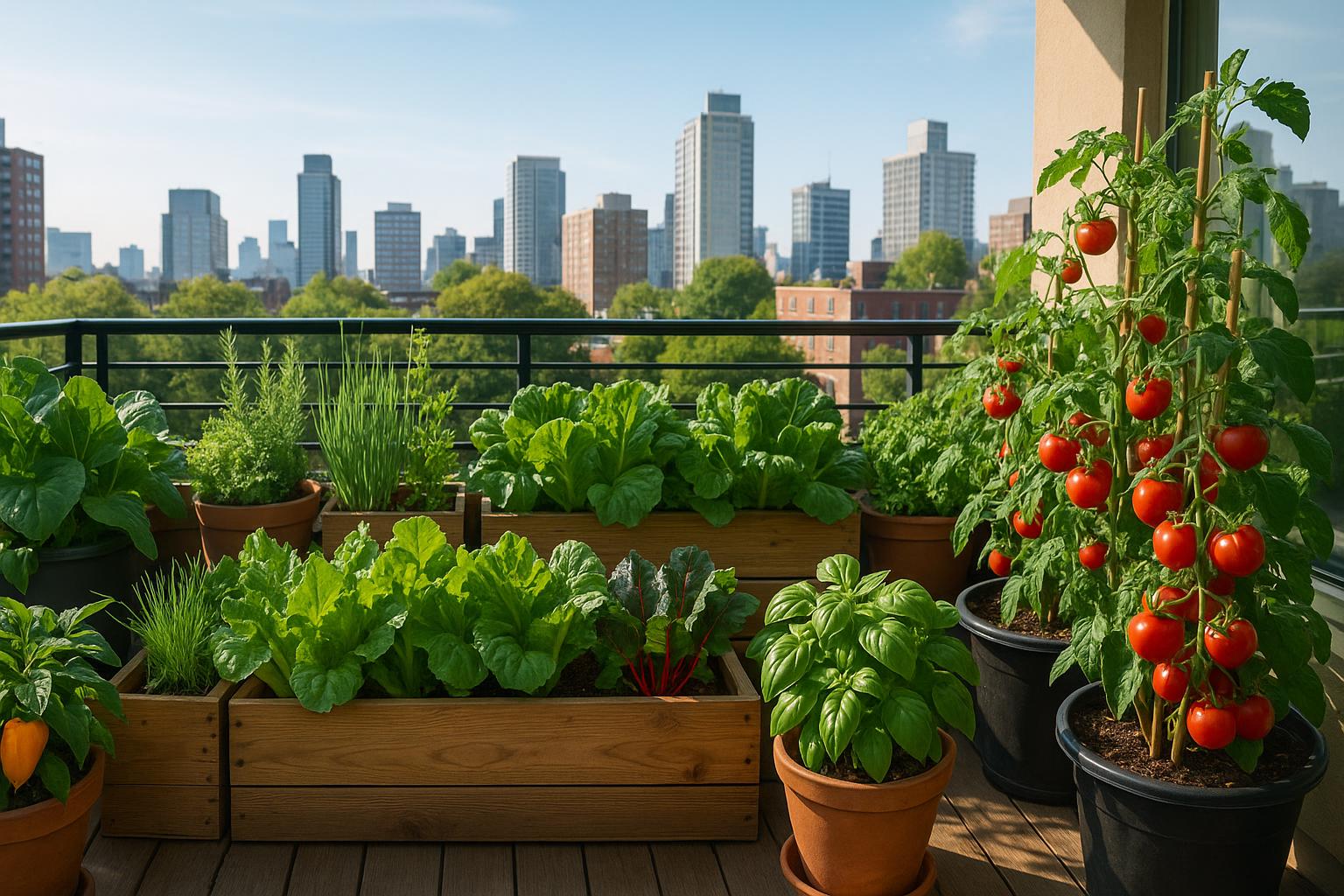
Finding the Best Raised Bed for Small Patio Spaces: Your Ultimate Urban Gardening Guide
Introduction
The dream of a thriving garden doesn't have to end where your small patio begins. Urban gardening is all about making the most of the space you have, and a raised bed is the perfect solution to transform a concrete slab into a productive, beautiful green oasis. It offers a defined, manageable growing area that gives you complete control over your soil, which is often the biggest challenge in city environments.
If you're looking to start your patio garden, the first and most crucial step is choosing the right container. The best raised bed for small patio gardening is one that perfectly balances size, material, and functionality to suit your unique space and gardening goals. It needs to be deep enough for healthy root growth, narrow enough for easy access, and durable enough to withstand the elements.
Quick Summary: Your Patio Garden Takeaway
Before we dive into the details, here is the essential advice for selecting your perfect patio raised bed. Prioritize a bed that is deep (at least 10-12 inches) and narrow (no more than 3 feet wide) to maximize root health and accessibility. Look for materials like galvanized steel or cedar for durability and consider an elevated, table-style planter if you have a very small or awkward space. Always ensure your chosen bed has excellent drainage to protect your plants and your patio surface.
Why a Raised Bed is Perfect for a Small Patio
A raised bed is more than just a container; it's a dedicated micro-ecosystem that solves many of the problems inherent in small-space and urban gardening. They offer distinct advantages over traditional pots or in-ground planting, making them the ideal choice for your patio.
Maximizing Limited Space
Raised beds allow you to garden vertically and efficiently. By building up, you can create a deep soil environment necessary for vegetables like carrots and tomatoes without needing a large footprint. Furthermore, a raised bed clearly defines your growing area, making it easier to plan and manage your limited space, often allowing for companion planting and trellising to grow even more food.
Better Growing Conditions
In a city environment, the existing soil is often compacted, contaminated, or simply non-existent. A raised bed allows you to bypass these issues entirely by filling it with a custom blend of high-quality, organic soil and compost. This control over the growing medium leads to healthier plants, better yields, and a much more satisfying gardening experience. The elevated nature of the bed also helps the soil warm up faster in the spring, extending your growing season.
Protecting Your Patio
One of the most practical benefits of a raised bed on a patio is protection. Unlike planting directly in the ground or using leaky, flimsy containers, a well-designed raised bed keeps soil and water contained. This prevents staining, erosion, and water damage to your patio or balcony surface, ensuring your outdoor living space remains clean and functional alongside your garden.
Key Considerations for Small Patio Raised Beds
When space is at a premium, every inch counts, and every feature matters. Choosing the right specifications is the difference between a struggling patch and a flourishing garden.
Size and Shape: Thinking Small and Tall
For a small patio, the dimensions of your raised bed are critical. While a standard garden bed might be 4x8 feet, that is far too large for most urban spaces. Instead, look for beds that are long and narrow, such as 2x4 feet or 2x6 feet, which can be tucked against a wall or railing.
Depth is non-negotiable. For most vegetables, herbs, and flowers, you need a minimum of 10 to 12 inches of soil depth for healthy root systems. Shallower beds will dry out quickly and restrict growth. If you plan to grow deep-rooted plants like tomatoes or peppers, aim for 18 to 24 inches of depth. Modular systems are excellent, as they allow you to start with a small configuration and add sections later if your space or ambition grows.
Material Matters: Durability and Aesthetics
The material you choose will affect the bed's longevity, cost, and how it looks on your patio. Since your raised bed will be a permanent fixture, selecting a durable, non-toxic material is essential.
| Material Type | Pros | Cons | Best For |
|---|---|---|---|
| Wood (Cedar/Redwood) | Natural look, excellent insulation, easy to DIY. | Requires maintenance, will eventually rot (even rot-resistant types), can be heavy. | Traditional aesthetics, insulating soil in hot climates. |
| Metal (Galvanized Steel) | Extremely long-lasting, modern look, thin walls maximize growing space. | Can heat up in direct sun (requires light-colored finish), higher initial cost. | Modern patios, maximum durability, long-term investment. |
| Plastic/Resin | Lightweight, affordable, easy to move, wide variety of colors. | Less durable, can become brittle over time, may leach chemicals (choose food-grade). | Renters, temporary setups, budget-conscious gardeners. |
| Fabric (Grow Bags) | Excellent drainage, air-prunes roots for healthier plants, foldable for storage. | Not aesthetically pleasing to everyone, requires more frequent watering. | Highly flexible spaces, balconies with strict weight limits. |
For the best raised bed for small patio use, galvanized steel is often a top contender due to its slim profile and longevity, which makes it a smart investment for a permanent urban garden.
Mobility and Drainage
Since patios are often multi-use spaces, mobility can be a huge asset. Raised beds with built-in wheels or casters allow you to easily move your garden to follow the sun, tuck it away for a gathering, or clean the area underneath. If your bed doesn't come with wheels, you can often add heavy-duty casters to the base of a wooden or metal bed.
Drainage is paramount. A patio surface is non-porous, meaning water has nowhere to go. Your raised bed must have adequate drainage holes to prevent the soil from becoming waterlogged, which is a death sentence for most plants. If you are using a wooden or metal bed, ensure there are sufficient gaps or holes in the base. For elevated planters, make sure the drainage holes are not directly over a main walkway, as the runoff can stain the concrete.
Types of Raised Beds for Urban Gardeners
Small spaces demand creative solutions. Beyond the classic box, several types of raised beds are specifically designed to maximize growing potential in a limited footprint.
The Classic Rectangle
The simple rectangular box remains a staple for a reason. It is the most efficient way to maximize horizontal growing space. For a small patio, a 2-foot by 4-foot bed is a great starting point. This size is large enough to grow a variety of crops but small enough to manage and fit into tight corners.
Tiered and Corner Beds
Tiered beds are an excellent way to utilize vertical space. They consist of two or three levels, allowing you to grow different plants at different heights, which is great for visual appeal and separating crops with different needs. Corner beds are specifically designed to fit into 90-degree angles, turning an otherwise wasted space into a productive garden area.
Elevated Planters (Table-Style)
For the smallest patios or for gardeners who prefer an ergonomic height, elevated planters are the answer. These are essentially raised beds on legs, bringing the growing surface up to waist height. They are perfect for small herb gardens, salad greens, or a few tomato plants. Many elevated planters also feature a shelf underneath, providing valuable storage space for tools, watering cans, and soil amendments.
Vertical Garden Systems
While not traditional raised beds, vertical systems are a powerful way to garden on a patio. These include wall-mounted pockets, stacking planters, or freestanding towers. They are best suited for shallow-rooted plants like herbs, strawberries, and leafy greens, and they free up valuable floor space for seating or movement.
Placement and Practical Tips
Once you've selected your perfect raised bed, its placement and initial setup are the next steps to ensuring a successful garden. Even the best raised bed for small patio use will fail if it's placed in the wrong spot or filled with the wrong material.
Sun Exposure is Everything
The single most important factor for a successful vegetable garden is sunlight. Most vegetables require a minimum of six to eight hours of direct sun per day. Before you commit to a spot, spend a day tracking the sun's movement across your patio. If your patio is partially shaded, you may need to choose a mobile bed or focus on shade-tolerant crops like lettuce, spinach, and root vegetables.
Soil and Filling Your Bed
Do not make the mistake of filling your raised bed with cheap topsoil or soil dug up from your yard. Raised beds require a specialized, lightweight, and nutrient-rich mix. A good formula is a blend of one-third high-quality topsoil, one-third compost, and one-third coarse vermiculite or perlite to ensure excellent drainage and aeration. This mix will provide the ideal environment for your plants to thrive.
Companion Planting for Small Spaces
In a small raised bed, you can't afford to waste space. Companion planting is the practice of growing different plants together for mutual benefit. For example, you can plant fast-growing radishes alongside slow-growing carrots, harvesting the radishes before the carrots need the space. You can also use the vertical space by planting tall crops like tomatoes and then planting shade-tolerant herbs like basil at their base.
Common Mistakes to Avoid
Even experienced gardeners can make mistakes when transitioning to a small patio raised bed. Being aware of these common pitfalls will save you time, money, and heartache.
Mistake 1: Choosing a Bed That's Too Wide
This is the most common mistake. While a wider bed seems like it offers more growing space, if you can't easily reach the middle, you will compact the soil by leaning on it, or you'll neglect the plants in the center. For a patio bed accessible from only one side (e.g., against a wall), the maximum width should be 2.5 feet. If you can access it from both sides, 4 feet is the absolute maximum.
Mistake 2: Ignoring Weight Limits
If your patio is on a balcony, roof deck, or any structure above ground level, you must consider the weight of your filled raised bed. Soil, especially when wet, is incredibly heavy. A 4x4x1 foot bed can weigh over 1,000 pounds. Always check with your building management or a structural engineer before placing large, heavy beds on an elevated structure. For these situations, fabric grow bags or lightweight plastic containers are often the safer choice.
Mistake 3: Poor Drainage
As mentioned, drainage is crucial. If your bed is sitting directly on a solid patio surface, the drainage holes can become clogged, turning your bed into a swamp. To prevent this, elevate the bed slightly using small blocks or "feet" to ensure air circulation and allow water to flow freely away. If you are using a wooden bed, a layer of landscape fabric at the bottom can help keep the soil contained while still allowing water to pass through.
Mistake 4: Skimping on Soil Quality
Your plants are entirely dependent on the soil you provide. Using poor-quality soil is a false economy that will result in poor growth and low yields. Invest in the best possible blend of compost and soil amendments. Remember, the soil in your raised bed is the foundation of your entire garden, and it will be the key factor in determining your success. Finding the best raised bed for small patio use is only half the battle; filling it correctly is the other.
Mistake 5: Overlooking the Sun's Reflection
Patios often have light-colored surfaces, which can reflect intense sunlight and heat onto your plants, essentially cooking them. If you notice your plants wilting in the afternoon, the reflected heat may be the culprit. Consider placing a small, temporary shade cloth over the bed during the hottest part of the day, or use a darker-colored mulch to absorb some of the reflected light.
Conclusion and Call to Action
Transforming your small patio into a vibrant, productive garden is an incredibly rewarding experience. By carefully considering the size, material, and placement, you can easily find the best raised bed for small patio gardening that fits your space and your style. The key is to think vertically, prioritize drainage, and invest in quality soil.
Don't let limited space limit your gardening dreams. Every urban gardener deserves the joy of harvesting their own fresh produce. Take the plunge, get your hands dirty, and watch your small space flourish.
Ready to turn your raised bed vision into a reality? Planning a garden can be overwhelming, but we've made it simple. Use the Urban Grow Planner tool to map out your new raised bed, determine the best crops for your sunlight conditions, and calculate exactly how much soil you'll need. It's the perfect way to ensure your new patio garden is a success from day one!
Related Articles
How To Start Urban Farming For Beginners
Ready to grow your own food? Learn how to start urban farming for beginners with this comprehensive guide on planning, small-space techniques, essential equipment, and common mistakes to avoid.
Balcony Garden Ideas For Beginners
Discover the ultimate balcony garden ideas for beginners! Learn how to maximize small spaces with vertical gardening, choose the best easy-to-grow plants, and avoid common mistakes. Start your urban oasis today!
Container Gardening For Beginners Step By Step
Start your urban garden with this step-by-step guide to container gardening for beginners. Learn about choosing pots, soil, plants, watering, and avoiding common mistakes.
How To Grow Vegetables On Apartment Balcony
Learn how to grow vegetables on apartment balcony with this ultimate guide. Get tips on sun, containers, soil, and the best compact crops for a successful urban garden.