Best Trellis For Balcony Tomatoes
Discover the best trellis for balcony tomatoes! Compare cages, obelisks, and wall-mounted supports. Get expert tips on installation, wind-proofing, and avoiding common mistakes for a massive urban harvest.
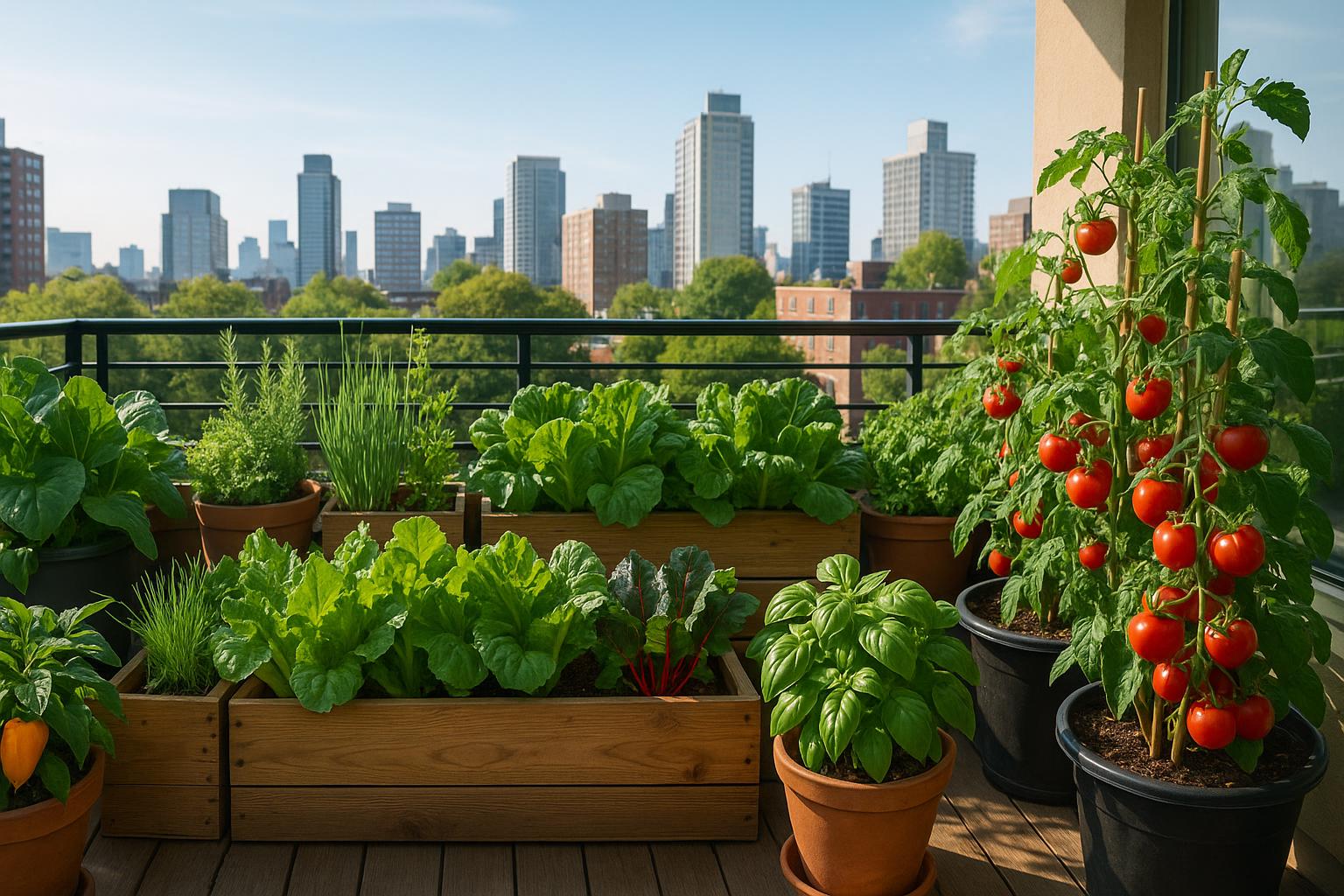
Finding the Best Trellis for Balcony Tomatoes: Your Ultimate Guide to Urban Vertical Gardening
Quick Summary: Your Balcony Tomato Trellis Checklist
Growing juicy, sun-ripened tomatoes on a balcony is incredibly rewarding, but it requires smart support. The best trellis for balcony tomatoes is one that is space-efficient, sturdy, and appropriate for your tomato variety (determinate or indeterminate). For small balconies, consider a wall-mounted trellis or a compact obelisk. For larger containers, a heavy-duty cage or a DIY stake system works well. Always anchor your support securely to prevent wind damage and ensure your plant has the vertical space it needs to thrive. This guide will walk you through the top options, installation tips, and common mistakes to avoid, helping you maximize your harvest in a small space.
The Essential Role of a Tomato Trellis in Balcony Gardening
If you’ve ever tried to grow tomatoes without support, you know the result: a sprawling, tangled mess of vines lying on the soil. This isn't just messy; it's a recipe for disaster in a small urban space. Supporting your tomato plants is not optional—it's essential for a healthy, productive harvest, especially on a balcony.
A proper trellis lifts the tomato vines and fruit off the container soil, which is critical for several reasons. First, it dramatically improves air circulation around the leaves and stems. In a humid balcony environment, this airflow is your best defense against common fungal diseases like blight and powdery mildew. Second, it ensures that all parts of the plant receive adequate sunlight, which is necessary for ripening fruit and robust growth. Finally, a vertical structure maximizes your limited balcony space, allowing you to grow more in a smaller footprint. Choosing the right support is the first step to a successful balcony tomato season.
Choosing the Right Support: Types of Trellises for Container Tomatoes
The "best" support is highly dependent on your specific situation: the size of your container, the type of tomato you are growing, and the available space on your balcony. Here is a breakdown of the most effective trellis types for container-grown tomatoes.
1. Compact Tomato Cages (Heavy-Duty)
Traditional, flimsy wire cages are often inadequate for the weight of a mature tomato plant, but heavy-duty, reinforced cages are a great option for balcony containers. Look for cages made from thick gauge wire or steel.
Pros:
- Easy to Install: Simply push the legs into the container soil.
- Self-Supporting: They require minimal tying, as the plant grows up through the rings.
- Good for Determinate Varieties: They provide excellent all-around support for bushier, determinate tomato types that stop growing at a certain height.
Cons:
- Footprint: They still take up a circular footprint, which can be inefficient on a narrow balcony.
- Storage: They can be bulky to store in the off-season.
- Indeterminate Challenge: Tall, indeterminate varieties will quickly outgrow a standard cage, requiring additional staking.
2. Obelisk or Tuteur Trellises
An obelisk is a four-sided, pyramid-shaped structure that tapers at the top. They are often decorative and add a beautiful architectural element to your balcony garden.
Pros:
- Aesthetic Appeal: They are visually pleasing and can enhance the look of your balcony.
- Space-Saving: The vertical design is excellent for small spaces, drawing the eye upward.
- Sturdy: When properly anchored, their four-point base makes them very stable.
Cons:
- Tying Required: You will need to actively train and tie the tomato vines to the structure as they grow.
- Cost: Pre-made metal or wooden obelisks can be more expensive than other options.
3. Single Stake or Pole System
This is the simplest and most traditional method, involving a single, sturdy stake (wood, metal, or bamboo) driven deep into the container soil.
Pros:
- Minimal Footprint: Takes up virtually no horizontal space, making it ideal for the smallest balconies.
- Inexpensive: Materials are cheap and widely available.
- Best for Indeterminate Varieties: Perfect for "cordon" growing, where you prune the plant to a single main stem, allowing it to grow very tall.
Cons:
- High Maintenance: Requires frequent, diligent tying of the main stem to the stake as the plant grows.
- Less Stable: A single stake can be top-heavy and prone to tipping in windy conditions, especially with a large, heavy plant.
4. Wall-Mounted or Ladder Trellises
If your balcony has a sturdy wall or railing, a wall-mounted or ladder-style trellis is an excellent space-saving solution. These are typically flat panels or vertical ladders that sit flush against a surface.
Pros:
- Maximum Space Efficiency: By utilizing vertical wall space, you keep your floor area clear.
- Excellent Stability: When securely attached to a wall or railing, they offer superior wind resistance.
- Easy Harvesting: The fruit is all presented on one plane, making picking simple.
Cons:
- Installation: Requires drilling or secure attachment to the balcony structure (check your lease/HOA rules first).
- Sunlight: Only one side of the plant receives direct sunlight, which may require rotating the container if the sun angle is poor.
| Trellis Type | Best For | Space Efficiency | Stability (Anchored) | Maintenance |
|---|---|---|---|---|
| Heavy-Duty Cage | Determinate (Bush) Tomatoes | Medium | Good | Low |
| Obelisk/Tuteur | Indeterminate (Vining) Tomatoes | High | Excellent | Medium |
| Single Stake | Indeterminate (Cordon) Tomatoes | Highest | Fair | High |
| Wall-Mounted | All Varieties (Space-Saving) | Highest | Excellent | Medium |
Essential Tips for Securing Your Balcony Trellis
The biggest challenge in balcony gardening is wind. A mature tomato plant, heavy with fruit, acts like a sail. If your trellis isn't secured, the entire container can topple, destroying your harvest and potentially causing damage. Securing the best trellis for balcony tomatoes is a two-part process: securing the trellis to the container, and securing the container to the balcony.
1. Anchor the Trellis Deeply
For any trellis that sits inside the pot (cages, stakes, obelisks), you must install it when you plant the tomato seedling. Waiting until the plant is large risks damaging the root system. Drive the support as deep as possible into the container soil. For a stake, aim for at least 12-18 inches of depth if your container allows.
2. Use Heavy Containers
The container itself is your first line of defense against tipping. Use the largest, heaviest container you can manage—a minimum of 5-gallon capacity, but 10-20 gallons is ideal for indeterminate varieties. Fill the bottom with heavy material like a layer of gravel or small stones (though this is debated, the weight helps) before adding your potting mix. Terracotta or ceramic pots are heavier than plastic, offering more stability.
3. Brace Against the Balcony Structure
This is the most critical step for wind resistance.
- Tie to the Railing: Use strong, weather-resistant rope, bungee cords, or zip ties to secure the top of your trellis (especially single stakes or obelisks) directly to the balcony railing or a nearby wall. This prevents the top-heavy plant from swaying and tipping the pot.
- Wall-Mounting: If using a wall-mounted system, ensure the anchors are rated for the full weight of a mature, wet tomato plant (which can be surprisingly heavy).
- Group Pots: Cluster your tomato pots together and place them in a corner or against a wall for mutual support and wind protection.
Product Recommendations: Materials and Accessories
When shopping for your trellis, focus on durability and functionality over brand names. The material and accessories you choose will determine the longevity and effectiveness of your support system.
Trellis Materials to Look For:
- Galvanized Steel: This is the gold standard for durability. It is rust-resistant, incredibly strong, and can support the heaviest indeterminate vines. Look for powder-coated options for an even longer lifespan.
- Thick Bamboo or Hardwood: Excellent for single stakes or DIY obelisks. Ensure the stakes are at least 1 inch thick to prevent snapping under weight.
- Plastic-Coated Wire: A good, lightweight option for smaller cages or determinate varieties. The plastic coating prevents rust and is gentler on the plant stems.
Essential Tying Accessories:
- Soft Plant Ties: Avoid thin string or wire, which can cut into the tomato stem. Use soft, stretchy materials like old nylon stockings, strips of cotton fabric, or specialized Velcro plant ties. Velcro is particularly useful as it is reusable and easily adjustable as the stem thickens.
- Tomato Clips: These are small, reusable plastic clips that snap around the stem and the trellis wire or stake. They are fast, easy to adjust, and prevent the stem from rubbing against the support.
- Twine and Jute: Natural jute twine is biodegradable and strong, perfect for training vines up an obelisk or for the "Florida Weave" technique (though the Florida Weave is more challenging in single containers).
Common Trellising Mistakes to Avoid on Your Balcony
Even with the best trellis for balcony tomatoes, small errors can lead to big problems. Urban gardeners must be extra vigilant due to the confined space and unique environmental factors.
Mistake 1: Installing the Trellis Too Late
As mentioned, the trellis must go in at planting time. If you wait until the plant is knee-high, you risk damaging the root ball when you drive the stake or cage legs into the soil. A damaged root system means a stunted plant and a smaller harvest.
Mistake 2: Using the Wrong Size Container
A tomato plant's root system is extensive. If the container is too small (e.g., less than 5 gallons), the plant will become root-bound, stressed, and unable to support the weight of a large trellis and fruit. The resulting top-heavy structure is guaranteed to tip over. Always match the container size to the expected mature size of your tomato variety.
Mistake 3: Tying the Stem Too Tightly
When securing the vine to the trellis, always leave a small loop or gap. As the tomato stem grows, it will thicken considerably. A tie that is too tight will girdle the stem, cutting off the flow of water and nutrients, which can kill the plant above the tie. Use a figure-eight method: loop the tie around the stake, twist it once, and then loop it around the stem.
Mistake 4: Ignoring Pruning
Pruning is especially important when using a single stake or an obelisk. Indeterminate tomatoes produce "suckers" (new growth shoots) in the crotch between the main stem and a leaf branch. If left unchecked, these suckers will turn into full-sized, fruit-bearing stems, creating a massive, bushy plant that overwhelms your small trellis. Pruning suckers directs the plant's energy into the main stem and fruit, making it easier to manage vertically.
Mistake 5: Underestimating the Weight
Never assume a trellis that worked for a pepper plant will work for a tomato. A mature indeterminate tomato plant can weigh 20-30 pounds, especially after a rain shower. Always choose a support system that looks like overkill—it’s better to have too much support than too little.
Matching Your Tomato Variety to the Perfect Trellis
The single most important factor in choosing the best trellis for balcony tomatoes is knowing your tomato type: determinate or indeterminate.
Determinate (Bush) Tomatoes
These varieties grow to a certain height, set their fruit all at once, and then stop growing. They are naturally bushier and more compact, making them excellent for containers.
- Best Trellis Match: Heavy-duty cages or compact, short obelisks. They provide the all-around support needed for the bushy growth habit.
Indeterminate (Vining) Tomatoes
These varieties continue to grow, flower, and set fruit until the first frost. They can easily reach 6 to 10 feet or more, making them a challenge for a balcony.
- Best Trellis Match: Tall single stakes (with diligent pruning), wall-mounted trellises, or very tall, securely anchored obelisks. These systems are designed to handle extreme vertical growth.
Final Thoughts on Your Vertical Tomato Success
Growing tomatoes on a balcony is a rewarding journey that connects you to the simple pleasure of fresh, homegrown food. By selecting the right support—the best trellis for balcony tomatoes—you are not just holding up a plant; you are investing in its health, productivity, and your own gardening success. Remember to install your support early, anchor it securely against the wind, and use soft ties to protect your growing vines.
Now that you have the knowledge to choose and install the perfect support, it's time to put your plan into action.
Ready to plan your most productive balcony garden yet?
Don't leave your harvest to chance. Use the Urban Grow Planner tool to map out your container placement, track your planting dates, and schedule your feeding and watering. It’s the perfect companion to ensure your newly trellised tomatoes thrive all season long! Get started today and enjoy the sweet taste of success.
Related Articles
How To Start Urban Farming For Beginners
Ready to grow your own food? Learn how to start urban farming for beginners with this comprehensive guide on planning, small-space techniques, essential equipment, and common mistakes to avoid.
Balcony Garden Ideas For Beginners
Discover the ultimate balcony garden ideas for beginners! Learn how to maximize small spaces with vertical gardening, choose the best easy-to-grow plants, and avoid common mistakes. Start your urban oasis today!
Container Gardening For Beginners Step By Step
Start your urban garden with this step-by-step guide to container gardening for beginners. Learn about choosing pots, soil, plants, watering, and avoiding common mistakes.
How To Grow Vegetables On Apartment Balcony
Learn how to grow vegetables on apartment balcony with this ultimate guide. Get tips on sun, containers, soil, and the best compact crops for a successful urban garden.