Best Vegetables For Balcony Container Garden
Discover the best vegetables for balcony container garden success! Learn essential tips on container size, soil, watering, and avoiding common mistakes for a thriving urban harvest.
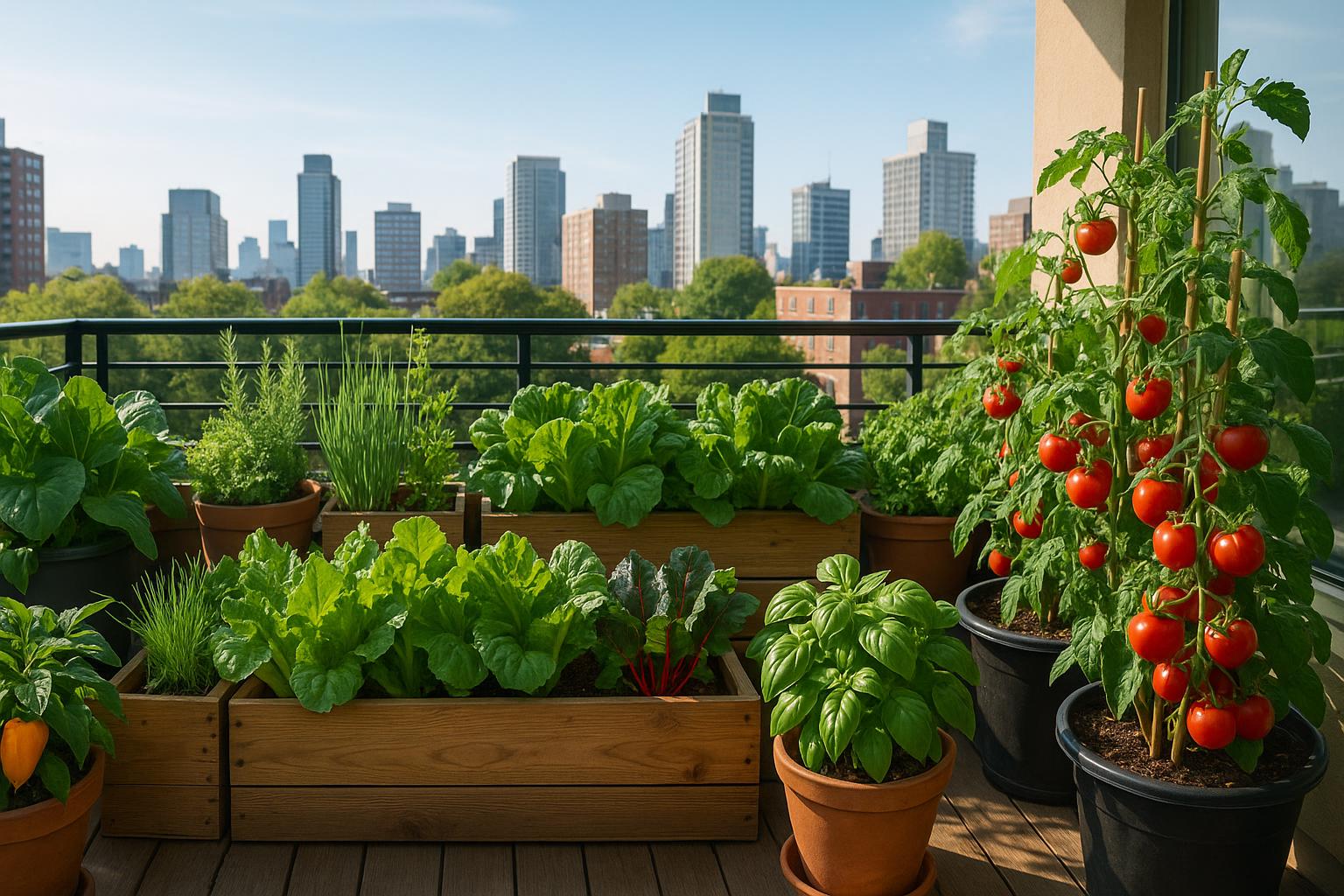
The Ultimate Guide to the Best Vegetables for Balcony Container Garden
Quick Summary
Dreaming of fresh, homegrown produce but only have a small balcony? Balcony container gardening is a rewarding and practical way to bring the farm to your urban home. Success hinges on choosing the right plants and mastering a few essential container gardening techniques. In this comprehensive guide, we'll walk you through selecting the best vegetables for balcony container garden success, from leafy greens to compact tomatoes. We'll also cover crucial tips on containers, soil, watering, and common mistakes every beginner should avoid. Get ready to transform your balcony into a thriving, edible oasis!
Why Balcony Container Gardening is Your Next Adventure
Urban living often means sacrificing yard space, but it doesn't mean giving up on the joy of gardening. Container gardening on a balcony is a powerful, accessible solution that offers numerous benefits beyond just fresh food.
The Urban Advantage
One of the greatest benefits of container gardening is its inherent portability. You can easily move your plants to chase the sun, shelter them from harsh weather, or bring them indoors. This flexibility is a massive advantage over in-ground gardening. Furthermore, growing in containers gives you a significant edge in pest and disease control. Using fresh, sterile potting mix minimizes the risk of soil-borne diseases, and the elevated nature of a balcony naturally deters many common garden pests.
Understanding Your Balcony's Microclimate
Every balcony is a unique environment, a "microclimate" that will dictate what you can successfully grow. Spend a few days observing your space to determine sunlight hours and intensity. Most fruiting vegetables need at least six hours of direct sun; shadier balconies are better suited for leafy greens and root vegetables.
Wind is a critical factor. High-rise balconies can experience strong, drying winds that can snap stems and rapidly dehydrate soil. Consider a windbreak and always use heavy, stable containers for tall plants. Finally, weight is a serious consideration. Soil, water, and containers can become extremely heavy. Always check with your building management if you plan to install a large number of heavy containers, and distribute the weight evenly, placing the heaviest pots near the building's support walls.
The Best Vegetables for Balcony Container Garden Success
Choosing the right plants is the single most important step for a successful balcony garden. You need varieties that are naturally compact, high-yielding, and tolerant of the confined root space of a container. Here are the top categories and specific varieties that thrive in a small space.
Leafy Greens: The Quick and Easy Harvest
Leafy greens are the champions of the small-space garden. They have shallow root systems, tolerate partial shade, and offer a continuous "cut-and-come-again" harvest. Varieties like 'Black Seeded Simpson' lettuce, 'Tyee' spinach, and 'Dwarf Blue Curled' kale thrive in small containers, often just a 2-gallon pot or a window box. To ensure a continuous supply, practice succession planting by sowing a small batch of seeds every two to three weeks. Plant spinach in a slightly shadier spot to prevent it from bolting in the summer heat.
Fruiting Favorites: Tomatoes, Peppers, and Eggplant
These warm-weather crops are the most rewarding, but they require the most sun and the largest containers. Always look for determinate, bush, or patio varieties, as vining types will quickly outgrow your space.
- Tomatoes: Dwarf tomatoes like 'Micro Tom,' 'Tiny Tim,' or 'Patio' are among the best vegetables for balcony container garden enthusiasts. These determinate varieties grow to a compact size and produce fruit all at once. They require a minimum of a 5-gallon container and a sturdy stake or cage installed at planting time.
- Peppers: Sweet bell peppers and hot chili peppers are excellent container candidates. They thrive in the warm soil containers provide. A 5-gallon container is ideal for a single plant, and a small cage or stake is necessary for support when they become top-heavy with fruit.
- Eggplant: Choose compact varieties such as 'Fairy Tale' or 'Bambino.' Eggplants are heavy feeders and drinkers, needing a 5-gallon container and consistent moisture to produce well.
Root Vegetables: Going Deep in Small Spaces
Growing root vegetables on a balcony is possible, provided you choose the right container depth. Radishes are the fastest-growing option, ready in as little as three weeks, and only need a container that is 6-8 inches deep. For carrots, skip the long varieties and look for round or short-rooted types like 'Paris Market' or 'Danvers Half Long.' These can be grown successfully in a container that is 10-12 inches deep, provided the potting mix is light and free of clumps.
Climbing & Bush Varieties: Maximizing Vertical Space
Vertical gardening is essential for maximizing a small balcony. Bush beans are highly productive and can be grown in a 5-gallon container, often needing only a small cage for support. For cucumbers, choose 'bush' or 'patio' varieties like 'Patio Snacker.' These dwarf cucumbers still benefit from a small trellis to keep the fruit off the ground. Both are very thirsty and will need a 5-gallon container and daily watering in hot weather.
Essential Container Gardening Tips for Your Balcony
Once you've selected the best vegetables for balcony container garden life, you need to set them up for success. The right container, the right soil, and a consistent watering routine are non-negotiable.
Choosing the Right Container
The container is the foundation of your balcony garden and must have excellent drainage. The material affects watering frequency, a crucial consideration on a sunny balcony. Terracotta pots dry out quickly. Plastic or glazed ceramic retains moisture better, making them ideal for thirsty plants. Fabric grow bags offer excellent aeration and are lightweight, perfect for root vegetables. Finally, self-watering planters are a fantastic option for busy gardeners. Always choose a container slightly larger than the minimum recommendation, as a larger soil volume buffers against rapid temperature swings and drying out.
The Magic of Potting Mix (Not Garden Soil!)
This is one of the most critical pieces of advice: Never use garden soil in a container. Garden soil is too dense, compacts easily, and prevents proper drainage. Instead, use a high-quality, lightweight potting mix. This soilless blend of materials like peat moss, coir, perlite, and vermiculite ensures the perfect balance of moisture retention and aeration. To give your plants a strong start, mix in a slow-release granular fertilizer or compost at planting time.
Watering and Feeding Your Urban Garden
Container plants are entirely dependent on you for water and nutrients. On a hot, sunny, or windy balcony, you may need to water daily. Check the soil by sticking your finger an inch or two deep; if it feels dry, water slowly and deeply until it runs out of the drainage holes. Because nutrients leach out with every watering, container plants need regular feeding. Start a routine of applying a balanced liquid fertilizer every two to four weeks. Look for an organic, all-purpose liquid feed.
Common Mistakes to Avoid for a Thriving Balcony Garden
Even with the right plant choices, a few simple errors can derail your efforts. Being aware of these common pitfalls will save you time, money, and heartbreak.
Mistake 1: Choosing Too Small a Pot
Container size is paramount. A small pot restricts root growth, stunts the plant's yield, and dries out incredibly fast. Always err on the side of a larger container; a 5-gallon container is a good minimum for most fruiting vegetables.
Mistake 2: Ignoring Drainage Holes
Root rot is the silent killer of container plants. Ensure every container has multiple drainage holes. If you use a saucer or tray underneath, make sure to empty the saucer within 30 minutes of watering. Allowing the pot to sit in standing water is the same as having no drainage at all.
Mistake 3: Using Garden Soil or Cheap Potting Mix
Dense garden soil will compact and turn into a brick in a container. Cheap potting mixes often break down quickly, losing their aeration and drainage properties mid-season. Invest in a quality, reputable potting mix for a bountiful harvest.
Mistake 4: Underestimating the Power of the Wind
Wind is a major stressor for balcony plants, damaging stems and dramatically increasing water evaporation. If your balcony is windy, choose low-growing plants, use heavy containers, and consider a temporary wind barrier. For tall plants, ensure the stake is firmly anchored in the soil and the plant is tied securely.
Mistake 5: Skipping the Support
Many container-friendly vegetables benefit from support. Tomatoes, peppers, and dwarf cucumbers will produce more and stay healthier if they are kept upright. Install a small cage, stake, or trellis when you first plant. Support keeps the fruit off the soil, reducing the risk of rot and improving air circulation.
Conclusion: Your Urban Harvest Awaits
Starting a balcony container garden is one of the most rewarding steps you can take toward a more sustainable and delicious lifestyle. By focusing on the best vegetables for balcony container garden success—compact varieties like patio tomatoes, bush beans, and leafy greens—and implementing smart container strategies, you can overcome the challenges of small-space gardening. The small scale of a balcony is the perfect place to learn and experiment. Remember that every harvest, no matter how small, is a victory.
Ready to plan your perfect balcony garden layout? Take the guesswork out of spacing and timing!
Check out our free Urban Grow Planner tool to map your space, track your planting schedule, and ensure you're maximizing every inch of your urban oasis!
Related Articles
How To Start Urban Farming For Beginners
Ready to grow your own food? Learn how to start urban farming for beginners with this comprehensive guide on planning, small-space techniques, essential equipment, and common mistakes to avoid.
Balcony Garden Ideas For Beginners
Discover the ultimate balcony garden ideas for beginners! Learn how to maximize small spaces with vertical gardening, choose the best easy-to-grow plants, and avoid common mistakes. Start your urban oasis today!
Container Gardening For Beginners Step By Step
Start your urban garden with this step-by-step guide to container gardening for beginners. Learn about choosing pots, soil, plants, watering, and avoiding common mistakes.
How To Grow Vegetables On Apartment Balcony
Learn how to grow vegetables on apartment balcony with this ultimate guide. Get tips on sun, containers, soil, and the best compact crops for a successful urban garden.