Best Vegetables To Grow In Winter Indoors
Discover the best vegetables to grow in winter indoors, including leafy greens, radishes, and carrots. Learn essential tips on lighting, soil, and avoiding common mistakes for a successful year-round harvest.
The Best Vegetables to Grow in Winter Indoors: Your Ultimate Guide to Year-Round Harvest
Quick Summary: Don't let the cold stop your gardening passion! Growing vegetables indoors during winter is a rewarding and practical way to ensure a fresh supply of greens and roots. The best vegetables to grow in winter indoors are fast-maturing, compact varieties that thrive in lower light conditions, such as leafy greens (lettuce, spinach), radishes, and carrots. Success hinges on providing adequate light (usually with a full-spectrum LED grow light), using well-draining soil, and maintaining consistent watering and temperature. Avoid common pitfalls like overwatering and insufficient light to enjoy a continuous, fresh harvest right from your kitchen.
Why Bring Your Garden Inside This Winter?
The urban gardening movement proves that a lack of outdoor space or a harsh climate doesn't have to mean the end of fresh produce. Winter offers a unique opportunity to bring your garden inside and enjoy a host of benefits.
You can ensure a year-round supply of fresh, flavorful produce, guaranteeing peak nutrition, and you can harvest what you need, when you need it.
An indoor environment is also much easier to manage than an outdoor plot, drastically reducing the risk of common garden pests and diseases.
Finally, the convenience is unbeatable: your garden is just steps away from your kitchen, making meal prep a breeze, and tending to your indoor plants is a wonderful, therapeutic way to combat the winter blues.
The Best Vegetables to Grow in Winter Indoors
When selecting what to grow, focus on plants that don't require intense sunlight or a massive root system. These compact, fast-growing varieties are perfect for a winter indoor setup.
1. Leafy Greens: The Indoor Champions
Leafy greens are the easiest and most rewarding crops for indoor winter gardening. They grow quickly, tolerate cooler indoor temperatures, and can be harvested multiple times using the "cut-and-come-again" method.
Lettuce (Loose-Leaf Varieties)
Loose-leaf varieties like 'Black Seeded Simpson' or 'Buttercrunch' are ideal. They don't need to form a tight head, which saves space and speeds up the harvest time. Sow seeds every two weeks for a constant supply, and always harvest the outer leaves first.
Spinach
Spinach is a classic cool-weather crop that handles the lower light levels of winter well. It is incredibly nutritious and versatile. Use a deep container (at least 6 inches) as spinach has a longer taproot than lettuce. Keep the soil consistently moist but avoid overwatering.
Arugula and Kale
Both arugula and kale are highly nutritious and grow quickly. Arugula adds a delightful peppery kick, while kale is a hardy green that thrives indoors. Choose dwarf or compact varieties of kale, and harvest arugula using the cut-and-come-again method.
2. Quick-Root Crops: Radishes
Radishes are one of the fastest vegetables you can grow indoors, with some varieties ready in as little as three to four weeks from seed to harvest.
Their rapid growth provides almost instant gratification, and they don't require overly deep containers. Use a container at least 6 inches deep with loose, well-draining soil.
Crucial Tip: Thin the seedlings early to give the remaining roots space to swell. Insufficient light will cause them to grow long, leafy tops but no edible root, so ensure they have plenty of light.
3. Shallow-Root Crops: Carrots (Round Varieties)
While full-sized carrots are impractical, small, round, or "baby" varieties like 'Paris Market' or 'Thumbelina' are perfect for indoor containers.
These varieties add a satisfying root vegetable to your indoor harvest and require only a medium-depth container. Carrots need loose, stone-free soil to develop properly, so sow seeds thinly and avoid transplanting.
4. Flavor Boosters: Herbs and Scallions
While not strictly vegetables, these are essential for any indoor garden and are incredibly easy to grow, providing fresh flavor right when you need it.
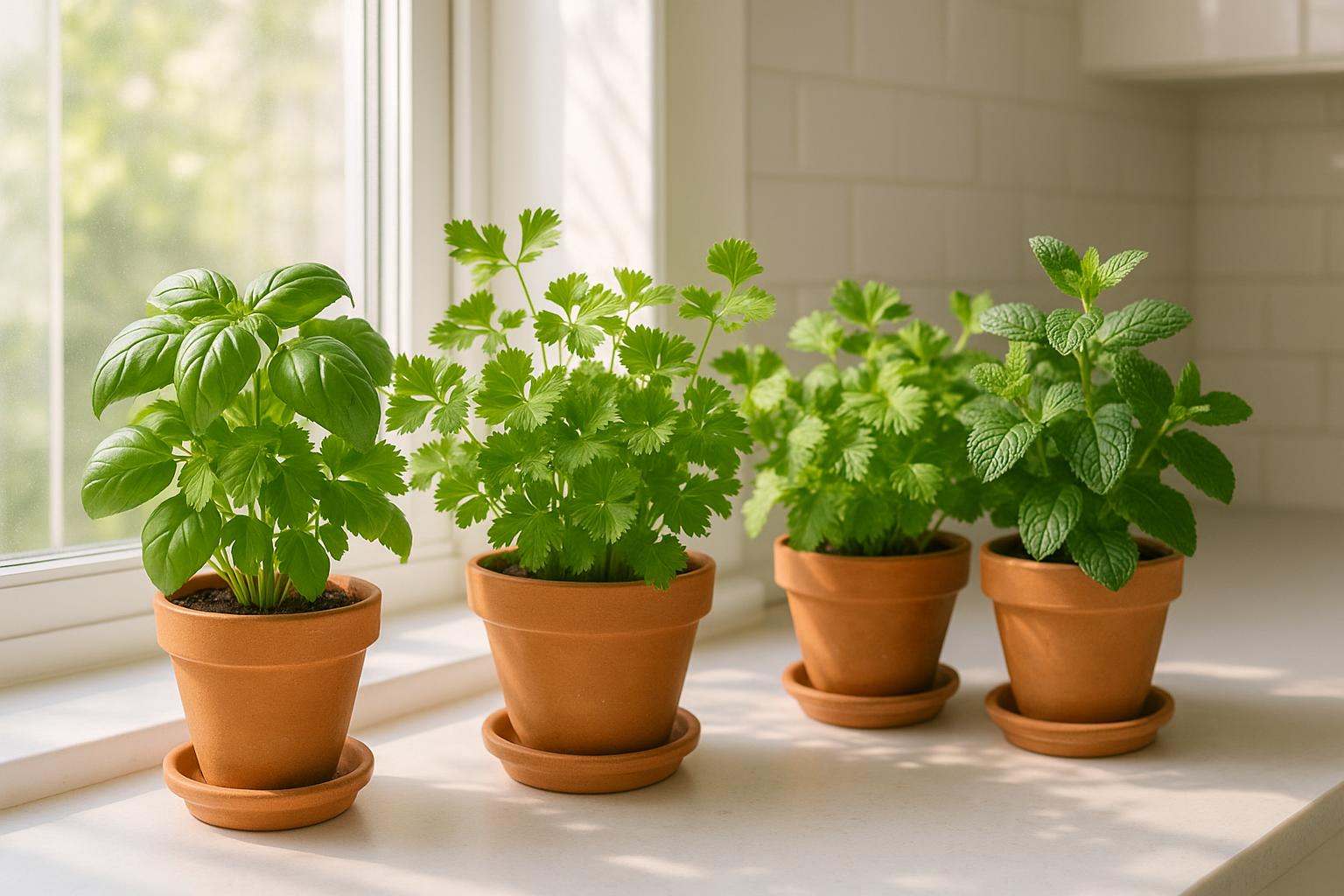
You can regrow Scallions/Green Onions indefinitely by placing the white root ends in water or soil. Basil, Mint, and Chives also thrive indoors with good light and regular harvesting.
Essential Equipment for Your Indoor Winter Garden
Successful indoor gardening is less about a green thumb and more about creating the right environment. Here is the essential gear you will need to grow the best vegetables to grow in winter indoors.
1. The Right Light Source
This is the single most critical factor for success. Natural light from a window is almost always insufficient, especially during the short, cloudy days of winter.
Recommendation: Invest in a full-spectrum LED grow light. LED lights are energy-efficient, run cool, and provide the necessary light spectrum (including blue light for vegetative growth).
Setup: Position the light fixture 6 to 12 inches above the plant canopy. Use a timer to provide 14 to 16 hours of light per day.
2. Containers and Growing Medium
Containers: Always choose containers with excellent drainage holes. For leafy greens, a shallow tray works well; for radishes and carrots, opt for pots at least 6-8 inches deep.
Growing Medium: Use a high-quality, sterile potting mix designed for containers. Avoid garden soil, which compacts easily. Adding perlite or vermiculite can significantly improve aeration and drainage.
3. Watering and Humidity Tools
Indoor air, especially with central heating, can be very dry and stress your plants.
A small watering can with a long, narrow spout allows for precise watering without disturbing the soil.
Leafy greens appreciate higher humidity. Misting the leaves daily or placing a small room humidifier near your setup can prevent leaf edges from drying out.
4. Air Circulation
Stagnant air can quickly lead to fungal issues like powdery mildew and make your plants weak and spindly.
A small, oscillating fan set on a low setting is all you need. Gently moving the air strengthens stems and drastically reduces the risk of disease.
Step-by-Step Guide to Starting Your Indoor Garden
Getting started is simple and fun. Follow these steps for a smooth launch of your winter harvest.
Step 1: Choose Your Location
Select a spot that is easily accessible and maintains a consistent temperature, ideally between 60°F and 70°F (15°C and 21°C). Avoid placing plants directly next to drafty windows or heat vents.
Step 2: Prepare Your Containers
Fill your chosen containers with the potting mix, leaving about an inch of space below the rim. Water the soil thoroughly until water drains from the bottom; this pre-moistening is important for successful seed germination.
Step 3: Sow Your Seeds
Follow the seed packet instructions for depth and spacing. Sow leafy greens thinly on the surface. For radishes and carrots, ensure proper spacing to allow the roots to develop without crowding.
Step 4: Provide Light and Water
Immediately place your containers under the grow light, setting the timer for 14-16 hours. Keep the soil consistently moist, but never soggy. Check the soil moisture by sticking your finger an inch deep; if it feels dry, it's time to water.
Step 5: Thin and Feed
Once seedlings develop their first set of true leaves, thin them out. This is absolutely crucial for root crops like radishes and carrots. After about four weeks, begin feeding them with a diluted, balanced liquid fertilizer (a general-purpose vegetable formula is fine) every two weeks.
Common Mistakes to Avoid for Indoor Success
Even experienced gardeners can make mistakes when transitioning to an indoor setup. Being aware of these pitfalls will save you time and frustration.
1. Overwatering
Overwatering is the number one killer of indoor plants, leading to root rot which starves the plant of oxygen.
The Fix: Always check the soil before watering. Ensure your containers have excellent drainage, and empty any saucers after 30 minutes to prevent the roots from sitting in standing water.
2. Insufficient Light
Relying solely on a south-facing window in winter is a recipe for leggy, weak plants that stretch and become pale as they desperately search for light.
The Fix: Use a grow light. If your plants are stretching excessively, they need more intensity or longer hours. Lower your grow light closer to the plants (while monitoring for heat) or increase the duration of light exposure.
3. Lack of Air Circulation
Poor air movement creates a humid, still environment that is a breeding ground for mold, fungus, and pests like fungus gnats.
The Fix: Use a small fan for gentle, continuous air movement. This also helps strengthen the plant stems, making them more robust and less susceptible to disease.
4. Ignoring Temperature Swings
Placing your garden too close to a drafty window or a heat vent can stress the plants, causing them to bolt or stop growing entirely.
The Fix: Aim for a stable temperature range. Most of the best vegetables to grow in winter indoors prefer the cooler side of room temperature (60-70°F).
Final Thoughts on Your Winter Harvest
Growing the best vegetables to grow in winter indoors is a journey of experimentation and discovery. Start small, focus on the basics—light, water, and soil—and you will be rewarded with a vibrant, fresh harvest that defies the season.
Ready to plan your indoor oasis?
Use the Urban Grow Planner tool to map out your space, track your planting dates, and manage your harvest schedule. It’s the perfect companion to help you maximize your yield and enjoy fresh, homegrown produce all year long!
Related Articles
How To Start Urban Farming For Beginners
Ready to grow your own food? Learn how to start urban farming for beginners with this comprehensive guide on planning, small-space techniques, essential equipment, and common mistakes to avoid.
Balcony Garden Ideas For Beginners
Discover the ultimate balcony garden ideas for beginners! Learn how to maximize small spaces with vertical gardening, choose the best easy-to-grow plants, and avoid common mistakes. Start your urban oasis today!
Container Gardening For Beginners Step By Step
Start your urban garden with this step-by-step guide to container gardening for beginners. Learn about choosing pots, soil, plants, watering, and avoiding common mistakes.
How To Grow Vegetables On Apartment Balcony
Learn how to grow vegetables on apartment balcony with this ultimate guide. Get tips on sun, containers, soil, and the best compact crops for a successful urban garden.