Best Vertical Garden Tower For Herbs
Find the best vertical garden tower for herbs! This guide covers tower types, materials, and essential tips for urban gardeners to maximize yield in small spaces.
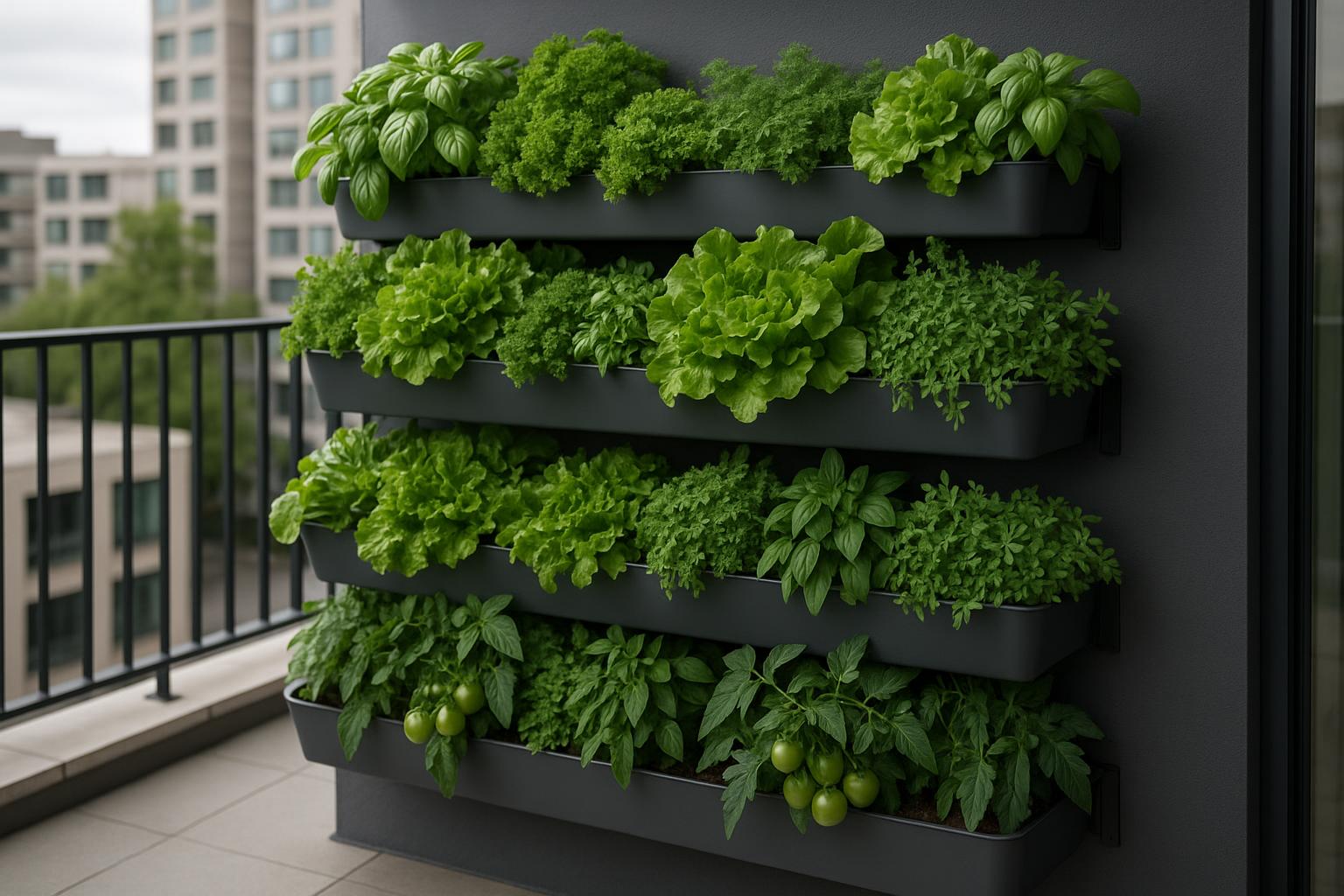
Discover the Best Vertical Garden Tower for Herbs: Your Complete Guide to Urban Harvesting
Quick Summary
Limited space shouldn't limit your love for fresh herbs. A vertical garden tower is the ultimate space-saving solution for urban gardeners, transforming small balconies, patios, or indoor corners into a productive herb oasis. These systems maximize yield in a minimal footprint. This guide will help you select the best vertical garden tower for herbs that suits your space and gardening style, ensuring you can enjoy a continuous, fresh harvest year-round.
Why a Vertical Garden Tower is a Game-Changer for Urban Herb Growers
The necessity of vertical gardening in dense urban environments is clear: it allows you to utilize height, the most underused dimension in small spaces. This simple shift from horizontal to vertical growing dramatically increases your potential yield without sacrificing valuable floor space.
Maximizing Limited Space
A vertical tower is a highly efficient structure, capable of holding dozens of plants in the footprint of a single large pot. For those with small balconies or limited patio space, this means you can grow a surprising variety and quantity of herbs. The compact design allows for placement right outside your kitchen door, offering unparalleled convenience for harvesting.
Optimal Growing Conditions
Vertical towers are often engineered to provide superior conditions for herb health. Their design naturally promotes excellent drainage and root aeration, which are crucial for preventing common issues like root rot. Furthermore, the elevated structure ensures better light exposure for all plants. Many towers can be easily rotated, allowing every herb to receive its optimal share of sunlight, leading to more vigorous growth and higher essential oil production for better flavor.
The Joy of Fresh, Accessible Herbs
The greatest reward is the immediate access to fresh ingredients. A vertical tower brings your entire herb garden up to eye level, making inspection, maintenance, and harvesting effortless. This accessibility encourages daily use of fresh herbs, elevating your cooking and providing a rewarding, sustainable hobby right in your home.
Key Factors in Choosing the Best Vertical Garden Tower for Herbs
Selecting the right tower requires balancing your space, budget, and desired maintenance level. The ideal system will seamlessly integrate into your urban lifestyle.
Tower Type and Design
The three main types of vertical systems offer distinct advantages for herb cultivation.
Stackable/Tiered Systems
These are the most common and beginner-friendly. They use traditional potting mix in rings that stack vertically. They are cost-effective and simple to set up. However, they require manual watering, and care must be taken to ensure the lower tiers receive adequate moisture, as the top layers dry out quickly.
Hydroponic/Aeroponic Systems
For maximum yield and growth speed, these high-tech systems are often considered the best vertical garden tower for herbs. They eliminate soil, circulating a nutrient-rich water solution directly to the roots. While the initial investment is higher and the setup more complex, they offer faster growth, exceptional water efficiency, and a cleaner gardening experience, making them ideal for high-production urban farming.
Pocket/Wall-Mounted Systems
These systems use fabric pockets or modular panels mounted on a wall. They are excellent for utilizing flat vertical surfaces like fences or balcony walls. They are best suited for shallow-rooted herbs but require diligent watering, as the medium in the pockets can dry out very rapidly, especially in direct sun.
Material Matters
When growing edible herbs, prioritizing food-safe materials is essential.
| Material Type | Pros | Cons | Best Use Case |
|---|---|---|---|
| Food-Grade Plastic (BPA-free) | Lightweight, durable, easy to clean, weather-resistant. | Must be certified BPA-free for food safety. | Hydroponic and stackable systems. |
| Terracotta/Ceramic | Attractive, excellent moisture wicking. | Heavy, less common for large towers. | Small, decorative herb towers. |
| Wood (Cedar/Redwood) | Rustic aesthetic, naturally rot-resistant. | Requires more maintenance, not suitable for hydroponics. | Decorative, soil-based systems. |
Capacity and Footprint
Carefully compare the plant capacity of the tower against its floor space requirement. For urban settings, a narrow, tall design is always preferred. A tower that holds 30-40 plants in a two-foot diameter is highly space-efficient. Remember to account for the mature size of your herbs; a tower's advertised capacity may be higher than the number of mature plants it can comfortably support.
Irrigation and Maintenance
Your chosen irrigation method directly impacts your daily commitment. Automated systems are a significant advantage for busy gardeners.
- Manual Watering: Requires daily attention, especially in warm weather. You must ensure water reaches all tiers evenly.
- Automated Systems: Standard for hydroponics, and often an upgrade for stackable units. A pump circulates water from a reservoir, drastically reducing daily effort. Maintenance is limited to checking water levels and nutrient balance every week or two.
Top Herb Recommendations for Your Vertical Tower
Strategic placement based on light and water needs is key to a successful vertical herb garden.
Sun-Loving Herbs (Top Tier)
These herbs require full sun and should be planted in the uppermost, brightest tiers.
- Basil: Loves warmth and sun. Plant multiple for a continuous supply.
- Rosemary and Thyme: Mediterranean herbs that prefer drier conditions. Excellent for the top, fastest-drying pockets. Avoid overwatering.
- Oregano: Hardy and thrives in bright light. Its trailing habit looks great spilling over the edges.
Shade-Tolerant Herbs (Lower Tier)
These herbs prefer slightly cooler, more consistently moist conditions and are perfect for the lower, shadier tiers.
- Mint: Its vigorous root system is contained in a tower, making it manageable. It loves consistent moisture.
- Parsley and Cilantro: Placing them lower down provides the partial shade they prefer, which helps prevent them from bolting (going to seed) quickly in intense heat.
- Chives: A resilient herb that tolerates a wide range of light, making it a great filler for any moderate-light pocket.
Common Mistakes to Avoid When Using a Vertical Garden Tower
Success in vertical gardening hinges on avoiding a few common pitfalls that are unique to these systems.
Overcrowding and Under-Watering
These are the two most frequent mistakes. Overcrowding restricts air circulation, inviting fungal diseases. Under-watering is common because vertical systems dry out rapidly. The top plants are most vulnerable. If watering manually, water slowly and thoroughly until you see drainage from the bottom to ensure all tiers are saturated.
Ignoring Sunlight Requirements
Sunlight is non-negotiable. If your tower is stationary, plant shade-tolerant herbs on the shadier side. If you have a rotating tower, turn it 90 degrees daily to ensure even growth. Uneven light leads to lopsided, stressed plants.
Using the Wrong Soil Mix
Never use heavy garden soil in a soil-based tower; it compacts easily and prevents proper drainage. Use a light, fluffy, well-draining potting mix designed for containers. For hydroponic systems, use a soilless medium like rockwool or coco coir.
Neglecting Pest and Disease Checks
The density of a vertical garden can create a pest-friendly microclimate. However, the plants are at eye level, which makes inspection easy. Make it a habit to check the undersides of leaves for pests like aphids or spider mites. Early detection allows for quick, targeted treatment, preventing a full-blown infestation.
Setting Up and Thriving with Your New Herb Tower
With your best vertical garden tower for herbs in hand, a smooth setup ensures a thriving harvest.
Step-by-Step Setup Guide
- Assembly and Placement: Assemble the tower and place it in its final location before filling, as a full tower is very heavy. Choose a spot with at least 6 hours of direct sun for most herbs.
- Filling the Medium: For soil systems, fill with light potting mix, planting your herb starts as you go. For hydroponics, fill the reservoir with water and nutrients, and place seedlings into the net pots.
- Initial Startup: Water soil-based towers thoroughly. For automated systems, ensure the pump is circulating water correctly to all levels.
- Observation: Closely monitor your plants for the first week for signs of stress, such as wilting or yellowing leaves, and adjust watering or nutrients as needed.
Practical Tips for a Bountiful Harvest
- Prune to Encourage Growth: Harvest often, but never remove more than one-third of the plant at a time. Pinching off the central stem of bushy herbs like basil encourages side branching, leading to a fuller, more productive plant.
- Fertilization is Key: Herbs in containers and hydroponic systems rely entirely on you for nutrients. Use a diluted liquid fertilizer every 2-4 weeks for soil-based towers. Maintain the nutrient solution every two weeks for hydroponic systems.
- Rotate for Evenness: If your tower doesn't rotate automatically, turn it regularly. This simple act ensures all sides receive equal light, resulting in uniformly healthy plants.
Conclusion: Start Growing Your Own Herb Paradise
Choosing the best vertical garden tower for herbs is the start of a rewarding journey. You are investing in a sustainable, space-saving way to bring fresh flavor and beauty into your urban life. The convenience of having a vibrant, productive herb garden just steps away is unparalleled, transforming even the smallest space into a culinary powerhouse.
Ready to plan your perfect urban herb garden? Use the Urban Grow Planner tool to map out your space, choose your herbs, and track your progress! Happy growing!
Related Articles
How To Start Urban Farming For Beginners
Ready to grow your own food? Learn how to start urban farming for beginners with this comprehensive guide on planning, small-space techniques, essential equipment, and common mistakes to avoid.
Balcony Garden Ideas For Beginners
Discover the ultimate balcony garden ideas for beginners! Learn how to maximize small spaces with vertical gardening, choose the best easy-to-grow plants, and avoid common mistakes. Start your urban oasis today!
Container Gardening For Beginners Step By Step
Start your urban garden with this step-by-step guide to container gardening for beginners. Learn about choosing pots, soil, plants, watering, and avoiding common mistakes.
How To Grow Vegetables On Apartment Balcony
Learn how to grow vegetables on apartment balcony with this ultimate guide. Get tips on sun, containers, soil, and the best compact crops for a successful urban garden.