Blossom End Rot In Container Tomatoes
Don't let blossom end rot in container tomatoes ruin your harvest! Learn the simple, science-backed secrets to consistent watering, proper calcium management, and practical prevention tips for urban gardeners.
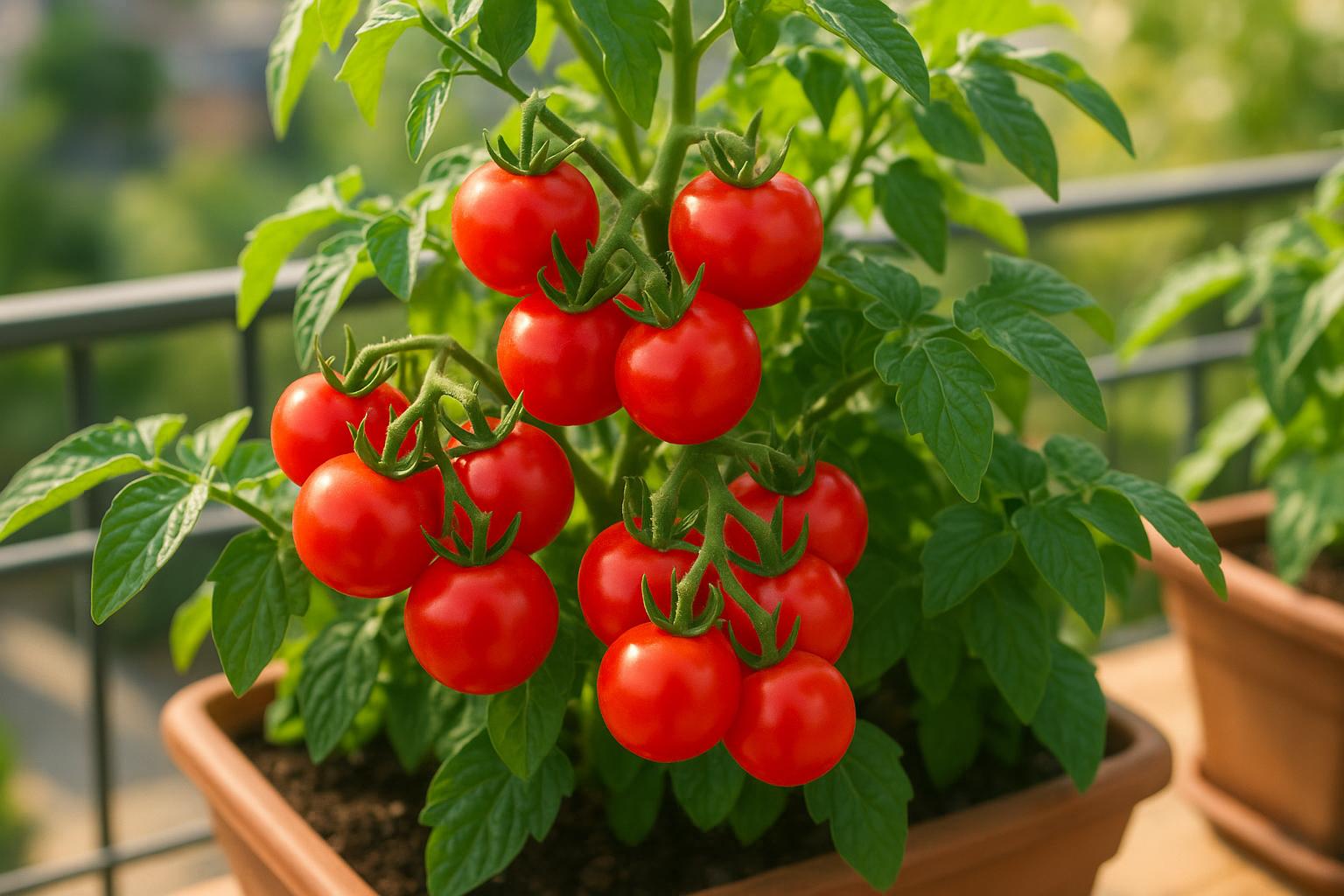
Stop the Rot: A Practical Guide to Preventing and Treating Blossom End Rot in Container Tomatoes
By Manus AI
Quick Summary
Blossom end rot (BER) is one of the most common and frustrating issues for urban gardeners, especially those growing in pots. It is a physiological disorder, not a disease, caused by a localized deficiency of calcium in the developing fruit [1]. While it is often mistaken for a lack of calcium in the soil, the true culprit is almost always inconsistent watering, which prevents the plant from transporting the calcium it needs. This guide will walk you through the simple, science-backed secrets to consistent moisture, proper nutrition, and practical prevention tips to ensure your container tomatoes thrive and produce a perfect, blemish-free harvest.
What Exactly is Blossom End Rot (BER)?
Blossom end rot is a non-infectious disorder that affects tomatoes, peppers, eggplants, and some vine crops. It is a sign that something in the plant's environment or care routine is disrupting its ability to grow healthy fruit. Understanding what BER is and what it is not is the first step toward conquering it in your urban garden.
The Symptoms: What to Look For
The tell-tale sign of BER is a water-soaked spot that appears on the blossom end of the fruit—the part opposite the stem [1]. This spot is initially small and light-colored, resembling a bruise. As the fruit matures, the spot rapidly enlarges, becoming dark brown or black, sunken, and leathery. This damage can eventually cover up to half of the fruit's surface. While the affected fruit will not recover, the good news is that the rest of the plant remains healthy, and subsequent fruit can be perfectly fine if the underlying issue is corrected.
It is important to note that BER often appears on the first fruits of the season, as the plant is rapidly growing and its demand for calcium is at its peak. Sometimes, the exterior of the fruit may look sound, but if you cut it open, you will find the interior tissue is discolored and shrunken, indicating the rot is starting from the inside out.
The Science: Why Calcium is the Key
At its core, blossom end rot is a localized calcium deficiency in the fruit [2]. Calcium is a crucial nutrient for plants, playing a vital role in cell wall formation and structure. Without enough calcium, the cells at the end of the fruit break down, leading to the characteristic rot.
However, the problem is rarely a true lack of calcium in the potting mix. Most commercial potting mixes contain adequate calcium, or the gardener has added amendments. The real issue is the plant's inability to absorb and transport the available calcium to the rapidly developing fruit. Calcium is transported through the plant via the water stream, a process called transpiration. Leaves transpire more than fruit, so calcium moves preferentially to the leaves. If the water flow is interrupted, the calcium supply to the fruit stops, leading to BER [1].
The #1 Trigger for Blossom End Rot in Container Tomatoes: Inconsistent Moisture
For urban gardeners, the container environment presents a unique set of challenges that make blossom end rot in container tomatoes a common occurrence. The single biggest factor is the fluctuation of moisture in the soil.
The Container Gardening Challenge
Unlike in-ground gardens, containers have a limited volume of soil, which means they heat up and dry out much faster. A hot, sunny day can wick away moisture rapidly, causing the plant to experience drought stress. When the plant is stressed, it slows down or stops transpiration, effectively cutting off the calcium supply to the fruit.
The pattern of "wet, dry, wet, dry" is the ultimate trigger for BER. When the soil is dry, calcium uptake stops. When you water again, the plant resumes uptake, but the damage to the fruit that was developing during the dry period is already done. This erratic watering is far more detrimental than a consistently low, but stable, moisture level.
The Solution: Consistent, Deep Watering
Achieving consistent moisture is the most effective way to prevent BER. This requires a shift in watering habits from a quick daily sprinkle to a deep, intentional soak.
- Water Deeply: When you water, do so thoroughly until you see water running freely out of the drainage holes. This ensures the entire root ball is saturated.
- Check Before You Water: Do not water on a strict calendar schedule. Instead, check the soil moisture first. Stick your finger two inches deep into the soil. If it feels dry, it is time to water. If it feels moist, wait another day. A simple moisture meter is an excellent tool for precision.
- Use Self-Watering Containers: For the ultimate consistency, consider using a self-watering container (also known as a sub-irrigated planter or SIP). These systems provide a constant reservoir of water to the roots, eliminating the wet/dry cycle and drastically reducing the risk of blossom end rot in container tomatoes.
Beyond Water: Addressing the Calcium Connection
While consistent watering is the primary solution, optimizing the soil environment for calcium uptake provides a strong foundation for healthy plants.
Soil Amendments for Long-Term Health
The medium you use in your container is critical. Always use a high-quality, well-draining potting mix, not garden soil, which compacts too easily in a pot.
- Pre-Planting Amendments: Before planting, you can incorporate slow-release calcium sources into your potting mix. Dolomitic lime is a great option as it provides both calcium and magnesium and helps raise the soil pH. Bone meal is another excellent source of calcium and phosphorus.
- The Importance of pH: Calcium uptake is optimal when the soil pH is slightly acidic, ideally between 6.0 and 6.8 [1]. If your soil is too acidic or too alkaline, the calcium may be present but chemically unavailable to the plant. A simple soil test kit can confirm your pH level.
Fertilizing Wisely: The Nitrogen Trap
Fertilizer choice can inadvertently contribute to BER. Excessive nitrogen, particularly in the ammonium (NH4+) form, promotes rapid, lush leaf growth. This excessive foliage growth, or "luxury consumption," competes with the fruit for the available calcium, making the plant more susceptible to BER [1].
- Avoid High-Nitrogen Feeds: Especially early in the season, avoid fertilizers with a high first number (Nitrogen). Focus on a balanced feed or one with a slightly higher middle number (Phosphorus) once the plant begins to flower and set fruit.
- Use Nitrate-Based Fertilizers: When selecting a fertilizer, look for those that use the nitrate (NO3–) form of nitrogen, as the ammonium form can interfere with calcium uptake [1].
Practical Prevention Tips for Urban Gardeners
A successful harvest free from blossom end rot in container tomatoes is a result of good planning and preventative care.
Choose the Right Container and Mix
The size of your container is non-negotiable for healthy tomato growth.
| Tomato Type | Minimum Container Size (Volume) | Minimum Container Size (Gallons) | Rationale |
|---|---|---|---|
| Determinate (Bush) | 19 Liters | 5 Gallons | Sufficient space for a smaller root system and moisture retention. |
| Indeterminate (Vining) | 38 Liters | 10 Gallons | Essential for large, productive plants and maintaining consistent moisture. |
Using a container that is too small is the second most common cause of BER after inconsistent watering. The smaller the pot, the faster it dries out, and the more difficult it is to keep the moisture consistent.
Mulch and Temperature Control
Applying a layer of organic mulch, such as straw, shredded leaves, or wood chips, to the surface of your potting mix is a simple yet highly effective preventative measure. Mulch serves two purposes: it significantly reduces water evaporation from the soil surface, and it helps keep the root zone cooler and more stable during hot summer days. This stability in temperature and moisture is a powerful defense against BER.
Select Resistant Varieties
While all tomatoes can get BER, some varieties are more susceptible than others. Large, blocky, or paste tomatoes like 'Roma' and 'Beefsteak' are often the first to show symptoms because they have a high demand for calcium during their rapid growth phase. Cherry and grape tomatoes, as well as some heirloom varieties, tend to be more resistant. If you have struggled with BER in the past, consider choosing a variety known for its tolerance to calcium fluctuations.
Emergency Treatment: What to Do When You See BER
If you spot the tell-tale dark patch, do not panic. The first step is to accept that the affected fruit is a loss and will not recover. The goal now is to save the rest of the harvest.
Immediate Action: The Calcium Spray Myth and Reality
Many gardeners turn to foliar calcium sprays as an emergency fix. These sprays, often a solution of calcium chloride, are applied directly to the leaves and fruit.
The Reality: Foliar sprays are a temporary, "stop-gap" measure at best [3]. Since calcium is not easily redistributed within the plant, spraying the leaves does little to help the fruit that is already developing. However, a foliar spray can help protect the new flowers and fruit that are just beginning to form, giving you a few days of protection while you address the root cause.
The True Fix: The most important emergency action is to immediately and rigorously correct your watering routine. Set up a drip system, use a self-watering container, or commit to checking the soil twice a day to ensure it never dries out. This will restore the calcium transport system and ensure the next set of fruit is healthy.
Pruning and Patience
Remove the affected fruit immediately. They will not ripen properly and can become an entry point for secondary fungal or bacterial infections. By removing them, you allow the plant to redirect its energy and resources to the healthy, developing fruit. With consistent care, you should see the symptoms disappear on all new fruit within 7 to 10 days.
Common Mistakes Urban Gardeners Make (and How to Avoid Them)
Avoiding these common pitfalls will significantly reduce your chances of seeing blossom end rot in container tomatoes.
| Mistake | Description | Practical Fix |
|---|---|---|
| 1. The Small Pot Trap | Using a container smaller than 5 gallons (19L) for determinate varieties or 10 gallons (38L) for indeterminate varieties. | Upsize Your Container: Always choose the largest container you can manage. The extra soil volume acts as a buffer against temperature and moisture swings. |
| 2. The Daily Sprinkle | Watering lightly every day, which only wets the top inch of soil and encourages shallow roots. | Water Deeply and Less Often: Train your roots to grow deep by watering until it drains out the bottom. This is usually every 2-3 days, not every day. |
| 3. Eggshell Reliance | Believing that crushed eggshells on the soil surface will provide immediate calcium. | Use Soluble Amendments: Eggshells take years to break down. Use fast-acting amendments like bone meal or dolomitic lime mixed into the soil before planting. |
| 4. Over-Fertilizing | Applying too much high-nitrogen liquid feed, especially early in the season. | Fertilize Moderately: Use a balanced, slow-release granular fertilizer at planting, and switch to a moderate liquid feed only after the first fruit has set. |
| 5. Ignoring Drainage | Allowing the container to sit in a saucer of water, leading to waterlogged and cold roots. | Ensure Airflow: Elevate your pot slightly and ensure water can drain away freely. Waterlogged roots are stressed roots, which cannot absorb calcium. |
By focusing on these preventative measures, you are addressing the root cause of blossom end rot in container tomatoes—the disruption of the calcium transport system.
Conclusion: Your Best Tomato Season Yet
Blossom end rot is a frustrating setback, but it is entirely manageable and preventable. As an urban gardener, you have the advantage of total control over your plant's environment. Remember this simple truth: the key to preventing blossom end rot in container tomatoes is not more calcium, but more consistency. By mastering deep, regular watering, choosing the right container size, and using balanced nutrition, you are giving your tomato plants the stable environment they need to deliver a bountiful, perfect harvest.
Now that you have the knowledge, put it into action!
Ready to plan your perfect container garden?
Take the guesswork out of your growing season. Use the Urban Grow Planner tool to track your watering schedule, manage your feeding routine, and monitor your soil conditions. It’s the perfect companion to ensure your tomatoes get the consistency they need to thrive. Happy growing!
References
[1] Joy, Ann, and Brian Hudelson. "Blossom End Rot." Wisconsin Horticulture, University of Wisconsin-Madison Division of Extension. Last Revised: 02/28/2024.
[2] Bonnie Plants. "Dealing with Blossom End Rot." Bonnie Plants Blog.
[3] Grow Tomatoes Easily. "How to avoid blossom end rot on your homegrown tomatoes." Grow Tomatoes Easily.
Related Articles
How To Start Urban Farming For Beginners
Ready to grow your own food? Learn how to start urban farming for beginners with this comprehensive guide on planning, small-space techniques, essential equipment, and common mistakes to avoid.
Balcony Garden Ideas For Beginners
Discover the ultimate balcony garden ideas for beginners! Learn how to maximize small spaces with vertical gardening, choose the best easy-to-grow plants, and avoid common mistakes. Start your urban oasis today!
Container Gardening For Beginners Step By Step
Start your urban garden with this step-by-step guide to container gardening for beginners. Learn about choosing pots, soil, plants, watering, and avoiding common mistakes.
How To Grow Vegetables On Apartment Balcony
Learn how to grow vegetables on apartment balcony with this ultimate guide. Get tips on sun, containers, soil, and the best compact crops for a successful urban garden.