Cold Hardy Vegetables For Balcony Garden
Discover the best cold hardy vegetables for balcony garden success! Learn about container selection, soil, frost protection, and common mistakes to grow fresh produce all winter.
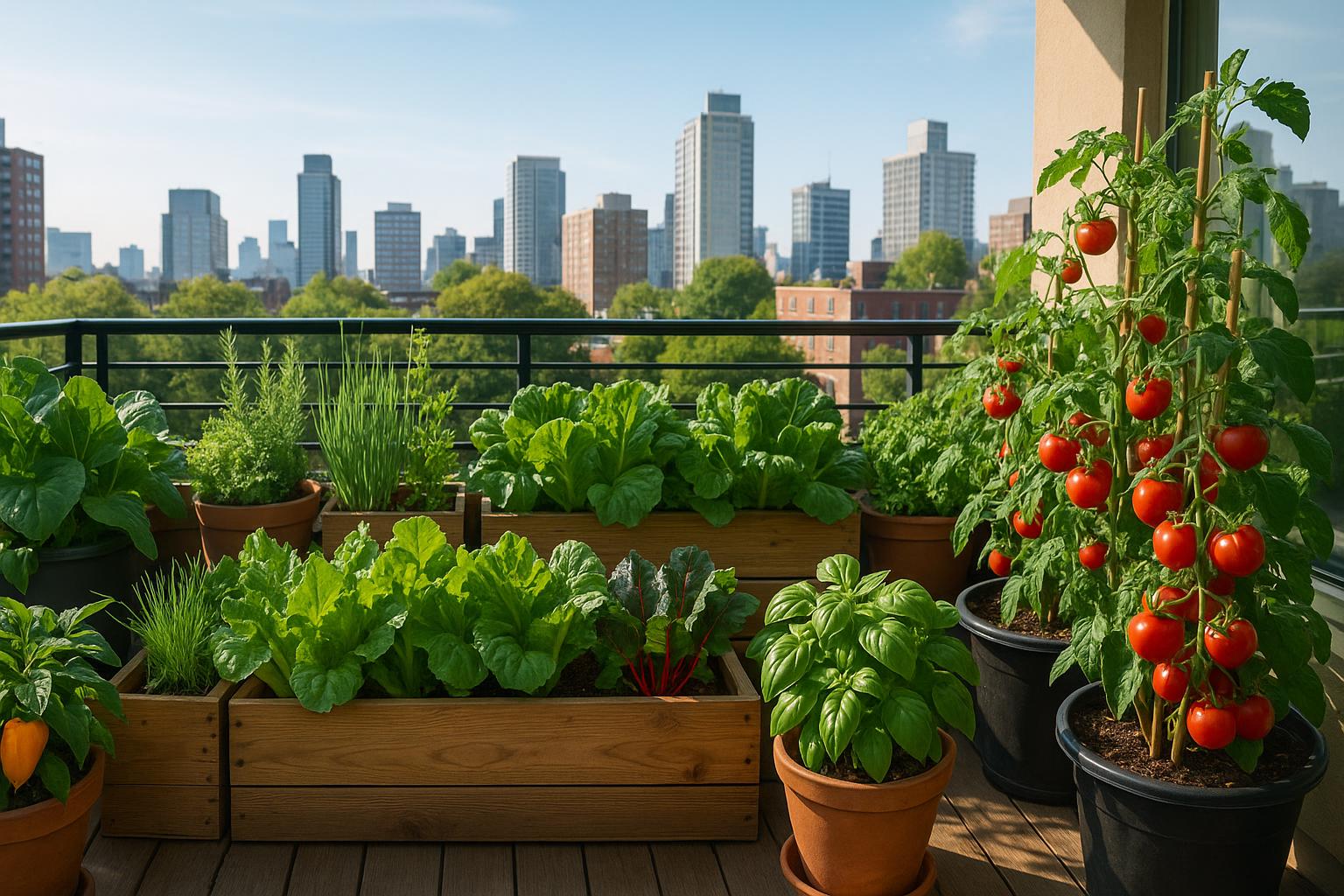
Thrive in the Chill: Your Guide to Cold Hardy Vegetables for Balcony Garden Success
Quick Summary: Your Winter Balcony Harvest Awaits
Growing cold hardy vegetables for balcony garden spaces is incredibly rewarding and entirely possible. Success hinges on selecting the right crops, using appropriate containers (8+ inches deep), and providing protection from harsh weather. This guide covers selection, soil, frost protection, and common mistakes, ensuring your balcony garden flourishes even when temperatures drop.
The Urban Gardener's Secret Weapon: Understanding Cold Hardiness
Balcony gardening in cold weather is possible because many vegetables are naturally adapted to thrive in cooler temperatures. These "cold hardy" or "cool-season" crops often taste sweeter after a light frost. Cold-hardy vegetables fall into two categories: Hardy (withstand heavy frost, down to 20°F / -6°C, like kale and spinach) and Semi-Hardy (tolerate light frost, down to 28°F / -2°C, like lettuce and carrots). Focusing on these groups is essential for a successful cold hardy vegetables for balcony garden, as they require less intense sunlight and prefer moderate temperatures.
Top 10 Cold Hardy Vegetables for Balcony Garden Containers
Choosing the right varieties is the first step to a bountiful balcony harvest. Look for compact, dwarf, or "container-friendly" varieties to maximize your limited space.
H3: Leafy Greens: The Balcony All-Stars
Leafy greens are the easiest and most productive cold-hardy crops for containers, tolerating partial shade and having shallow root systems.
- Kale: Extremely hardy, harvestable leaf-by-leaf for months. Look for dwarf varieties. Container Size: Minimum 8 inches deep.
- Spinach: Fast-growing, semi-hardy green that thrives in cool, moist soil. Container Size: Minimum 6 inches deep.
- Swiss Chard: Very tolerant of cold and heat, offering colorful stems. Container Size: Minimum 8 inches deep.
- Lettuce: Focus on loose-leaf varieties, which are more forgiving in containers. Container Size: Minimum 6 inches deep.
H3: Root Vegetables: Compact and Rewarding
Root vegetables can be grown successfully on a balcony with adequate container depth.
- Radishes: The fastest cold-hardy crop, ready in three weeks. Container Size: Minimum 6 inches deep.
- Carrots: Choose short-rooted or "mini" varieties. The container depth must be at least 1.5 times the expected length of the mature carrot. Container Size: Minimum 10-12 inches deep for compact varieties.
- Beets: Semi-hardy, both roots and greens are edible. Container Size: Minimum 8-10 inches deep.
H3: Brassicas and Alliums: Hearty and Flavorful
These crops take longer but are rewarding and highly cold-tolerant.
- Bush Beans (Dwarf Varieties): Certain dwarf varieties can be planted late for a fall harvest. Container Size: Minimum 5-gallon container (12 inches deep) per plant.
- Leeks: Extremely cold-hardy, often left in the container all winter. Container Size: Minimum 10-12 inches deep.
- Garlic: Plant cloves in the fall for a summer harvest. One of the hardiest crops. Container Size: Minimum 8 inches deep.
Essential Balcony Setup: Containers, Soil, and Location
A successful cold hardy vegetables for balcony garden relies heavily on the right foundation. Containers and soil are even more critical in cold weather than in summer.
H2: Choosing the Right Containers
The right containers are critical for root health and temperature regulation.
- Material Matters: Avoid porous materials like terracotta or ceramic. Fabric grow bags, plastic, or insulated wooden planters are better, with fabric bags offering excellent drainage and aeration.
- Size and Depth: Larger containers offer better insulation. While 6-8 inches is the minimum for greens, aim for 10-12 inches for healthier plants. Ensure excellent drainage to prevent waterlogging.
H2: The Perfect Potting Mix
Never use garden soil. A high-quality, well-draining potting mix is essential.
- Base Mix: Use a sterile, peat-moss or coconut coir-based mix.
- Drainage and Aeration: Amend with perlite or vermiculite (3:1 mix to amendment ratio) to prevent waterlogging.
- Nutrition: Cold-hardy crops are heavy feeders. Mix in a slow-release granular organic fertilizer. Supplement with a liquid feed every 2-4 weeks, as cold soil slows nutrient uptake.
H2: Optimizing Your Balcony's Microclimate
Conditions can vary dramatically even on one balcony.
- Sunlight: Cool-season crops need at least 4-6 hours of direct or bright, indirect light daily. South-facing balconies are best, but east/west can also be productive.
- Wind Protection: Wind accelerates moisture loss and causes windburn. Position containers against a wall or use a temporary windbreak (e.g., clear plastic sheeting).
- Thermal Mass: Place containers near the building wall, which retains heat during the day and radiates it back at night, offering crucial protection during a hard freeze.
Protecting Your Harvest: Tips for Frost and Freeze
While cold hardy vegetables for balcony garden are tough, they need help when temperatures consistently dip below 25°F (-4°C).
H3: Simple DIY Frost Protection
Simple, affordable materials provide excellent protection.
- Frost Blankets (Row Covers): The most effective tool. Use a lightweight, breathable fabric to drape over plants, raising the temperature by 4-8°F (2-4°C). Secure the edges to trap heat.
- Cloches and Cold Frames: Use clear plastic containers or jars as temporary cloches. A simple wooden cold frame acts as a mini-greenhouse.
- Insulation: Wrap the sides of containers with insulating materials like bubble wrap or burlap to prevent the soil from freezing solid.
H3: Emergency Freeze Protocol
When a deep freeze (below 20°F / -6°C) is predicted:
- Water Deeply: Moist soil retains heat better.
- Move to Shelter: Move smaller containers to the warmest wall, a shed, or temporarily indoors.
- Layer Up: Cover plants with a double layer of frost cloth or a frost cloth and a thick blanket. Remove the heavy cover once the sun is out.
Common Mistakes to Avoid in Your Cold Weather Balcony Garden
Being aware of common pitfalls will save you time and plants in your cold-weather container garden.
H2: Overwatering and Poor Drainage
This is the number one killer. Cold soil dries slowly, and constant wetness leads to root rot and easier freezing.
- The Fix: Water only when the top 1-2 inches of soil are dry (potentially only once every 1-2 weeks in winter). Ensure all containers have large, unobstructed drainage holes and are slightly elevated.
H2: Neglecting Fertilization
Growth slows, but plants still need nutrients, especially with continuous harvesting.
- The Fix: Supplement the initial slow-release fertilizer with a balanced, water-soluble liquid fertilizer (e.g., 5-5-5) every 2-4 weeks during active growth. Dilute to half-strength in cold weather, as nutrient absorption is slower.
H2: Ignoring the Weight of Your Containers
This is a crucial safety and structural consideration for any cold hardy vegetables for balcony garden.
- The Fix: Wet soil is heavy. Use lightweight potting mix and distribute the weight evenly, placing the heaviest containers near the building's support beams. Consult your building manager if you have concerns about weight limits.
H2: Planting Too Late or Too Early
Timing is everything for cool-season crops.
- The Fix: For a fall/winter harvest, sow seeds 6-8 weeks before the first hard frost. For spring, start seeds indoors 4-6 weeks before the last expected frost.
Practical Tips for a Bountiful Balcony Harvest
To truly master growing cold hardy vegetables for balcony garden spaces, incorporate these practical techniques.
H3: Succession Planting
Maximize your yield by planting small batches of quick-growing crops (like lettuce, spinach, and radishes) every 2-3 weeks. This ensures a continuous, manageable harvest rather than a single massive glut.
H3: Cut-and-Come-Again Harvesting
This method is ideal for leafy greens (kale, spinach, chard) and extends your harvest. Instead of pulling the entire plant, only harvest the outer, mature leaves, leaving the inner leaves and growing point intact for continuous production.
H3: Pest Management in Cold Weather
Pests like aphids and cabbage worms are less active but still present. Inspect plants regularly. If pests are found, use a strong jet of water or an insecticidal soap (a type of product) formulated for edible plants.
Conclusion: Embrace the Chill and Start Growing
Transforming your balcony into a productive garden doesn't have to end when summer fades. By selecting the right cold hardy vegetables for balcony garden containers, mastering your soil and drainage, and implementing simple frost protection, you can enjoy the satisfaction of harvesting fresh produce throughout the cooler months. The cold season offers a unique opportunity to grow delicious, nutrient-dense crops that actually taste better after a kiss of frost.
Ready to plan your cold-weather garden layout, track your planting dates, and map out your harvest schedule?
Start planning your most successful cold-weather garden yet! Use the Urban Grow Planner tool to organize your containers, track your succession planting, and get customized frost alerts for your specific location. Happy growing!
Related Articles
How To Start Urban Farming For Beginners
Ready to grow your own food? Learn how to start urban farming for beginners with this comprehensive guide on planning, small-space techniques, essential equipment, and common mistakes to avoid.
Balcony Garden Ideas For Beginners
Discover the ultimate balcony garden ideas for beginners! Learn how to maximize small spaces with vertical gardening, choose the best easy-to-grow plants, and avoid common mistakes. Start your urban oasis today!
Container Gardening For Beginners Step By Step
Start your urban garden with this step-by-step guide to container gardening for beginners. Learn about choosing pots, soil, plants, watering, and avoiding common mistakes.
How To Grow Vegetables On Apartment Balcony
Learn how to grow vegetables on apartment balcony with this ultimate guide. Get tips on sun, containers, soil, and the best compact crops for a successful urban garden.