Container Gardening Mistakes To Avoid
Master container gardening! Learn the top 10 mistakes to avoid, from choosing the wrong soil to watering woes, and get practical tips for a thriving urban garden.
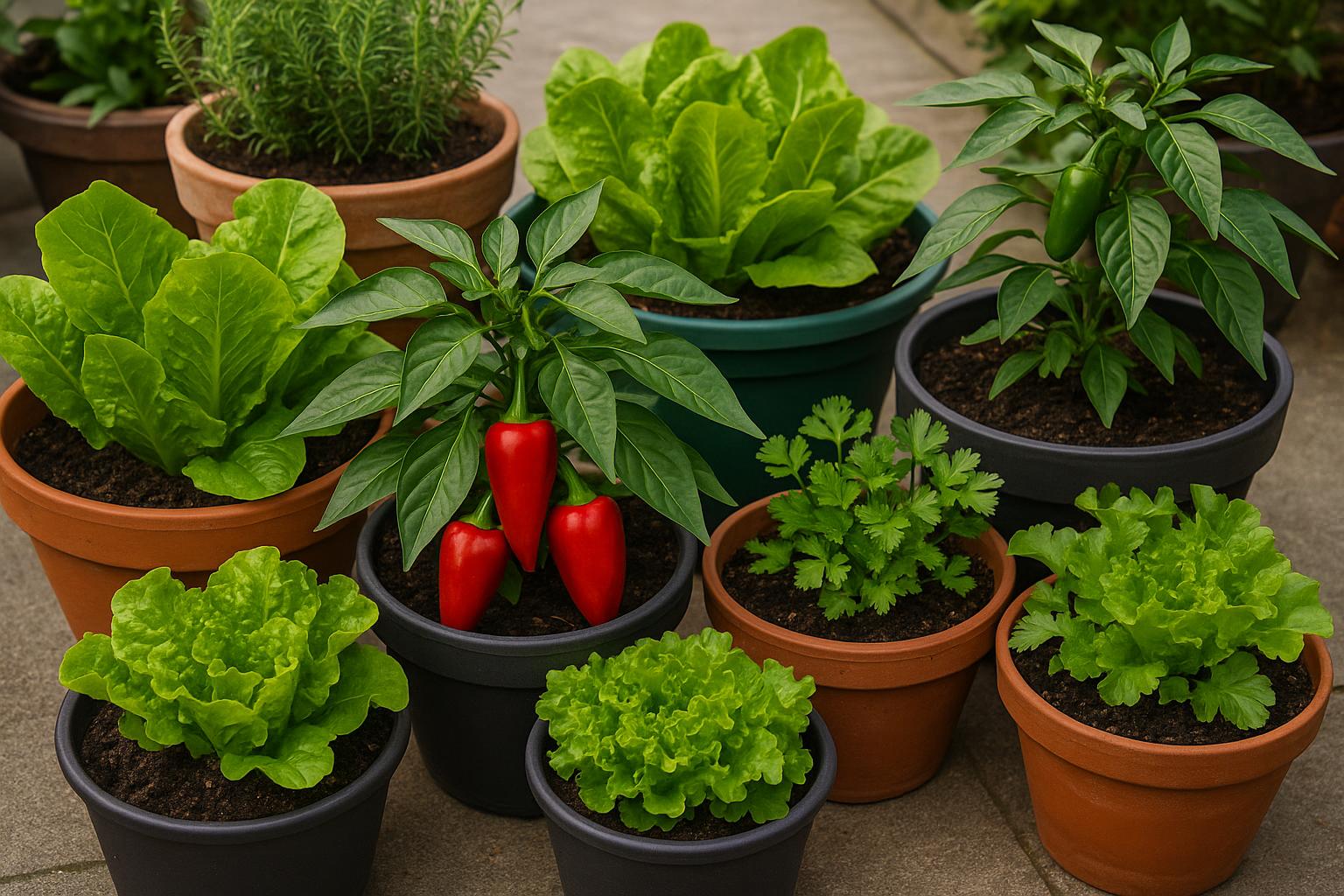
Stop Stunting Your Success: The Top 10 Container Gardening Mistakes to Avoid
Quick Summary: Your Guide to Thriving Potted Plants
Container gardening is one of the most rewarding ways to bring the joy of growing into an urban setting, whether you have a tiny balcony or a sprawling rooftop. It offers flexibility, control, and the satisfaction of harvesting your own food or enjoying beautiful blooms right outside your door. However, because containers are a closed system, they present unique challenges that differ significantly from in-ground gardening.
Many new and even experienced gardeners stumble over a few common pitfalls that can lead to stunted growth, disease, and disappointment. The good news is that these issues are almost always easy to fix once you know what to look for. This comprehensive guide will walk you through the top 10 container gardening mistakes to avoid, offering practical, encouraging advice to ensure your potted paradise thrives all season long. Get ready to transform your gardening results!
The Foundation Fails: Choosing the Wrong Container and Soil
The success of your container garden begins long before you plant the first seed. The vessel and the medium you choose are the literal foundation for your plant's life, and making the wrong choice here is one of the most critical container gardening mistakes to avoid.
Mistake 1: Going Too Small (The Size Trap)
It’s tempting to use small, cute pots, especially when space is limited, but this is a major error. A small container restricts root growth, which in turn limits the size and productivity of the plant above ground. More importantly, small containers dry out incredibly fast, turning watering into a stressful, daily chore and subjecting your plants to constant moisture stress.
To fix this, always choose a container that is appropriate for the plant's mature root system. For heavy feeders like tomatoes, peppers, and squash, look for containers that hold at least 5 to 10 gallons of soil. Herbs and leafy greens can manage in 1 to 3-gallon pots. Consider using fabric grow bags, which offer excellent aeration and prevent roots from circling, or large, durable plastic tubs that retain moisture well.
Mistake 2: Using Garden Soil (The Density Disaster)
One of the most common and damaging errors is filling your containers with soil dug up from your yard. Garden soil is designed to be part of a vast, open ecosystem; it’s too heavy and dense for a confined pot. When watered, it compacts severely, suffocating the roots by restricting oxygen flow and preventing proper drainage. This creates a waterlogged environment where roots rot and plants fail.
The solution is simple: use a high-quality, sterile, soilless potting mix. These mixes are light and fluffy, typically composed of ingredients like peat moss, coconut coir, perlite, and vermiculite. This blend ensures excellent aeration, holds moisture without becoming waterlogged, and provides a clean slate free of weed seeds and soil-borne diseases.
Mistake 3: Ignoring Drainage (The Soggy Bottom)
A container without adequate drainage is essentially a death trap for your plants. Excess water has nowhere to go, leading to saturated soil, which starves the roots of oxygen and invites fungal diseases. Even if your container has a single small hole, it might not be enough, especially for larger pots.
Ensure every container you use has multiple, generously sized drainage holes at the bottom. A common piece of bad advice is to place a layer of gravel, broken pottery, or packing peanuts at the bottom of the pot to improve drainage. This practice, known as the "perched water table" effect, actually hinders drainage by creating a barrier that keeps the soil above it saturated for longer. The best way to ensure good drainage is simply to use the right potting mix and ensure the holes are clear.
Water Woes: The Most Common Container Gardening Mistakes to Avoid
Watering is arguably the most challenging aspect of container gardening. Unlike in-ground plants, which can draw moisture from a large surrounding area, potted plants are entirely dependent on you. Mastering your watering routine is key to avoiding some of the most frustrating container gardening mistakes to avoid.
Mistake 4: Inconsistent Watering (The Feast or Famine Cycle)
Plants thrive on consistency. Allowing the soil to swing wildly between bone-dry and soaking-wet is incredibly stressful for them. This inconsistency can lead to problems like blossom end rot in tomatoes and peppers, and generally weakens the plant, making it susceptible to pests and disease.
Instead of watering on a fixed schedule, check the soil moisture daily. A simple, effective method is the "finger test": stick your index finger about 1 to 2 inches deep into the soil. If it feels dry, it's time to water. When you do water, do it deeply and thoroughly until you see water running out of the drainage holes. This ensures the entire root ball is saturated, not just the top layer.
Mistake 5: Watering the Leaves (The Disease Invitation)
While it might seem refreshing to spray down your plants on a hot day, watering the foliage, especially in the evening, is a major contributor to fungal diseases. Wet leaves provide the perfect environment for spores like powdery mildew and blight to germinate and spread.
Always aim your watering can or hose nozzle directly at the base of the plant, soaking the soil only. If you must water overhead, do it early in the morning so the sun and air have time to dry the leaves completely before nightfall. For plants that are particularly prone to fungal issues, consider using a drip irrigation system or a soaker hose to keep the foliage dry at all times.
Mistake 6: Assuming Rain is Enough (The Rain Shadow Effect)
It can be easy to assume a good rain shower has taken care of your watering duties, but this is often not the case for container gardens. Plants placed close to a building, under a balcony, or beneath a dense tree canopy are often in a "rain shadow" and receive surprisingly little moisture.
After a rain, always perform the finger test on your containers. You may find that the top inch is wet, but the soil deeper down is still dry. Furthermore, a quick, light rain may not be enough to saturate the entire root ball, especially in larger pots. Be diligent and don't let a cloudy day lull you into a false sense of security.
Nutrient Neglect: Feeding Your Potted Plants
The third pillar of container gardening success is nutrition. As mentioned, soilless potting mixes are excellent for structure, but they contain very few long-term nutrients. This means your plants are entirely reliant on you for their food, and forgetting this is a significant oversight.
Mistake 7: Forgetting to Fertilize (The Hungry Plant)
In-ground gardens benefit from the slow breakdown of organic matter and the vast nutrient reserves of the earth. Container plants, however, quickly deplete the limited nutrients in their small volume of soil, usually within a few weeks. A plant that is not fed will become pale, weak, and produce a poor harvest.
The best approach is a two-pronged feeding strategy. First, incorporate a slow-release granular fertilizer into the potting mix at the time of planting. This provides a steady, low-dose supply of nutrients for several months. Second, supplement with a diluted liquid fertilizer every one to two weeks. Look for a balanced NPK (Nitrogen, Phosphorus, Potassium) formula, or one tailored to your specific crop, such as a high-potassium formula for fruiting plants.
Mistake 8: Over-Fertilizing (The Burnout)
While under-feeding is a problem, the opposite—over-fertilizing—can be just as deadly. Excess fertilizer salts build up in the soil, drawing moisture out of the plant's roots and causing "fertilizer burn," which manifests as brown, crispy leaf edges. This is a painful way to learn one of the most important container gardening mistakes to avoid.
Always follow the package instructions precisely, and when in doubt, use a half-strength solution of liquid fertilizer. Never apply fertilizer to dry soil; always water your plants first, then apply the fertilizer solution. If you suspect salt buildup, you can "leach" the soil by slowly pouring a large volume of plain water (about four times the volume of the pot) through the container to flush out the excess salts.
Location and Light: Placing Your Potted Paradise
One of the greatest advantages of container gardening is mobility, but this also means you have to be intentional about where you place your pots. Misjudging the environment is a common error that can easily be corrected.
Mistake 9: Misjudging Sunlight (The Shade Surprise)
Most edible plants, like vegetables and herbs, require "full sun," which means a minimum of six to eight hours of direct sunlight per day. It is a common mistake to overestimate the amount of sun a spot receives. A location that looks sunny at noon might be shaded by a building or tree for the rest of the day.
Before planting, spend a day observing your space and tracking the hours of direct sun. If your spot only gets four hours of sun, choose plants that tolerate partial shade, such as lettuce, spinach, or mint. If you find your plants are struggling, remember that you can move them! Use the mobility of your containers to chase the sun throughout the day or season.
Mistake 10: Ignoring Wind and Heat (The Stress Factor)
A sunny spot is great, but it can come with other environmental stressors. High winds can quickly desiccate a container plant, stripping moisture from the leaves and soil. Similarly, a container placed against a south-facing brick wall or on dark asphalt can absorb excessive heat, literally cooking the roots and causing the plant to wilt dramatically.
If you are in a windy area, group containers together to create a microclimate, or place them near a protective barrier. If you are using dark-colored containers, consider painting them a lighter color or shading the sides of the pot during the hottest part of the day. Using light-colored mulch on the soil surface can also help keep the root zone cool and conserve moisture.
Beyond the Basics: Advanced Tips to Avoid Common Pitfalls
Once you’ve mastered the top 10 container gardening mistakes to avoid, you can focus on the finer points that lead to truly spectacular results. These advanced tips will help you maintain a healthy, productive garden from spring through fall.
Regular Pest Patrol: Pests like aphids, spider mites, and whiteflies can multiply rapidly in the sheltered environment of a balcony or patio. Make it a habit to inspect the undersides of leaves every time you water. Catching an infestation early is the key to control. Use gentle, organic solutions like insecticidal soap or neem oil for treatment, rather than harsh chemical sprays.
Know When to Repot: If your plant is drinking water almost immediately after you water it, or if you see roots growing out of the drainage holes, it is likely root-bound. A root-bound plant is stressed and will not grow well. For perennial plants or those with long growing seasons, be prepared to move them into a slightly larger container mid-season to give their roots room to breathe and expand.
Prune for Productivity: Many container plants, especially herbs and indeterminate tomatoes, benefit greatly from regular pruning. Pinching back the growing tips of basil or rosemary encourages bushier growth, while removing suckers from tomatoes directs the plant's energy into fruit production. Don't be afraid to trim; it keeps your plants healthy, airy, and more productive.
Conclusion: Your Thriving Urban Garden Awaits
Container gardening is a journey of continuous learning, but by focusing on the fundamentals, you can bypass the most common frustrations. By choosing the right size pot, using a quality potting mix, mastering your watering routine, and providing consistent nutrition, you will have successfully avoided the most critical container gardening mistakes to avoid. The result will be a lush, vibrant, and productive garden that brings you joy all season long.
Ready to plan your perfect urban garden and put these tips into action? Don't guess your way to success! Use the Urban Grow Planner tool to map out your containers, track watering schedules, manage nutrient applications, and log your progress for a successful season. Happy growing!
Related Articles
How To Start Urban Farming For Beginners
Ready to grow your own food? Learn how to start urban farming for beginners with this comprehensive guide on planning, small-space techniques, essential equipment, and common mistakes to avoid.
Balcony Garden Ideas For Beginners
Discover the ultimate balcony garden ideas for beginners! Learn how to maximize small spaces with vertical gardening, choose the best easy-to-grow plants, and avoid common mistakes. Start your urban oasis today!
Container Gardening For Beginners Step By Step
Start your urban garden with this step-by-step guide to container gardening for beginners. Learn about choosing pots, soil, plants, watering, and avoiding common mistakes.
How To Grow Vegetables On Apartment Balcony
Learn how to grow vegetables on apartment balcony with this ultimate guide. Get tips on sun, containers, soil, and the best compact crops for a successful urban garden.