Drip Irrigation System For Balcony Garden
Transform your urban oasis with a drip irrigation system for balcony garden. Learn the benefits, essential components, step-by-step installation, and common mistakes to avoid.
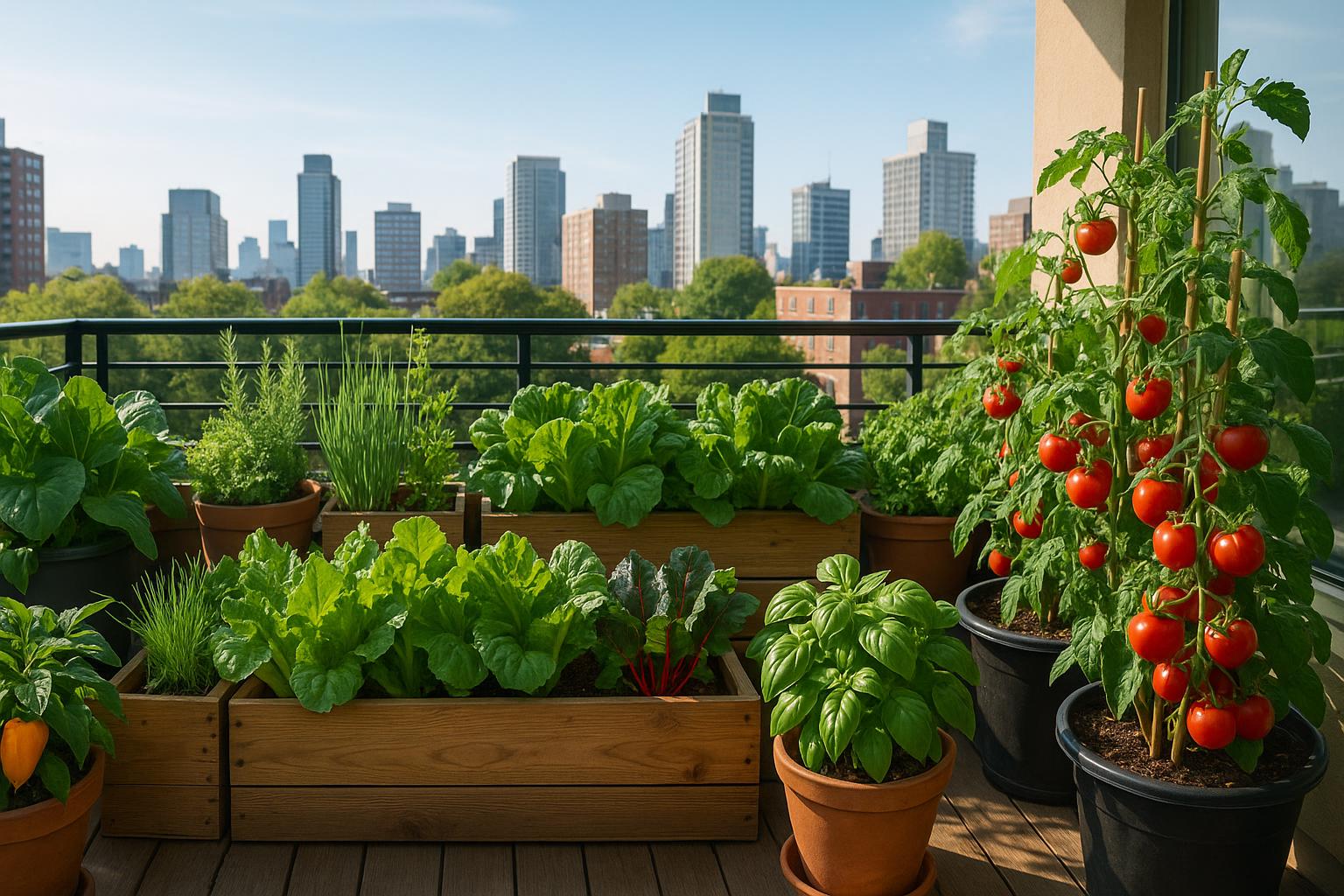
The Ultimate Guide to Installing a Drip Irrigation System for Balcony Garden
Quick Summary: A drip irrigation system for balcony garden is a game-changer for urban growers. It delivers water slowly and directly to the plant roots, dramatically increasing water efficiency, saving you time, and promoting healthier, more vibrant container plants. This comprehensive guide will walk you through every step, from choosing the right components to installation and maintenance, ensuring your balcony oasis thrives with minimal effort.
Why a Drip Irrigation System is a Balcony Gardener's Best Friend
Balcony gardening presents unique challenges, primarily the need for frequent, consistent watering. Containers dry out quickly, and manual watering can be time-consuming and inefficient. This is where a dedicated drip irrigation system for balcony garden truly shines, transforming a high-maintenance hobby into a relaxing, rewarding experience.
Water Efficiency and Conservation
One of the most significant benefits of drip irrigation is its incredible water efficiency. Unlike traditional watering methods, which lose a substantial amount of water to evaporation, runoff, and overspray, a drip system delivers water precisely where it is needed: the root zone. This targeted approach can reduce water usage by up to 50% compared to hand watering or using a hose [1]. For the environmentally conscious urban gardener, this conservation is a major plus.
Time Savings and Convenience
Imagine never having to spend an hour every evening watering dozens of pots. A drip system, especially when paired with a simple timer, automates the entire process. You can set it and forget it, knowing your plants are receiving the perfect amount of water at the optimal time, even when you are away for a weekend. This convenience is invaluable for busy individuals who still want to enjoy the benefits of growing their own food and flowers.
Healthier Plants and Better Yields
Consistent moisture is the key to healthy container plants. Drip irrigation prevents the extreme wet-dry cycles that stress plants and can lead to issues like blossom end rot in tomatoes. By keeping the soil moisture level steady, the system encourages deep root growth and prevents fungal diseases that thrive on wet foliage. Healthier plants naturally lead to better yields and more beautiful blooms.
Essential Components of a Balcony Drip System
Building a reliable drip irrigation system for balcony garden requires a few key components. The beauty of these systems is their modularity, allowing you to customize them perfectly for your space.
The Water Source (Faucet Adapter vs. Reservoir)
Your system will start at the water source. For most balconies, this means connecting to an outdoor faucet or hose bib using a faucet adapter. If you don't have a direct water connection, a gravity-fed system using a large reservoir (like a rain barrel or a large plastic tote) is an excellent alternative. Gravity systems require the reservoir to be elevated to provide sufficient pressure.
Pressure Regulation and Filtration
Container drip systems operate best at low pressure, typically around 10 to 25 PSI. A pressure regulator is essential to drop the high pressure from your household tap to a safe level for the delicate drip components. Immediately following the regulator, a filter (usually a small screen filter) is crucial to prevent tiny particles from clogging the emitters, which are the most common point of failure in any drip system.
Mainline Tubing and Distribution Tubing
The mainline tubing (often 1/2-inch or 5/8-inch diameter) carries water from the source to the general area of your plants. From the mainline, you will branch off with smaller distribution tubing (usually 1/4-inch diameter) that runs directly into the containers. Use appropriate connectors, such as tees and elbows, to navigate corners and split the flow.
Emitters: The Heart of the System
Emitters are the components that actually deliver the water. For a balcony garden, you have a few excellent choices:
| Emitter Type | Best Use Case | Flow Rate (Typical) | Key Feature |
|---|---|---|---|
| Drip Emitters | Individual pots, small containers | 0.5 to 2 gallons per hour (GPH) | Precise, consistent flow; ideal for single plants. |
| Drip Rings/Loops | Larger containers, grow bags | Multiple emitters in a ring | Even water distribution across a wider root zone. |
| Micro-Sprinklers | Dense plantings, window boxes | Higher flow rate, wider coverage | Good for ground cover or closely spaced herbs; use with caution to avoid wetting foliage. |
For a typical balcony setup, using pressure-compensating drip emitters (PC emitters) is highly recommended. These ensure that every plant, regardless of its distance from the water source, receives the exact same amount of water, which is vital for uniform growth.
Step-by-Step Installation Guide
Installing a drip irrigation system for balcony garden is a straightforward DIY project that can be completed in an afternoon.
Step 1: Planning and Layout
First, sketch out your balcony. Note the location of your water source and every container. Measure the distance between the source and the furthest container to determine the length of mainline tubing you will need. Group plants with similar water needs together, as they can be placed on the same irrigation line.
Step 2: Connecting to the Water Source
Attach the faucet adapter to your hose bib. Then, connect the pressure regulator, followed by the filter. Finally, connect the mainline tubing to the filter. Ensure all connections are hand-tightened to prevent leaks.
Step 3: Laying the Mainline
Run the mainline tubing along the perimeter of your balcony or along the back of your containers. Use small plastic stakes or clips to secure the tubing and keep it neat and out of the way. Tubing is easier to work with when it is warm, so let it sit in the sun for a while before installation.
Step 4: Branching to Containers
Using a hole punch tool, punch a small hole into the mainline tubing near each container. Insert a small barbed connector (a "take-off" or "transfer" fitting) into this hole. Attach the 1/4-inch distribution tubing to the barbed connector and run it to the container.
Step 5: Installing Emitters
At the end of the 1/4-inch tubing, attach your chosen emitter. For a single plant in a 10-inch pot, a single 1 GPH emitter placed near the center is usually sufficient. For larger pots, use two or three emitters, or a drip ring, to ensure the entire root ball is watered evenly. Secure the end of the 1/4-inch tubing with a small stake to keep the emitter in place.
Step 6: Flushing and Testing
Before capping the mainline, turn on the water briefly to flush out any debris that may have entered the system during installation. Then, cap the end of the mainline tubing with an end cap or a figure-eight closure. Turn the water on fully and inspect every connection and emitter for leaks. Adjust the flow until you are satisfied.
Common Mistakes to Avoid with Balcony Drip Systems
Even the best-designed drip irrigation system for balcony garden can fail if a few common pitfalls are not avoided.
Mistake 1: Forgetting the Pressure Regulator
This is the number one cause of system failure. High water pressure will blow out emitters, fittings, and end caps, leading to massive leaks and wasted water. Always install a pressure regulator rated for 15-25 PSI.
Mistake 2: Ignoring the Filter
Clogged emitters are frustrating and time-consuming to fix. A simple screen filter costs very little and prevents the vast majority of clogs caused by sediment in the water. Clean the filter screen every few months, or more often if you notice reduced flow.
Mistake 3: Watering Too Frequently or Too Shallowly
The goal of drip irrigation is to encourage deep root growth. Many beginners set their timer to water for a short period (e.g., 5 minutes) multiple times a day. This only wets the top inch of soil. Instead, water less frequently (e.g., once a day or every other day) but for a longer duration (e.g., 20-40 minutes) to allow the water to soak deep into the container.
Mistake 4: Not Adjusting for Weather
A timer is convenient, but it is not intelligent. On cool, cloudy days, your plants need significantly less water than on hot, sunny, windy days. You must manually adjust the timer settings or turn the system off during heavy rain or prolonged cool spells.
Maintenance and Seasonal Care
A well-maintained drip irrigation system for balcony garden will last for many seasons.
Regular Flow Checks
Periodically check all your emitters to ensure they are dripping properly. Look for any that are sputtering or not flowing at all. A quick fix is often to simply clean the emitter or replace the 1/4-inch tubing section.
Winterizing Your System
If you live in a climate with freezing temperatures, you must winterize your system. Disconnect the system from the faucet, remove the pressure regulator and filter, and drain all the water from the mainline and distribution tubing. Store the regulator and filter indoors to protect them from frost damage.
Cleaning and Descaling
Over time, mineral deposits (scale) can build up inside the tubing and emitters, especially if you have hard water. At the end of the season, you can flush the system with a mild solution of white vinegar and water to dissolve these deposits.
Product Recommendations and Types
When shopping for your drip irrigation system for balcony garden, look for kits specifically designed for container or patio use. These kits typically include all the necessary components in smaller quantities, making them perfect for a balcony.
| Component Type | Key Feature to Look For |
|---|---|
| Timer | Digital, battery-operated, with flexible programming (e.g., ability to water on specific days). |
| Tubing | UV-resistant, black or brown color to blend in and prevent algae growth. |
| Emitters | Pressure-compensating (PC) for uniform watering across all pots. |
| Fittings | Barbed fittings that create a tight, leak-proof seal without glue or clamps. |
Remember, you don't need to buy the most expensive system. A simple, well-planned kit with a reliable timer and PC emitters will provide years of trouble-free watering for your balcony garden.
Conclusion: Water Smarter, Not Harder
Implementing a drip irrigation system for balcony garden is one of the best investments you can make in your urban gardening journey. It frees up your time, conserves precious water, and, most importantly, provides your plants with the consistent hydration they need to flourish. Say goodbye to the daily chore of hand-watering and hello to a thriving, low-maintenance balcony oasis.
Ready to take the next step in optimizing your urban garden? Use the Urban Grow Planner tool to map out your containers, calculate your water needs, and design the perfect layout for your new drip system! Happy gardening!
[1] Source: Environmental Protection Agency (EPA) WaterSense Program - Drip Irrigation Benefits [2] Source: University Extension Guides on Container Gardening and Irrigation [3] Source: Industry best practices for micro-irrigation in residential settings
Related Articles
How To Start Urban Farming For Beginners
Ready to grow your own food? Learn how to start urban farming for beginners with this comprehensive guide on planning, small-space techniques, essential equipment, and common mistakes to avoid.
Balcony Garden Ideas For Beginners
Discover the ultimate balcony garden ideas for beginners! Learn how to maximize small spaces with vertical gardening, choose the best easy-to-grow plants, and avoid common mistakes. Start your urban oasis today!
Container Gardening For Beginners Step By Step
Start your urban garden with this step-by-step guide to container gardening for beginners. Learn about choosing pots, soil, plants, watering, and avoiding common mistakes.
How To Grow Vegetables On Apartment Balcony
Learn how to grow vegetables on apartment balcony with this ultimate guide. Get tips on sun, containers, soil, and the best compact crops for a successful urban garden.