Fabric Grow Bags Vs Plastic Pots
Fabric grow bags vs plastic pots: Which is better for your urban garden? Learn about air pruning, drainage, temperature control, and get expert tips to maximize your harvest.
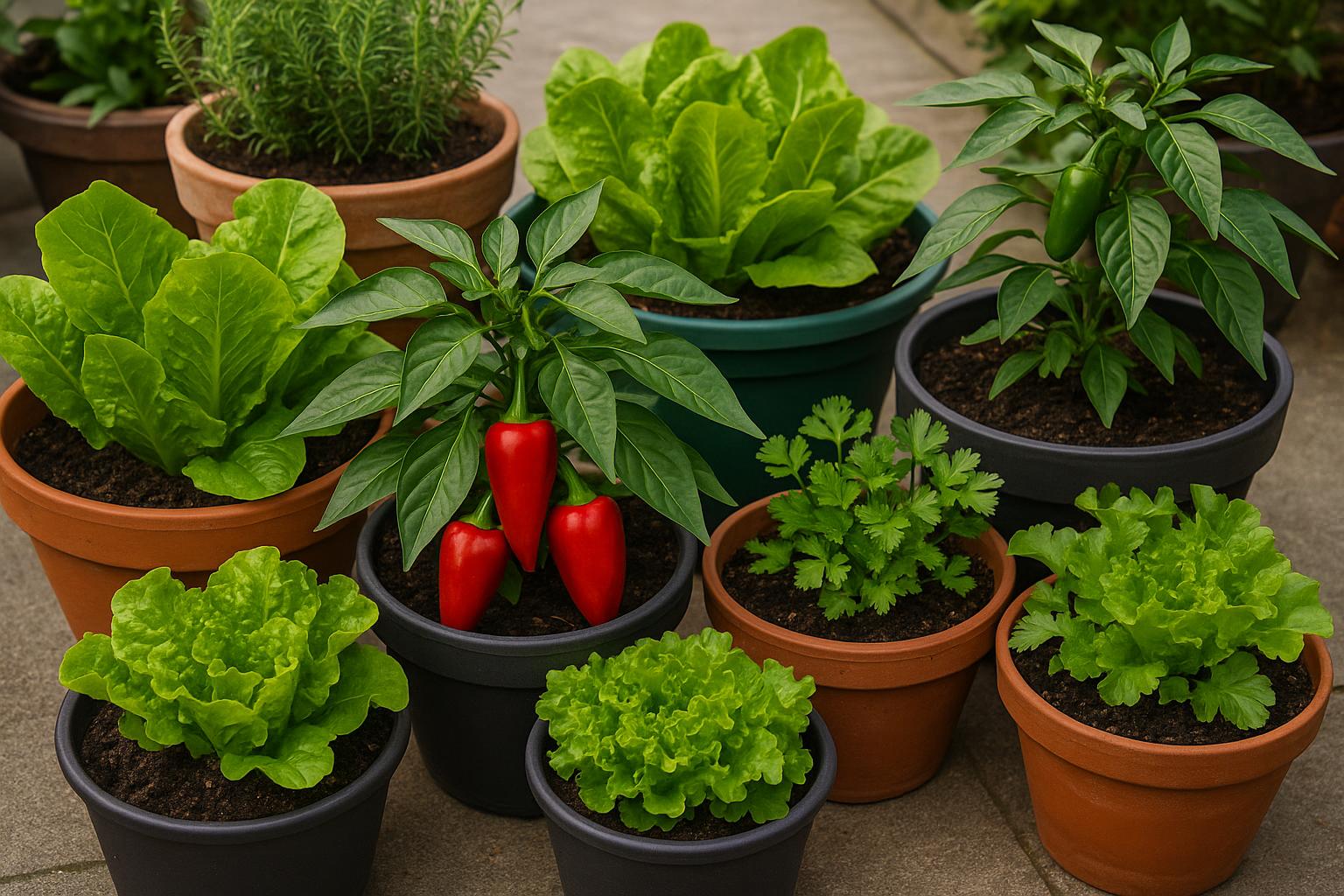
Fabric Grow Bags vs Plastic Pots: The Ultimate Urban Gardener's Showdown
Quick Summary: Choosing between fabric grow bags vs plastic pots is a critical decision for any urban gardener. Fabric grow bags excel in promoting root health through "air pruning," offering superior drainage, and regulating soil temperature, making them ideal for beginners prone to overwatering. However, they require more frequent watering. Plastic pots are cheaper, retain moisture better, and are more durable, but they risk root circling, poor drainage, and overheating in direct sun. For a thriving, long-term urban garden, fabric bags often provide the best performance, but plastic pots remain a budget-friendly, low-maintenance option for moisture-loving plants.
The Great Container Debate: Fabric Grow Bags vs Plastic Pots
Welcome, fellow urban gardeners! If you’ve ever found yourself staring at a wall of containers at the garden center, debating which one will give your precious plants the best home, you’re not alone. The choice between a traditional plastic pot and a modern fabric grow bag is one of the most fundamental decisions you’ll make in container gardening. This isn't just about aesthetics; it’s about root health, watering habits, and ultimately, the yield of your harvest.
For those of us with limited space—a balcony, a rooftop, or a small patio—every container counts. We need our containers to be efficient, effective, and forgiving. Let’s dive deep into the ultimate showdown: fabric grow bags vs plastic pots, to help you decide which is the champion for your urban oasis.
Fabric Grow Bags: The Breathable Revolution
Fabric grow bags, typically made from thick, non-woven polypropylene material, have revolutionized container gardening. Their primary advantage lies in a concept called air pruning.
The Magic of Air Pruning
In a standard plastic pot, when a root reaches the container wall, it hits a solid barrier and is forced to turn, beginning the process of "root circling" or becoming "root-bound." This constricts the plant, limits nutrient uptake, and can eventually strangle the plant's growth.
Fabric grow bags solve this problem beautifully. When a root tip reaches the porous fabric wall, it encounters air. This exposure to air causes the tip to dry out and die back, a process known as air pruning. This signals the plant to send out new, fibrous feeder roots further back in the soil mass. The result is a dense, healthy, and highly efficient root system that can absorb water and nutrients far more effectively than a root-bound plant. This is a massive win for the overall health and vigor of your plants.
Superior Drainage and Temperature Control
Another major benefit of fabric containers is their unparalleled drainage. The entire surface of the bag is porous, allowing excess water to simply weep out. This virtually eliminates the risk of waterlogging and the dreaded root rot, which is the number one killer of container plants, especially for new gardeners. If you are prone to overwatering, a fabric bag is your best friend.
Furthermore, the breathability of the fabric acts like a natural air conditioner for your roots. In the scorching summer sun, black plastic pots can absorb heat, causing the soil temperature to spike and literally cook your roots. Fabric bags allow heat to escape from all sides, keeping the root zone cooler and more stable, which is crucial for heat-sensitive crops like lettuce and spinach.
Plastic Pots: The Traditional Workhorse
Plastic pots have been the standard for decades, and for good reason. They are readily available, inexpensive, and incredibly durable. While they have their drawbacks, they also offer distinct advantages that make them the right choice for certain situations and certain gardeners.
Moisture Retention and Low Maintenance
The non-porous nature of plastic is its greatest strength and weakness. Because water can only escape through the drainage holes at the bottom, plastic pots retain moisture much longer than fabric bags. This is a huge benefit if you live in a very hot, dry climate, or if you simply prefer to water less frequently. For moisture-loving plants like ferns or certain tropical herbs, the consistent moisture of a plastic pot can be ideal.
Plastic pots are also easier to clean and sterilize between seasons. They are rigid, meaning they won't collapse when empty, and they can be reused for many years with minimal wear and tear. Their smooth, solid surface makes them easy to wipe down, reducing the risk of carrying over soil-borne diseases.
The Drawbacks of Plastic
The main issues with plastic pots stem from their lack of breathability:
- Root Circling: As mentioned, the hard walls lead to root-bound plants, which stunts growth and reduces yield.
- Poor Aeration: The soil can become compacted and waterlogged, starving the roots of oxygen and increasing the risk of root rot.
- Heat Retention: Dark plastic can become extremely hot in direct sunlight, creating a hostile environment for roots.
Fabric Grow Bags vs Plastic Pots: A Head-to-Head Comparison
To make your decision easier, here is a side-by-side look at the key differences between fabric grow bags vs plastic pots:
| Feature | Fabric Grow Bags (e.g., Non-woven Polypropylene) | Plastic Pots (e.g., HDPE, Polypropylene) |
|---|---|---|
| Root Health | Excellent (Air Pruning, prevents circling) | Poor (Causes root circling/root-bound) |
| Drainage | Superior (Prevents overwatering/root rot) | Good (Relies on bottom holes, risk of clogging) |
| Aeration | Excellent (Oxygen reaches the root zone) | Poor (Limited to soil surface) |
| Temperature | Regulated (Keeps roots cooler in summer) | Poor (Can overheat roots in direct sun) |
| Watering Needs | High (Requires more frequent watering) | Low (Retains moisture longer) |
| Durability | Good (Lasts 3-7 seasons, depending on quality) | Excellent (Lasts many years) |
| Portability | Excellent (Lightweight, often with handles) | Good (Lightweight when empty, heavy when full) |
| Cost | Moderate to High (Initial investment) | Low (Very affordable) |
| Storage | Excellent (Folds flat for minimal space) | Poor (Bulky, takes up significant space) |
Specific Tips for Thriving with Fabric Grow Bags
If you choose to go with fabric grow bags—and for most urban gardeners, we highly recommend them—you’ll need to adjust your gardening routine slightly to maximize their benefits.
1. Master the Watering Routine
Because of their excellent drainage, fabric bags dry out faster. This is the most common mistake new users make: treating them like plastic pots.
- Bottom Watering (The Tray Method): Place your grow bag in a shallow saucer or tray. Water from the top until you see water pooling in the tray. The bag will wick this water back up, ensuring the entire soil mass is evenly saturated. This is especially effective in hot weather.
- Drip Irrigation: If you have multiple bags, a simple drip irrigation system is a game-changer. It delivers slow, consistent moisture directly to the soil, preventing the rapid dry-out cycle.
- Watering in Stages: When hand-watering, water the bag once, wait 10 minutes for the water to soak in, and then water a second time. This prevents water from simply running down the sides and out the bottom.
2. Mulch is Your Best Friend
Mulching is essential for moisture retention in fabric bags. Apply a 1-2 inch layer of organic mulch—such as shredded leaves, straw, or wood chips—to the surface of the soil. This layer will dramatically reduce water evaporation and help keep the soil temperature stable.
3. Feed Your Plants Regularly
Since water drains so efficiently, it can carry away soluble nutrients (leaching). This means you need to be more diligent about feeding your plants.
- Use Slow-Release Fertilizer: Mix a granular, slow-release organic fertilizer into your potting mix at the beginning of the season.
- Regular Liquid Feed: Supplement with a diluted liquid fertilizer (like fish emulsion or compost tea) every 1-2 weeks, especially for heavy feeders like tomatoes and peppers.
Common Mistakes to Avoid in Container Gardening
Whether you choose fabric grow bags vs plastic pots, a few universal mistakes can sabotage your urban garden.
1. Using Garden Soil
Never use heavy garden soil or topsoil in containers. It compacts easily, restricts drainage, and suffocates roots. Always use a high-quality, lightweight potting mix specifically designed for containers. This mix should contain peat moss, coir, or perlite to ensure good aeration and drainage.
2. Choosing the Wrong Size
A common mistake is choosing a container that is too small. A small container restricts root growth, dries out rapidly, and requires constant attention. Always err on the side of a larger container. For most vegetables, aim for a minimum of 5-gallon capacity (for herbs and small greens) up to 10-20 gallons for large crops like tomatoes, squash, or small fruit trees.
3. Neglecting Drainage Holes (Plastic Pots)
If you are using plastic pots, ensure the drainage holes are large and numerous. Do not cover the holes with rocks or broken pottery; this old gardening myth actually hinders drainage. A piece of screen or landscape fabric over the hole is sufficient to keep the soil in while letting water out.
Final Verdict: Which Container is Right for You?
The choice between fabric grow bags vs plastic pots ultimately depends on your gardening style, budget, and climate.
- Choose Fabric Grow Bags if: You want the absolute best root health, you struggle with overwatering, you live in a hot climate, or you need containers that are easy to move and store. They are the performance choice for maximizing yield in a small space.
- Choose Plastic Pots if: You are on a tight budget, you prefer to water less frequently, you live in a cooler or very dry climate, or you are growing plants that prefer consistently moist soil.
No matter your choice, remember that the most important ingredient is your passion. Both containers can lead to a bountiful harvest with the right care.
Ready to Plan Your Urban Garden?
Now that you've decided on the perfect container, it's time to put your plan into action! Don't let your urban gardening dreams stay just dreams.
Use the Urban Grow Planner tool to map out your space, track your planting dates, and manage your watering schedule. It’s the perfect companion to ensure your new fabric grow bags or plastic pots are used to their full potential. Happy gardening!
Related Articles
How To Start Urban Farming For Beginners
Ready to grow your own food? Learn how to start urban farming for beginners with this comprehensive guide on planning, small-space techniques, essential equipment, and common mistakes to avoid.
Balcony Garden Ideas For Beginners
Discover the ultimate balcony garden ideas for beginners! Learn how to maximize small spaces with vertical gardening, choose the best easy-to-grow plants, and avoid common mistakes. Start your urban oasis today!
Container Gardening For Beginners Step By Step
Start your urban garden with this step-by-step guide to container gardening for beginners. Learn about choosing pots, soil, plants, watering, and avoiding common mistakes.
How To Grow Vegetables On Apartment Balcony
Learn how to grow vegetables on apartment balcony with this ultimate guide. Get tips on sun, containers, soil, and the best compact crops for a successful urban garden.