Fall Crops For Balcony Garden
Maximize your urban harvest! Discover the best fall crops for balcony garden success, including leafy greens, root vegetables, and brassicas. Get expert tips on planting, care, and avoiding common mistakes.
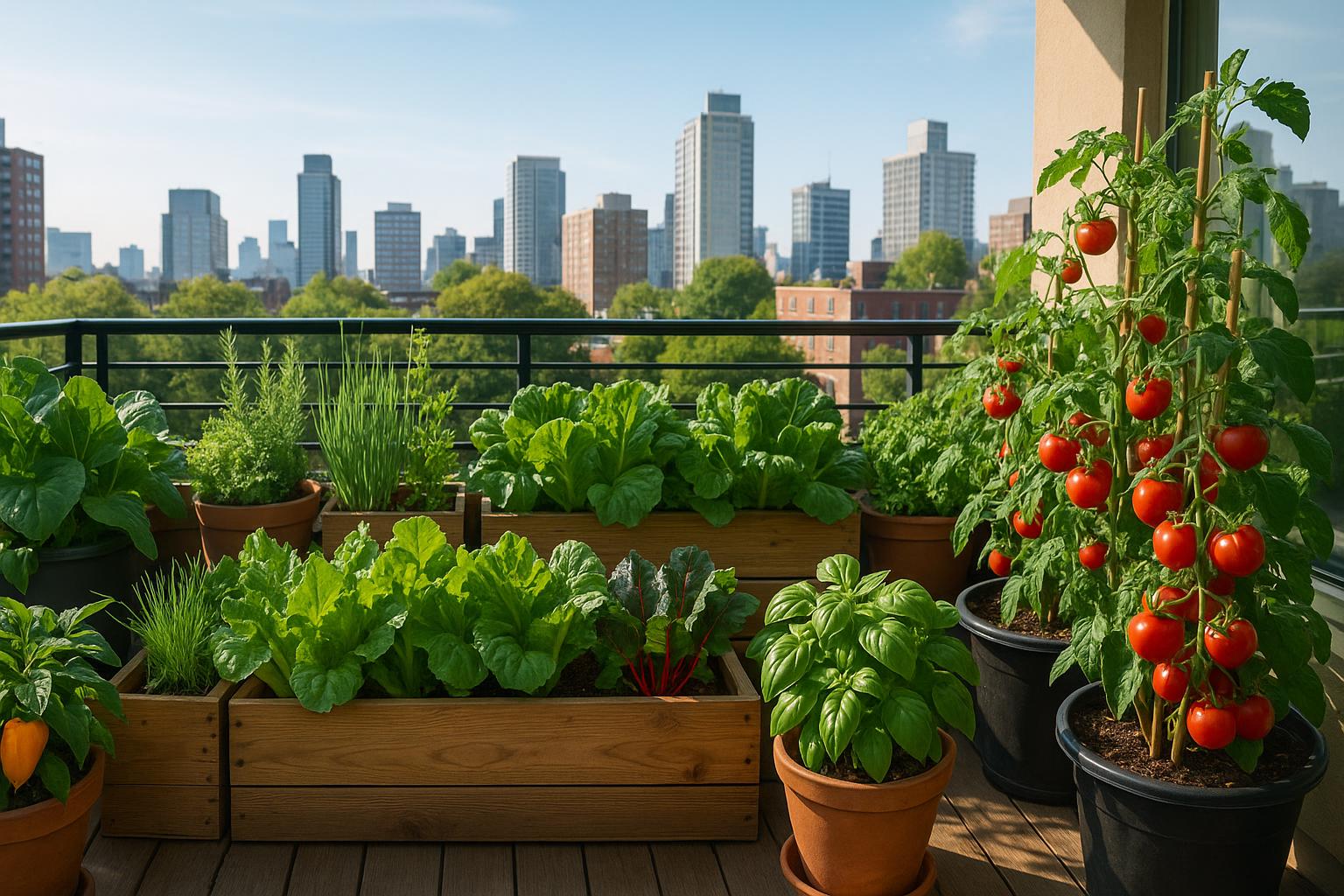
Harvest Happiness: The Ultimate Guide to Fall Crops for Balcony Garden Success
Quick Summary: Don't let the summer end your gardening joy! Fall is a fantastic season for balcony gardening, offering a second chance to grow cool-weather favorites like leafy greens, root vegetables, and brassicas. This comprehensive guide will walk you through selecting the best fall crops for balcony garden spaces, preparing your containers, mastering the timing of your planting, and avoiding common pitfalls. With the right approach, your balcony can be a bountiful harvest haven well into the cooler months.
The Magic of Fall Balcony Gardening
As the days shorten and the intense summer heat gives way to cooler, more gentle temperatures, many gardeners assume their season is over. However, for the urban gardener utilizing a balcony, the fall season is arguably the best time to grow. The milder weather is perfect for a wide variety of crops that bolt (go to seed) quickly in the summer heat, and the reduced pest pressure makes maintenance much easier. This shift in climate allows you to cultivate a whole new set of delicious and nutritious vegetables right outside your door.
The key to successful fall gardening is understanding the concept of "days to maturity" and counting backward from your region's average first frost date. Unlike spring planting, where you are racing toward the heat, fall planting is a race against the cold. Starting seeds indoors or purchasing small transplants a few weeks before your target planting date can give your crops a crucial head start. This strategic timing ensures your plants are mature and ready for harvest before the deep cold sets in.
H2: Top-Tier Fall Crops for Balcony Garden Spaces
Choosing the right plants is the first step to a successful autumn harvest. Balcony gardens have limited space and often less direct sunlight than in-ground gardens, making compact, fast-growing, and shade-tolerant crops the ideal choice. The following categories represent the most reliable and rewarding fall crops for balcony garden cultivation.
H3: Leafy Greens: The Cool-Weather Champions
Leafy greens thrive in the cooler temperatures of autumn and are perfectly suited for container gardening. They require less root space than many other vegetables, meaning they can be grown in shallower containers, which is a significant advantage on a balcony. Furthermore, many greens can be harvested using the "cut-and-come-again" method, providing continuous yields from a single planting.
| Crop | Container Depth (Minimum) | Light Requirement | Notes |
|---|---|---|---|
| Spinach | 6 inches | Partial Sun | Excellent cold tolerance; great for continuous harvest. |
| Kale | 8 inches | Full to Partial Sun | Becomes sweeter after a light frost; very hardy. |
| Lettuce (Loose-leaf) | 4-6 inches | Partial Sun | Fast-growing; choose varieties like 'Black Seeded Simpson'. |
| Arugula | 4 inches | Partial Sun | Quick to mature; adds a peppery kick to salads. |
For these crops, use wide, shallow containers like window boxes or repurposed storage bins. The more surface area you have, the more you can plant. Ensure your soil is rich in organic matter and drains well, as soggy roots are a common problem in container gardening.
H3: Root Vegetables: Compact and Rewarding
While root vegetables might seem challenging for containers, many varieties are perfectly happy in deep pots. The trick is to select containers that are deep enough to accommodate the full length of the mature root. This is where vertical space can be leveraged by using tall, narrow planters.
Carrots are a fantastic choice, but look for "mini" or "stump-rooted" varieties like 'Paris Market' or 'Danvers Half Long'. These are bred to grow shorter and wider, making them ideal for containers that are 10-12 inches deep. Plant the seeds thinly and avoid over-fertilizing with nitrogen, which can lead to bushy tops and small roots.
Radishes are the speed demons of the fall garden. They can go from seed to harvest in as little as three to four weeks. They only need about 6 inches of soil depth, making them perfect for interplanting with slower-growing crops. Their quick turnaround time means you can plant multiple successions throughout the fall.
Beets offer a two-for-one harvest: the root and the delicious, nutritious greens. Like carrots, they prefer a deep container, around 10 inches. Thinning is crucial for beets; if you leave them too crowded, the roots will not swell properly.
H3: Brassicas and Other Hardy Vegetables
The brassica family—which includes broccoli, cabbage, and cauliflower—are classic fall crops. They require a longer growing season and a bit more space, but the reward is substantial.
Broccoli and Cabbage need large containers, at least 12 inches deep and wide, to support their substantial growth. They are heavy feeders, so a slow-release organic fertilizer mixed into the potting mix is highly recommended. Start these from transplants to ensure they have enough time to mature before the hardest frosts.
Garlic is a unique fall crop because it is planted in the autumn for a summer harvest. Planting garlic cloves in October or November allows the roots to establish before the ground freezes. A 10-inch deep container is sufficient, and you can plant cloves about 4 inches apart. This is a simple, low-maintenance way to utilize your balcony space over the winter.
H2: Essential Balcony Container and Soil Preparation
The success of your fall crops for balcony garden depends heavily on the foundation you provide: the containers and the soil. Unlike in-ground gardening, containers offer limited resources, so quality is paramount.
H3: Choosing the Right Containers
When selecting containers, drainage is the single most important factor. Every container must have drainage holes to prevent waterlogging, which can quickly kill container plants.
- Material Matters: Terracotta pots look beautiful but dry out quickly, requiring more frequent watering. Plastic or glazed ceramic pots retain moisture better, which can be an advantage in windy balcony conditions. Fabric grow bags are an excellent choice, as they offer superior aeration and drainage, promoting healthier root growth.
- Size and Depth: Always err on the side of larger containers. A large container provides a more stable environment, buffering against temperature swings and holding moisture longer. As a general rule, aim for a minimum of 8-10 inches of depth for most fall vegetables.
H3: The Perfect Potting Mix
Do not use garden soil in containers; it compacts too easily and restricts root growth. A high-quality, lightweight potting mix is essential.
A good mix should include:
- Peat Moss or Coir: For water retention.
- Perlite or Vermiculite: For aeration and drainage.
- Compost: To provide nutrients and beneficial microbes.
Mix in a slow-release organic fertilizer at the time of planting. Fall crops, especially the heavy feeders like brassicas, will benefit from this steady supply of nutrients throughout their growth cycle.
H2: Mastering the Art of Fall Planting and Care
Timing and technique are crucial for maximizing your fall harvest. Since the days are getting shorter, your plants will receive less sunlight, so every bit of care you provide makes a difference.
H3: Strategic Planting Times
The general rule is to plant your fall crops 8-10 weeks before your average first frost date. This gives them enough time to mature during the "sweet spot" of cool, but not freezing, weather.
- Succession Planting: To ensure a continuous harvest, plant small batches of quick-maturing crops like radishes and loose-leaf lettuce every two to three weeks. This prevents a single, overwhelming harvest and keeps fresh produce coming.
- Hardening Off: If you start seeds indoors, you must "harden off" the seedlings before transplanting them to the balcony. This involves gradually exposing them to outdoor conditions over a week, starting with just an hour or two of shade and slowly increasing the time and sun exposure.
H3: Watering and Feeding in Cooler Weather
Watering needs change significantly in the fall. The cooler temperatures and reduced sun mean less evaporation, so you will likely water less frequently than in the summer.
- Check the Soil: Always check the soil moisture by sticking your finger two inches deep. Only water if the soil feels dry at that depth. Overwatering is a leading cause of container gardening failure, especially in the fall.
- Fertilization: While a slow-release fertilizer is a good start, leafy greens will benefit from a liquid feed every 3-4 weeks. Use a balanced, water-soluble fertilizer or a fish emulsion, focusing on those higher in nitrogen to promote lush leaf growth.
H2: Common Mistakes to Avoid for Balcony Gardeners
Even experienced gardeners can stumble when transitioning to fall planting. Being aware of these common pitfalls will help ensure your fall crops for balcony garden thrive.
H3: Mistake 1: Planting Too Late
The biggest mistake is waiting too long to plant. Once the days get too short (less than 10 hours of sunlight), plant growth slows dramatically, regardless of the temperature. A crop that takes 60 days to mature in the summer might take 80 or 90 days in the fall. Start planning and planting in late summer (August to early September) to catch the best growing window.
H3: Mistake 2: Ignoring Pest and Disease Control
While pest pressure is lower, it doesn't disappear entirely. Aphids and cabbage worms are still active and can quickly decimate a small balcony garden.
Product Recommendations (Types, not Brands):
- Neem Oil Spray: An excellent organic solution for controlling soft-bodied pests like aphids and spider mites. Apply it in the evening to avoid burning the leaves.
- Floating Row Covers: Lightweight, breathable fabric covers can be draped over hoops or cages to physically prevent moths and butterflies from laying eggs on your brassicas, thus stopping cabbage worms.
Regularly inspect the undersides of leaves for early signs of trouble. Early detection is the easiest form of control.
H3: Mistake 3: Neglecting Cold Protection
While fall crops tolerate frost, a hard freeze can still damage or kill them. As the season progresses, be prepared to offer protection.
- Moving Indoors: For small containers, simply moving them against a warm wall or into a sheltered corner of the balcony can provide a few degrees of protection.
- Temporary Covers: Use old blankets, burlap sacks, or plastic sheeting to cover your plants on nights when a hard freeze is predicted. Remove the cover in the morning so the plants can breathe and get sunlight.
H2: Maximizing Yields with Companion Planting and Vertical Space
Balcony gardening is all about efficiency. Every square inch must be productive. Implementing smart planting strategies can significantly boost your harvest.
H3: Companion Planting in Containers
Companion planting is the practice of growing different plants together for mutual benefit, such as pest control or improved growth.
- Lettuce and Chives: Planting chives near your lettuce can help deter aphids. The chives also have shallow roots and won't compete heavily with the lettuce for nutrients.
- Carrots and Rosemary: The strong scent of rosemary can confuse the carrot rust fly, a common pest.
H3: Utilizing Vertical Space
Look up! The walls of your balcony are prime real estate.
- Wall Planters: Use tiered planters or wall-mounted pockets for shallow-rooted crops like herbs, spinach, and radishes. This frees up floor space for your deeper containers.
- Trellises: While most fall crops don't vine, you can use a small trellis for vining peas, which are a wonderful cool-weather crop. Look for dwarf or bush varieties that are better suited for containers.
Conclusion: Your Fall Harvest Awaits
The transition from summer to fall is not an end, but a new beginning for the urban gardener. By carefully selecting the right fall crops for balcony garden spaces, preparing your containers with quality soil, and providing attentive care, you can extend your harvest season and enjoy fresh, homegrown produce long after others have packed up their tools. The cool, crisp air of autumn is the perfect environment for cultivating sweet, tender greens and hearty root vegetables. Embrace the season, and you will be rewarded with a bountiful harvest.
Ready to plan your perfect autumn garden layout? Don't leave your harvest to chance. Use the Urban Grow Planner tool to map out your balcony space, track your planting dates, and get personalized frost warnings for your area. It's the essential resource for every successful urban gardener.
References
- [1] University of Minnesota Extension. Growing Vegetables in Containers.
- [2] Royal Horticultural Society. Growing vegetables in containers.
- [3] The Old Farmer's Almanac. First and Last Frost Dates.
- [4] Cornell University Cooperative Extension. Container Vegetable Gardening.
Related Articles
How To Start Urban Farming For Beginners
Ready to grow your own food? Learn how to start urban farming for beginners with this comprehensive guide on planning, small-space techniques, essential equipment, and common mistakes to avoid.
Balcony Garden Ideas For Beginners
Discover the ultimate balcony garden ideas for beginners! Learn how to maximize small spaces with vertical gardening, choose the best easy-to-grow plants, and avoid common mistakes. Start your urban oasis today!
Container Gardening For Beginners Step By Step
Start your urban garden with this step-by-step guide to container gardening for beginners. Learn about choosing pots, soil, plants, watering, and avoiding common mistakes.
How To Grow Vegetables On Apartment Balcony
Learn how to grow vegetables on apartment balcony with this ultimate guide. Get tips on sun, containers, soil, and the best compact crops for a successful urban garden.