Fire Escape Garden Ideas
Discover the best fire escape garden ideas! Learn essential safety tips, lightweight container options, and the best plants for a thriving, space-saving urban garden.
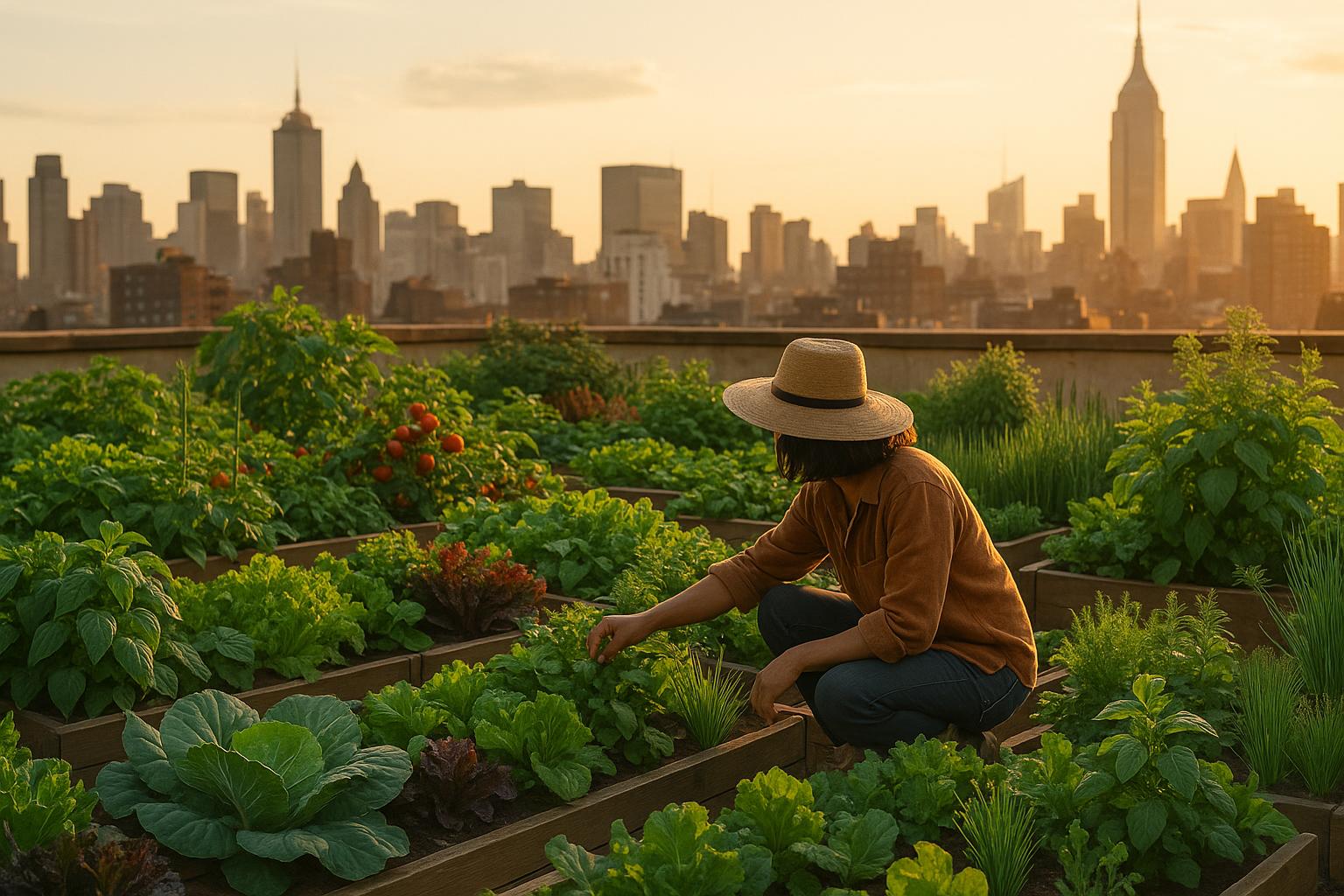
The Ultimate Guide to Fire Escape Garden Ideas: Safety, Style, and Success
Quick Summary
Dreaming of a lush, green oasis in your urban apartment? A fire escape garden can be a beautiful reality, but it requires a safety-first approach. The most important rule is to never obstruct the escape route; check your local fire codes and building regulations before starting [1] [2]. Focus on lightweight, hanging, and vertical containers to maximize space and minimize weight, and choose small, resilient plants like herbs and cut-and-come-again greens. With careful planning and the right techniques, you can transform this overlooked space into a thriving, practical garden.
Safety First: The Crucial Disclaimer for Your Fire Escape Garden
Before you buy a single bag of soil, the most critical step is understanding the legal and safety implications of a fire escape garden. Fire escapes are, first and foremost, emergency exit routes. Any obstruction can be a serious hazard, leading to fines, insurance issues, or worse, preventing a safe evacuation [1].
Legality and Local Codes
In many major cities, fire codes strictly prohibit placing anything on a fire escape, as it is considered a public right-of-way in an emergency [2]. While many urban gardeners still pursue this passion, you must be aware of the risks. Always consult your building management and local fire department for specific regulations. If you proceed, you are doing so at your own risk, and your garden must be instantly and completely movable.
Weight Limits and Structural Integrity
Fire escapes are designed to support the weight of people escaping a fire, not heavy garden materials. The weight of soil, water, and containers adds up quickly. A single gallon of water weighs over eight pounds, and wet soil is significantly heavier than dry soil.
| Material | Approximate Weight (per cubic foot) | Safety Implication |
|---|---|---|
| Dry Potting Mix | 10-15 lbs | Lightweight, but absorbs water. |
| Wet Potting Mix | 30-40 lbs | The true weight to consider. |
| Ceramic/Terracotta | Very heavy | Avoid entirely due to weight and fall risk. |
| Plastic/Fabric | Very light | Ideal choice for minimal weight. |
To ensure safety, you must commit to using the lightest materials possible. This is not the place for heavy stone or ceramic planters.
Preventing Hazards: The Fall Risk
A pot falling from a fire escape can cause serious injury to pedestrians below. All containers must be securely fastened. Avoid placing pots directly on the steps or walkways where they could be easily knocked over. Hanging systems should be rated for outdoor use and secured to the railing, not just resting on it.
Maximizing Space with Smart Fire Escape Garden Ideas
The beauty of a fire escape garden lies in its compact, vertical nature. Since you cannot block the path, you must think outward and upward.
The Power of Vertical Gardening
Vertical gardening is the key to a successful and compliant fire escape garden. This technique allows you to grow a significant amount of food or flowers without taking up precious floor space.
- Hanging Railing Planters: These are designed to hook over the railing. Look for models that can be mounted on the outside of the railing, facing away from the escape path [3]. This keeps the walkway clear while still allowing you to tend your plants from the inside.
- Tiered Shelf Systems: Use lightweight, collapsible metal or plastic shelving units that can be quickly folded and moved in an emergency. Place them against the wall, ensuring they do not protrude into the main path.
- Wall-Mounted Pockets: Fabric pocket planters or repurposed shoe organizers can be hung on the wall next to the window, allowing you to grow herbs and small greens without touching the fire escape structure itself.
Choosing the Right Containers
The type of container you choose is paramount for both weight and plant health.
- Fabric Grow Bags: These are incredibly lightweight, promote excellent drainage, and air-prune roots for healthier plants. They are an ideal choice for fire escape garden ideas.
- Lightweight Plastic or Resin Pots: Modern plastic planters are durable and much lighter than traditional materials. Choose self-watering versions to reduce the frequency of watering and the risk of water runoff.
- Coir or Peat Pots: These are biodegradable and extremely light. They are perfect for starting seeds or growing annual flowers.
Plant Selection: Small, Mighty, and Edible
Given the limited space, weight constraints, and often harsh microclimate of a fire escape (intense sun, wind, and heat), plant selection is crucial. Focus on small, productive, and resilient varieties.
Best Edibles for a Fire Escape
For a high-yield, low-maintenance garden, prioritize "cut-and-come-again" crops and compact herbs [4].
| Plant Type | Recommended Varieties | Why They Work on a Fire Escape |
|---|---|---|
| Leafy Greens | Loose-leaf lettuce, spinach, kale, arugula | Shallow roots, tolerate partial shade, and can be harvested continuously. |
| Herbs | Basil, mint, chives, parsley, thyme, oregano | Highly aromatic, compact growth, and thrive in small containers. |
| Small Vegetables | Radishes, carrots (round varieties), bush beans | Quick-growing and do not require deep soil or extensive trellising. |
| Fruiting Plants | Dwarf tomatoes (e.g., 'Micro Tom'), alpine strawberries | Extremely compact varieties that produce fruit in small pots. |
Flowers for Color and Pollinators
If you prefer flowers, choose annuals that don't require deep roots and can handle the wind.
- Petunias and Impatiens: Excellent for hanging baskets, providing a cascade of color.
- Marigolds: Hardy, colorful, and can help deter pests from your edible plants.
- Nasturtiums: Edible flowers and leaves, and they trail beautifully over the edge of a railing planter.
Essential Care and Maintenance Tips
A fire escape garden requires a slightly different approach to care than a traditional garden due to its unique environment.
Watering Wisdom
Containers on a fire escape dry out much faster than in-ground gardens, especially if they are exposed to full sun and wind.
- Check Daily: In the summer, you may need to water daily, or even twice a day. Stick your finger two inches into the soil; if it's dry, it's time to water.
- Use Saucers: Always place a saucer or drip tray beneath your pots to catch runoff. This prevents water from dripping onto your neighbors or the street, which is a common complaint [4].
- Drip Irrigation: Consider a small, battery-operated drip irrigation system. This saves time, conserves water, and ensures consistent moisture, which is vital for container plants.
Feeding Your Plants
Container plants quickly deplete the nutrients in their limited soil. Regular feeding is essential for a productive harvest.
- Slow-Release Fertilizer: Mix a granular, slow-release fertilizer into the potting mix at the beginning of the season. This provides a steady supply of nutrients over several months.
- Liquid Feed: Supplement with a balanced liquid fertilizer every two to four weeks, especially for heavy feeders like tomatoes and herbs.
Pest and Disease Management
Pests can find their way to even the highest fire escape. Inspect your plants regularly, paying close attention to the undersides of leaves.
- Natural Sprays: Use insecticidal soap or a neem oil solution to treat common pests like aphids and spider mites.
- Good Airflow: Ensure your plants are not packed too tightly. Good air circulation helps prevent fungal diseases like powdery mildew, which thrive in humid, stagnant conditions.
Common Mistakes to Avoid with Fire Escape Garden Ideas
Even the most enthusiastic urban gardener can make missteps when dealing with the constraints of a fire escape. Avoiding these common errors will ensure your garden remains safe, legal, and thriving.
1. Blocking the Path
This is the number one mistake and the most dangerous. Never place a container on the main path or steps. The fire escape must be completely clear for emergency use at all times. If you can't walk the full width of the escape without stepping around a pot, your garden is non-compliant and unsafe.
2. Using Heavy Containers
As discussed, heavy materials like terra cotta, stone, or concrete pose a significant structural risk. They also increase the danger if they fall. Stick to fabric, plastic, or lightweight metal.
3. Choosing the Wrong Soil
Do not use garden soil or topsoil. These are too dense, too heavy when wet, and do not drain well in containers. Always use a high-quality, lightweight potting mix specifically formulated for containers. Adding perlite or vermiculite can further improve drainage and reduce weight.
4. Ignoring the Wind
Fire escapes are often exposed to strong, unpredictable winds, which can knock over pots and desiccate plants.
- Secure Everything: Use strong wire or zip ties to secure all hanging planters and shelving units to the railing or wall.
- Windbreaks: If possible, use a lightweight, semi-permeable screen or trellis to create a gentle windbreak, but ensure it does not impede the escape route.
5. Overlooking Water Runoff
Water dripping onto the windows or balconies of your downstairs neighbors is a quick way to get your garden shut down. Always use saucers or drip trays, and be mindful of the volume of water you are applying.
Conclusion: Your Urban Oasis Awaits
Transforming a utilitarian fire escape into a vibrant garden is one of the most rewarding fire escape garden ideas for city dwellers. It’s a testament to the ingenuity and persistence of the urban gardener. By prioritizing safety, choosing the right lightweight materials, and selecting compact, productive plants, you can create a beautiful, functional, and compliant green space. Remember that every successful urban garden starts with a plan.
Ready to turn your fire escape garden ideas into a reality?
Start planning your high-yield, space-saving garden today with the Urban Grow Planner tool!
References
[1] 10 Things Nobody Tells You About Fire Escape Gardens - Gardenista [2] SEC. 57.1104.16.7.1. USE OF FIRE ESCAPE. - Los Angeles Municipal Code [3] Tips for fire escape garden : r/UrbanGardening - Reddit [4] Tips For Gardening On A Fire Escape - What Are The Best Plants To Grow On A Fire Escape - Gardening Know How
Related Articles
How To Start Urban Farming For Beginners
Ready to grow your own food? Learn how to start urban farming for beginners with this comprehensive guide on planning, small-space techniques, essential equipment, and common mistakes to avoid.
Balcony Garden Ideas For Beginners
Discover the ultimate balcony garden ideas for beginners! Learn how to maximize small spaces with vertical gardening, choose the best easy-to-grow plants, and avoid common mistakes. Start your urban oasis today!
Container Gardening For Beginners Step By Step
Start your urban garden with this step-by-step guide to container gardening for beginners. Learn about choosing pots, soil, plants, watering, and avoiding common mistakes.
How To Grow Vegetables On Apartment Balcony
Learn how to grow vegetables on apartment balcony with this ultimate guide. Get tips on sun, containers, soil, and the best compact crops for a successful urban garden.