Growing Arugula In Containers Year Round
Master growing arugula in containers year-round with this comprehensive guide. Learn about light, temperature, soil, and product tips for a continuous, peppery harvest.
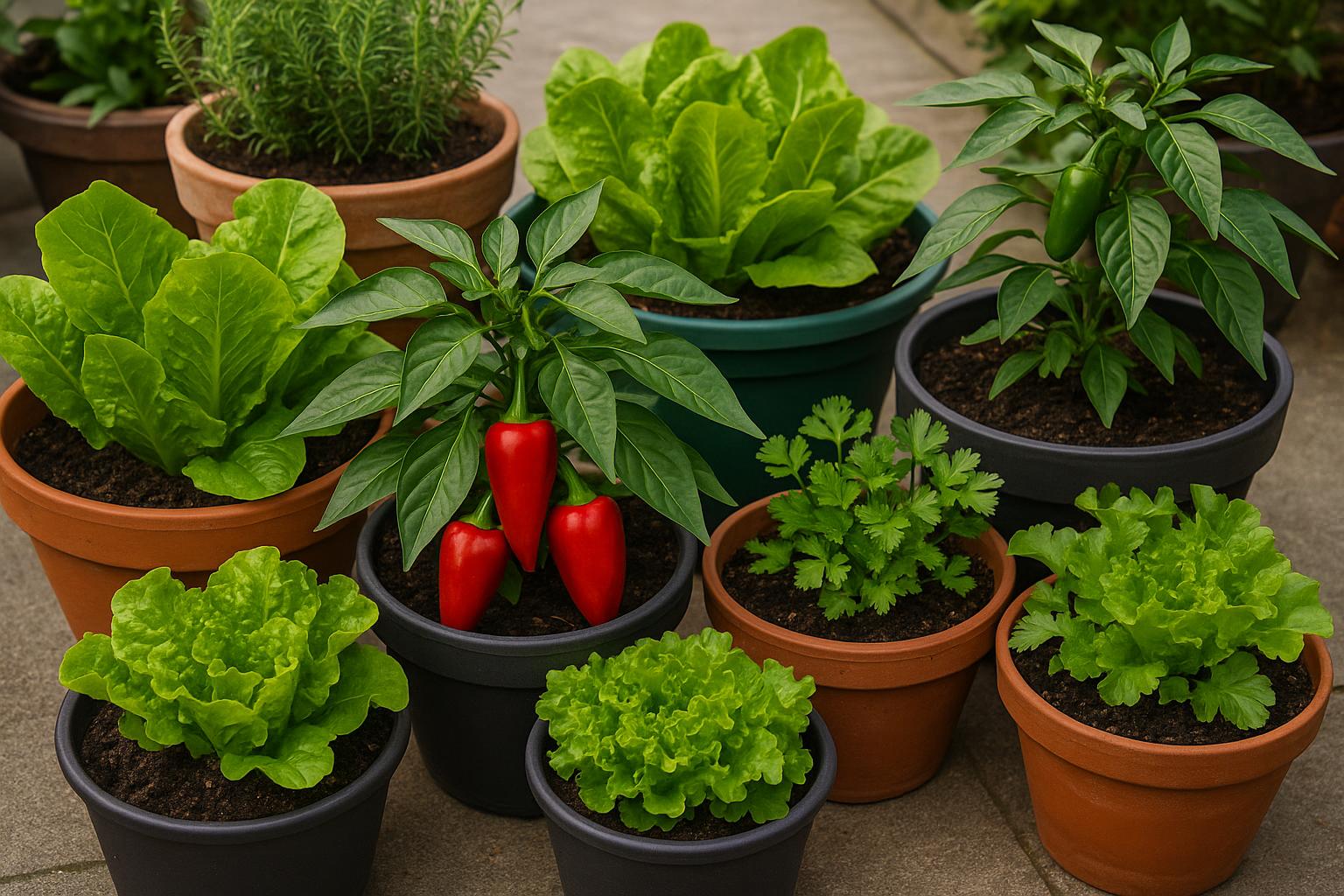
Master the Peppery Punch: Your Guide to Growing Arugula in Containers Year Round
Quick Summary: Arugula is a fast-growing, peppery green perfect for container gardening, especially for urban growers. To enjoy a continuous, year-round harvest, the key is managing temperature and light. Outdoors, plant in spring and fall, using partial shade in summer to prevent bolting. Indoors, use a south-facing window and supplement with full-spectrum LED grow lights for 12-14 hours daily. Maintain a cool environment, ideally between 60–70°F (15–21°C), and ensure consistent watering. By following these simple steps, you can have fresh, zesty arugula on your plate every single day.
Why Arugula is the Urban Gardener's Best Friend
Arugula, with its distinctive, zesty flavor, is a staple in many kitchens. For the urban gardener, it thrives in small spaces and is incredibly well-suited for container growing. Its shallow root system makes it an ideal candidate for pots, window boxes, and small indoor setups [2]. This adaptability is the first step toward achieving your goal of growing arugula in containers year round. The rapid growth cycle (30 to 40 days from seed to harvest) allows for "succession sowing" and container growing gives you complete environmental control, essential for a year-round harvest.
The Foundation: Choosing Your Container and Soil
Success in container gardening always starts with the right vessel and the right medium.
Selecting the Perfect Pot
Arugula needs a container at least 6 inches deep and 8 to 12 inches in diameter [2]. Wider containers are better for a fuller harvest. Ensure ample drainage holes; arugula needs consistent moisture, but soggy soil causes root rot. Plastic or glazed ceramic pots retain moisture better than terracotta.
The Ideal Soil Mix
The soil in a container is the plant's only source of nutrients. Start with a high-quality, organic potting mix designed for containers, avoiding garden soil. Arugula is a heavy feeder of nitrogen, so amend your potting mix with well-aged compost or a slow-release, organic granular fertilizer [1] to support lush, fast growth.
The Year-Round Strategy: Temperature and Light Control
The secret to growing arugula in containers year round is managing its cool-weather nature. Arugula bolts—sending up a flower stalk—when temperatures get too high, making leaves bitter. Your plan must focus on keeping the plant cool and providing consistent light.
Outdoor Growing: Spring, Summer, and Fall
Arugula thrives outdoors in spring and fall. Sow seeds in spring (germinating as low as 40°F [7]) and again in late summer for a fall harvest. Above 75°F (24°C), arugula bolts [12]. To extend the summer harvest, move containers to partial shade to delay bolting.
Indoor Growing: The Winter Solution
When outdoor temperatures are too extreme, move containers indoors. The ideal indoor temperature is 60–70°F (15–21°C) [12]. Place the container near a cooler window and away from heat vents. A south-facing window is best, but natural light is often insufficient in winter, requiring supplemental lighting.
Essential Product Recommendations for Indoor Success
To truly master growing arugula in containers year round, you will need to invest in a few key pieces of equipment to replicate the ideal outdoor conditions.
1. Full-Spectrum LED Grow Lights
The most important indoor tool is the full-spectrum LED grow light [11]. Look for a color temperature of 5000K to 6500K [12], which provides the blue light spectrum crucial for compact, leafy growth [13]. Set a timer for 12 to 14 hours of light per day [12], positioning the light 6 to 12 inches above the leaves for adequate intensity.
2. Self-Watering Containers or Moisture Meters
Arugula is sensitive to drying out; consistent moisture prevents bitterness [14]. Use self-watering pots for a steady supply, or a soil moisture meter to take the guesswork out of watering. If the meter reads "dry," it's time to water.
3. Small Fan for Air Circulation
Indoor environments can be stagnant, leading to fungal issues. A small, oscillating clip-on fan provides gentle air movement, strengthening stems and evaporating excess moisture to prevent disease.
Watering, Feeding, and Harvesting for Maximum Yield
Once your setup is complete, consistent care is what will keep your arugula producing.
The Watering Rule
Arugula is not drought-tolerant. Keep the soil consistently moist, like a wrung-out sponge, but never waterlogged. In warm weather or under grow lights, you may need to water daily. Water deeply until it drains from the bottom.
Fertilizing for Continuous Growth
Since you are constantly harvesting, container soil needs regular nutrient replenishment. Every two to three weeks, apply a diluted, balanced liquid organic fertilizer [1]. Look for a formula slightly higher in nitrogen to encourage lush leaf growth. Apply when watering, following product instructions.
The Cut-and-Come-Again Harvest
Arugula is a "cut-and-come-again" crop. Use clean scissors to snip the outer leaves, leaving the central, smaller leaves intact. Leave at least one-third of the plant to continue growing. Begin harvesting when leaves are 4 to 6 inches long; regular harvesting encourages more leaves.
Common Mistakes to Avoid When Growing Arugula in Containers Year Round
Even with the best intentions, a few common pitfalls can derail your year-round arugula production. Knowing what to watch out for is half the battle.
Mistake 1: Allowing the Soil to Dry Out
This is the number one killer of tender arugula flavor. Stress from lack of water causes bitterness and premature bolting. Never let the soil dry out completely [14]. Use a moisture meter or the "finger test" daily.
Mistake 2: Overheating and Bolting
High temperatures are the enemy. Bolting ruins the harvest. If you see a central stalk or bitter leaves, the plant is bolting. Immediately move the container to a cooler, shadier location. The best strategy is to sow new seeds in a fresh container.
Mistake 3: Planting Too Deeply
Arugula seeds are tiny and only need to be planted about 1/4 inch deep [15]. Planting too deep prevents germination. Simply sprinkle seeds over the soil and cover with a thin layer of potting mix.
Mistake 4: Ignoring Pests
Container gardening reduces pest pressure, but doesn't eliminate it. Indoors, watch for aphids or fungus gnats. Outdoors, flea beetles leave tiny "shot holes." For aphids, use a strong water spray or organic insecticidal soap. For flea beetles, cover the container with a lightweight row cover fabric.
Troubleshooting Your Arugula Harvest
| Problem | Cause | Solution |
|---|---|---|
| Leaves are Bitter/Spicy | High heat, lack of water, or the plant is bolting. | Move to a cooler, shadier spot. Increase watering consistency. Harvest quickly and sow new seeds. |
| Leaves have Small Holes | Flea beetles (most common outdoors). | Cover the container with a fine mesh row cover. Hand-pick or use organic insecticidal soap. |
| Yellowing Leaves | Overwatering (root rot) or nutrient deficiency (nitrogen). | Check drainage holes. Allow soil to dry slightly between waterings. Apply a nitrogen-rich liquid fertilizer. |
| Slow or Stunted Growth | Insufficient light (indoors) or poor soil quality. | Increase light duration to 14 hours with a full-spectrum LED grow light. Fertilize with a balanced liquid feed. |
Conclusion: Your Year-Round Arugula Journey Starts Now
Growing arugula in containers year round is a rewarding and simple process. By focusing on the two critical factors—cool temperatures and consistent light—you can bypass seasonal limitations. You now have the actionable, detailed information needed to succeed. Take the next step in your urban gardening adventure and start planning your continuous harvest today.
Ready to map out your year-round arugula plan and ensure you never run out of fresh greens?
Use the Urban Grow Planner tool to schedule your succession plantings, track your harvest dates, and manage your indoor and outdoor container rotations for a truly continuous supply!
Related Articles
How To Start Urban Farming For Beginners
Ready to grow your own food? Learn how to start urban farming for beginners with this comprehensive guide on planning, small-space techniques, essential equipment, and common mistakes to avoid.
Balcony Garden Ideas For Beginners
Discover the ultimate balcony garden ideas for beginners! Learn how to maximize small spaces with vertical gardening, choose the best easy-to-grow plants, and avoid common mistakes. Start your urban oasis today!
Container Gardening For Beginners Step By Step
Start your urban garden with this step-by-step guide to container gardening for beginners. Learn about choosing pots, soil, plants, watering, and avoiding common mistakes.
How To Grow Vegetables On Apartment Balcony
Learn how to grow vegetables on apartment balcony with this ultimate guide. Get tips on sun, containers, soil, and the best compact crops for a successful urban garden.