Growing Cherry Tomatoes In Hanging Baskets
Learn the secrets to growing cherry tomatoes in hanging baskets! This ultimate guide covers the best cascading varieties, ideal soil, critical watering tips, and common mistakes for a bountiful urban harvest.
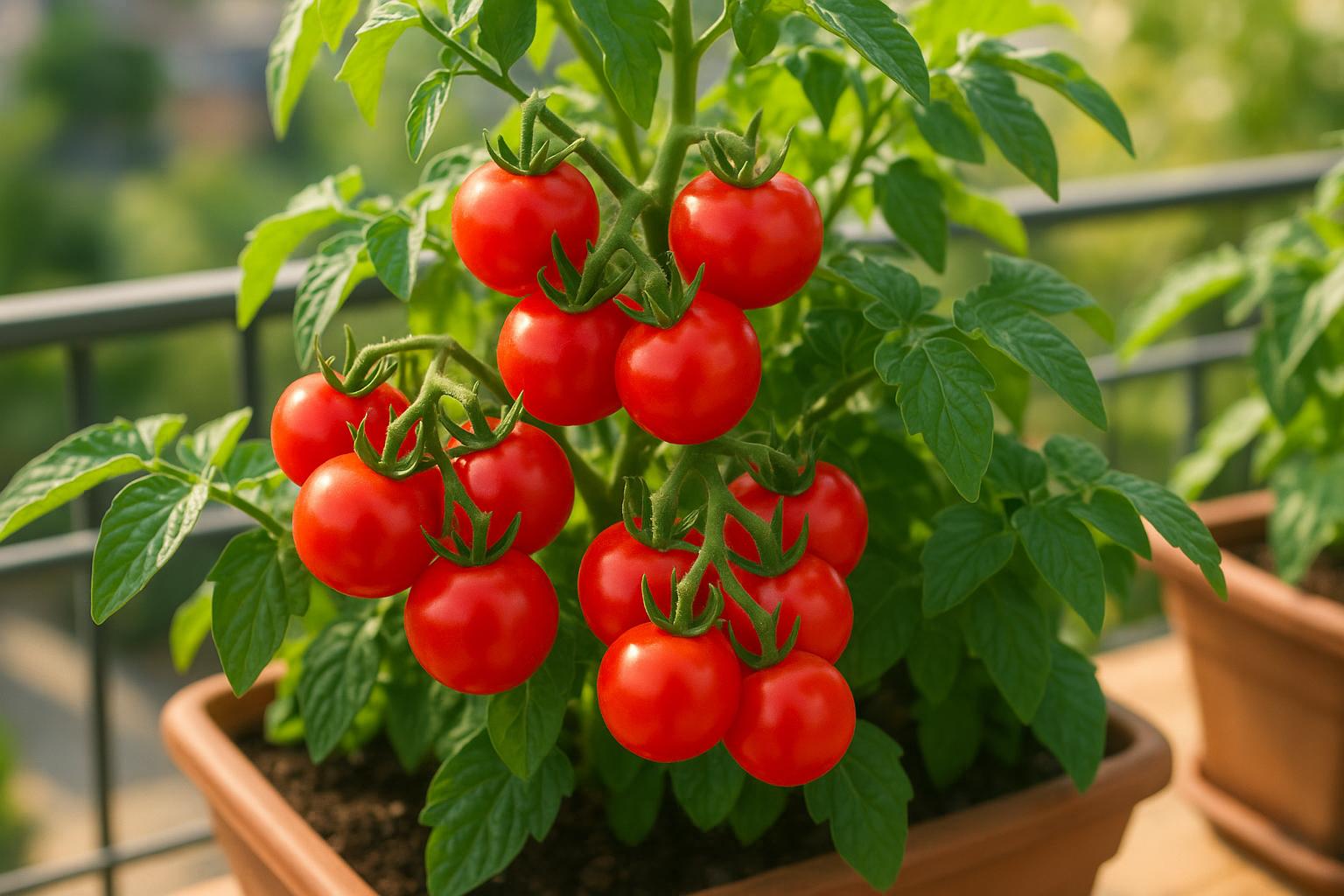
Master the Art of Growing Cherry Tomatoes in Hanging Baskets: Your Ultimate Guide
Quick Summary: Dreaming of fresh, sun-ripened cherry tomatoes but only have a small balcony or patio? Growing cherry tomatoes in hanging baskets is the perfect, space-saving solution for urban gardeners. This comprehensive guide will walk you through selecting the best cascading varieties, choosing the right container and soil, mastering the critical watering routine, and avoiding common mistakes to ensure a bountiful, beautiful harvest right at eye level. Get ready to transform your small space into a productive edible garden!
Why Hanging Baskets are a Game-Changer for Urban Tomato Growers
For anyone with limited space, the idea of a thriving tomato harvest might seem like a distant dream. However, hanging baskets offer a brilliant, multi-faceted solution that makes tomato gardening accessible and incredibly rewarding, even in the smallest urban settings.
Space-Saving Solution
The most obvious benefit is the vertical space they reclaim. By moving your tomato plants up and off the ground, you free up valuable floor space on balconies, patios, and decks. This vertical approach is the cornerstone of successful urban gardening, allowing you to maximize your yield without needing a traditional garden plot. A well-placed hanging basket can turn a drab corner into a vibrant, productive food source.
Pest and Disease Management
Hanging baskets naturally elevate your plants, which is a powerful defense against many common garden pests and soil-borne diseases. Since the foliage and fruit are kept off the ground, the risk of fungal diseases like blight, which often splash up from the soil during watering, is significantly reduced. Furthermore, ground-crawling pests find it much harder to access your precious fruit, leading to cleaner, healthier plants and a higher-quality harvest.
Easy Harvesting
Say goodbye to back-breaking bending! With your cherry tomatoes suspended at eye level, harvesting becomes a simple, enjoyable task. The cascading nature of the best hanging basket varieties means the fruit is often displayed beautifully, making it easy to spot and pick the ripe ones. This convenience encourages more frequent harvesting, which in turn stimulates the plant to produce even more fruit.
Aesthetic Appeal
Beyond the practical benefits, a hanging basket full of cascading tomato vines is simply stunning. The vibrant green foliage and the pops of red, yellow, or orange fruit create a beautiful, edible display that adds charm and life to any outdoor space. It’s a functional piece of décor that proves gardening can be both productive and visually appealing.
Step 1: Selecting the Perfect Cherry Tomato Variety
The single most important decision you will make when starting your hanging basket project is choosing the right tomato variety. Not all tomatoes are created equal, and selecting the wrong type is the number one reason for failure in container gardening.
The Determinate Difference
Tomatoes are generally categorized as either determinate or indeterminate. Understanding this difference is crucial for success in a hanging basket:
- Indeterminate varieties are vining plants that continue to grow, flower, and produce fruit throughout the entire season until frost. They can reach heights of 6 to 10 feet and require extensive staking or caging. They are completely unsuitable for hanging baskets.
- Determinate varieties, often called "bush" tomatoes, grow to a compact, predetermined height (usually 3 to 4 feet), produce their fruit in a concentrated period, and then stop growing. They require minimal staking and are perfectly suited for containers.
For hanging baskets, you need a specific type of determinate tomato: a compact, cascading cherry tomato. These varieties are bred to have flexible stems that naturally trail over the edge of the container, creating that beautiful, easy-to-harvest waterfall of fruit.
Recommended Types for Hanging Baskets
When shopping for seeds or seedlings, look for varieties specifically labeled as "basket," "patio," or "cascading." Here are some of the most reliable and popular types:
- 'Tumbling Tom' (Red and Yellow): This is the classic choice for hanging baskets. It’s a prolific producer of sweet, small cherry tomatoes and its vines naturally cascade, making it an ideal candidate for growing cherry tomatoes in hanging baskets.
- 'Cherry Falls': As the name suggests, this variety is bred specifically for containers and hanging baskets, offering a heavy yield of medium-sized cherry tomatoes on a compact, trailing plant.
- 'Gartenperle': A German heirloom variety known for its high yield and small, sweet fruit. It has a very compact, bushy habit that works well in smaller baskets.
- 'Little Birdy Red Robin': An extremely compact micro-dwarf variety, perfect for the smallest baskets or window boxes, though its yield will be smaller than the Tumbling Toms.
By choosing a determinate, cascading variety, you ensure your plant will remain manageable, produce fruit efficiently, and look spectacular hanging from your porch or balcony.
Step 2: Choosing and Preparing Your Hanging Basket
The container itself plays a vital role in the health and productivity of your tomato plant. Skimping on size or material can lead to a stressed, underperforming plant.
Size Matters
Tomatoes are heavy feeders and drinkers, and their roots need room to grow. A common mistake is using a basket that is too small.
- Minimum Size: Aim for a basket that is at least 12 to 14 inches wide and can hold a minimum of 5 gallons of potting mix.
- Why Bigger is Better: Smaller baskets dry out incredibly fast, sometimes multiple times a day in the summer heat. This rapid fluctuation in moisture is the primary cause of blossom end rot and general plant stress. A larger volume of soil acts as a buffer, retaining moisture longer and keeping the root temperature more stable.
Material Options (Product Recommendations - Types)
The material of your basket will dictate your watering frequency and overall maintenance.
| Basket Type | Pros | Cons |
|---|---|---|
| Plastic/Resin Baskets | Excellent moisture retention, lightweight, durable, often come in self-watering designs. | Less traditional aesthetic, can heat up roots if placed in direct, intense sun. |
| Wire with Coir/Moss Liner | Classic, natural look, excellent drainage and aeration. | Dries out the fastest, requires the most diligent watering, liners need replacement. |
| Self-Watering Baskets | Best for consistent moisture, includes a reservoir to reduce watering frequency. | Can be heavier when full, often more expensive. |
For the urban gardener who is often busy, a self-watering basket is a fantastic investment, as it helps maintain the consistent moisture level that tomatoes crave.
Lining and Drainage
Regardless of the material, proper drainage is non-negotiable. Ensure your basket has ample drainage holes at the bottom. If you are using a wire basket, make sure your liner (coir, moss, or even a layer of landscape fabric) is thick enough to hold the soil securely while still allowing excess water to escape. Never block the drainage holes.
Step 3: The Ideal Soil and Planting Technique
The soil in a hanging basket is the plant’s entire world, so it must be perfect. You cannot simply use soil from your garden.
The Right Mix
You MUST use a high-quality, lightweight potting mix. Garden soil or topsoil is too dense; it compacts easily, suffocates the roots, and prevents proper drainage, leading to root rot. A good potting mix is sterile, light, and designed to hold moisture while remaining airy.
Moisture Retention Boosters (Product Recommendations - Types)
To give your tomatoes the best start and help manage the unique challenges of a hanging environment, consider amending your potting mix:
- Perlite or Vermiculite: These lightweight minerals are often already in high-quality mixes, but adding an extra handful or two will significantly improve aeration and moisture retention. Perlite is better for drainage, while vermiculite holds more water.
- Slow-Release Granular Fertilizer: Mixing a balanced, slow-release fertilizer into the soil at planting time provides a steady supply of nutrients for the first few weeks, giving your plant a strong foundation.
Planting
Resist the urge to overplant. Overcrowding is a common mistake that leads to competition for nutrients and water, resulting in a poor harvest.
- Planting Density: Plant only one, maximum two, small tomato plants per 12-14 inch basket.
- Bury the Stem Deep: Tomatoes are unique in that they can grow roots all along their stem. When planting, gently remove the lowest set of leaves and bury the stem deep into the soil, leaving only the top few inches of foliage exposed. This creates a stronger, more robust root system, which is essential for a plant that will be supporting a heavy load of fruit.
Step 4: Essential Care for Thriving Hanging Tomatoes
Once your basket is hung, the real work—and the real reward—begins. Consistent, attentive care is the key to a massive harvest.
Sunlight and Location
The Golden Rule
Tomatoes are sun-worshippers. They require a minimum of 6 to 8 hours of direct sunlight daily. If your location receives less than this, your plants will be leggy, produce few flowers, and yield little fruit.
Protection
Hang your basket in a location that is sheltered from strong, persistent winds. Wind can rapidly wick moisture from the soil and damage the delicate vines and flowers. If your balcony is particularly windy, consider placing the basket near a wall or railing for protection.
Rotation
To ensure even, balanced growth and prevent your plant from leaning too heavily toward the light source, rotate the basket a quarter turn every week.
The Critical Task: Watering
Watering is the single most critical factor when growing cherry tomatoes in hanging baskets. The small volume of soil, combined with exposure to sun and wind, means they dry out rapidly.
Consistency is Key
The most common cause of blossom end rot (a dark, sunken spot on the bottom of the fruit) is inconsistent watering—periods of drought followed by heavy watering. Your goal is to keep the soil consistently moist, like a wrung-out sponge.
Daily Check
In the peak of summer, you will likely need to check the soil daily, and possibly twice a day during heatwaves. Stick your finger about an inch deep into the soil. If it feels dry, it’s time to water. Never wait until the plant is wilting dramatically, as this causes significant stress.
Watering Technique (Specific Tips)
- Water Slowly and Deeply: Water until you see it running freely out of the drainage holes. This ensures the entire root ball is saturated.
- Target the Soil: Use a long-spouted watering can to direct the water to the soil surface, avoiding splashing the leaves. Wet leaves, especially in the evening, can encourage fungal diseases.
- Mulch the Top: Apply a thin layer of mulch—shredded leaves, straw, or even a layer of light-colored pebbles—to the top of the soil. This dramatically reduces water evaporation and helps keep the roots cool.
Feeding Your Fruit
Tomatoes are famously "heavy feeders," meaning they require a steady supply of nutrients to produce a large crop. Since the nutrients in the potting mix are quickly depleted by frequent watering, you must supplement with fertilizer.
Fertilizer Schedule (Specific Tips)
- Initial Growth (First 4-6 Weeks): Use a balanced liquid fertilizer (e.g., 10-10-10 or similar NPK ratio) every two weeks. This encourages strong, healthy foliage.
- Fruiting Stage (After Flowers Appear): Switch to a fertilizer that is higher in Phosphorus (P) and Potassium (K) and lower in Nitrogen (N). Look for ratios like 5-10-10 or 3-4-6. The "P" and "K" encourage flower and fruit production. Apply this fertilizer every 7 to 10 days, following the product's dilution instructions carefully.
Common Mistakes to Avoid When Growing Cherry Tomatoes in Hanging Baskets
Even experienced gardeners can stumble when transitioning to hanging baskets. By being aware of these pitfalls, you can ensure a smooth, successful season.
Mistake 1: Choosing the Wrong Variety
As mentioned, using indeterminate, large-fruited varieties will lead to a massive, unmanageable plant that quickly becomes root-bound and unproductive. Stick strictly to the compact, determinate, and cascading cherry types.
Mistake 2: Underestimating Water Needs
The most frequent mistake is allowing the basket to dry out completely. A wilted tomato plant is a stressed tomato plant. If you are struggling with daily watering, invest in a larger basket or a self-watering system.
Mistake 3: Using Garden Soil
Garden soil compacts into a dense brick in a container, preventing oxygen from reaching the roots and causing waterlogging. Always use a premium, lightweight potting mix.
Mistake 4: Overcrowding
Planting three or four seedlings in a single 12-inch basket is a recipe for disaster. The plants will compete fiercely, and none will thrive. One plant per basket is ideal; two is the absolute maximum for a large basket.
Mistake 5: Neglecting to Feed
A plant that is frequently watered is a plant that is frequently losing nutrients. If you skip the regular fertilizer schedule, your plants will struggle to produce the abundant, sweet fruit you are hoping for. Consistent feeding is non-negotiable for container tomatoes.
Harvesting and Enjoying Your Bounty
The best part of growing cherry tomatoes in hanging baskets is the harvest!
When to Pick
Harvest your cherry tomatoes when they are fully colored and have a slight give when gently squeezed. They should detach easily from the vine with a gentle twist. Picking them promptly encourages the plant to put energy into ripening the next batch of fruit.
Continuous Harvest
While determinate varieties produce a large flush of fruit, consistent picking will help prolong the harvest period. Enjoy them fresh off the vine—there is truly no better taste!
Ready to Plan Your Best Urban Garden Yet?
Growing cherry tomatoes in hanging baskets is one of the most rewarding ways to garden in a small space. With the right variety, a large enough container, and a commitment to consistent watering and feeding, you will be enjoying a cascade of sweet, homegrown fruit all season long.
Don't let the planning process slow you down. To help you map out your space, track your planting dates, and schedule your feeding and watering routine, we encourage you to use the Urban Grow Planner tool. It’s the perfect companion to ensure your hanging basket project—and all your urban gardening endeavors—are a smashing success! Happy gardening!
Related Articles
How To Start Urban Farming For Beginners
Ready to grow your own food? Learn how to start urban farming for beginners with this comprehensive guide on planning, small-space techniques, essential equipment, and common mistakes to avoid.
Balcony Garden Ideas For Beginners
Discover the ultimate balcony garden ideas for beginners! Learn how to maximize small spaces with vertical gardening, choose the best easy-to-grow plants, and avoid common mistakes. Start your urban oasis today!
Container Gardening For Beginners Step By Step
Start your urban garden with this step-by-step guide to container gardening for beginners. Learn about choosing pots, soil, plants, watering, and avoiding common mistakes.
How To Grow Vegetables On Apartment Balcony
Learn how to grow vegetables on apartment balcony with this ultimate guide. Get tips on sun, containers, soil, and the best compact crops for a successful urban garden.