Growing Cucumbers Vertically In Containers
Master growing cucumbers vertically in containers! Learn the best varieties, container sizes, trellis systems, and care tips for a huge, healthy harvest in your urban space.
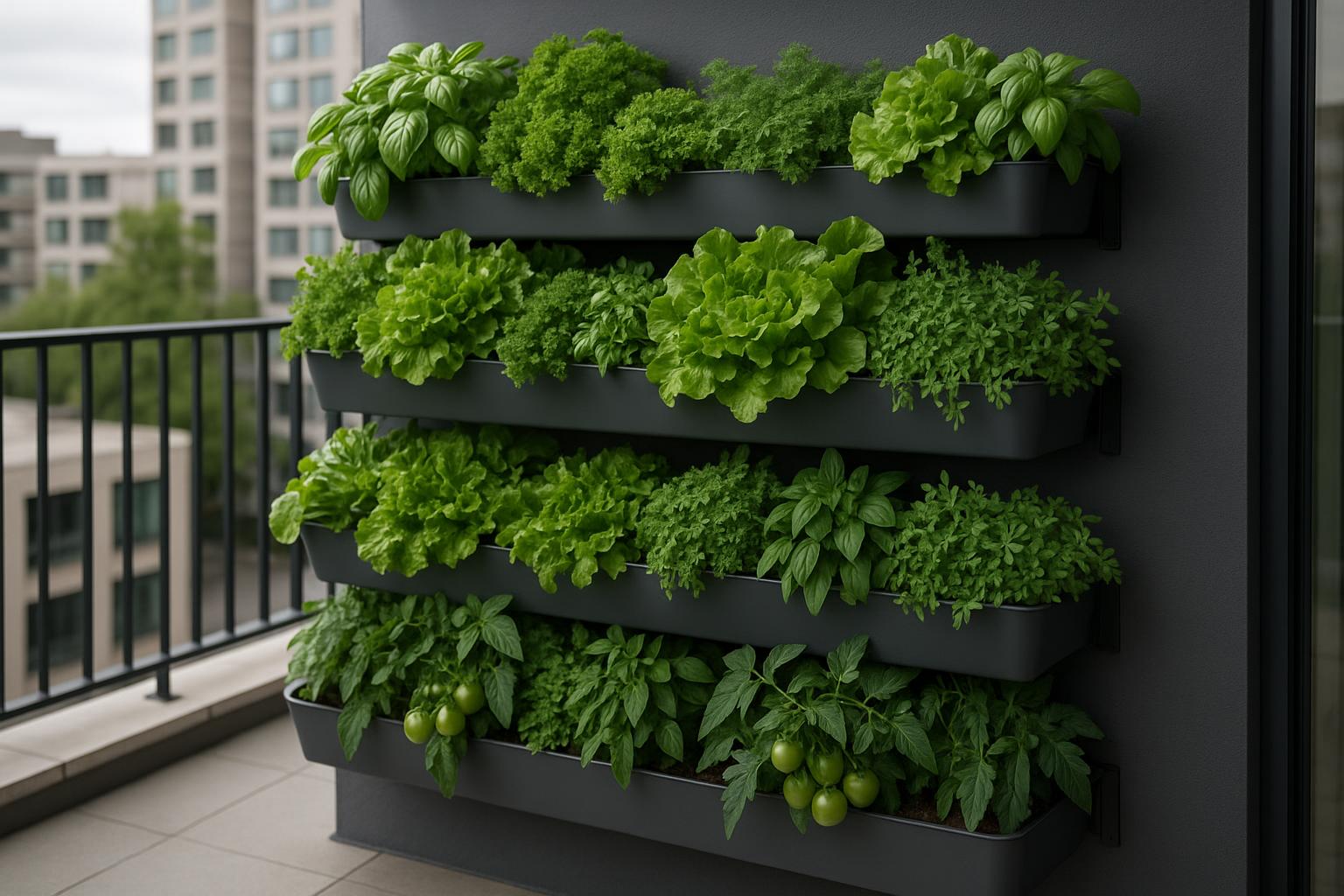
Master the Art of Growing Cucumbers Vertically in Containers: Your Ultimate Guide to a Bountiful Harvest
Quick Summary: Growing cucumbers vertically in containers is the perfect solution for urban gardeners and those with limited space. This method maximizes yield, minimizes disease, and makes harvesting a breeze. Success hinges on choosing the right cucumber variety (vining or bush), selecting a large enough container (at least 5-10 gallons), providing a sturdy vertical support system (trellis, cage, or string), and maintaining consistent watering and feeding. Avoid common mistakes like small pots or inconsistent moisture, and you'll be enjoying crisp, homegrown cucumbers all season long.
Why Go Vertical? The Benefits of Growing Cucumbers in Containers
For the urban gardener, space is a precious commodity. Traditional cucumber growing can quickly turn a small balcony or patio into a sprawling jungle. Fortunately, the solution is simple and elegant: vertical gardening. By training your cucumber plants to grow upwards, you transform a horizontal space problem into a vertical opportunity.
Growing cucumbers vertically in containers offers a host of benefits beyond just saving space. When plants are lifted off the ground, air circulation improves dramatically, which is a powerful defense against common fungal diseases like powdery mildew [1]. Furthermore, the fruit hangs freely, preventing the misshapen, yellowed spots that often occur when cucumbers rest on damp soil. This also keeps them clean and makes them incredibly easy to spot and pick.
Container gardening itself provides a level of control that in-ground gardening often lacks. You can precisely manage the soil composition, nutrients, and moisture levels, creating the perfect micro-environment for your plants. This is especially important for cucumbers, which are heavy feeders and drinkers.
Choosing Your Champion: Cucumber Varieties for Vertical Container Growing
The first step to success is selecting the right cucumber variety. Cucumbers fall into two main categories: bush and vining. While bush varieties are compact and don't strictly need a trellis, vining varieties are the true stars of vertical gardening, offering the highest yields.
Vining Varieties (The Vertical Climbers)
Vining cucumbers produce long, vigorous stems that can easily climb a trellis, making them ideal for maximizing vertical space. Look for varieties labeled as "slicing" or "pickling" that are known for their climbing habit.
- Slicing Cucumbers: Varieties like 'Marketmore' or 'Straight Eight' are excellent choices. They produce long, straight fruit and thrive when given a sturdy support system.
- Pickling Cucumbers: Varieties such as 'Boston Pickling' or 'National Pickling' are also vigorous climbers. Their smaller fruit size is perfect for hanging freely from a trellis.
Bush Varieties (The Compact Option)
If your space is extremely limited, or you prefer a slightly less aggressive plant, bush varieties are a great alternative. While they don't climb as high, they still benefit from a small cage or support to keep the fruit off the soil.
- Compact Bush Types: Look for names like 'Spacemaster 80,' 'Bush Champion,' or 'Patio Pickler.' These are specifically bred to have shorter vines and are perfect for smaller containers [2].
Pro Tip: Consider choosing parthenocarpic varieties. These plants produce fruit without the need for pollination, which is a huge advantage when gardening on a balcony where natural pollinators might be scarce.
The Foundation: Selecting the Right Container and Soil
The container is the entire world for your cucumber plant, so size matters—a lot. Cucumbers are thirsty plants with surprisingly extensive root systems, and a small pot will lead to a stressed, low-yielding plant.
Container Size Recommendations
| Cucumber Type | Minimum Container Size | Ideal Container Size | Why Size Matters |
|---|---|---|---|
| Vining (Vertical) | 5 gallons (19 liters) per plant | 10 gallons (38 liters) per plant | Supports the weight of the vine and fruit; provides a buffer against drying out. |
| Bush (Compact) | 3 gallons (11 liters) per plant | 5 gallons (19 liters) per plant | Prevents the plant from becoming root-bound; reduces the need for constant watering. |
Choose containers made of materials that allow for good drainage. Fabric grow bags, large plastic pots, or half whiskey barrels are all excellent choices. Ensure your container has ample drainage holes to prevent the roots from sitting in soggy soil, which is a fast track to root rot.
The Perfect Potting Mix
Never use garden soil in a container. It compacts too easily, restricting root growth and drainage. Instead, use a high-quality, well-draining potting mix.
A good mix should be light and airy. You can create your own by combining a standard potting mix with amendments like coco coir or peat moss to help retain moisture, and perlite or vermiculite to ensure good aeration [3]. Cucumbers are heavy feeders, so incorporating a slow-release granular fertilizer into the mix at planting time is a smart move.
Building Up: Your Vertical Support System
The "vertical" part of growing cucumbers vertically in containers is the most crucial element. A sturdy support system is non-negotiable for vining varieties. The support must be installed before planting to avoid damaging the roots later.
Types of Vertical Supports
- Trellises: These are the most common and versatile option. A simple A-frame trellis or a flat panel of wire mesh (like cattle or hog paneling) secured to the back of the container works wonderfully. For containers, a fan-shaped or obelisk trellis that sits directly in the pot is ideal.
- Cages: While tomato cages can work for bush varieties, they are often too flimsy for the heavy vines and fruit of vining cucumbers. If you use a cage, ensure it is made of heavy-gauge wire and is securely anchored.
- String Training: This method is popular in greenhouses but can be adapted for containers. You secure a strong piece of twine or heavy-duty garden string to a support structure above the plant (like a pergola or balcony railing) and anchor the other end near the base of the plant. As the plant grows, you gently wrap the main vine around the string [4].
Key Tip: Cucumbers climb using tiny, coiling tendrils. These tendrils need something thin to grab onto. Ensure your trellis or support has thin wires, netting, or strings for the tendrils to easily wrap around.
The Daily Routine: Watering, Feeding, and Pruning
Cucumbers are notoriously demanding when it comes to care. They require consistency, especially in a container where the soil volume is limited and dries out quickly.
Consistent Watering is Non-Negotiable
Cucumbers are over 90% water, and container soil heats up and dries out much faster than garden soil. In the heat of summer, you may need to water your plants once or even twice a day. Inconsistent watering is the number one cause of bitter-tasting cucumbers and blossom end rot.
- Moisture Check: Stick your finger about an inch or two into the soil. If it feels dry, it's time to water.
- Deep Watering: Water slowly and deeply until you see water draining from the bottom of the container. This ensures the entire root ball is saturated.
- Mulch: Apply a layer of organic mulch (like straw or shredded leaves) to the top of the container soil. This helps keep the roots cool and significantly reduces water evaporation.
Feeding for a Bountiful Harvest
Cucumbers are heavy feeders, especially once they start flowering and setting fruit. They need a steady supply of nutrients to support their rapid growth and high yield.
- Initial Feed: As mentioned, mix a slow-release granular fertilizer into the potting mix at planting.
- Regular Feed: Once the plant starts producing flowers, switch to a liquid fertilizer applied every 7 to 14 days. Look for a balanced fertilizer or one slightly higher in potassium and phosphorus to encourage flowering and fruiting. Avoid high-nitrogen fertilizers, which will produce lots of leaves but few cucumbers.
Pruning for Health and Yield
Pruning is essential for maximizing yield and maintaining plant health, especially when growing cucumbers vertically in containers. The goal is to direct the plant's energy into fruit production and keep the vertical growth manageable.
- Remove Lower Leaves: Once the plant is established and climbing, remove the bottom 12 inches of leaves. These older leaves are the most susceptible to disease and are not contributing much to photosynthesis.
- Prune Suckers/Lateral Shoots: Many gardeners recommend removing the first four to six lateral shoots (or "suckers") that emerge from the main vine. These shoots often produce male flowers first and can crowd the plant. Allowing the plant to focus on the main vine and upper lateral shoots will improve air flow and concentrate energy on fruit production.
Common Mistakes to Avoid When Growing Cucumbers Vertically
Even experienced gardeners can make simple mistakes that sabotage a cucumber harvest. Being aware of these pitfalls will help you ensure a successful season.
1. Planting Too Early
Cucumbers are extremely sensitive to cold. They should not be planted outdoors until all danger of frost has passed and the soil temperature is consistently above 60°F (15°C). Planting too early will stunt their growth, and they may never fully recover.
2. Using a Container That Is Too Small
This is the most common mistake in container gardening. A small pot restricts root growth, causes the soil to dry out rapidly, and starves the plant of nutrients. Always err on the side of a larger container than you think you need. Remember, the larger the container, the less frequently you have to water.
3. Inconsistent Watering
As detailed above, inconsistent moisture is the enemy of the cucumber. It leads to bitter fruit, misshapen cucumbers, and physiological disorders like blossom end rot (though this is more common in tomatoes, it can affect cucumbers).
4. Not Providing Adequate Sunlight
Cucumbers are sun-worshippers. They require a minimum of six to eight hours of direct sunlight per day [5]. If your urban space is shady, consider using a reflective surface near the container to bounce light onto the plant, or choose a location that gets full afternoon sun.
5. Ignoring Pests and Diseases
Vertical gardening helps with air circulation, but it doesn't eliminate all problems. Keep an eye out for common pests like aphids and spider mites. A strong blast of water or an application of insecticidal soap can usually control them. The most common disease is powdery mildew, which appears as a white, dusty coating on the leaves. Pruning for air flow and applying a fungicide (like a diluted milk spray or neem oil) at the first sign of infection is crucial.
Product Recommendations (By Type, Not Brand)
To help you get started, here are the types of products you should look for when setting up your vertical cucumber garden:
| Product Type | Description and Key Features |
|---|---|
| Container | Fabric Grow Bags (5-10 gallon size) or Large Plastic Nursery Pots (with excellent drainage). Fabric bags are breathable and prevent root circling. |
| Vertical Support | Heavy-Duty Wire Mesh Trellis (e.g., a section of cattle panel) or a Wooden Obelisk Trellis. Must be strong enough to support 20+ pounds of fruit and vine. |
| Potting Mix | Premium Container Potting Mix amended with Coco Coir or Peat Moss for moisture retention, and Perlite for drainage. |
| Fertilizer | Slow-Release Granular Fertilizer (balanced NPK) for initial planting, and a Water-Soluble Liquid Fertilizer (balanced or slightly higher in P and K) for weekly feeding. |
| Pest Control | Neem Oil Spray or Insecticidal Soap for organic control of aphids and spider mites. |
The Final Harvest: Enjoying Your Success
Once your plants begin to produce, harvest the cucumbers frequently. Picking the fruit encourages the plant to produce even more. Check your vines daily, as cucumbers can grow surprisingly fast, sometimes doubling in size overnight.
Harvesting when the fruit is young and tender ensures the best flavor and texture. Use a sharp knife or shears to cut the stem just above the fruit, being careful not to damage the vine.
Growing cucumbers vertically in containers is a deeply rewarding experience. It’s a testament to how much food you can produce in a small space with the right techniques. The crisp, cool taste of a homegrown cucumber, picked just moments before you eat it, is a flavor that simply cannot be matched by store-bought produce.
Ready to Plan Your Urban Garden?
Now that you have the knowledge to master growing cucumbers vertically in containers, it's time to put your plan into action!
Don't leave your garden layout to chance. Use the Urban Grow Planner tool to map out your container placement, track your planting dates, and schedule your watering and feeding regimen. It’s the perfect companion to ensure your vertical cucumber garden thrives.
Happy gardening!
References
[1] Savvy Gardening. How to Grow Cucumbers in a Container Garden. [URL: https://savvygardening.com/how-to-grow-cucumbers-in-a-container-garden/] [2] Kellogg Garden. Growing Cucumbers In Pots & Containers. [URL: https://kellogggarden.com/blog/gardening/container-gardening/growing-cucumbers-in-pots-and-containers/] [3] Nextdoor Homestead. How to Grow Cucumbers in Containers: 9 Tips for Success. [URL: https://nextdoorhomestead.com/blog/9-tips-grow-cucumbers-containers-pots/] [4] The Art of Doing Stuff. How to String Train Cucumbers for less disease and easier.... [URL: https://www.theartofdoingstuff.com/string-training-cucumbers/] [5] Epic Gardening. 15 Mistakes to Avoid When Growing Cucumbers This Season. [URL: https://www.epicgardening.com/cucumber-mistakes/]
Related Articles
How To Start Urban Farming For Beginners
Ready to grow your own food? Learn how to start urban farming for beginners with this comprehensive guide on planning, small-space techniques, essential equipment, and common mistakes to avoid.
Balcony Garden Ideas For Beginners
Discover the ultimate balcony garden ideas for beginners! Learn how to maximize small spaces with vertical gardening, choose the best easy-to-grow plants, and avoid common mistakes. Start your urban oasis today!
Container Gardening For Beginners Step By Step
Start your urban garden with this step-by-step guide to container gardening for beginners. Learn about choosing pots, soil, plants, watering, and avoiding common mistakes.
How To Grow Vegetables On Apartment Balcony
Learn how to grow vegetables on apartment balcony with this ultimate guide. Get tips on sun, containers, soil, and the best compact crops for a successful urban garden.