Growing Lettuce In Containers On Balcony
Learn how to successfully grow crisp, fresh lettuce in containers on your balcony! Get expert tips on containers, soil, watering, and avoiding common mistakes.
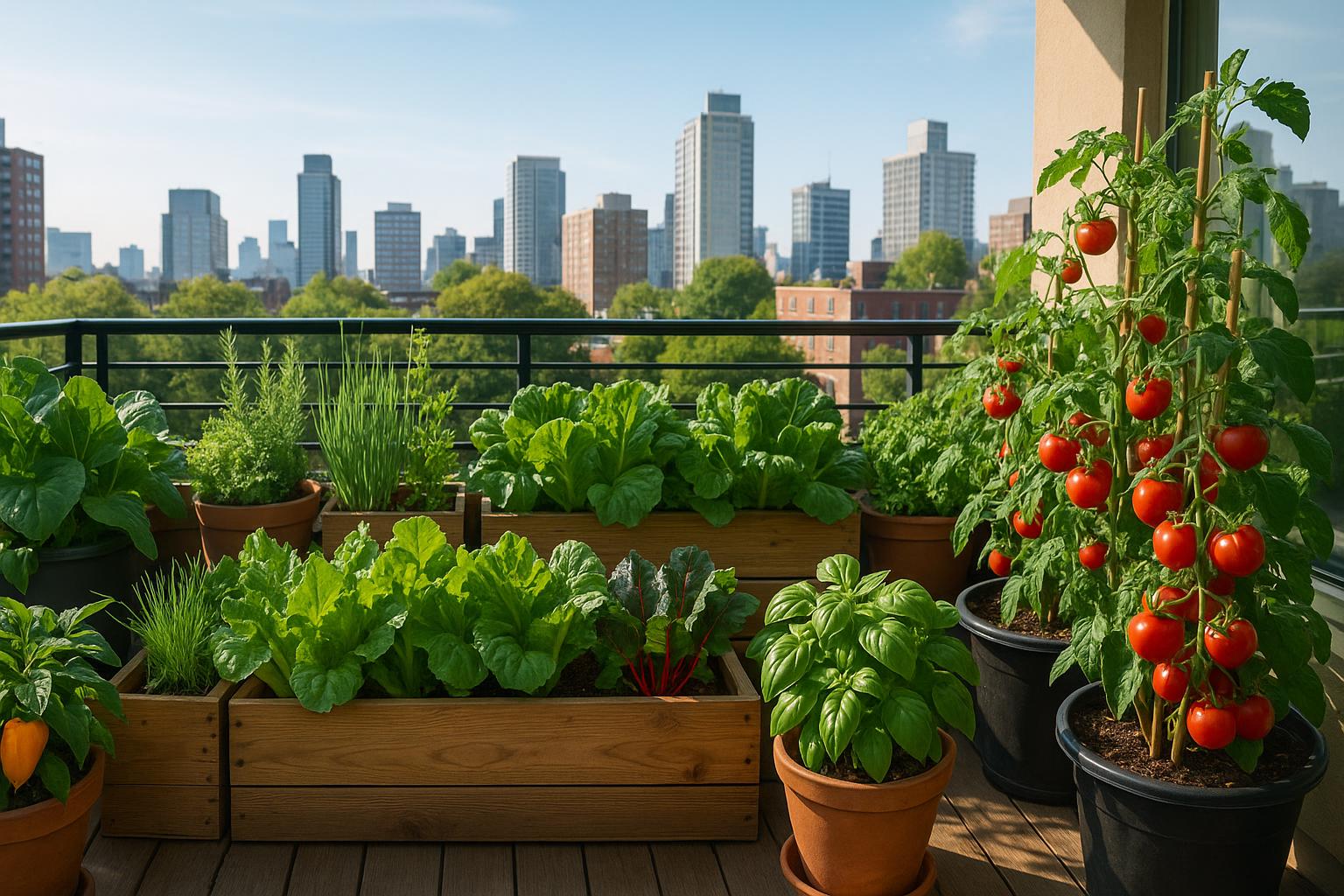
Your Ultimate Guide to Growing Lettuce in Containers on Balcony
Quick Summary: Dreaming of fresh, crisp lettuce just steps from your kitchen? You can absolutely achieve it! Growing lettuce in containers on balcony spaces is one of the most rewarding and easiest urban gardening projects. The key is understanding lettuce's love for cool temperatures, consistent moisture, and shallow roots. Choose wide, shallow containers with excellent drainage, use a high-quality potting mix, and place them in a spot that gets morning sun and afternoon shade. By following a few simple steps, you can enjoy a continuous supply of homegrown greens all season long.
Why Start Growing Lettuce in Containers on Balcony Spaces?
There is nothing quite like the taste of freshly harvested lettuce. For urban dwellers, the balcony is a precious piece of real estate, and lettuce is a fast-growing, high-yield crop that thrives in the controlled environment of a container. It’s also relatively pest-resistant and doesn't require deep soil, making it perfect for shallow pots and railing planters.
This guide will walk you through every step, ensuring your journey to growing lettuce in containers on balcony is a success. We'll cover everything from choosing the right variety to troubleshooting common issues, all with a friendly, encouraging, and practical approach.
H2: The Essential Setup: Containers, Soil, and Location
Getting the foundation right is the most important step. Lettuce is forgiving, but it has specific needs for its home.
H3: Choosing the Right Container Types
Lettuce has a shallow root system, meaning you don't need deep pots. However, you do need wide containers to maximize your harvest.
- Ideal Depth: A minimum of 6 inches is sufficient, but 8-10 inches is better for moisture retention and stability.
- Ideal Width: The wider the container, the more lettuce you can grow. Consider rectangular window boxes, wide terracotta bowls, or fabric grow bags.
- Material Matters:
- Plastic and Glazed Ceramic: Excellent for retaining moisture, which lettuce loves. They are lighter and easier to move.
- Terracotta/Clay: Look beautiful but dry out quickly, requiring more frequent watering.
- Fabric Grow Bags: Offer superior drainage and aeration, preventing root rot, but also dry out faster than plastic.
- Drainage: Every container must have drainage holes. Lettuce hates "wet feet," and standing water is a fast track to root rot.
H3: Selecting the Perfect Potting Mix
Do not use garden soil! Garden soil compacts easily in containers, restricting root growth and drainage.
- The Best Choice: A high-quality, lightweight potting mix is essential. Look for mixes that contain peat moss, coco coir, or perlite to ensure good aeration and moisture retention.
- Boost the Nutrition: Lettuce is a "heavy feeder" when it comes to nitrogen, which promotes leafy growth. Mix in a few handfuls of compost or a slow-release, organic granular fertilizer at planting time. This provides a steady supply of nutrients for lush leaves.
H3: Finding the Sweet Spot on Your Balcony
Lettuce is a cool-season crop. Too much intense, direct sun, especially in the afternoon, will cause it to "bolt" (send up a flower stalk and turn bitter).
- Light Requirements: Aim for 4 to 6 hours of direct sunlight per day.
- The Ideal Spot: A balcony facing east or one that receives morning sun and is shaded during the hottest part of the afternoon is perfect. If your balcony is south- or west-facing and gets intense sun, you may need to use a shade cloth or position the containers behind taller plants during the summer months.
- Airflow: Good air circulation helps prevent fungal diseases, so avoid cramming containers too tightly against walls or railings.
H2: Planting and Care: From Seed to Salad Bowl
Once your setup is ready, the planting process is straightforward.
H3: Starting Your Lettuce: Seeds vs. Seedlings
You can start lettuce from seed or purchase small seedlings (starts).
- Seeds: More economical and offer a wider variety selection. Sow seeds directly into the container, scattering them lightly over the surface and covering them with a thin layer (about 1/8 inch) of potting mix.
- Seedlings: Offer a head start and are great for impatient gardeners. Plant them at the same depth they were in their nursery pot.
- Spacing: Thin your seedlings once they develop their first true leaves. The final spacing depends on the type (e.g., Loose-leaf: 4-6 inches; Butterhead/Romaine: 8-10 inches). Pro Tip: Don't waste the thinnings! They are delicious microgreens.
H3: Watering: The Key to Crispness
Inconsistent watering is the number one reason container lettuce fails. Lettuce leaves are mostly water, and they need a constant supply to stay crisp and sweet.
- Consistency is Crucial: The soil should be consistently moist, like a wrung-out sponge, but never soggy.
- Check Daily: Containers dry out much faster than garden beds, especially on a sunny balcony. Check the soil daily by sticking your finger about an inch deep. If it feels dry, water thoroughly until it runs out the drainage holes.
- Watering Technique: Water the soil directly, not the leaves, to help prevent fungal diseases. Consider using a self-watering container or a simple drip irrigation system for maximum consistency and convenience.
H3: Fertilizing for Continuous Harvest
Because you are watering frequently, nutrients will leach out of the potting mix. Regular feeding is necessary for a long, productive season.
- The Nitrogen Boost: Use a balanced, water-soluble fertilizer that is slightly higher in nitrogen (the first number in the N-P-K ratio).
- Frequency: Apply a half-strength dose every two weeks, starting about three weeks after planting.
H2: Troubleshooting and Common Mistakes to Avoid
Even the most seasoned gardeners face challenges. Here are the most common issues when growing lettuce in containers on balcony and how to fix them.
H3: The Problem of Bolting (Turning Bitter)
Bolting is when the lettuce plant sends up a tall flower stalk, and the leaves become tough and bitter. This is the plant's natural response to stress, usually heat or lack of water.
- The Fix:
- Shade: Move your containers to a shadier spot or install a temporary shade cloth during heatwaves.
- Water: Ensure consistent, deep watering.
- Succession Planting: Plant a new batch of seeds every 2-3 weeks. When one batch bolts, the next is ready to harvest.
H3: Pest Management in a Balcony Setting
Container gardening naturally reduces ground pests, but you may still encounter aphids, slugs, or cabbage worms.
- Prevention: Good airflow and keeping the area clean are the best defenses.
- Treatment:
- Aphids: A strong spray of water can dislodge them. For a more persistent problem, use an insecticidal soap (always test on a small leaf first).
- Slugs/Snails: Since you are on a balcony, they usually come from other plants. Hand-pick them or use a small saucer of beer as a trap.
H3: Common Mistakes to Avoid
| Mistake | Consequence | Solution |
|---|---|---|
| Using Garden Soil | Poor drainage, compaction, root rot. | Use a lightweight, high-quality potting mix. |
| Inconsistent Watering | Bitter, tough leaves, or bolting. | Check soil daily; use self-watering containers or drip system. |
| Planting in Full Sun | Bolting and premature end to the season. | Provide afternoon shade (east-facing balcony is ideal). |
| Overcrowding | Poor air circulation, increased disease risk, small heads. | Thin seedlings to the recommended spacing (4-10 inches). |
| Harvesting the Whole Head | One-time harvest, ends the plant's life. | Use the "cut-and-come-again" method for continuous harvest. |
H2: Harvesting Techniques for a Continuous Supply
The beauty of growing lettuce in containers on balcony is the ability to harvest exactly what you need, when you need it.
H3: The "Cut-and-Come-Again" Method
This is the secret to an endless supply of greens. Instead of pulling the entire plant, you only take the outer leaves. Use clean scissors or your fingers to snip or snap the largest, outermost leaves off near the base, but leave the central growing point (the "heart") intact. The plant will continue to produce new leaves from the center, allowing you to harvest every few days.
H3: Full Head Harvest
If you are growing head varieties like Romaine or Butterhead, you can harvest the entire head once it reaches maturity. Cut the head off at the soil line, leaving the roots in the container.
H2: Product Recommendations (Types, Not Brands)
You don't need fancy equipment, but a few key product types will make your balcony lettuce garden a breeze.
- Self-Watering Planters: These containers have a built-in reservoir that wicks water up to the soil, providing the consistent moisture lettuce craves and reducing your daily watering chore.
- Coco Coir or Peat-Based Potting Mix: Look for these ingredients for superior water retention and a light, fluffy texture.
- Liquid Seaweed or Fish Emulsion Fertilizer: These are excellent, organic sources of nitrogen that are easy for the plant to absorb, promoting fast, lush leaf growth.
- Shade Cloth: A simple, inexpensive mesh fabric that can be draped over a frame to reduce the intensity of the sun during summer heatwaves, preventing bolting.
H2: Your Next Step to Urban Gardening Success
You now have all the knowledge you need to start growing lettuce in containers on balcony and enjoy the freshest salads of your life. The process is simple, the rewards are immediate, and the satisfaction of eating what you grow is unmatched.
Don't let your balcony sit empty! Take this guide, choose your favorite lettuce variety, and get planting.
Ready to plan out your entire urban harvest?
Take the next step and use the Urban Grow Planner tool! It helps you track planting dates, manage succession planting, and optimize your small space for maximum yield. Happy gardening!
Related Articles
How To Start Urban Farming For Beginners
Ready to grow your own food? Learn how to start urban farming for beginners with this comprehensive guide on planning, small-space techniques, essential equipment, and common mistakes to avoid.
Balcony Garden Ideas For Beginners
Discover the ultimate balcony garden ideas for beginners! Learn how to maximize small spaces with vertical gardening, choose the best easy-to-grow plants, and avoid common mistakes. Start your urban oasis today!
Container Gardening For Beginners Step By Step
Start your urban garden with this step-by-step guide to container gardening for beginners. Learn about choosing pots, soil, plants, watering, and avoiding common mistakes.
How To Grow Vegetables On Apartment Balcony
Learn how to grow vegetables on apartment balcony with this ultimate guide. Get tips on sun, containers, soil, and the best compact crops for a successful urban garden.