Growing Mint In Pots Indoors
Master the art of growing mint in pots indoors with this comprehensive guide. Learn about the best varieties, light, watering, and pruning tips for a year-round fresh herb harvest.
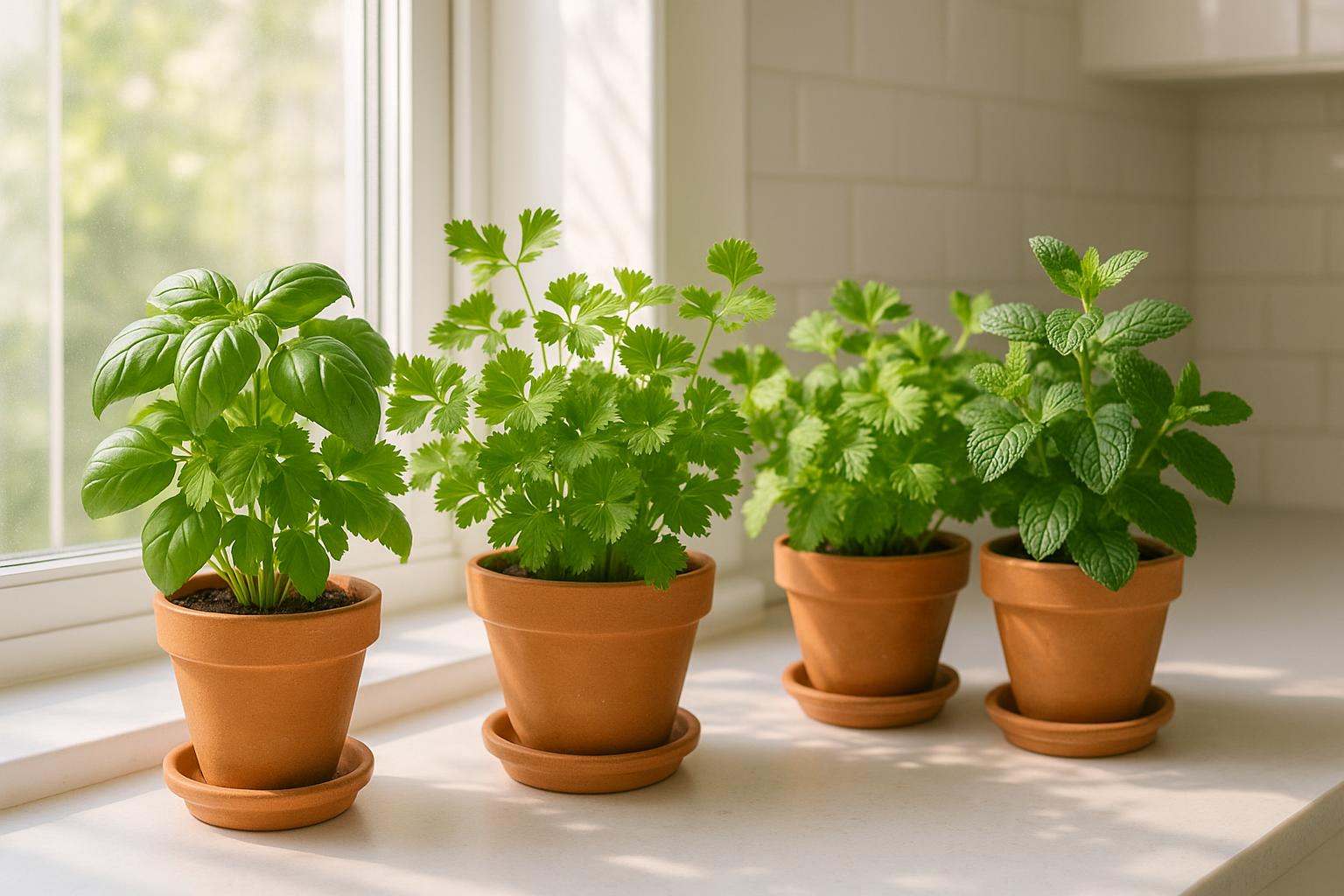
Growing Mint in Pots Indoors: Your Ultimate Guide to a Year-Round Harvest
Quick Summary: Growing mint in pots indoors is a rewarding and simple way to ensure you have fresh herbs year-round. Mint is a vigorous, adaptable plant that thrives in containers, which is essential for controlling its spread. To succeed, provide your mint with a bright, sunny location (or a grow light), a wide pot (at least 10-12 inches in diameter) with well-draining potting mix, and consistent moisture. Regular harvesting and pruning are key to maintaining a bushy, healthy plant. Avoid common mistakes like small pots, poor drainage, and insufficient light to enjoy a continuous supply of fragrant leaves for teas, cocktails, and cooking.
The Joy of Growing Mint in Pots Indoors
Imagine the convenience of stepping into your kitchen and snipping a few fresh, fragrant mint leaves for your tea, a refreshing mojito, or a garnish for your favorite dessert. This isn't a dream reserved for those with sprawling outdoor gardens. With a few simple steps, you can master the art of growing mint in pots indoors and enjoy a continuous, year-round harvest, regardless of the weather outside.
Mint (Mentha species) is one of the most satisfying herbs for the urban gardener. It’s famously vigorous, which is a blessing and a curse. Outdoors, its aggressive runners can quickly take over a garden bed. Indoors, however, a pot acts as the perfect barrier, containing its energy and forcing it to focus on producing lush, flavorful foliage right on your windowsill. This guide will walk you through everything you need to know, from choosing the right variety to troubleshooting common issues, ensuring your indoor mint plant thrives.
Choosing the Right Mint Variety and Starting Your Plant
The first step to a successful indoor mint garden is selecting a variety that suits your taste and space. While almost any mint can be grown indoors, some are better suited to container life and offer unique flavors.
Best Mint Varieties for Indoor Containers
The mint family is vast, offering a spectrum of aromas and tastes. For indoor growing, focus on varieties known for their robust flavor and manageable size.
| Mint Variety | Flavor Profile | Best Uses | Indoor Suitability |
|---|---|---|---|
| Spearmint (Mentha spicata) | Classic, sweet, and mild mint flavor. | Teas, cocktails (like Mojitos), culinary dishes. | Excellent. The most common and easiest to grow. |
| Peppermint (Mentha × piperita) | Strong, cool, and pungent menthol flavor. | Teas, desserts, essential oils. | Very Good. Requires slightly more light than Spearmint. |
| Chocolate Mint (Mentha × piperita 'Chocolate') | Subtle hint of chocolate with a strong peppermint base. | Desserts, hot chocolate, coffee. | Good. A fun, novelty variety that grows well. |
| Apple Mint (Mentha suaveolens) | Fruity, mild, and slightly fuzzy leaves. | Jellies, sauces, garnishes. | Good. Tolerates slightly less light than other varieties. |
Spearmint and Peppermint are the most popular choices for beginners and are widely available. When selecting your plant, consider what you plan to use it for most often.
Sourcing Your Mint: Plant, Cutting, or Seed?
While starting from seed is possible, it is the slowest and least reliable method for mint. Mint seeds can be slow to germinate and may not grow true to the parent plant, especially with hybrid varieties.
- Purchased Plant (Transplant): This is the fastest and easiest way to start. Look for a healthy, bushy plant at your local nursery. Repot it immediately into a larger container to give the roots room to expand.
- Stem Cuttings: Mint roots easily in water. Snip a 4-6 inch stem just below a leaf node, remove the lower leaves, and place the cutting in a glass of water. Change the water every few days. Roots should appear within 1-2 weeks. Once the roots are about an inch long, you can transplant the cutting into soil.
- Root Division: If you have an outdoor mint patch or a friend with one, this is an excellent method. Mint spreads via underground runners (rhizomes). Dig up a small section of the root ball, ensuring it has a few stems attached, and pot it up. This method provides an established plant that will take off quickly indoors.
Essential Requirements for Growing Mint in Pots Indoors
Mint is a resilient herb, but to keep it producing those lush, flavorful leaves, you must meet its basic needs for light, water, and soil.
The Perfect Pot and Potting Mix
Mint is a root-bound plant, and its aggressive nature means it needs room to grow, even in a container. Choosing the right pot is crucial for successful growing mint in pots indoors.
- Container Size: Start with a pot that is at least 10 to 12 inches in diameter and depth. Mint will quickly fill this space. If you plan to grow multiple plants or want a massive harvest, a 16-inch pot or a wide window box is ideal. The wider the pot, the more surface area for the plant to spread its roots and produce new shoots.
- Material: Terracotta pots look nice and allow the soil to breathe, but they dry out quickly, which can be a challenge for mint, which prefers consistent moisture. Plastic or glazed ceramic pots retain moisture better, reducing the frequency of watering.
- Drainage: Non-negotiable. Your pot must have drainage holes. Mint hates sitting in soggy soil, which is the fastest way to cause root rot.
- Potting Mix: Use a high-quality, all-purpose potting mix. To ensure excellent drainage, you can amend the mix with a handful of perlite or coarse sand. The soil should be loose and well-aerated. Avoid using garden soil, as it compacts easily in containers and can harbor pests.
Light and Temperature: Simulating Mint's Ideal Environment
Mint thrives on light. While it can tolerate some shade outdoors, indoor light is far less intense, so you need to maximize it.
- Natural Light: Place your mint in the brightest window you have. A south-facing window is best, providing 6-8 hours of direct sunlight per day. A west-facing window is a good second choice. If you only have an east or north-facing window, you will likely need supplemental lighting.
- Supplemental Lighting: If your home lacks sufficient natural light, a simple LED grow light is a worthwhile investment. Position the light source about 6-12 inches above the plant and keep it on for 12-14 hours a day. This will prevent the plant from becoming "leggy" (stretched out with sparse leaves) and ensure the leaves are dense and flavorful.
- Temperature: Mint prefers cooler temperatures than many houseplants. The ideal range is between 60°F and 70°F (15°C and 21°C). Avoid placing the pot near hot air vents or drafty windows.
Watering and Feeding Your Indoor Mint
Mint is a thirsty plant, but it is also susceptible to root rot if the soil is constantly waterlogged. Finding the right balance is key.
- Watering Technique: Water your mint thoroughly until you see water draining from the bottom of the pot. Allow the top inch or two of soil to dry out before watering again. A simple finger test is the best way to check: stick your finger into the soil up to the second knuckle. If it feels dry, it's time to water.
- Humidity: Mint appreciates humidity, especially in dry indoor environments. You can increase humidity by misting the leaves daily or placing the pot on a saucer filled with pebbles and water (ensure the pot is sitting on the pebbles, not directly in the water).
- Fertilizing: Mint is a fast grower and a heavy feeder. During the active growing season (spring and summer), feed your plant every 4-6 weeks with a balanced, water-soluble organic fertilizer. During the winter months, when growth slows, reduce feeding to once every 6-8 weeks or stop entirely if the plant is dormant. Remember, the goal is lush foliage, so a fertilizer with a slightly higher nitrogen content is beneficial.
Pruning and Harvesting for a Bushy, Continuous Supply
The secret to a healthy, bushy mint plant is regular harvesting and pruning. Don't be afraid to cut your mint back; it encourages new growth and prevents the plant from becoming woody and less flavorful.
The Art of the Mint Haircut
Pruning is essential for two reasons: to maintain a compact shape and to stimulate the production of new, tender leaves.
- Regular Pruning: Every few weeks, use clean scissors or pruners to snip off the top growth. Make your cut just above a set of leaves (a leaf node). This tells the plant to send out two new shoots from that node, resulting in a much bushier plant.
- Hard Pruning: If your mint becomes leggy or woody, don't hesitate to give it a hard prune. Cut the entire plant back by up to two-thirds. While this may seem drastic, the plant will quickly rebound with a flush of new, vigorous growth. You can do this every few months to rejuvenate the plant.
- Pinching Flowers: If your mint starts to produce small flower spikes, pinch them off immediately. Flowering signals the end of the plant's life cycle and causes the leaves to lose flavor (a process called "bolting"). Pinching the flowers keeps the plant in its vegetative, leaf-producing state.
Harvesting Your Indoor Mint
Harvesting is the most rewarding part of growing mint in pots indoors. You can harvest as needed, taking a few leaves at a time, or take larger cuttings for drying or making large batches of tea.
- Individual Leaves: Simply pinch off the leaves you need. This is perfect for garnishes or small additions to a drink.
- Stem Cuttings: For a larger harvest, cut entire stems, following the pruning technique described above (cutting just above a leaf node). Never remove more than one-third of the plant at any one time, as this can stress it.
- Timing: The best time to harvest is in the morning after the dew has dried, as the essential oils (and thus the flavor) are most concentrated.
Troubleshooting and Common Mistakes to Avoid
Even the most seasoned urban gardeners run into issues. Mint is generally hardy, but a few common problems can arise when growing mint in pots indoors.
Common Mistakes and How to Fix Them
| Mistake | Symptom | Cause | Solution |
|---|---|---|---|
| Too Small a Pot | Plant is stunted, roots are visible on the surface or through drainage holes. | Root-bound, insufficient space for growth. | Repot immediately into a container at least 2-4 inches wider than the current one. |
| Insufficient Light | Leaves are pale, stems are long and thin (leggy). | Not enough direct sunlight. | Move the pot to a brighter, south-facing window or install a supplemental LED grow light. |
| Overwatering | Leaves turn yellow or brown, soil is constantly soggy, plant wilts. | Root rot due to poor drainage or too frequent watering. | Allow the soil to dry out completely. Check drainage holes. If root rot is severe, repot into fresh, dry soil after trimming away any black, mushy roots. |
| Underwatering | Leaves are dry and crispy, plant wilts dramatically. | Soil is too dry. | Water thoroughly until water runs out the bottom. Mint usually bounces back quickly from wilting due to dryness. |
| Pests | Sticky residue, tiny webs, or small insects on the leaves (e.g., spider mites, whiteflies). | Low humidity and dry indoor air. | Isolate the plant. Wipe the leaves with a damp cloth or spray with a gentle insecticidal soap. Increase humidity. |
Dealing with Pests and Diseases
Mint is naturally pest-resistant due to its strong essential oils, but indoor conditions can sometimes invite common houseplant pests like spider mites, whiteflies, or fungus gnats.
- Spider Mites: Look for fine webbing and tiny dots on the undersides of leaves. Treat by washing the plant thoroughly with a strong spray of water and applying a horticultural oil or insecticidal soap.
- Fungus Gnats: These small, black flies are attracted to overly moist soil. They are mostly harmless to the plant but annoying. Reduce watering frequency and allow the top layer of soil to dry out completely. You can also use yellow sticky traps to catch the adults.
- Diseases: The most common disease is mint rust, a fungal infection that appears as orange or brown spots on the undersides of leaves. This is rare indoors but can happen with poor air circulation. Remove and destroy infected leaves, and ensure good airflow around the plant.
Product Recommendations for the Indoor Mint Gardener
You don't need expensive equipment to start growing mint in pots indoors, but a few key items will make your experience easier and more successful.
Essential Tools and Supplies
- Containers: Look for wide, deep planters made of plastic or glazed ceramic, ensuring they have excellent drainage holes. A window box style is particularly effective for mint's spreading habit.
- Potting Medium: A standard, high-quality, peat-based or coco coir-based potting mix is ideal. Avoid cheap mixes that compact easily.
- Lighting System: If natural light is limited, a simple full-spectrum LED grow light strip or bulb is perfect. Look for one that can be easily mounted or clipped near your plant.
- Fertilizer: A liquid organic herb fertilizer is the best choice. Look for a balanced NPK ratio (e.g., 5-5-5 or similar) or one slightly higher in Nitrogen for leaf growth.
- Pruning Shears: A small, sharp pair of herb scissors or needle-nose pruners will make clean cuts, which is important for the plant's health.
Conclusion: Your Fresh Mint Journey Starts Now
Growing mint in pots indoors is a simple pleasure that elevates your cooking, your cocktails, and your home environment. By providing ample light, a spacious container, and consistent moisture, you are setting the stage for a thriving, fragrant herb garden right on your kitchen counter. The key is to be proactive: prune regularly, harvest often, and don't let your plant become root-bound.
You now have all the knowledge you need to start your indoor mint adventure. To take your urban gardening to the next level, we encourage you to plan your entire indoor herb setup with the Urban Grow Planner tool. It helps you track light exposure, watering schedules, and harvest times for all your container plants, ensuring you get the most out of your space and your efforts. Start planning your perfect indoor garden today!
Related Articles
How To Start Urban Farming For Beginners
Ready to grow your own food? Learn how to start urban farming for beginners with this comprehensive guide on planning, small-space techniques, essential equipment, and common mistakes to avoid.
Balcony Garden Ideas For Beginners
Discover the ultimate balcony garden ideas for beginners! Learn how to maximize small spaces with vertical gardening, choose the best easy-to-grow plants, and avoid common mistakes. Start your urban oasis today!
Container Gardening For Beginners Step By Step
Start your urban garden with this step-by-step guide to container gardening for beginners. Learn about choosing pots, soil, plants, watering, and avoiding common mistakes.
How To Grow Vegetables On Apartment Balcony
Learn how to grow vegetables on apartment balcony with this ultimate guide. Get tips on sun, containers, soil, and the best compact crops for a successful urban garden.