Growing Spinach In Containers Indoors
Learn how to grow spinach in containers indoors year-round! This ultimate guide covers essential supplies, light, temperature, watering, pest control, and harvesting tips.
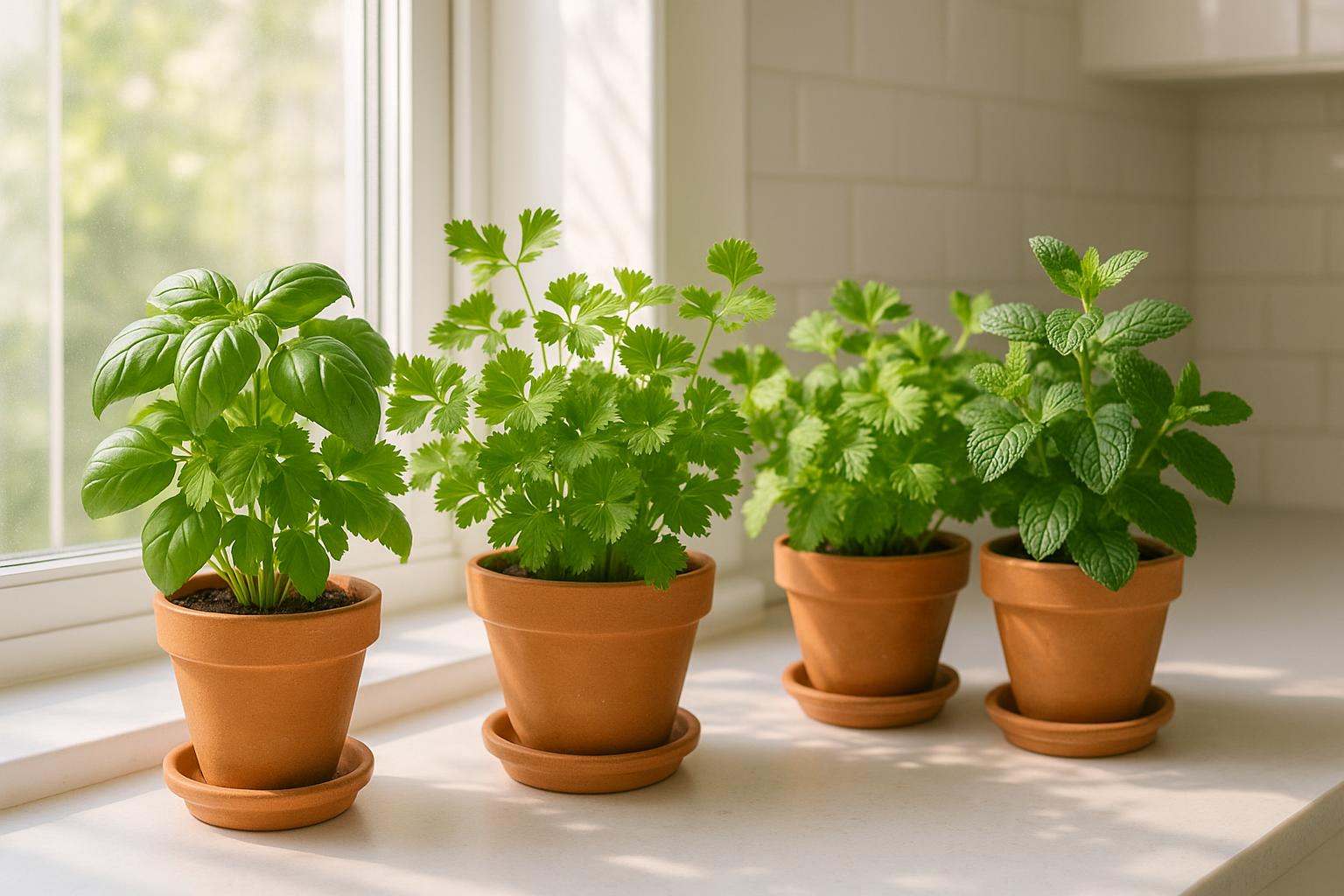
Growing Spinach in Containers Indoors: Your Ultimate Guide to Year-Round Harvest
Quick Summary: Dreaming of fresh, crisp spinach even when it's snowing outside? You can absolutely do it! Growing spinach in containers indoors is a rewarding and simple project for any urban gardener. The key is to mimic its preferred cool, moist environment. Choose a container at least 6 inches deep, use a rich, well-draning potting mix, and provide 10-12 hours of light daily—ideally from a grow light. Keep the temperature cool (50-60°F is perfect) and the soil consistently moist to prevent bolting. Follow this detailed guide, and you'll be harvesting your own nutrient-packed leaves in no time!
Why Choose Growing Spinach in Containers Indoors?
For the urban gardener, or anyone with limited outdoor space, the ability to grow fresh produce year-round is a game-changer. Spinach, a powerhouse of vitamins and minerals, is one of the best candidates for indoor container gardening. It's a cool-weather crop, which means it thrives in the lower, more stable temperatures of an indoor environment, away from the harsh summer heat that causes it to "bolt" (go to seed) outdoors.
Growing spinach in containers indoors offers several distinct advantages:
- Year-Round Harvest: You control the climate, allowing for continuous planting and harvesting regardless of the season. This means fresh spinach for salads, smoothies, and cooking, even in the dead of winter.
- Pest Protection: Indoor growing drastically reduces the risk of common garden pests like slugs and leaf miners, which can decimate an outdoor crop overnight.
- Convenience: Your "garden" is just steps away from your kitchen, making harvesting for a quick salad or smoothie incredibly easy and encouraging you to use more fresh greens in your daily diet.
- Space Efficiency: Spinach has a relatively shallow root system, making it perfect for small pots, window boxes, and even repurposed containers, maximizing your use of limited urban space.
Essential Supplies for Growing Spinach in Containers Indoors
Setting up your indoor spinach garden requires a few key components. Choosing the right supplies is the first step to a successful, abundant harvest.
Selecting the Perfect Container
Spinach roots are not deep, but they do appreciate room to spread, which is crucial for maximizing your yield of baby leaves.
- Size: Choose a container that is at least 6 to 8 inches deep and has a diameter of at least 12 inches for a good yield. Shallow window boxes or wide, rectangular planters work exceptionally well for baby spinach, as they offer a large surface area for dense planting.
- Material: Plastic, ceramic, or fabric grow bags are all suitable. Fabric pots are excellent for aeration and preventing overwatering, as they allow excess moisture to wick away. Plastic and ceramic retain moisture longer, which can be beneficial for a thirsty plant like spinach, but require more careful watering.
- Drainage: This is non-negotiable. Your container must have drainage holes to prevent waterlogging. Waterlogged soil suffocates the roots and is the fastest way to kill your spinach. Always use a saucer or tray underneath to catch runoff, but ensure you empty it promptly.
The Ideal Growing Medium (Soil)
Forget garden soil—it compacts too easily in a pot and can harbor pests or diseases. Your spinach needs a light, airy, and nutrient-rich home.
- Potting Mix: Start with a high-quality, sterile, all-purpose potting mix. This provides the necessary drainage and aeration, which is vital for healthy root development in a container.
- Organic Matter: Spinach is a heavy feeder, especially of nitrogen, which promotes lush, leafy growth. Amend your potting mix with a generous amount of organic matter, such as compost or worm castings. A good ratio is roughly two-thirds potting mix to one-third compost. This blend not only feeds the plant but also helps the soil retain moisture without becoming waterlogged.
- Fertilizer: Incorporate a slow-release organic vegetable fertilizer into the mix at planting time. This provides a steady, gentle supply of nutrients over several weeks. Alternatively, plan to use a liquid fertilizer, like a diluted fish emulsion or a balanced liquid plant food (e.g., 5-1-1 or 10-10-10 ratio), every 2-3 weeks once the plants have established their first true leaves.
Light Requirements and Grow Lights
While a bright, south-facing window can provide some light, for reliable, year-round growth and a consistent harvest, supplemental lighting is highly recommended. Natural light alone, especially in winter, is often insufficient for robust growth.
- Duration: Spinach needs 10 to 12 hours of light per day for optimal growth. This is a crucial factor in preventing leggy, weak growth.
- Type: LED grow lights are the most energy-efficient and effective option for indoor gardening. Look for full-spectrum LED lights, which mimic natural sunlight and are perfect for leafy greens. Fluorescent shop lights (T5 or T8) are also a budget-friendly alternative that works well for low-light crops like spinach.
- Placement: Position the grow light close to the plants—typically 6 to 12 inches above the foliage—to ensure they receive enough intensity without burning the leaves. As the plants grow, you will need to adjust the light height to maintain this distance.
Best Spinach Varieties for Indoor Success
Choosing the right variety can make a significant difference in your success when growing spinach in containers indoors. Look for varieties known for their bolt-resistance and compact growth habit.
- Savoy Types: Varieties like 'Bloomsdale Long Standing' have crinkled, dark green leaves and are known for their cold hardiness and rich flavor.
- Semi-Savoy Types: 'Tyee' and 'Correnta' are excellent choices, as they are specifically bred to be slow to bolt, making them ideal for the warmer, more stable indoor environment. These are often the most recommended for year-round indoor cultivation.
- Smooth-Leaf Types: These are easier to wash and are often preferred for baby leaf production. While generally less bolt-resistant, they are excellent for quick, small harvests.
Step-by-Step Guide to Planting Your Indoor Spinach
The process of planting spinach is straightforward, making it a perfect project for beginners.
Preparing the Seeds and Soil
- Pre-Soak (Optional but Recommended): Spinach seeds have a hard outer shell. Soaking them in room-temperature water for 12-24 hours before planting can significantly improve germination rates by softening the seed coat.
- Fill the Container: Fill your chosen container with the prepared potting mix/compost blend, leaving about an inch of space from the rim. Gently moisten the soil until it is uniformly damp.
Sowing the Seeds
You have two main options for planting, but direct sowing is generally preferred for spinach due to its sensitive taproot.
- Direct Sowing (Recommended): Plant the seeds about 1/4 to 1/2 inch deep.
- For baby spinach (most common for indoor growing), scatter the seeds about 1 to 2 inches apart. You can sow them quite densely and thin them later.
- For full-sized spinach, space the seeds 4 to 6 inches apart.
- Cover and Water: Lightly cover the seeds with soil and gently mist the surface with a spray bottle to avoid disturbing the seeds.
The Germination Phase
Spinach seeds germinate best in cool soil.
- Temperature: Aim for a soil temperature between 50°F and 65°F (10-18°C). If your home is very warm, you may need to place the container in a cooler room or near a slightly open window (away from drafts) until the seeds sprout.
- Time: Germination typically takes 5 to 10 days. Keep the soil consistently moist during this period. Once the seedlings emerge, move them immediately under your grow light to prevent them from becoming leggy.
Maintaining the Perfect Indoor Environment
Once your seedlings emerge, the focus shifts to maintaining the cool, moist conditions that spinach loves. This is the secret to successful growing spinach in containers indoors.
Watering and Humidity
Spinach is a thirsty plant, and drought stress is the number one cause of premature bolting.
- Consistency is Key: Check the soil daily. Water thoroughly when the top inch of soil feels dry to the touch. Water until you see it drain from the bottom holes, then empty the saucer immediately. Never let the pot sit in standing water, as this leads to root rot.
- Humidity: Indoor air can be dry, especially in winter. While spinach doesn't require high humidity, misting the leaves occasionally or placing the container on a humidity tray (a tray filled with pebbles and water) can help keep the leaves crisp and discourage spider mites, which thrive in dry conditions.
Temperature Control
Spinach is a cool-season crop. High temperatures are the primary trigger for bolting, which turns the leaves bitter and ends your harvest.
- Ideal Range: The sweet spot is between 50°F and 60°F (10-16°C).
- Maximum Tolerance: Try to keep the temperature below 75°F (24°C). If your indoor space is consistently warmer, consider placing your spinach near a cool window, in a basement, or in a room that is generally kept cooler than the rest of the house.
Thinning and Fertilizing
- Thinning: Once your seedlings have their first set of true leaves, it's time to thin them out. This is crucial for air circulation and giving the remaining plants room to grow.
- For baby spinach, thin to about 2 to 3 inches apart.
- For full-sized leaves, thin to 4 to 6 inches apart.
- Pro Tip: Don't waste the thinnings! They are delicious and can be added to a small salad, giving you your first taste of your indoor harvest.
- Fertilizing: Since you are watering frequently, nutrients will leach out of the soil. Supplement with a diluted liquid fertilizer (like a 5-1-1 or 10-10-10 ratio) every two to three weeks to ensure a steady supply of nitrogen, which is essential for healthy leaf production.
Common Challenges and How to Avoid Them
Even when growing spinach in containers indoors, you may encounter a few minor issues. Knowing how to prevent and treat them will ensure a continuous harvest.
Bolting (Premature Flowering)
This is the most common issue for spinach growers. When spinach bolts, it sends up a central stalk to produce seeds, and the leaves become tough, bitter, and inedible.
- Cause: Primarily triggered by high temperatures (above 75°F) or drought stress. Long daylight hours can also contribute, which is why controlling your grow light duration (10-12 hours) is important.
- Prevention: Maintain cool temperatures, ensure consistent watering, and choose bolt-resistant varieties. If a plant does bolt, harvest all the remaining leaves immediately before they turn bitter and replace the plant with a new sowing.
Pests to Watch For
Indoor growing minimizes pests, but a few can still sneak in, especially if you bring in plants from outside or if conditions become too dry.
- Aphids: Small, soft-bodied insects that cluster on new growth and suck the sap, causing leaves to curl and distort.
- Spider Mites: Tiny pests that thrive in dry, warm conditions and leave fine webbing on the undersides of leaves.
- Fungus Gnats: Small, dark flies that are more of a nuisance than a threat to the plant, but their larvae can feed on roots in overly wet soil.
- Prevention and Treatment:
- Quarantine: Always inspect new plants before bringing them indoors.
- Wipe Down: For minor infestations, simply wipe the pests off the leaves with a damp cloth or a cotton swab dipped in rubbing alcohol.
- Insecticidal Soap: For a more serious problem, use a ready-to-use organic insecticidal soap spray or a homemade solution of mild dish soap and water. Spray the entire plant, focusing on the undersides of the leaves. Repeat every 5-7 days until the pests are gone.
- Fungus Gnats: Allow the top inch of soil to dry out completely between waterings. You can also use sticky traps to catch the adults.
Diseases
The most common indoor disease is Damping Off, a fungal disease that causes seedlings to collapse at the soil line.
- Prevention: Use sterile potting mix, ensure good air circulation (a small fan set on a low setting can help), and avoid overwatering. Always use clean containers and tools.
Harvesting Your Indoor Spinach
The best part of growing spinach in containers indoors is the continuous harvest. Spinach is a cut-and-come-again crop, meaning you can harvest leaves multiple times from the same plant.
When and How to Harvest
- Baby Spinach: You can start harvesting baby leaves when they are about 3-4 inches long, typically 3-4 weeks after germination. These are the most tender and flavorful.
- Full-Sized Spinach: Wait until the outer leaves are large enough to eat, usually 6-8 weeks after planting.
- The Technique: Use the "cut-and-come-again" method. Use clean scissors or snips to harvest the outer, largest leaves, leaving the inner, smaller leaves (the growing point) intact. Never take more than one-third of the leaves at a time. This allows the plant to continue producing new leaves for weeks or even months.
- Succession Planting: To ensure you never run out, start a new container of seeds every 2-3 weeks. By the time one container is slowing down its production, the next will be ready for a full harvest.
Common Mistakes to Avoid When Growing Spinach Indoors
Even with the best intentions, new indoor gardeners can make a few common errors. Avoiding these pitfalls will dramatically increase your success rate.
- Overwatering: This is the number one killer of indoor plants. Spinach needs consistent moisture, but not soggy soil. Always check the soil before watering and ensure your container has excellent drainage.
- Too Much Heat: Treating spinach like a tropical houseplant is a mistake. If your container is near a heat vent or in a very warm room, it will bolt quickly. Remember, spinach is a cool-weather crop.
- Insufficient Light: A sunny window is rarely enough, especially in winter. Without supplemental light, your spinach will become pale, leggy, and unproductive. Invest in a simple LED grow light and ensure it runs for 10-12 hours a day.
- Skipping Thinning: Overcrowding leads to poor air circulation, which encourages fungal diseases, and the plants will compete for nutrients, resulting in smaller, weaker leaves. Thinning is essential for a healthy, robust crop.
- Neglecting Fertilization: Because you water frequently, nutrients are constantly washed out of the soil. Failing to replenish these nutrients with a liquid fertilizer will result in pale, yellowing leaves and stunted growth.
Product Recommendations (Types, Not Brands)
To help you get started, here are the types of products that will make your indoor spinach growing a breeze:
| Category | Recommended Product Type | Why It's Essential |
|---|---|---|
| Container | Wide, shallow plastic or fabric grow bag (6-8 inches deep) | Provides ample surface area for multiple plants and ensures good drainage/aeration. |
| Growing Medium | Sterile, all-purpose potting mix with added worm castings or compost | Prevents soil-borne diseases and provides a nitrogen-rich, well-draining base. |
| Light Source | Full-spectrum LED grow light (panel or bulb) | Delivers the necessary light intensity and spectrum for healthy, non-stretching growth. |
| Fertilizer | Balanced liquid plant food or diluted fish emulsion | Provides a quick boost of nitrogen to support continuous leaf production. |
| Pest Control | Organic insecticidal soap spray | Safe, non-chemical solution for treating common indoor pests like aphids and mites. |
Growing spinach in containers indoors is a simple, satisfying way to bring fresh, organic produce into your home all year long. With the right setup—cool temperatures, consistent moisture, and plenty of light—you can enjoy a continuous supply of this healthy green, adding a fresh, homegrown touch to every meal. The taste of your own indoor-grown spinach is incomparable!
Now that you have the knowledge, it's time to put it into action! Planning your indoor garden is easy with the right tools.
Ready to plan your indoor spinach garden and track your harvests?
Start your journey to a year-round supply of fresh greens today! Use the Urban Grow Planner tool to map out your planting schedule, track your variety performance, and maximize your yields. Happy growing spinach in containers indoors!
Related Articles
How To Start Urban Farming For Beginners
Ready to grow your own food? Learn how to start urban farming for beginners with this comprehensive guide on planning, small-space techniques, essential equipment, and common mistakes to avoid.
Balcony Garden Ideas For Beginners
Discover the ultimate balcony garden ideas for beginners! Learn how to maximize small spaces with vertical gardening, choose the best easy-to-grow plants, and avoid common mistakes. Start your urban oasis today!
Container Gardening For Beginners Step By Step
Start your urban garden with this step-by-step guide to container gardening for beginners. Learn about choosing pots, soil, plants, watering, and avoiding common mistakes.
How To Grow Vegetables On Apartment Balcony
Learn how to grow vegetables on apartment balcony with this ultimate guide. Get tips on sun, containers, soil, and the best compact crops for a successful urban garden.