Growing Vegetables In Low Light Apartment
Master growing vegetables in low light apartment spaces! Learn the best crops, essential LED grow light setup, watering tips, and common mistakes to avoid for a thriving indoor garden.
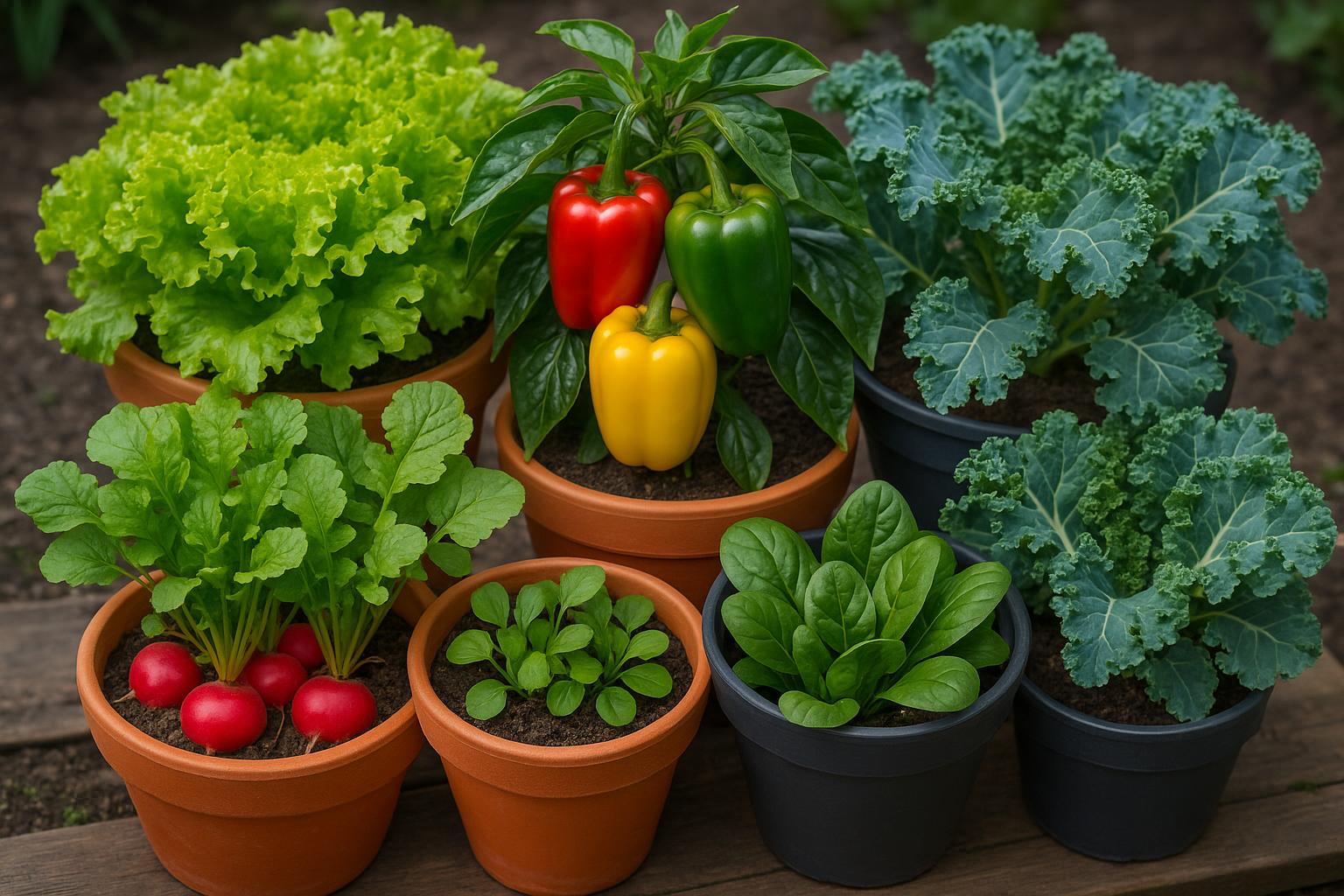
Growing Vegetables in Low Light Apartment: Your Ultimate Guide to a Thriving Indoor Garden
Quick Summary: Don't let a lack of sun stop your urban gardening dreams! Growing vegetables in low light apartment settings is entirely possible with the right approach. Focus on shade-tolerant crops like leafy greens and root vegetables, invest in quality supplemental lighting (LED grow lights are a game-changer), and master the basics of container gardening, watering, and pest control. With a little planning and the right tools, you can enjoy fresh, homegrown produce right from your apartment.
The Low-Light Challenge: Understanding Your Apartment's Environment
Living in an apartment, especially one facing north or blocked by other buildings, often means dealing with limited natural light. This is the primary hurdle for any aspiring indoor gardener. However, "low light" doesn't mean "no light." It simply means you need to be strategic about how you utilize the available light and, more importantly, how you supplement it.
What is "Low Light" for a Plant?
In gardening terms, low light typically refers to areas receiving less than four hours of direct sunlight per day, or areas where the light is indirect and consistently dim. Most fruiting vegetables, like tomatoes and peppers, require 6-8 hours of direct, intense light. For growing vegetables in low light apartment spaces, we must pivot our expectations and our plant choices.
The intensity of light drops off dramatically the further a plant is from a window. Even a few feet can make a huge difference. This is why supplemental lighting is not just a recommendation—it's a necessity for a productive low-light garden.
Assessing Your Available Light
Before buying seeds, take a week to observe your space. Identify the brightest spots, even if they only get a brief burst of sun.
- Bright Indirect Light: A spot near an east or west-facing window, or a south-facing window shaded by a sheer curtain. This is the best natural light you'll get.
- Low Light: A spot several feet away from any window, or a north-facing window. This is where you'll need the most help.
Understanding these zones will help you place your plants and your grow lights most effectively.
H2: The Best Vegetables for Growing in Low Light Apartment Conditions
The secret to success in a dim apartment is choosing the right plants. You need crops that naturally thrive in less intense light and can still produce a harvestable yield. These plants prioritize leaf and root growth over flowers and fruit.
H3: Leafy Greens: The Low-Light Champions
Leafy greens are the most forgiving and productive category for low-light indoor gardening. They require less light intensity than fruiting plants and mature quickly.
- Lettuce (Loose-Leaf Varieties): Butterhead, Black Seeded Simpson, and other loose-leaf types are perfect. They can be "cut-and-come-again" harvested, meaning you only take the outer leaves, allowing the plant to continue producing.
- Spinach: A cool-weather crop that tolerates shade well. Keep the soil consistently moist and harvest the outer leaves regularly.
- Kale: Especially the less-frilly varieties like Lacinato (Dinosaur Kale). It's incredibly hardy and will produce a steady supply of nutrient-dense leaves.
- Swiss Chard: Similar to spinach, chard is a beautiful and productive plant that doesn't mind a bit of shade. Its colorful stems can also add a decorative touch to your apartment.
H3: Root Vegetables and Herbs
While root vegetables grow underground, they still need light for their leafy tops to photosynthesize and fuel the root growth. However, they can tolerate less light than fruiting plants.
- Carrots (Small, Round Varieties): Look for varieties like 'Paris Market' or 'Thumbelina' that are bred for shallow containers. They need at least 4-6 hours of light, making them a good candidate for a spot directly under a grow light.
- Radishes: These are fast-growing and only need moderate light. They can be ready to harvest in as little as three weeks, making them a quick win for the low-light gardener.
- Scallions/Green Onions: These are incredibly easy to grow from the base of store-bought scallions. They require minimal light and can be regrown multiple times in a small glass of water or a container of soil.
Many herbs are also excellent choices. Mint, chives, and parsley are all known to tolerate lower light levels than sun-loving herbs like basil and rosemary.
H2: Essential Product Recommendations: Mastering Supplemental Light
For successful growing vegetables in low light apartment spaces, supplemental lighting is non-negotiable. It provides the intensity and duration of light that your plants need to thrive, regardless of the weather outside.
H3: Choosing the Right Grow Lights
Forget old-school incandescent bulbs; modern LED grow lights are the most efficient and effective choice for indoor gardening. They are energy-efficient, run cool, and can be tuned to the specific light spectrum plants need.
- Full-Spectrum LED Grow Lights: These mimic natural sunlight and are the best all-around choice for a mixed vegetable garden. They emit a balanced white light that is pleasant to have in a living space.
- T5 Fluorescent Fixtures: A more budget-friendly option, T5s are efficient and provide good light intensity. They are often used in multi-shelf setups for greens.
- Strip or Bar Lights: These are ideal for mounting under shelves or cabinets, perfect for maximizing vertical space in a small apartment.
When selecting a light, look for its Photosynthetically Active Radiation (PAR) output, which measures the light plants actually use. For leafy greens, a PAR of 150-300 µmol/m²/s is sufficient.
H3: Setting Up Your Lighting System
Proper placement and timing are just as important as the light itself.
- Distance: LED lights should be positioned much closer to the plants than you might think—often just 6 to 12 inches above the tallest leaves. This ensures the light intensity is high enough.
- Duration: Plants need a consistent light cycle. Use a simple mechanical or digital timer to provide 14 to 16 hours of light per day. The plants need a dark period (8-10 hours) to rest and process the energy they've stored.
- Reflectivity: Use reflective materials (like white paint, foil, or specialized reflective sheeting) on the walls surrounding your plants. This bounces light back onto the leaves, significantly increasing the effective light your plants receive.
H2: Container Gardening and Care Tips for Apartment Growers
Container gardening is the foundation of any indoor garden. The right containers, soil, and care routine will make all the difference when you are growing vegetables in low light apartment environments.
H3: Containers and Soil
- Containers: Almost anything can be a container, provided it has excellent drainage holes. Choose containers that are at least 6 inches deep for leafy greens and 8-10 inches deep for root vegetables. Fabric grow bags are an excellent choice as they promote air pruning of roots, preventing plants from becoming root-bound.
- Soil: Do not use garden soil, which is too dense and can compact in a container. Use a high-quality, sterile potting mix specifically designed for containers. You can amend this with a handful of perlite or coco coir to improve aeration and drainage.
H3: Watering and Fertilizing
In a low-light environment, plants grow slower and use less water than they would in full sun. Overwatering is the number one killer of indoor plants.
- Watering: Always check the soil moisture before watering. Stick your finger about an inch deep; if it feels dry, it's time to water thoroughly until water runs out of the drainage holes. Empty the saucer after 30 minutes to prevent the roots from sitting in standing water.
- Fertilizing: Since you are using a soilless mix, you are responsible for providing all the nutrients. Use a balanced, water-soluble liquid fertilizer at half the recommended strength. Because of the slower growth in low light, you only need to fertilize every 3-4 weeks, or as directed by the product, during the active growing season.
H3: Air Circulation and Pest Prevention
Stagnant air and high humidity can lead to fungal diseases and attract pests.
- Air Circulation: A small, oscillating fan running on a low setting for a few hours a day is a great investment. It strengthens the plant stems and helps prevent mold and mildew from forming on the soil surface.
- Pest Control: Indoor gardens are not immune to pests. Common culprits include fungus gnats (a sign of overwatering) and aphids. Inspect your plants daily. If you spot pests, treat them immediately with a gentle solution of insecticidal soap or a neem oil spray.
H2: Common Mistakes to Avoid When Growing Vegetables in Low Light Apartment
Even with the best intentions, new indoor gardeners often make a few common errors. Knowing these pitfalls can save you a lot of frustration and dead plants.
- Ignoring Supplemental Light: Relying solely on a north-facing window is a recipe for leggy, weak, and unproductive plants. If your plant is stretching dramatically toward the light source, it's a clear sign it needs more light.
- Overwatering: As mentioned, this is the most frequent mistake. The soil should be allowed to dry out slightly between waterings. Soggy soil suffocates the roots and encourages fungus gnats.
- Choosing the Wrong Plants: Trying to grow a full-sized beefsteak tomato or a bell pepper in a dim corner will only lead to disappointment. Stick to the shade-tolerant leafy greens and small root vegetables listed above.
- Neglecting Airflow: Poor air circulation creates a humid, still environment that is a breeding ground for pests and diseases. A simple fan is a cheap and effective solution.
- Using Too Small a Container: Plants need room for their roots to grow. A container that is too small will stunt the plant's growth, regardless of how much light or fertilizer you provide. Always choose the largest container your space allows.
H2: Maximizing Your Harvest and Space
Apartment gardening is all about efficiency. You need to get the most yield from the smallest footprint.
H3: Vertical Gardening Solutions
Look up! The walls are your most underutilized gardening space.
- Tiered Shelving: A simple metal shelving unit can hold multiple trays of plants, all illuminated by a single set of vertically-mounted grow lights. This is the most efficient way to maximize your growing area.
- Wall-Mounted Pockets: Fabric or plastic wall-mounted planters are great for shallow-rooted herbs and greens. Just ensure they are positioned where your grow light can reach them.
H3: Succession Planting
Since your growing conditions are stable year-round, you can practice succession planting. Instead of planting an entire packet of lettuce seeds at once, sow a small batch every two weeks. This ensures a continuous, manageable harvest rather than a massive glut of produce all at once.
H2: Conclusion: Your Low-Light Garden Awaits
Growing vegetables in low light apartment settings is a rewarding endeavor that connects you to your food source, even in the heart of the city. By focusing on the right plants, investing in quality supplemental lighting, and maintaining a careful watering and feeding schedule, you can transform a dim corner into a vibrant, productive garden.
The key is to be patient, observe your plants, and adjust your care routine as needed. Every apartment is different, and finding the perfect balance of light, water, and nutrients is part of the fun.
Ready to plan your low-light layout and track your planting schedule?
Start your indoor gardening journey today! Use the Urban Grow Planner tool to map out your light zones, schedule your succession plantings, and track your harvest dates for maximum yield. Happy growing!
Related Articles
How To Start Urban Farming For Beginners
Ready to grow your own food? Learn how to start urban farming for beginners with this comprehensive guide on planning, small-space techniques, essential equipment, and common mistakes to avoid.
Balcony Garden Ideas For Beginners
Discover the ultimate balcony garden ideas for beginners! Learn how to maximize small spaces with vertical gardening, choose the best easy-to-grow plants, and avoid common mistakes. Start your urban oasis today!
Container Gardening For Beginners Step By Step
Start your urban garden with this step-by-step guide to container gardening for beginners. Learn about choosing pots, soil, plants, watering, and avoiding common mistakes.
How To Grow Vegetables On Apartment Balcony
Learn how to grow vegetables on apartment balcony with this ultimate guide. Get tips on sun, containers, soil, and the best compact crops for a successful urban garden.