Hanging Planter Ideas For Balcony
Transform your small balcony into a lush urban oasis! Discover the best hanging planter ideas for balcony gardens, from secure installation tips to choosing the perfect plants.
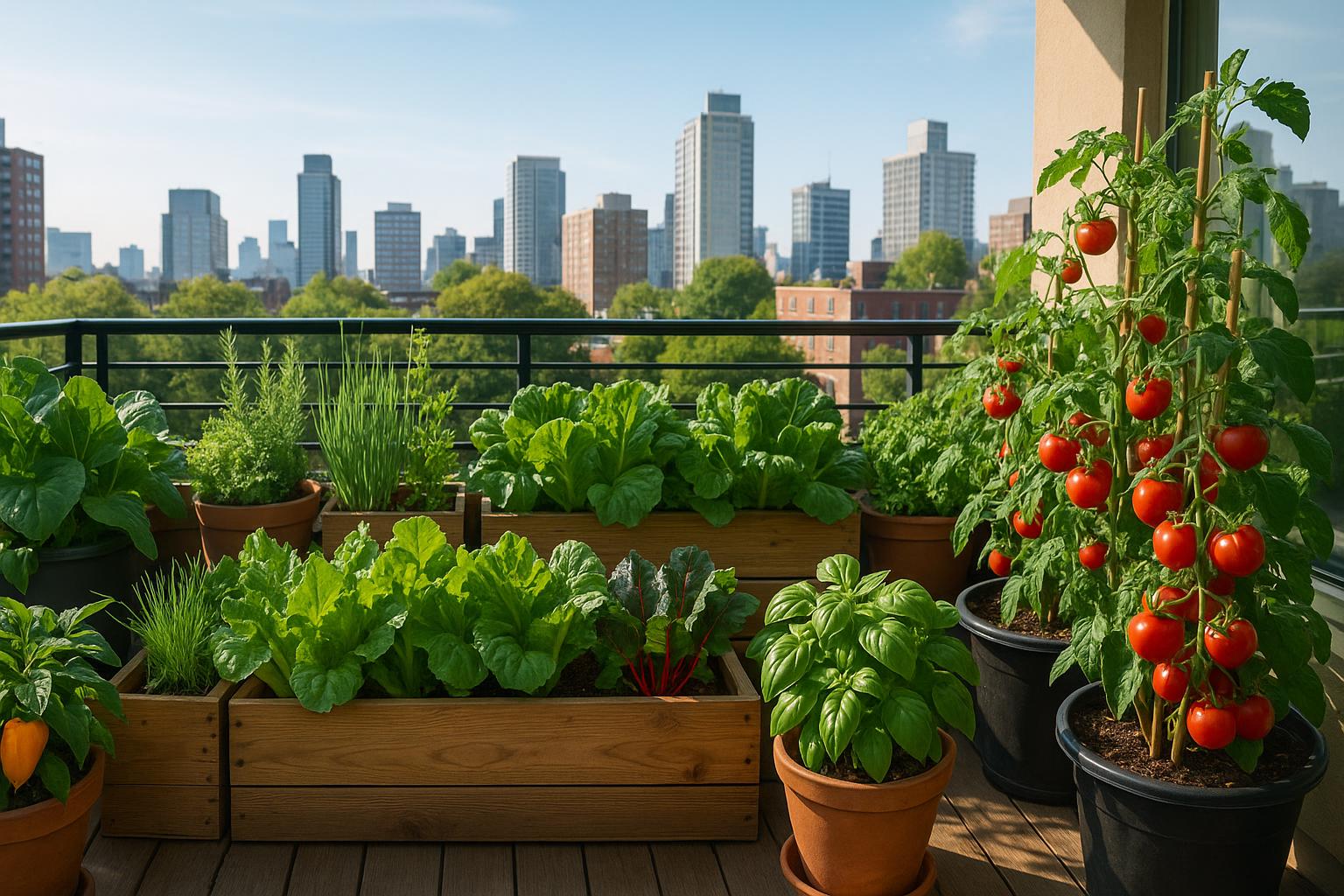
Elevate Your Urban Oasis: The Best Hanging Planter Ideas for Balcony Gardens
Quick Summary
Living in the city often means working with limited outdoor space, but a small balcony doesn't have to mean a small garden. Hanging planter ideas for balcony spaces are the ultimate solution for maximizing your vertical real estate and transforming a cramped area into a lush, vibrant urban oasis. This comprehensive guide will walk you through everything you need to know, from selecting the perfect planter types and securing them safely, to choosing the best plants that will thrive. We'll cover creative design ideas, essential installation tips, and common mistakes to avoid, ensuring you have all the actionable, detailed information to successfully elevate your balcony garden. Get ready to turn your tiny terrace into a beautiful, green retreat!
Why Hanging Planters Are a Balcony Game-Changer
For urban gardeners, every square inch counts. The beauty of a hanging planter is its ability to utilize the often-overlooked vertical space, instantly multiplying your gardening potential without sacrificing precious floor area. This space-saving technique is not just practical; it's a design element. By layering plants at different heights, you create a dynamic, visually interesting display that draws the eye upward.
Beyond aesthetics, hanging planters offer several practical benefits. They keep plants out of the way of foot traffic, making your balcony safer and more accessible. This is especially important if you have children or pets. Furthermore, elevating your plants improves air circulation around the foliage, which can help prevent common fungal diseases. The height also ensures excellent drainage, as excess water simply drips away, preventing the root rot that often plagues floor-level containers.
Choosing the Right Hanging Planter Type
Selecting the right container is the first step in implementing your hanging planter ideas for balcony transformation. The best choice depends on your balcony's structure, the weight capacity, and your personal style.
Railing Planters (The Space Saver)
Railing planters are designed to sit directly on top of your balcony railing, often featuring a saddle-like shape that straddles the rail. They are incredibly efficient, as they require no additional hanging hardware and maximize the use of the perimeter space. When shopping for these, look for models that include adjustable brackets or clamps. These features are crucial for ensuring a snug, secure fit that prevents the planter from tipping or sliding, especially in windy conditions.
- Material Types: Lightweight plastic is a popular choice due to its durability and resistance to the elements. Metal options offer a more sleek, modern look but can heat up quickly in direct sun, so consider a liner to protect the roots.
Ceiling/Overhead Hanging Baskets (The Classic Look)
These are the traditional hanging baskets suspended from a hook on an overhead structure, such as a roof, pergola, or a sturdy beam. They are perfect for showcasing trailing plants that can cascade dramatically. For ease of maintenance and to ensure even growth, consider installing a swivel hook. This allows you to easily rotate the basket, ensuring all sides of the plant receive equal sun exposure.
- Material Types: Coir or moss-lined wire baskets are excellent for drainage and providing a rustic look, but they dry out very quickly. Woven macrame hangers holding ceramic or plastic pots offer a bohemian style. Be mindful that ceramic and terracotta pots are heavy, especially when wet, and should only be used with very sturdy overhead supports.
Wall-Mounted Planters (The Vertical Garden)
If you have a solid wall or fence on your balcony, wall-mounted planters are an excellent way to create a stunning living wall effect. These come in various forms, from individual pots with wall brackets to large, modular systems. They are ideal for growing herbs, succulents, or a mix of colorful annuals.
- Material Types: Fabric pocket systems are lightweight and easy to install, making them perfect for herbs and small plants. Modular plastic panels can be interlocked to cover a large area, offering a more permanent and structured look.
Tiered or Stacked Hanging Systems (The Multi-Level Solution)
These systems feature multiple planters connected vertically by chains or rods. They are a fantastic way to maximize the number of plants you can grow in a small footprint. Tiered systems are particularly well-suited for growing a variety of herbs, such as basil, mint, and chives, or for cultivating strawberries, allowing the fruit to hang freely and stay clean.
Creative Hanging Planter Ideas for Balcony Aesthetics
Once you've chosen your planter type, it's time to get creative with the display. The best balcony gardens are those that reflect the gardener's personality.
The Herb Garden Chain
A simple yet effective idea is to create a vertical herb garden using a chain and S-hooks. Hang a sturdy chain from a secure overhead point. Then, use S-hooks to attach small, identical pots at various points along the chain. This not only looks neat and organized but also keeps your culinary herbs easily accessible for cooking.
Upcycled Containers
For a charming, rustic, or industrial look, consider repurposing household items. Old metal tins, painted jars, or even small wooden crates can be transformed into unique planters. Just remember the golden rule: every container must have a drainage hole drilled into the bottom. This is a budget-friendly way to add character and a personal touch to your balcony.
Macrame Magic
Macrame plant hangers are a timeless trend that adds a cozy, bohemian feel to any space. You can purchase these ready-made or, for a fun DIY project, learn to tie your own. The soft, woven texture of the macrame contrasts beautifully with the hard lines of a balcony railing or wall. Use them to hold simple terracotta pots for an authentic, earthy vibe.
Color-Coordinated Display
To achieve a sophisticated and cohesive look, limit your planter color palette. Choosing all white, all black, or all terracotta planters, regardless of their shape or size, instantly creates a sense of unity and calm. This technique ensures that the focus remains on the vibrant colors and textures of the plants themselves, rather than a chaotic mix of containers.
Lighting Integration
Extend the enjoyment of your balcony into the evening by integrating lighting with your hanging planters. Weave small, battery-operated LED fairy lights through the macrame cords or around the chains of your planters. The soft glow highlights the plants and creates a magical, inviting ambiance for evening relaxation.
Installation and Safety Tips: Securing Your Hanging Planters
Safety is paramount when installing hanging planter ideas for balcony spaces, especially in multi-story buildings. A falling planter is a serious hazard, so always prioritize secure installation.
Weight Check
Never underestimate the weight of a planter. A small, dry plastic pot might weigh a pound, but once filled with soil and thoroughly watered, it can easily weigh five to ten times that amount. Always calculate the maximum potential weight of your planter after a heavy watering session. Use this figure to ensure your chosen hardware—hooks, chains, and brackets—are rated to handle at least double that weight for a safety margin.
Structural Integrity
For overhead hanging baskets, you must ensure the ceiling or beam you are attaching to is structurally sound. Avoid hanging from thin wood or drywall. Locate a stud or a strong support beam, and use heavy-duty hardware like toggle bolts or lag screws. For railing planters, confirm that your railing is robust and not prone to rot or damage.
Secure Railing Planters
High winds are a common issue on balconies. Even with adjustable brackets, railing planters can be vulnerable. Use simple, inexpensive solutions like heavy-duty zip ties, strong wire, or small bungee cords to firmly secure the planter to the railing at multiple points. This extra step can prevent a disaster during a storm.
Neighborly Courtesy
One of the most frequent complaints in apartment living is water dripping onto the balcony below. To be a good neighbor, you must manage drainage. Use saucers underneath your hanging pots, or better yet, invest in self-watering planters. These have a built-in reservoir that reduces runoff and ensures your plants get a steady supply of moisture.
Permits and Lease Agreements
Before drilling into walls or permanently altering your balcony structure, take a moment to check your lease agreement or Homeowners Association (HOA) rules. Some buildings have strict regulations regarding what can be hung from railings or ceilings. A quick check can save you from fines or the hassle of having to remove your beautiful new garden.
The Best Plants for Your Balcony Hanging Planters
The best plants for hanging planters are those with a "spiller" or trailing habit, which naturally cascade over the edges of the container, creating a lush, full look.
Sun-Loving Trailing Plants
If your balcony receives six or more hours of direct sunlight, you have a wide range of vibrant options.
- Petunias: The "queen" of hanging baskets, especially the Wave varieties, which produce a profusion of colorful blooms all summer long.
- Verbena: Known for its long-lasting clusters of flowers and tolerance for heat and dry conditions.
- Nasturtiums: A beautiful and practical choice. They trail wonderfully, produce bright, cheerful flowers, and both the leaves and flowers are edible, adding a peppery kick to salads.
Shade-Tolerant Trailing Plants
For balconies that are mostly shaded, focus on foliage and plants that thrive in lower light.
- English Ivy: A classic choice that offers year-round greenery and a dense, trailing habit.
- Begonias: Tuberous begonias offer spectacular, colorful blooms in the shade, while their fibrous counterparts are known for their attractive foliage.
- Fuchsia: These plants produce delicate, two-toned, pendulous flowers that are perfect for a shady, sheltered spot.
Edibles in Hanging Planters
Don't limit your hanging garden to just ornamentals. Many edibles thrive in this environment.
- Trailing Tomatoes: Varieties like 'Tumbling Tom' are specifically bred for hanging baskets, producing small, sweet fruit that hangs over the edge.
- Strawberries: They are ideal for tiered planters, as the fruit stays off the ground, reducing the risk of rot and pests.
- Herbs: Mint, thyme, oregano, and creeping rosemary all do exceptionally well in hanging pots, providing fresh ingredients right outside your door.
Common Mistakes to Avoid with Hanging Planters
Even the most well-planned garden can run into trouble. Being aware of these common pitfalls will help ensure the success of your hanging planter ideas for balcony project.
Mistake 1: Underestimating Weight
As mentioned, weight is a critical factor. A common mistake is using a standard, lightweight hook designed for indoor use to hold a heavy, outdoor, watered planter. Always use hardware specifically rated for outdoor, heavy-duty use, and check the weight capacity of your railing or overhead structure.
Mistake 2: Ignoring Drainage
Root rot is the number one killer of container plants. If your planter does not have adequate drainage holes, water will sit at the bottom, suffocating the roots. If you are upcycling a container, you must drill several holes in the base. For decorative pots without holes, use them as cachepots, placing a plastic nursery pot with drainage inside the decorative one.
Mistake 3: Forgetting to Water
Hanging planters are exposed to more wind and sun than ground-level pots, causing them to dry out significantly faster. On hot, sunny days, you may need to water them twice—once in the morning and once in the late afternoon. The "finger test" is your best friend: stick your finger about an inch into the soil. If it feels dry, it's time to water.
Mistake 4: Poor Soil Choice
Do not use heavy garden soil from your yard in your hanging planters. It compacts easily, becomes waterlogged, and is too heavy. Instead, use a high-quality, lightweight potting mix specifically formulated for containers. These mixes contain ingredients like perlite and peat moss, which provide excellent aeration and drainage, crucial for healthy root development in a confined space.
Conclusion: Your Vertical Garden Awaits
Implementing these hanging planter ideas for balcony spaces is one of the most rewarding ways to engage in urban gardening. You've learned how to select the right equipment, secure your installation, and choose the perfect plants to create a stunning, space-saving display. With a little planning and care, your balcony will quickly become a beautiful, thriving extension of your home.
Ready to Plan Your Perfect Balcony Garden?
Now that you're inspired to go vertical, it's time to put your plan into action. Use the Urban Grow Planner tool to map out your balcony's sun exposure, track your planting schedule, and organize your plant choices. Start planning your lush, vertical garden today!
Related Articles
How To Start Urban Farming For Beginners
Ready to grow your own food? Learn how to start urban farming for beginners with this comprehensive guide on planning, small-space techniques, essential equipment, and common mistakes to avoid.
Balcony Garden Ideas For Beginners
Discover the ultimate balcony garden ideas for beginners! Learn how to maximize small spaces with vertical gardening, choose the best easy-to-grow plants, and avoid common mistakes. Start your urban oasis today!
Container Gardening For Beginners Step By Step
Start your urban garden with this step-by-step guide to container gardening for beginners. Learn about choosing pots, soil, plants, watering, and avoiding common mistakes.
How To Grow Vegetables On Apartment Balcony
Learn how to grow vegetables on apartment balcony with this ultimate guide. Get tips on sun, containers, soil, and the best compact crops for a successful urban garden.