How Often To Fertilize Container Vegetables
Learn exactly how often to fertilize container vegetables! This guide covers liquid vs. slow-release feeds, ideal schedules for heavy feeders, NPK ratios, and common mistakes to avoid for a bountiful urban harvest.
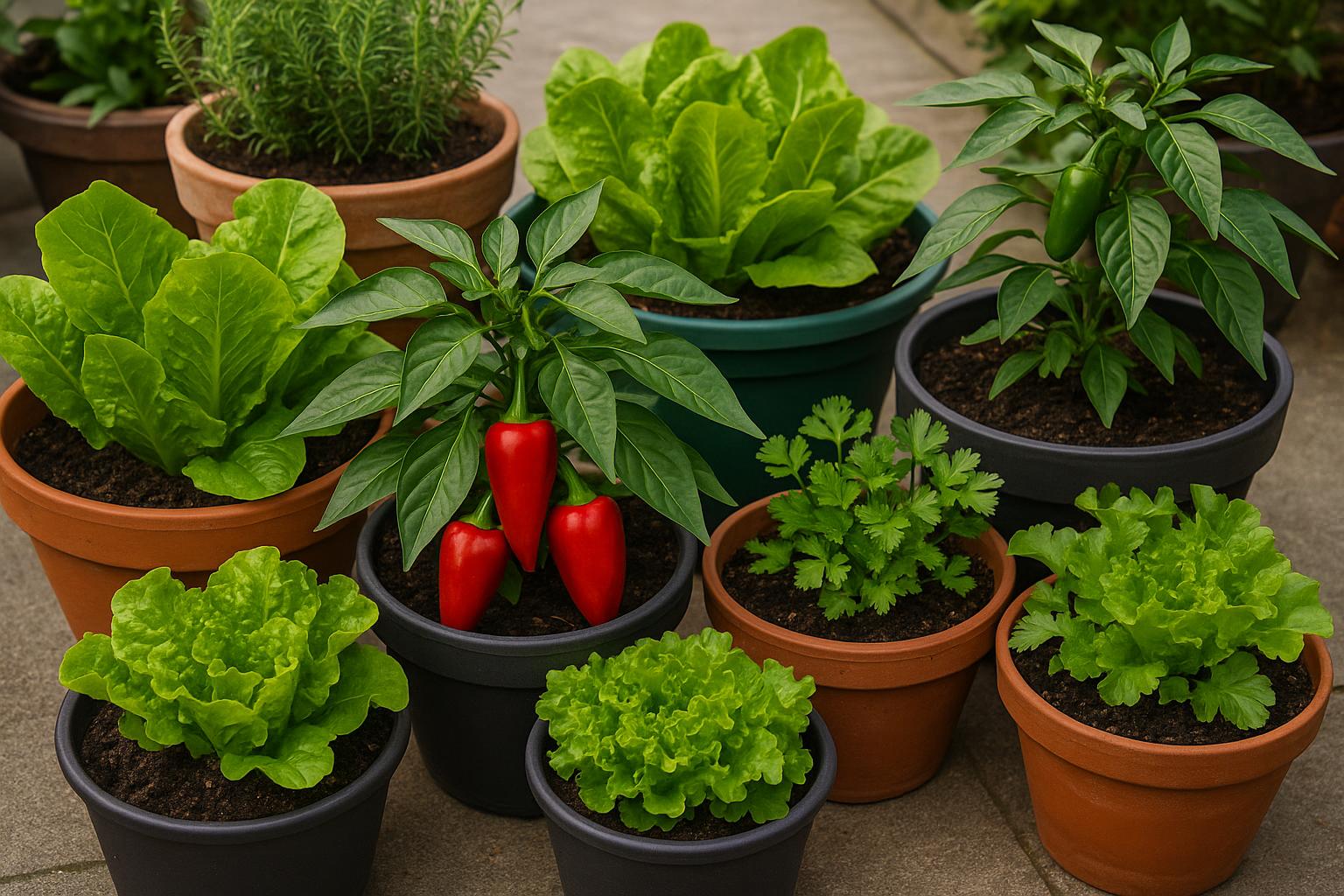
How Often to Fertilize Container Vegetables: The Ultimate Guide for Urban Gardeners
Quick Summary: Container vegetables are heavy feeders because frequent watering leaches nutrients from the soil. The golden rule is to fertilize regularly, typically every two to three weeks with a balanced liquid feed, or once per season with a slow-release granular fertilizer mixed into the potting mix. Fruiting plants like tomatoes and peppers need more frequent feeding (every two weeks) than leafy greens. Always start feeding 2-6 weeks after planting and never fertilize dry soil.
Welcome, fellow urban gardener! Container gardening brings unique challenges, and one of the most critical is nutrition. Unlike in-ground plants, container vegetables are entirely dependent on you for their food. Getting the timing right is the key to a bountiful harvest, and we're here to break down exactly how often to fertilize container vegetables to ensure your pots are bursting with life.
Why Container Plants Need More Frequent Feeding
The simple answer lies in the pot itself. Container plants rely on a limited volume of soilless potting mix. The primary reason for frequent feeding is the leaching effect [1]. Frequent watering, often daily in warm weather, causes excess water to drain out, carrying essential nutrients with it [2]. Since potting mix is light and well-draining, it holds onto nutrients for a shorter period, making regular replacement necessary for your plants to thrive.
The Golden Rule: When to Start and How Often to Fertilize Container Vegetables
Determining the perfect fertilization schedule is less about a rigid calendar date and more about observing your plants and understanding the type of fertilizer you are using. However, there are clear guidelines that can help you establish a routine.
The Initial Waiting Period
Most high-quality commercial potting mixes come pre-loaded with a small amount of fertilizer. This initial boost is usually enough to sustain your plants for the first two to six weeks after planting [3]. Starting to fertilize too early can lead to nutrient burn, especially for young, tender seedlings. Once this initial period is over, your regular feeding schedule must begin.
The Standard Schedule: Every 2 to 3 Weeks
For most container vegetables, a consistent feeding schedule of every two to three weeks is the sweet spot. This is especially true if you are using a water-soluble (liquid) fertilizer. This frequency ensures a steady supply of nutrients, preventing the boom-and-bust cycle that can stress plants and reduce yields.
| Vegetable Type | Growth Habit | Recommended Feeding Frequency (Liquid Feed) |
|---|---|---|
| Fruiting Vegetables (Tomatoes, Peppers, Eggplant, Cucumbers, Squash) | Heavy Feeders, Long Season | Every 10-14 days (Bi-weekly) |
| Root Vegetables (Carrots, Radishes, Beets) | Moderate Feeders, Shorter Season | Every 3-4 weeks |
| Leafy Greens (Lettuce, Spinach, Kale) | Moderate Feeders, Short Season | Every 2-3 weeks |
| Herbs (Basil, Mint, Thyme) | Light Feeders | Every 4-6 weeks, or only when growth slows |
Choosing Your Fertilizer: Slow-Release vs. Water-Soluble
The frequency of your fertilization depends heavily on the type of product you choose. Urban gardeners typically rely on two main categories of fertilizer, each with its own application schedule.
1. Slow-Release Granular Fertilizers
Slow-release fertilizers are a fantastic, low-maintenance option. They consist of nutrient pellets encased in a semi-permeable resin coating [4]. These pellets release nutrients slowly over three to nine months as they come into contact with water. This means you only need to apply them once per season at planting time, either by mixing them into the potting mix or top-dressing the soil surface. They offer convenience and a consistent nutrient supply, but their release rate can be affected by soil temperature.
2. Water-Soluble (Liquid) Fertilizers
Water-soluble fertilizers are concentrates mixed with water and applied directly to the soil. The nutrients are immediately available to the plant's roots, providing a quick boost. This type requires the most frequent application, typically every two to three weeks [5]. For heavy feeders, this may increase to every 10 days once fruiting begins. Liquid feeds are fast-acting and allow for easy adjustment of nutrient ratios, but they require consistent scheduling and carry a higher risk of nutrient burn if over-applied.
Understanding NPK Ratios: Feeding for Growth Stage
To truly master how often to fertilize container vegetables, you need to know what you are feeding them. The three numbers on a fertilizer label—the NPK ratio—represent the percentage by weight of Nitrogen (N), Phosphorus (P), and Potassium (K).
- Nitrogen (N): Promotes lush, green, leafy growth (essential for the vegetative stage).
- Phosphorus (P): Crucial for strong root development, flowering, and fruit set.
- Potassium (K): Supports overall plant health, disease resistance, and fruit quality.
The Right Ratio at the Right Time: For early growth, use a fertilizer with a slightly higher Nitrogen ratio (e.g., 3-1-2 or 20-10-10). Once plants begin to flower and fruit (like tomatoes and peppers), switch to a balanced or slightly Phosphorus/Potassium-heavy formula (e.g., 1-1-1 or 5-10-10) to encourage fruit production over excessive leaf growth.
Organic Options for Container Vegetables
Many urban gardeners prefer organic methods, which are excellent for container growing. Organic fertilizers release nutrients more slowly and are less likely to cause salt buildup. Popular options include:
- Liquid Feeds: Fish Emulsion and Seaweed Extract are fast-acting and gentle, and can be applied every two weeks for heavy feeders. Compost Tea is a homemade option that acts as a microbial booster and can be applied weekly.
- Granular Meals: Products like bone meal (P), blood meal (N), and kelp meal (K) can be mixed into the potting soil at the beginning of the season, providing a steady, gentle, slow-release feed.
Specific Tips for Heavy Feeders
Certain container vegetables are notoriously hungry and will demand more frequent attention to the question of how often to fertilize container vegetables.
Tomatoes, Peppers, Cucumbers, and Squash
These long-season, heavy-fruiting plants are the most demanding. They require a consistent supply of nutrients from the moment they are transplanted.
- Schedule: After the initial 4-6 weeks, fertilize with a balanced liquid feed every 10 to 14 days.
- Mid-Season Boost: Once flowering begins, switch to a fertilizer lower in nitrogen and higher in phosphorus and potassium to encourage fruit set and ripening. Watch for yellowing lower leaves (nitrogen deficiency) and adjust your feeding frequency accordingly.
Common Mistakes to Avoid
Being aware of these pitfalls will help you maintain a healthy, productive container garden:
1. Over-Fertilizing (The Burn)
This is the most common and damaging mistake. Too much fertilizer, especially synthetic water-soluble types, leads to a buildup of soluble salts in the potting mix. This results in "fertilizer burn," which manifests as brown or yellow leaf edges and stunted growth [4]. Always follow the product label instructions and, when in doubt, use half the recommended strength.
2. Fertilizing Dry Soil
Never apply fertilizer to dry soil. Concentrated nutrients on dry roots will immediately cause chemical burn. Always water your container thoroughly an hour or two before applying a liquid fertilizer. This ensures the roots are hydrated and the fertilizer solution is diluted as it reaches the root zone [6].
3. Ignoring the Plant's Signals
Your plants are the best indicators of their nutritional needs. Look for these signals:
- Pale or Yellowing Lower Leaves: Sign of nitrogen deficiency. Increase feeding.
- Excessive Leafy Growth, No Flowers: Sign of too much nitrogen. Switch to a fertilizer with a lower N and higher P/K ratio.
- Stunted Growth: Could be a sign of under-fertilization.
4. Using the Wrong Potting Mix
Using garden soil instead of a soilless potting mix in containers is a recipe for disaster. Garden soil compacts easily, leading to poor drainage and suffocated roots. Always use a high-quality, well-draining potting mix designed for containers.
A Final Word on Watering and Fertilizing
Watering and fertilizing are inextricably linked in container gardening. Your success depends on mastering both. The goal is to provide a consistent, steady supply of food, not to dump a lot of fertilizer all at once. By understanding the difference between slow-release and liquid feeds, adjusting your schedule based on the plant's life stage, and avoiding common mistakes, you can confidently answer the question of how often to fertilize container vegetables with a simple, effective routine.
Ready to Plan Your Best Container Garden Yet?
Now that you know the secrets to a perfect feeding schedule, it's time to put your knowledge into action!
We encourage you to try the Urban Grow Planner tool. It's designed specifically for urban and small-space gardeners to help you track your planting dates, monitor your feeding schedule, and optimize your yields. Start planning today and watch your urban oasis flourish!
References
[1] University of Maryland Extension. Maintaining Container Grown Vegetables. [2] Iowa State University Extension and Outreach. Care of Plants Growing in Containers. [3] University of Minnesota Extension. Fertilizing and watering container plants. [4] University of Illinois Extension. Fertilizing Container Gardens. [5] Plant Addicts. Fertilizing Plants in Containers. [6] Rural Sprout. Common Summer Fertilizing Mistakes that Can Harm Your Plants.
Related Articles
How To Start Urban Farming For Beginners
Ready to grow your own food? Learn how to start urban farming for beginners with this comprehensive guide on planning, small-space techniques, essential equipment, and common mistakes to avoid.
Balcony Garden Ideas For Beginners
Discover the ultimate balcony garden ideas for beginners! Learn how to maximize small spaces with vertical gardening, choose the best easy-to-grow plants, and avoid common mistakes. Start your urban oasis today!
Container Gardening For Beginners Step By Step
Start your urban garden with this step-by-step guide to container gardening for beginners. Learn about choosing pots, soil, plants, watering, and avoiding common mistakes.
How To Grow Vegetables On Apartment Balcony
Learn how to grow vegetables on apartment balcony with this ultimate guide. Get tips on sun, containers, soil, and the best compact crops for a successful urban garden.