How To Deal With Aphids On Balcony Plants
Learn how to deal with aphids on balcony plants using non-toxic methods like water, neem oil, and beneficial insects. Your ultimate guide to a pest-free urban garden.
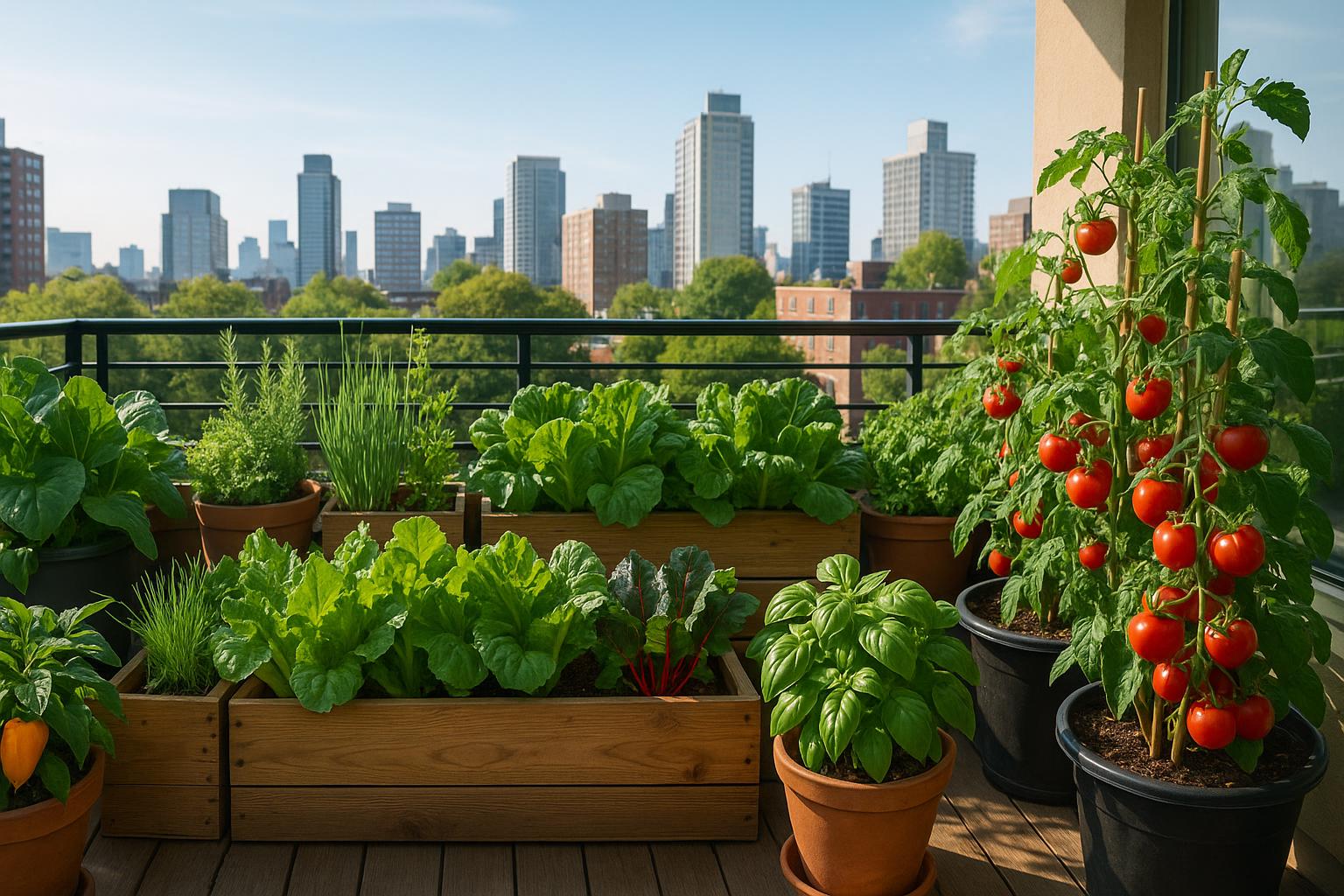
How to Deal with Aphids on Balcony Plants: Your Ultimate Guide to a Pest-Free Urban Garden
Quick Summary: Dealing with aphids on your balcony plants is a common challenge for urban gardeners, but it's entirely manageable with the right approach. This comprehensive guide will walk you through identifying these tiny pests, implementing immediate non-toxic removal methods like a strong jet of water or manual removal, and establishing long-term, organic control strategies. We'll cover everything from simple soap sprays and beneficial insects to common mistakes to avoid, ensuring you know how to deal with aphids on balcony plants effectively and keep your green space thriving.
The Tiny Terror: Understanding Aphids in Your Urban Oasis
It can be disheartening to see your beautiful balcony garden under attack. Aphids are small, soft-bodied insects that feed on plant sap, clustering on new growth and the undersides of leaves. Their ability to multiply rapidly and cause significant damage, such as stunted growth, curled leaves, and the sticky "honeydew" they excrete, makes them a major concern for any urban gardener. This honeydew can also lead to sooty mold, further compromising your plant's health.
The enclosed nature of a balcony can sometimes create a perfect, sheltered environment for aphids to thrive without natural predators. They come in various colors—green, black, yellow—and some even develop wings to spread quickly. A proactive and consistent strategy is essential for anyone wondering how to deal with aphids on balcony plants. Don't panic; with a little knowledge and effort, you can reclaim your balcony garden.
Immediate Action: Non-Toxic Removal Strategies
When you first spot an aphid infestation, your first instinct might be to reach for a harsh chemical. Resist that urge! For balcony gardening, non-toxic, physical removal methods are the safest and most effective first line of defense, offering immediate relief.
H3: The Power of Water: A Simple Blast
One of the easiest and most satisfying ways to remove aphids is with a strong jet of water. Aphids have a weak grip, and a focused stream from a spray bottle or hose nozzle can dislodge them without harming your plants. Be sure to spray the undersides of the leaves, where they love to hide. Repeat this every few days until their numbers drop. For delicate plants, adjust the water pressure to be firm but gentle.
H3: Manual Removal and Traps
For smaller infestations or on plants with very sturdy leaves, you can physically remove the aphids. Gently wipe them off with your fingers or use a cotton swab. Another effective technique is to use yellow sticky traps. While primarily for flying pests, they can catch winged aphids attempting to spread to other pots. Always dispose of the removed pests properly, such as dropping them into a container of soapy water.
Organic Control: Homemade and Natural Solutions
Once you've knocked down the initial population, introduce organic control methods that will continue to deter and eliminate the remaining pests. These solutions are safe for your family, pets, and the beneficial insects you want to encourage.
H3: Insecticidal Soap Spray
A homemade insecticidal soap spray is a classic and highly effective organic solution. The soap breaks down the aphid's protective outer layer, causing them to dehydrate. Mix 1-2 teaspoons of mild liquid dish soap (avoid degreasers or bleach) with one gallon of water. Apply the spray liberally to all parts of the plant, especially the undersides of leaves. Always test the spray on a small area first, and apply in the early morning or late evening to avoid leaf burn. Rinsing the plant with clean water a few hours later prevents residue buildup.
H3: Neem Oil: The Gardener's Secret Weapon
Neem oil, derived from the seeds of the neem tree, is a powerful, broad-spectrum organic pesticide and fungicide. It works as both a contact killer and a systemic repellent, disrupting the aphid's feeding and reproductive cycles. Mix neem oil according to the product's instructions, typically with a few drops of mild soap as an emulsifier, and water. Consistent application every 7-14 days can provide excellent long-term protection and is a key strategy for how to deal with aphids on balcony plants over the entire growing season.
H3: Essential Oil and Pepper Sprays
Certain essential oils, such as peppermint, rosemary, and clove, have natural insect-repelling properties. A mixture of water, a few drops of essential oil, and a small amount of soap can create a fragrant and effective deterrent spray. For a stronger organic option, a pepper spray made from blending hot peppers, water, and a drop of soap can act as a powerful irritant to pests.
Biological Warfare: Inviting Beneficial Insects
For a truly sustainable and hands-off approach, enlist the help of nature's own pest controllers: beneficial insects. Introducing these natural predators to your balcony can create a balanced ecosystem where aphid populations are naturally kept in check.
H3: Ladybugs and Lacewings
Ladybugs are famous aphid predators, with a single adult consuming thousands in its lifetime. Lacewing larvae, often called "aphid lions," are even more voracious and highly effective in enclosed spaces like balconies. You can purchase and release ladybug adults or lacewing eggs in the evening. To encourage them to stay, mist your plants lightly and ensure there are small water sources nearby.
H3: Parasitic Wasps and Hoverflies
Tiny parasitic wasps lay their eggs inside the aphids, leading to "mummified" aphids—a sign of a successful biological control program. Hoverfly larvae are also effective aphid predators, and the adults are excellent pollinators. These beneficial insects often arrive naturally once you stop using broad-spectrum chemical pesticides, highlighting the importance of organic methods.
Long-Term Prevention and Common Mistakes
The best defense against aphids is a good offense. By making a few adjustments to your balcony gardening practices, you can make your plants less appealing to these pests and prevent future outbreaks. This is the final, crucial step in mastering how to deal with aphids on balcony plants.
H2: Cultural Practices to Deter Aphids
H3: Proper Plant Nutrition and Watering
Aphids are attracted to plants with an excess of soft, sappy new growth, often a result of over-fertilizing with high-nitrogen fertilizers. Use a balanced, slow-release fertilizer and avoid excessive feeding. Healthy, strong plants are naturally more resistant to pest damage. Also, avoid overwatering, as this can lead to soft, weak growth that is more susceptible to pests.
H3: Companion Planting and Regular Inspection
Strategic planting can help deter aphids. Plants like chives, garlic, and onions emit odors that aphids dislike. Planting these among your more susceptible plants can act as a natural barrier. Conversely, planting "trap crops" like nasturtiums can draw aphids away from your prized plants. Make it a habit to inspect your plants daily, paying close attention to new growth and the undersides of leaves. Early detection is key, and pruning off heavily infested leaves immediately reduces the pest population.
H2: Common Mistakes to Avoid
H3: Using Harsh Chemical Pesticides
Broad-spectrum chemical pesticides kill beneficial insects along with the aphids. This creates a vacuum, allowing the rapidly reproducing aphids to return without any natural predators to stop them, leading to a worse infestation. Stick to organic and physical methods to maintain your balcony's delicate ecosystem balance.
H3: Ignoring the Ants
Ants "farm" aphids, protecting them from predators in exchange for the honeydew they produce. If you have an aphid problem, you likely have an ant problem. Controlling the ant population, perhaps with ant bait stations placed away from your plants, is an important part of your overall pest management strategy. Breaking the ant-aphid partnership is critical for long-term control.
H3: Applying Sprays in Direct Sunlight
Applying any spray—soap, neem, or essential oil—during the hottest part of the day or in direct, intense sunlight can cause phytotoxicity, or leaf burn. Always apply in the early morning or late evening when the sun is low and the temperatures are cooler.
Product Recommendations (By Type, Not Brand)
To help you stock your urban gardening toolkit, focus on these types of products:
- H3: Horticultural Oils: Highly refined petroleum or vegetable-based oils that smother pests. Use with caution on fuzzy-leaved varieties.
- H3: Concentrated Neem Oil: A cold-pressed, 100% pure concentrate for its dual action as a pesticide and fungicide.
- H3: Live Beneficial Insects: Ladybug adults or larvae, or lacewing eggs, for the ultimate long-term, natural solution.
- H3: Yellow Sticky Traps: Non-toxic traps for monitoring and catching winged adult aphids.
- H3: Handheld Sprayer: A simple, pump-action sprayer for precise application of water and organic solutions.
Conclusion: Your Balcony Can Be Pest-Free
You have all the knowledge you need to successfully manage and prevent aphid infestations. Remember that urban gardening is a journey, and encountering pests is a normal part of the process. By combining immediate physical removal, consistent application of organic controls, and smart preventative practices, you can ensure your balcony remains a beautiful, productive, and pest-free sanctuary. The key is consistency and patience.
Don't let these small pests discourage your big gardening dreams! Now that you know how to deal with aphids on balcony plants, you can face the challenge with confidence.
Ready to take your urban gardening to the next level? Plan your planting, track your pest control efforts, and maximize your yield with the Urban Grow Planner tool. It's the perfect companion for every successful balcony gardener. Start planning your pest-free paradise today!
Related Articles
How To Start Urban Farming For Beginners
Ready to grow your own food? Learn how to start urban farming for beginners with this comprehensive guide on planning, small-space techniques, essential equipment, and common mistakes to avoid.
Balcony Garden Ideas For Beginners
Discover the ultimate balcony garden ideas for beginners! Learn how to maximize small spaces with vertical gardening, choose the best easy-to-grow plants, and avoid common mistakes. Start your urban oasis today!
Container Gardening For Beginners Step By Step
Start your urban garden with this step-by-step guide to container gardening for beginners. Learn about choosing pots, soil, plants, watering, and avoiding common mistakes.
How To Grow Vegetables On Apartment Balcony
Learn how to grow vegetables on apartment balcony with this ultimate guide. Get tips on sun, containers, soil, and the best compact crops for a successful urban garden.