How To Grow Basil Indoors In Winter
Learn how to grow basil indoors in winter with this comprehensive guide. Get expert tips on lighting, temperature, watering, and pruning for a fresh, year-round harvest.
The Ultimate Guide on How to Grow Basil Indoors in Winter for a Year-Round Harvest
Quick Summary: Your Winter Basil Success Plan
Don't let the cold weather stop you from enjoying the bright, aromatic flavor of fresh basil. Basil is a tropical plant, but with a few simple adjustments, it can thrive in your home all winter long. The secret to success lies in providing the right environment, especially supplemental light. You'll need a dedicated grow light, as a windowsill alone won't cut it during the short, dark days of winter. Maintain a warm temperature, ideally between 65°F and 75°F, and ensure your plant has excellent drainage to prevent root rot. Start with cuttings for the easiest transition, and remember to prune regularly to encourage a bushy, productive plant. Follow this guide, and you'll be harvesting fresh leaves for pesto and pasta even when snow is on the ground.
Why Winter is the Perfect Time for Indoor Basil Gardening
There is a unique satisfaction that comes from harvesting a handful of fragrant, vibrant green basil leaves when the world outside is gray and frozen. Basil, Ocimum basilicum, is typically an annual herb, meaning it completes its life cycle in one growing season outdoors. However, when brought inside, it can be treated as a tender perennial, providing you with a continuous supply of fresh flavor. This is especially encouraging for urban gardeners who rely on small indoor spaces.
Bringing your basil indoors is not just about extending the harvest; it is about bringing a piece of summer's vitality into your home. The intense, sweet aroma of basil can instantly lift your spirits and your cooking. By learning how to grow basil indoors in winter, you are ensuring that your favorite recipes, from Caprese salad to homemade pesto, never have to wait for spring. It’s a simple, rewarding project that transforms a kitchen counter or a small shelf into a productive, miniature garden.
Step 1: Choosing Your Basil and Your Growing Method
The foundation of a successful indoor garden starts with selecting the right plant and the right medium. Not all basil varieties are created equal when it comes to thriving under artificial light and in a controlled indoor environment.
Best Basil Varieties for Indoors
While you can try to overwinter any basil, some varieties are naturally better suited for indoor life. Genovese basil, the classic Italian sweet basil, is a popular choice and adapts well, but it can grow quite large. For smaller spaces, consider Dwarf varieties like 'Spicy Globe' or 'Pistou,' which have a more compact growth habit and require less vertical space. Sweet Basil is another excellent, reliable option that provides the familiar, beloved flavor. When choosing, look for healthy, non-flowering plants or take cuttings from a robust outdoor plant before the first frost.
Soil vs. Hydroponics: Which is Right for You?
You have two main paths for growing basil indoors, and both can be highly successful.
-
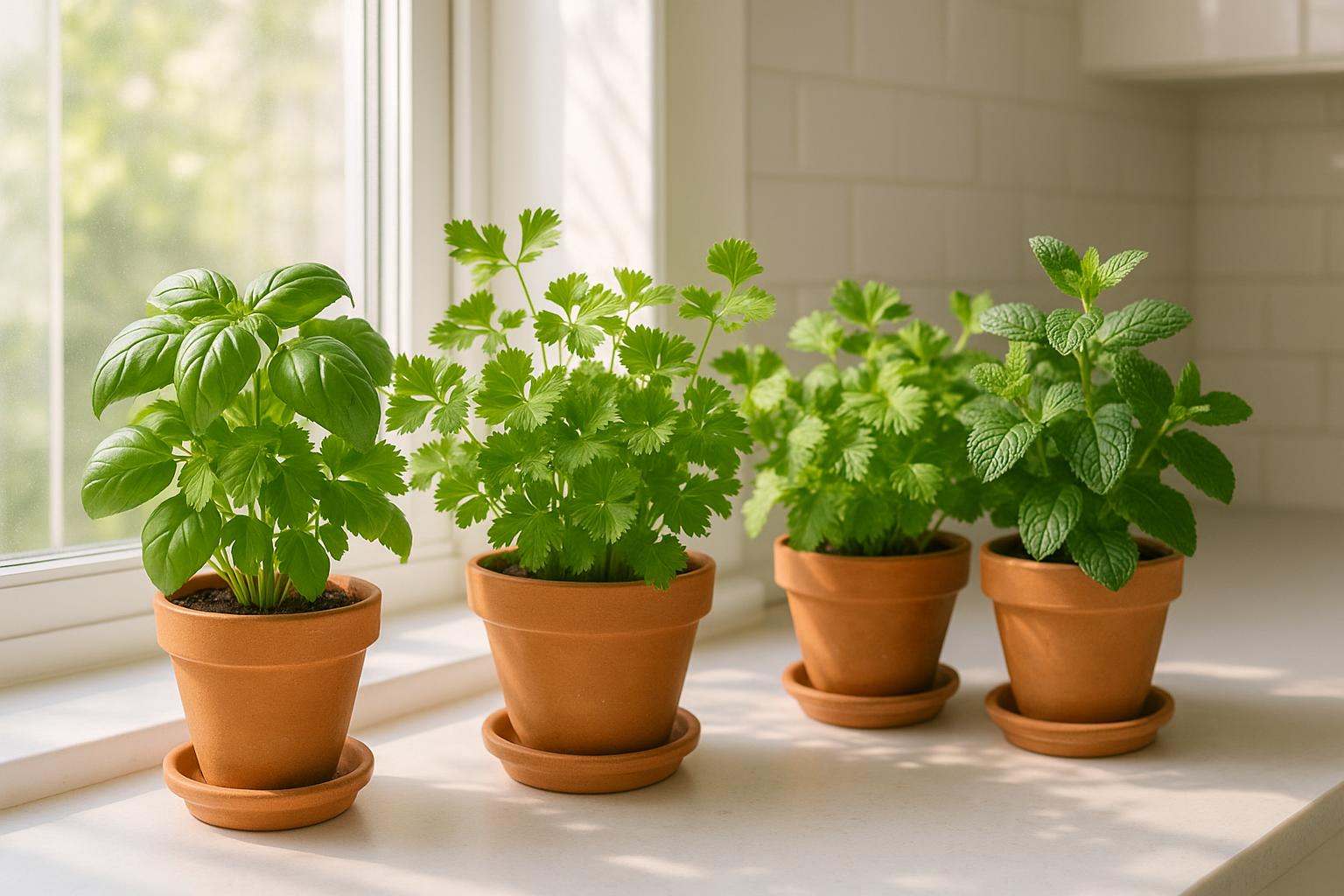
Soil-Based Growing: This is the most traditional and often the easiest for beginners. You must use a high-quality, well-draining potting mix, not garden soil, which can compact and harbor pests. The single most important rule for soil-based growing is to ensure your container has excellent drainage holes. Basil hates wet feet, and standing water is a fast track to root rot and fungal issues. A terracotta pot can be a great choice as it allows the soil to breathe and excess moisture to evaporate through the sides.
-
Hydroponics (Water-Based Growing): Starting basil from cuttings in water is incredibly simple and a fantastic way to bypass soil-borne issues like fungus gnats. Simply take a cutting, remove the lower leaves, and place the stem in a glass of water. Roots will form within a week or two. You can keep the plant in water, changing it every few days, or transfer it to a dedicated hydroponic system. This method is clean, efficient, and eliminates the risk of soil mold, making it a very appealing option for a clean kitchen environment.
Step 2: Mastering the Light Requirement (The Most Crucial Step)
If you take only one piece of advice from this guide, let it be this: light is the single most important factor in successfully growing basil indoors during the winter. Basil is a sun-loving, tropical plant that requires the equivalent of full, direct sun for many hours a day.
Why Windowsills Fail
A common mistake is assuming a sunny windowsill is enough. In the winter, the sun's intensity is significantly lower, and the daylight hours are drastically shorter. Furthermore, the window glass blocks a lot of the necessary light spectrum, and the cold air near the glass can stress the plant. Basil placed on a windowsill will quickly become "leggy"—tall, pale, and sparse—as it stretches desperately for light. This weak growth is not only unproductive but also more susceptible to pests and disease.
The Grow Light Solution
To successfully grow basil indoors in winter, you must provide supplemental light. This is non-negotiable for a healthy, bushy plant.
-
Light Type: Modern LED grow lights are the best choice. They are incredibly energy-efficient, produce very little heat (preventing leaf burn), and can be optimized for the light spectrum that plants need. While full-spectrum white light is excellent, basil responds well to light that is rich in the blue spectrum, which encourages compact, leafy growth. You do not need a massive, expensive setup; a simple, adjustable LED fixture is often perfect for a small herb garden. Fluorescent tube lights, specifically T5 or T8 fixtures, are also a good, cost-effective alternative.
-
Light Duration: Basil needs a long "day" to thrive. Aim to provide your plant with 12 to 16 hours of light per day. This is where a simple, inexpensive mechanical or digital timer becomes your best friend. Set it and forget it, ensuring your basil gets the consistent light it needs, even when you are not home.
-
Light Placement: The light source must be close to the plant. For most LED fixtures, position the light 6 to 12 inches above the top of the basil leaves. If the light is too far away, the plant will still stretch and become leggy. If you notice the leaves turning pale or yellow, the light may be too close or too intense; if the plant is stretching, the light is too far away. Adjust the height as the plant grows to maintain the optimal distance.
Step 3: Creating the Ideal Indoor Environment
Beyond light, temperature, water, and nutrients are the supporting pillars of your indoor basil garden. Getting these right will ensure your plant is not just surviving, but truly flourishing.
Temperature and Humidity
Basil is a warm-weather herb, and it will not tolerate cold.
-
Temperature: The ideal temperature range for indoor basil is between 65°F and 75°F (18°C to 24°C). Never let the temperature drop below 50°F, as this can severely damage the leaves and stunt growth. Be mindful of cold drafts, especially if your basil is near an exterior door or a poorly insulated window. Moving the plant to a warmer, more stable location, even if it means moving it away from a window, is often the best choice.
-
Humidity: Basil prefers moderate humidity, which can be a challenge in dry winter homes heated by forced air. You don't need a dedicated room humidifier, but you can easily boost the local humidity. Place the pot on a pebble tray filled with water, ensuring the bottom of the pot is not sitting directly in the water. As the water evaporates, it creates a microclimate of higher humidity around the plant.
Watering and Feeding
Consistent, proper watering is critical. Overwatering is the number one killer of indoor basil.
-
Watering: Water your basil only when the top inch of soil feels dry to the touch. When you do water, do so thoroughly until water runs out of the drainage holes. This ensures the entire root ball is moistened. Immediately empty the saucer beneath the pot; never let the pot sit in standing water. For those who struggle with knowing when to water, a simple moisture meter product can take the guesswork out of the process.
-
Feeding: Since your basil is actively growing and you are continually harvesting leaves, it will need supplemental nutrients. Use a balanced, water-soluble liquid fertilizer formulated for herbs or vegetables. Apply it at half-strength every four to six weeks. Over-fertilizing can lead to weak, rapid growth and salt buildup in the soil, so it is always better to err on the side of caution.
Step 4: Pruning for a Bushy, Abundant Harvest
The way you harvest your basil is the key to its longevity and productivity. If you simply pick individual leaves, the plant will grow tall and spindly. The goal is to encourage lateral growth, making the plant wide and bushy.
The Pinching Technique
This technique is simple but transformative. When your basil plant has two sets of true leaves, you can begin.
- Locate the main stem and find a point just above a set of two small leaves (a node).
- Using clean scissors or your fingernails, pinch off the main stem just above that node.
- This removal of the apical (top) bud forces the plant to send energy to the two side shoots below the cut.
- Instead of one main stem, you will now have two. Repeat this process on the new stems once they have grown a few inches.
Preventing Bolting
Bolting is when the basil plant produces a flower stalk, which signals the end of its life cycle and causes the leaves to become bitter. While bolting is less common indoors, it can still happen. If you see a flower stalk beginning to form, pinch it off immediately. Regular pruning and harvesting, as described above, is the best way to prevent bolting and keep your plant focused on producing delicious leaves.
Common Mistakes to Avoid When Growing Basil Indoors in Winter
Even with the best intentions, indoor gardening presents unique challenges. Being aware of the most common pitfalls will help you keep your basil healthy and productive.
Mistake 1: Insufficient Light
As mentioned, this is the biggest hurdle. A plant struggling with low light will be pale, weak, and leggy. It will also be less flavorful. If you are wondering how to grow basil indoors in winter and get a robust harvest, the answer always comes back to the light. Invest in a proper grow light and use a timer for 14-16 hours a day. There is no substitute for this step.
Mistake 2: Overwatering
Root rot is a silent killer. When the roots sit in soggy, airless soil, they literally drown and begin to decay. The symptoms often mimic underwatering—wilting leaves—leading the gardener to water even more, sealing the plant's fate. Always check the soil moisture with your finger or a moisture meter before watering. Ensure your pot has drainage holes and that you empty the saucer after watering.
Mistake 3: Ignoring Pests
Indoor plants are not immune to pests. The dry, warm air of a winter home can be an ideal environment for tiny invaders like spider mites, aphids, and fungus gnats.
- Spider Mites: Look for fine webbing and tiny specks on the undersides of leaves.
- Aphids: Small, pear-shaped insects often clustered on new growth.
- Fungus Gnats: Tiny, black flying insects that hover around the soil surface (a sign of overly moist soil).
Inspect your plants regularly. If you find pests, treat them immediately with an insecticidal soap product or a neem oil product. For fungus gnats, let the soil dry out completely between waterings, and consider using sticky traps to catch the adults.
Final Thoughts: Your Fresh Basil Success Story
Mastering the art of indoor basil cultivation is a rewarding experience that pays off with every meal. By focusing on the three pillars of success—intense light, warm temperatures, and careful watering—you can easily overcome the challenges of the winter months. You now have all the knowledge you need to keep that vibrant, sweet flavor on your table year-round.
Ready to put your green thumb to the test? Start your indoor basil journey today and enjoy the taste of summer, no matter the season.
Call to Action:
To help you keep track of your basil's light schedule, watering needs, and pruning dates, we encourage you to use the Urban Grow Planner tool. It’s the perfect companion for your indoor gardening adventures, helping you plan, track, and optimize your harvest for maximum yield!
Related Articles
How To Start Urban Farming For Beginners
Ready to grow your own food? Learn how to start urban farming for beginners with this comprehensive guide on planning, small-space techniques, essential equipment, and common mistakes to avoid.
Balcony Garden Ideas For Beginners
Discover the ultimate balcony garden ideas for beginners! Learn how to maximize small spaces with vertical gardening, choose the best easy-to-grow plants, and avoid common mistakes. Start your urban oasis today!
Container Gardening For Beginners Step By Step
Start your urban garden with this step-by-step guide to container gardening for beginners. Learn about choosing pots, soil, plants, watering, and avoiding common mistakes.
How To Grow Vegetables On Apartment Balcony
Learn how to grow vegetables on apartment balcony with this ultimate guide. Get tips on sun, containers, soil, and the best compact crops for a successful urban garden.