How To Grow Chives Indoors In Winter
Learn how to grow chives indoors in winter with this complete guide for urban gardeners. Get tips on light, soil, watering, and harvesting for a fresh herb supply all season.
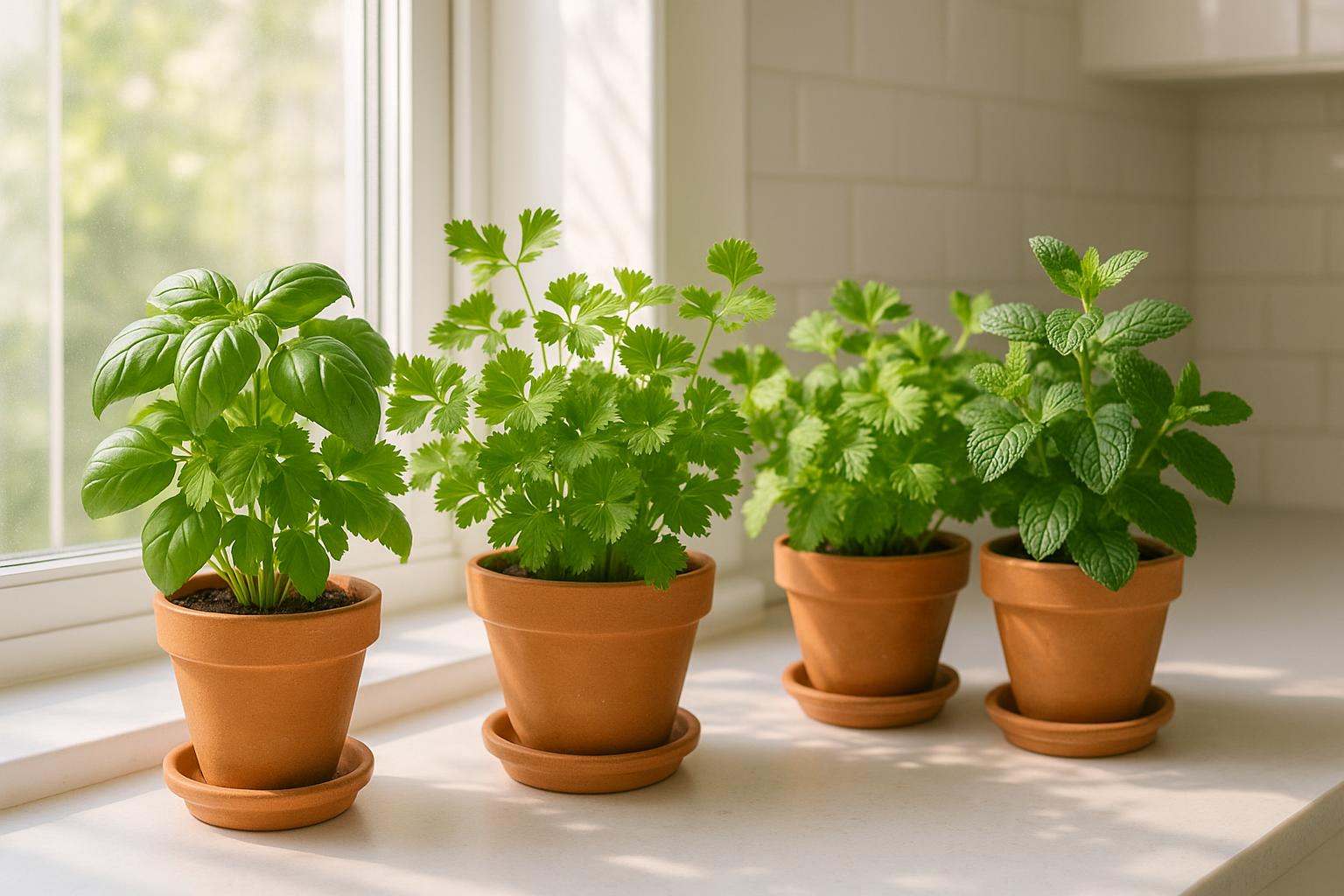
How to Grow Chives Indoors in Winter: A Complete Guide for Urban Gardeners
Quick Summary: Don't let the cold stop your harvest! Growing chives indoors during winter is a simple and rewarding project for any urban gardener. The key is providing adequate light (a south-facing window or grow light), using well-draining soil, and maintaining consistent moisture. This guide will walk you through everything from selecting the right variety to troubleshooting common issues, ensuring you have fresh, oniony flavor all season long.
The Joy of Fresh Herbs: Why Grow Chives Indoors in Winter?
The winter months often mean a halt to outdoor gardening, but for the dedicated urban grower, the desire for fresh, vibrant herbs never fades. Chives (Allium schoenoprasum) are one of the easiest and most forgiving herbs to cultivate indoors, making them a perfect choice for a winter harvest. They offer a mild, onion-like flavor that elevates soups, salads, baked potatoes, and egg dishes, providing a taste of summer even when snow is on the ground.
Growing chives indoors in winter not only provides a continuous supply of culinary herbs but also brings a touch of green life and a pleasant aroma to your home. It's a simple, low-maintenance way to keep your gardening skills sharp and enjoy the freshest ingredients possible, regardless of the season.
Phase 1: Getting Started – What You Need
A successful indoor chive garden starts with the right materials. You don't need a lot of space or expensive equipment, just a few key items to mimic their natural growing environment.
Choosing Your Chives: Seeds vs. Transplants vs. Dividing
You have three main options for starting your indoor chive patch:
-
Seeds: Starting from seed is the most economical option, but it requires patience. Chive seeds can take 2-3 weeks to germinate and several months to reach a harvestable size. Sow seeds about a quarter-inch deep in a moist seed-starting mix.
-
Transplants (Nursery Plants): Buying a small potted chive plant from a nursery is the fastest way to get started. Simply repot it into a larger container and bring it indoors. This is ideal if you want to start harvesting quickly.
-
Dividing Outdoor Clumps (Recommended for Winter): This is the most popular and effective method for how to grow chives indoors in winter. Before the first hard frost, dig up a clump of chives from your outdoor garden. The cold period is essential for chives, as they require a period of dormancy (vernalization) to stimulate new growth.
- The Vernalization Process: Dig up a healthy clump, place it in a pot, and trim the foliage back to about 2 inches. Place the potted clump in a cold, dark place (like an unheated garage, shed, or refrigerator) where temperatures stay between 35°F and 45°F (2°C and 7°C) for about 6-8 weeks. This cold rest tricks the plant into thinking winter is over, leading to vigorous new growth when you bring it inside.
Essential Supplies
| Supply Type | Specific Recommendation | Why It's Important |
|---|---|---|
| Container | 6-8 inch diameter pot with drainage holes. Terracotta or plastic. | Chives have shallow roots but need space to form clumps. Drainage is crucial to prevent root rot. |
| Potting Mix | High-quality, well-draining potting mix (not garden soil). | Garden soil compacts too easily in a pot. A light, airy mix ensures good aeration and drainage. |
| Light Source | South-facing window or a full-spectrum LED grow light. | Chives need 4-6 hours of direct sun or 12-16 hours under a grow light to thrive indoors. |
| Watering Can | Small can with a long, narrow spout. | Allows for precise watering directly to the soil, avoiding the foliage. |
Phase 2: The Ideal Indoor Environment
Once you have your chives and supplies, the next step is setting up the perfect indoor microclimate. Chives are hardy, but they still have specific needs that must be met to ensure a continuous, healthy harvest.
Light Requirements: The Winter Challenge
Light is the single biggest challenge when learning how to grow chives indoors in winter. The short, gray days of winter simply don't provide enough natural light for most herbs to flourish.
- Natural Light: Place your pot in the brightest window you have, typically a south-facing window. Rotate the pot every few days to ensure all sides of the plant receive light.
- Supplemental Light (Highly Recommended): For the best results and the most robust growth, invest in a grow light. A simple full-spectrum LED grow light is energy-efficient and provides the necessary light spectrum. Position the light 6-12 inches above the chive foliage and keep it on for 12 to 16 hours per day. Use a simple timer to maintain a consistent schedule.
Temperature and Humidity
Chives prefer cooler temperatures, which is why they do so well in a winter garden.
- Temperature: An ideal indoor temperature range is between 60°F and 70°F (15°C and 21°C) during the day, dropping slightly at night. Avoid placing your chives near heat sources like radiators or forced-air vents, as this can dry them out quickly.
- Humidity: Average household humidity is usually fine. If your home is extremely dry, you can place the pot on a pebble tray filled with water. As the water evaporates, it will create a small, localized area of higher humidity around the plant.
Watering and Feeding
Consistent and correct watering is vital for indoor chives.
- Watering: Chives prefer consistently moist, but not soggy, soil. Water thoroughly when the top inch of soil feels dry to the touch. Ensure the water drains completely out of the bottom of the pot. Never let the pot sit in a saucer of water, as this will lead to root rot.
- Fertilizing: Chives are not heavy feeders. A light feeding once a month is sufficient during the winter growing period. Use a balanced, water-soluble liquid fertilizer diluted to half strength. Over-fertilizing can lead to weak, floppy growth.
Phase 3: Maintenance, Harvesting, and Troubleshooting
The real reward comes with the harvest. Knowing when and how to cut your chives, as well as how to handle common issues, will keep your plant productive all winter long.
How to Harvest Chives
Chives are a cut-and-come-again herb, meaning the more you harvest, the more they will grow back.
- Wait for Maturity: Wait until the chive blades are at least 6 inches tall before the first harvest.
- The Cut: Use sharp, clean scissors to snip the blades. Cut them about 1 to 2 inches above the soil line.
- Harvesting Technique: Always cut from the outer edges of the clump first. Never cut more than one-third of the plant's foliage at any one time. This ensures the plant has enough energy to quickly regenerate.
- Storage: Fresh chives are best used immediately. If you must store them, wrap them loosely in a damp paper towel and place them in a plastic bag in the refrigerator for up to a week.
Common Mistakes to Avoid When Growing Chives Indoors
Even the hardiest plants can suffer if their basic needs are neglected. Avoiding these common pitfalls will ensure your success in learning how to grow chives indoors in winter.
| Mistake | Effect on Chives | Solution |
|---|---|---|
| Overwatering | Root rot, yellowing foliage, fungal gnats. | Only water when the top inch of soil is dry. Ensure excellent drainage. |
| Insufficient Light | Pale, spindly, and floppy growth (etiolation). | Move to a brighter window or, ideally, use a full-spectrum LED grow light for 12-16 hours daily. |
| Over-Harvesting | Plant exhaustion, slow or no regrowth. | Never cut more than one-third of the foliage at once. Harvest from the outside of the clump. |
| Using Garden Soil | Compacted soil, poor drainage, root suffocation. | Always use a light, airy, well-draining potting mix specifically designed for containers. |
| No Dormancy Period | Weak, sparse growth that quickly dies back. | If starting from an outdoor clump, ensure it undergoes the 6-8 week vernalization (cold rest) period before bringing it indoors. |
Dealing with Pests and Diseases
Indoor environments can sometimes attract pests, though chives are generally resistant.
- Fungal Gnats: These small, black flies are a sign of overly moist soil. Reduce watering frequency and allow the top layer of soil to dry out completely between waterings. Yellow sticky traps can help control the adult population.
- Aphids: If you notice small, green or black insects, wipe them off with a cotton swab dipped in rubbing alcohol or spray the plant with a mild solution of water and a few drops of insecticidal soap.
Phase 4: Advanced Tips for a Bountiful Winter Harvest
Once you've mastered the basics of how to grow chives indoors in winter, you can implement a few advanced techniques to maximize your yield and keep your plants healthy for years to come.
Succession Planting
To ensure you never run out of chives, consider succession planting. If you have a large outdoor clump, divide it into two or three smaller pots. Bring one pot inside for immediate harvesting. Keep the others in the cold dormancy period. After 6-8 weeks of harvesting the first pot, swap it out with the second pot from the cold, and place the first pot back outside (or in a cold area) to rest. This rotation ensures a continuous supply of fresh, vigorous chives.
The Importance of Trimming
Even if you aren't harvesting for culinary use, it's a good idea to trim your chives regularly. If the tips of the blades start to turn yellow or brown, it's a sign of old age or a lack of moisture/nutrients. Trimming them back encourages the plant to put energy into producing new, fresh growth. A full trim back to 2 inches every few months can revitalize a tired-looking plant.
Product Recommendations (By Type)
When setting up your indoor chive garden, look for these types of products:
- Containers: Look for ceramic or plastic pots that are at least 6 inches deep and have multiple drainage holes.
- Soil: A peat-based or coco coir-based potting mix with added perlite or vermiculite for drainage is ideal. Avoid anything labeled "heavy" or "for outdoor use."
- Light: A 2-foot LED grow light bar is a great option for a small indoor herb garden, providing the necessary intensity without excessive heat.
- Nutrients: A liquid all-purpose houseplant fertilizer (with an NPK ratio like 10-10-10 or similar) is perfect when diluted.
Conclusion: Keep Your Urban Garden Growing
Mastering how to grow chives indoors in winter is a fantastic step for any urban gardener looking to extend their season. With a little attention to light, water, and temperature, you can enjoy the crisp, fresh flavor of chives throughout the coldest months. This simple project proves that gardening is a year-round activity, and the rewards—a constant supply of fresh herbs—are well worth the effort.
Now that you have the knowledge to successfully grow chives indoors, it's time to plan your entire winter harvest. Our Urban Grow Planner tool can help you map out your indoor space, track planting and harvesting dates for all your herbs and microgreens, and even calculate the light requirements for different areas of your home.
Start planning your year-round urban garden today with the Urban Grow Planner!
Related Articles
How To Start Urban Farming For Beginners
Ready to grow your own food? Learn how to start urban farming for beginners with this comprehensive guide on planning, small-space techniques, essential equipment, and common mistakes to avoid.
Balcony Garden Ideas For Beginners
Discover the ultimate balcony garden ideas for beginners! Learn how to maximize small spaces with vertical gardening, choose the best easy-to-grow plants, and avoid common mistakes. Start your urban oasis today!
Container Gardening For Beginners Step By Step
Start your urban garden with this step-by-step guide to container gardening for beginners. Learn about choosing pots, soil, plants, watering, and avoiding common mistakes.
How To Grow Vegetables On Apartment Balcony
Learn how to grow vegetables on apartment balcony with this ultimate guide. Get tips on sun, containers, soil, and the best compact crops for a successful urban garden.