How To Grow Herbs On Kitchen Windowsill
Learn how to grow herbs on kitchen windowsill with this complete, actionable guide. Get tips on light, soil, watering, and the best herbs for a thriving indoor garden.
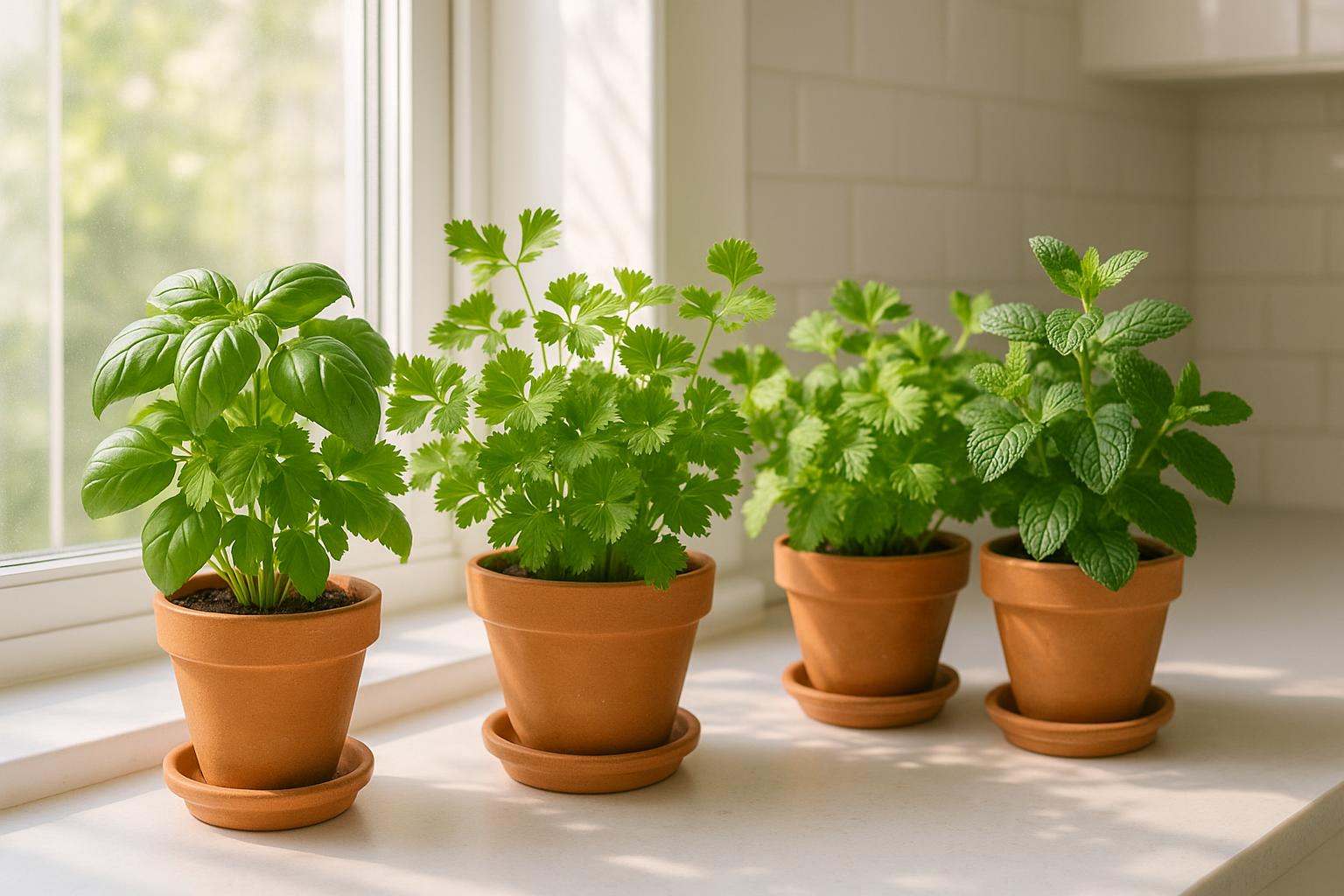
Transform Your Kitchen: A Complete Guide on How to Grow Herbs on Kitchen Windowsill
The scent of fresh basil, the bright flavor of chives, and the earthy aroma of thyme—imagine having all of this just steps away from your cutting board. For urban gardeners and cooking enthusiasts alike, the dream of a year-round supply of fresh herbs is entirely achievable, and the perfect place to start is your kitchen windowsill. This comprehensive guide will walk you through everything you need to know to successfully cultivate a thriving indoor herb garden, turning a simple window ledge into a source of endless culinary inspiration.
If you've ever felt intimidated by gardening, rest assured that growing herbs indoors is one of the most rewarding and forgiving projects you can undertake. It requires minimal space, a small investment, and just a little bit of know-how. By the end of this article, you will have the practical, actionable steps to start your own fragrant, edible garden today. We will cover everything from choosing the right herbs and essential supplies to mastering the art of light, water, and pruning, ensuring your herbs flourish right where you need them most.
Why Your Kitchen Windowsill is the Perfect Herb Garden Spot
Your kitchen windowsill offers a unique and advantageous environment for growing herbs, especially in urban settings where outdoor space is limited. It's a prime location that provides convenience, consistent temperature, and, most importantly, access to the light your plants crave.
The Benefits of Indoor Herb Gardening
The most immediate benefit is the unbeatable freshness you gain. No more last-minute dashes to the grocery store for a wilted bunch of parsley; you can simply snip what you need right before you cook. This convenience also translates to less food waste and a more flavorful meal every time. Beyond the culinary advantages, a row of vibrant green herbs adds a beautiful, natural aesthetic to your kitchen, making the space feel more alive and welcoming. Furthermore, tending to your small garden can be a surprisingly therapeutic and rewarding daily ritual.
Understanding Your Windowsill's Microclimate
The success of your windowsill garden hinges on understanding the light exposure your window provides. Different directions offer varying intensities and durations of sunlight, creating a unique microclimate that favors certain herbs.
| Window Direction | Light Intensity | Duration | Best Herbs |
|---|---|---|---|
| South-Facing | High | 6+ hours of direct sun | Basil, Rosemary, Thyme, Oregano (Sun-lovers) |
| West-Facing | Medium-High | Strong afternoon sun | Mint, Chives, Sage |
| East-Facing | Medium | Gentle morning sun | Parsley, Cilantro, Tarragon |
| North-Facing | Low | Indirect/Ambient light | Chives, Mint (May require supplemental light) |
For most herbs, a minimum of six hours of sunlight is ideal. If you have a south-facing window, you are in luck, as this provides the strongest, most consistent light. If your best option is an east or west window, you can still succeed, but you may need to be more selective with your herb choices or consider supplemental lighting.
Choosing Your Herbs: The Best Varieties for Windowsills
When you are learning how to grow herbs on kitchen windowsill, starting with the right varieties is half the battle. Some herbs are simply more adaptable to indoor life than others.
Top 5 Easy-to-Grow Herbs
- Basil: A fast-growing favorite that loves warmth and sun. It's a great indicator plant—if your basil is happy, your other herbs likely are too.
- Mint: Incredibly hardy and vigorous, mint is almost too easy to grow. It’s essential to keep it in its own pot, as it will quickly take over any shared container.
- Chives: These onion-flavored greens are very forgiving and tolerate lower light levels better than most. They grow back quickly after being snipped.
- Parsley: Both flat-leaf and curly varieties do well indoors, preferring bright, indirect light. They are heavy drinkers, so keep their soil consistently moist.
- Thyme: A tough, drought-tolerant herb that thrives in a sunny spot. Its small leaves mean it doesn't need as much vertical space as others.
Herbs That Need More Light
Herbs like Rosemary and Oregano are native to the Mediterranean and require intense, direct sunlight. If you choose to grow these, a south-facing window is non-negotiable. If you notice them becoming "leggy" (long, weak stems with sparse leaves), it is a clear sign they are not getting enough light and you should consider adding a small LED grow light.
Specific Tip: Seeds vs. Small Plants While starting from seed is cheaper and rewarding, it requires patience. For immediate gratification and a higher chance of success, especially when you are just learning how to grow herbs on kitchen windowsill, purchase small, established plants from a nursery. They are already past the most fragile stage of growth and will provide a harvest much sooner.
Essential Supplies for a Thriving Windowsill Herb Garden
Having the right equipment ensures your herbs have the best possible environment to thrive. You don't need a lot, but the quality of a few key items makes a huge difference.
The Right Containers
The single most important feature of any herb container is drainage. Without holes in the bottom, excess water will sit and suffocate the roots, leading to the dreaded root rot.
- Material Types: Terracotta pots are porous and allow the soil to breathe, which is great for herbs that prefer drier conditions like Rosemary and Thyme. Plastic and glazed ceramic pots retain moisture longer, which can be beneficial for water-loving herbs like Mint and Parsley.
- Size: Start with pots that are at least 6 inches in diameter. This gives the roots enough room to establish themselves and supports a larger, more productive plant.
- Product Recommendation Type: Self-watering planters are an excellent option for busy gardeners. They feature a reservoir at the bottom that wicks water up into the soil as needed, helping to prevent both over- and under-watering.
Soil and Growing Medium
Do not make the mistake of using soil from your outdoor garden. It is too dense, can compact easily, and may contain pests or diseases.
- Potting Mix: Always use a high-quality, sterile, all-purpose potting mix designed for containers. Look for mixes that contain perlite or vermiculite, which help with aeration and drainage.
- Seed Starting Mix: If you are starting from seed, use a lighter, finer seed starting mix for the initial germination phase. You can transplant them into regular potting mix once they have a few true leaves.
Watering Tools
A small, long-spouted watering can allows you to direct water precisely to the soil without soaking the leaves, which can help prevent fungal issues. A simple spray bottle is also useful for misting humidity-loving herbs like Basil and for applying a gentle, natural pest-control solution.
Step-by-Step Guide on How to Grow Herbs on Kitchen Windowsill
Follow these simple steps to set up your indoor herb garden for success.
Step 1: Preparing Your Pots
If your pot has a drainage hole, place a small piece of mesh or a coffee filter over it to prevent the soil from washing out. Do not use gravel or broken pottery at the bottom; this old gardening myth actually raises the water table and can worsen drainage. Instead, fill the pot directly with your potting mix, leaving about an inch of space below the rim.
Step 2: Planting or Transplanting
If you are transplanting a nursery plant, gently remove it from its temporary container. Loosen any tightly bound roots with your fingers—this is called "teasing" the roots and encourages them to grow outward into the new soil. Place the plant in the center of the new pot so that the top of the root ball is level with the surrounding soil. Fill in around the sides with more potting mix and lightly tamp it down.
Step 3: Initial Watering and Placement
Give your newly potted herbs a thorough watering until you see water draining out of the bottom. This settles the soil and eliminates air pockets. Place a saucer or tray underneath the pot to catch the excess water, and empty the tray after about 15 minutes so the roots are not sitting in standing water. Finally, place your pots in the sunniest spot on your kitchen windowsill.
Specific Tip: Acclimatizing New Plants If you bought your herbs from an outdoor nursery, they may be shocked by the sudden change in environment. For the first week, keep them in a slightly less intense light area and gradually move them closer to the window. This slow transition helps them adjust to the indoor conditions.
Mastering the Care and Maintenance of Your Herbs
Consistent, thoughtful care is the key to a long-lasting, productive herb garden.
The Light Factor
As mentioned, most herbs need at least six hours of bright light. If your window is not providing this, or if the days are short in winter, you must supplement.
- Rotating Pots: To ensure even growth, rotate your pots a quarter turn every few days. This prevents the plants from leaning heavily toward the light source and becoming lopsided.
- Product Recommendation Type: Small LED grow lights/strip lights are a game-changer for indoor herb gardening. They are energy-efficient, produce little heat, and can be easily mounted under a cabinet or on a shelf above your windowsill. Look for full-spectrum lights, which mimic natural sunlight and are ideal for plant growth.
Watering Wisdom
Overwatering is the single most common reason for indoor herb failure. It is far better to slightly underwater than to overwater.
- Check Soil Moisture: Before watering, stick your finger about an inch deep into the soil. If it feels dry, it's time to water. If it feels moist, wait another day or two.
- Frequency Varies: Water needs will change dramatically based on the herb (Basil needs more than Thyme), the season (more in summer, less in winter), and the pot material (terracotta dries faster). Learn to read your plants and the soil, not the calendar.
Feeding Your Herbs
Herbs grown in containers will eventually deplete the nutrients in the potting mix.
- Fertilizer Type: Use a balanced, water-soluble liquid houseplant fertilizer at half-strength.
- Frequency: Feed your herbs once a month during the spring and summer growing seasons. Avoid fertilizing in the fall and winter when growth naturally slows down.
Pruning for Bushiness
The more you harvest, the more your herbs will grow. Pruning encourages the plant to branch out, resulting in a fuller, bushier, and more productive plant.
- Harvesting Technique: Always snip just above a leaf node (where a set of leaves meets the stem). This tells the plant to send out two new shoots from that point, effectively doubling your harvest next time.
- Never Take More Than 1/3: To avoid stressing the plant, never remove more than one-third of the total foliage at any one time.
Specific Tip: Pinching Basil To keep basil from getting tall and spindly, regularly pinch off the central growing tip. This forces the plant to grow outwards instead of upwards, creating a beautiful, dense mound of leaves.
Common Mistakes to Avoid When Growing Herbs Indoors
Even with the best intentions, a few common pitfalls can derail your efforts to successfully grow herbs on kitchen windowsill. Knowing what to avoid is just as important as knowing what to do.
Overwatering
As stressed before, this is the number one killer. Soggy soil deprives the roots of oxygen, causing them to rot. If you notice yellowing leaves or a musty smell, cut back on watering immediately.
Lack of Drainage
If your pot doesn't have drainage holes, you are setting yourself up for failure. Even the most careful watering schedule cannot overcome a container that traps water at the bottom. If you absolutely must use a decorative pot without holes, plant your herb in a slightly smaller plastic pot with holes, and then place that pot inside the decorative one (this is called "double potting").
Ignoring Pests
Indoor herbs are not immune to pests. The most common culprits are tiny spider mites and aphids. Inspect the undersides of leaves regularly. If you spot an infestation, a simple solution of water mixed with a few drops of mild dish soap, applied with a spray bottle, is an effective and natural remedy.
Not Harvesting
It sounds counterintuitive, but a plant that is never harvested will become leggy, woody, and less flavorful. Regular harvesting is a form of pruning that keeps the plant in its productive, vegetative state. Don't be afraid to use your herbs!
Placing Near Drafts or Heat Vents
Avoid placing your herbs directly next to a cold, drafty window in winter or near a hot air vent. Sudden temperature fluctuations can stress the plants and cause them to drop leaves. A consistent, moderate room temperature is best.
Troubleshooting Your Windowsill Herb Garden
A little detective work can save a struggling plant. Here are a few common issues and their solutions:
| Symptom | Probable Cause | Solution |
|---|---|---|
| Yellowing Leaves | Overwatering or nutrient deficiency | Check soil moisture; if wet, reduce watering. If dry, apply a half-strength liquid fertilizer. |
| Leggy Growth | Not enough light | Move to a sunnier window or install a supplemental LED grow light. Prune back spindly growth. |
| Wilting | Needs water or root rot | Check soil. If dry, water thoroughly. If wet, stop watering and check for drainage issues. |
| White/Brown Spots | Fungal disease or pests | Increase air circulation and treat with a mild soap and water solution. |
Conclusion: Your Fresh Herb Journey Starts Now
You now have all the knowledge you need to successfully cultivate a fragrant, productive herb garden right on your kitchen windowsill. From selecting the perfect sun-loving basil to mastering the delicate balance of watering and pruning, the simple steps on how to grow herbs on kitchen windowsill are well within your reach. There is nothing quite like the satisfaction of adding a handful of your own homegrown herbs to a meal, and the continuous supply will elevate your cooking to a new level.
Don't wait another day to start enjoying the benefits of fresh, accessible herbs. Take a look at your kitchen window, choose your favorite herbs, and begin your urban gardening adventure.
To help you plan your space and keep track of your planting schedule, why not start planning your next harvest with the Urban Grow Planner tool? It’s the perfect companion for your new windowsill garden!
Related Articles
How To Start Urban Farming For Beginners
Ready to grow your own food? Learn how to start urban farming for beginners with this comprehensive guide on planning, small-space techniques, essential equipment, and common mistakes to avoid.
Balcony Garden Ideas For Beginners
Discover the ultimate balcony garden ideas for beginners! Learn how to maximize small spaces with vertical gardening, choose the best easy-to-grow plants, and avoid common mistakes. Start your urban oasis today!
Container Gardening For Beginners Step By Step
Start your urban garden with this step-by-step guide to container gardening for beginners. Learn about choosing pots, soil, plants, watering, and avoiding common mistakes.
How To Grow Vegetables On Apartment Balcony
Learn how to grow vegetables on apartment balcony with this ultimate guide. Get tips on sun, containers, soil, and the best compact crops for a successful urban garden.