How To Grow Kale In Containers
Learn how to grow kale in containers with this comprehensive guide for urban gardeners. Get tips on varieties, soil, watering, pest control, and harvesting for a year-round supply.
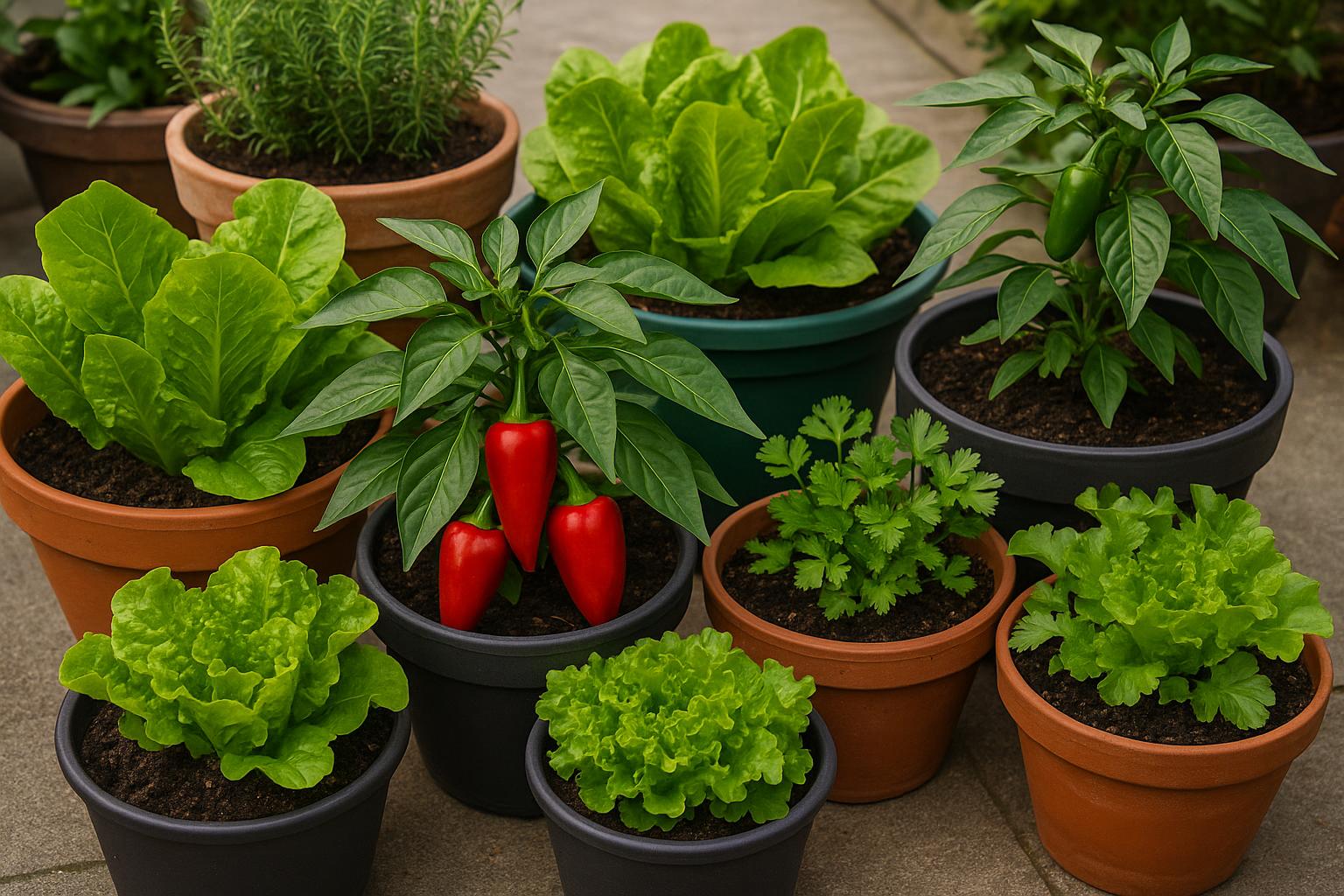
The Ultimate Guide on How to Grow Kale in Containers for a Year-Round Harvest
Quick Summary: Growing kale in containers is a rewarding and space-saving method perfect for urban gardeners. To succeed, choose a container at least 12 inches deep and wide, use a high-quality, well-draining potting mix, and ensure your plants receive at least six hours of sunlight daily. Consistent watering and feeding with a balanced liquid fertilizer are key. By selecting the right variety and harvesting correctly, you can enjoy fresh, nutritious kale almost year-round, even in small spaces.
Why Container Gardening is Perfect for Kale
Kale, a nutritional powerhouse, is surprisingly easy to grow, making it an ideal candidate for container gardening. This method is especially beneficial for urban gardeners, apartment dwellers, or anyone with limited yard space. Growing kale in pots offers several advantages, including portability, better control over soil quality, and protection from ground pests.
The ability to move your containers is a game-changer for kale, which thrives in cooler temperatures. You can easily shift your pots to a shadier spot in the summer or a sunnier, more sheltered location in the late fall and winter, which extends your harvest season significantly. Container gardening also provides a clean slate for your soil, ensuring it is perfectly balanced, well-draining, and free of diseases and weeds.
Choosing the Right Variety and Container
The first step to success is selecting the right type of kale and the perfect home for it. Not all kale varieties are suited for container life. Look for varieties labeled as "dwarf" or "compact" for the best results in a restricted space.
Best Kale Varieties for Containers
When you are planning how to grow kale in containers, consider these compact and high-yielding varieties.
| Variety Name | Description | Best for Containers |
|---|---|---|
| Dwarf Blue Curled Scotch | Highly cold-tolerant with tightly curled, blue-green leaves. Excellent for small pots. | Yes |
| Red Russian | Tender, sweet leaves with purple stems. Grows quickly and is very forgiving. | Yes |
| 'Black Magic' (Tuscan/Lacinato) | Dark, narrow, and heavily textured leaves. A more upright growth habit that works well in deep containers. | Yes |
| Premier | Very heat-tolerant and slow to bolt, making it a good choice for longer seasons. | Yes |
Selecting the Perfect Pot
The size of your container is the single most important factor in determining the health and yield of your kale. A pot that is too small will restrict root growth, leading to a stunted, stressed plant.
For a single, full-sized kale plant, you should aim for a container that is at least 12 inches (30 cm) in diameter and 12 inches deep. If you plan to grow multiple plants, ensure at least 8-10 inches of space between each plant in a larger container. Fabric grow bags are highly recommended for their superior drainage and root health benefits, but plastic or terracotta also work. Always ensure your container has ample drainage holes.
Essential Steps for Planting Your Kale
Getting the foundation right will set your kale up for a long, productive life. This includes selecting the right soil and planting at the correct time.
The Ideal Potting Mix
Kale is a heavy feeder, so it needs nutrient-rich soil. Do not use garden soil, which compacts easily. Instead, use a high-quality, well-draining potting mix specifically formulated for containers. To give your kale a head start, mix in a slow-release granular organic fertilizer or a generous amount of compost before planting.
Planting Seeds vs. Seedlings
You can start kale from seed or purchase young seedlings. Sow seeds about half an inch deep and thin them out to the final spacing of 8-10 inches between plants once they develop their first true leaves. If using store-bought seedlings, gently loosen the roots before planting. Kale is a cool-season crop, so plant in the early spring (4-6 weeks before the last frost) and again in the late summer for a fall and winter harvest.
Watering and Feeding: The Container Care Routine
Container plants rely entirely on you for their water and nutrients, making consistent care vital for a successful harvest. This is the most critical part of learning how to grow kale in containers.
Watering Requirements
Kale needs consistent moisture to produce tender, non-bitter leaves. The soil should be kept evenly moist, but never soggy. In hot weather, you may need to water daily. To check, stick your finger about an inch or two into the soil; if it feels dry, water slowly and deeply until you see water draining out of the bottom of the pot.
Fertilizing for Leafy Growth
Since kale is a leafy green, it requires a good amount of nitrogen. The nutrients in the potting mix will be depleted quickly due to frequent watering. Start feeding your kale about three to four weeks after planting. Use a balanced, water-soluble liquid fertilizer, such as a 5-1-1 or 10-10-10 formulation, diluted to half strength, every two to three weeks. Alternatively, top-dress the container with a fresh layer of compost or worm castings every month.
Troubleshooting: Common Mistakes and Pests
Knowing the common pitfalls and how to address them will keep your kale thriving.
Common Growing Mistakes to Avoid
- Under-sizing the Container: A small pot leads to a small, stressed plant. Always err on the side of a larger container.
- Inconsistent Watering: Allowing the soil to dry out completely causes stress and makes the leaves tough and bitter. Maintain consistent moisture.
- Planting in Hot Weather: Kale bolts (goes to seed) in high heat, which ends the harvest. Plant in spring and late summer.
- Overcrowding: Too many kale seedlings in one pot leads to competition for nutrients and light. Stick to the recommended spacing.
Dealing with Pests and Diseases
Container gardening helps reduce some pest issues, but a few common culprits still love kale. Aphids cluster on the undersides of leaves; dislodge them with a strong jet of water or use insecticidal soap. Cabbage Worms/Loopers chew holes in the leaves; hand-picking or using Bacillus thuringiensis (Bt) is effective. Fungal Diseases are caused by overwatering and poor air circulation; ensure good drainage and prune away lower leaves.
Harvesting Your Container Kale
Kale is a "cut-and-come-again" crop. Proper harvesting techniques will ensure your plant continues to produce fresh leaves for months.
The Right Way to Harvest
Begin harvesting when the leaves are about the size of your hand. Do not harvest all the leaves at once. Instead, use the "outside-in" method: Select the outermost, largest, and lowest leaves, and snap or cut them off at the stem. Leave the central growing point and the inner, smaller leaves completely intact. The plant will continue to produce new leaves from the center, allowing you to harvest a few leaves from each plant every week.
Extending the Season
Kale is famously frost-tolerant, and a light frost actually improves its flavor. This is a huge advantage when you are learning how to grow kale in containers for a long season. As temperatures drop below freezing, move your containers to a sheltered location, such as against a warm wall or under a porch. For a continuous supply, plant a new batch of seeds or seedlings every 4-6 weeks from early spring until late summer.
Specific Tips for Urban Gardeners
Growing in an urban environment presents unique challenges, but with a few clever strategies, your container kale will flourish.
Maximizing Vertical Space and Companion Planting
If you have a small balcony or patio, consider using vertical gardening structures like tiered shelving or railing planters to save floor space. You can also strategically plant small, fast-growing companions around the edges of a large container. Good companions include Marigolds (for pest deterrence), Bush Beans (for nitrogen fixation), and Lettuce or Spinach (for quick harvesting).
Product Recommendations (Types, Not Brands)
To successfully grow kale in containers, you will need a few key supplies. Focus on quality and suitability for container use.
| Supply Type | Recommendation | Why It's Important |
|---|---|---|
| Container | 12-inch minimum fabric grow bag or plastic pot with excellent drainage. | Prevents root binding and waterlogging. |
| Growing Medium | High-quality, sterile, peat-based or coir-based potting mix. | Provides aeration and drainage; prevents soil compaction. |
| Fertilizer | Water-soluble, balanced liquid fertilizer (e.g., 10-10-10) or fish emulsion. | Delivers quick, essential nitrogen for leafy growth. |
| Pest Control | Ready-to-use insecticidal soap or a bottle of Bacillus thuringiensis (Bt). | Safe, organic control for common kale pests. |
| Watering System | A long-spouted watering can or a drip irrigation system for multiple pots. | Ensures deep, consistent watering without splashing leaves. |
Conclusion: Your Kale Container Journey
Mastering how to grow kale in containers is a simple yet deeply satisfying endeavor. It transforms a small balcony or patio into a productive vegetable patch, providing you with a continuous supply of one of the healthiest vegetables on the planet.
Don't let limited space limit your gardening dreams. Start your kale container garden today and experience the joy of harvesting your own food right outside your door.
Ready to Plan Your Best Urban Garden Yet?
To ensure your kale and all your other container crops thrive, we encourage you to use the Urban Grow Planner tool. It helps you calculate sunlight, plan succession planting, and manage your feeding schedule, taking the guesswork out of urban gardening. Happy growing!
References
[1] Teabreak Gardener. How to grow Kale – in the garden, pot or balcony. https://teabreakgardener.co.uk/how-grow-kale/ [2] Epic Gardening. 10 Tips For Growing Kale in Pots or Containers. https://www.epicgardening.com/kale-containers/ [3] Kellogg Garden. Growing Kale: Pots, Containers & More. https://kellogggarden.com/blog/gardening/how-to-grow-kale/ [4] Gardening Know How. Will Kale Grow In Containers: Tips On Growing Kale In Pots. https://www.gardeningknowhow.com/edible/vegetables/kale/growing-kale-in-pots.htm [5] Gardener's Path. 13 of the Best Kale Varieties for the Home Garden. https://gardenerspath.com/plants/vegetables/best-kale-varieties/
Related Articles
How To Start Urban Farming For Beginners
Ready to grow your own food? Learn how to start urban farming for beginners with this comprehensive guide on planning, small-space techniques, essential equipment, and common mistakes to avoid.
Balcony Garden Ideas For Beginners
Discover the ultimate balcony garden ideas for beginners! Learn how to maximize small spaces with vertical gardening, choose the best easy-to-grow plants, and avoid common mistakes. Start your urban oasis today!
Container Gardening For Beginners Step By Step
Start your urban garden with this step-by-step guide to container gardening for beginners. Learn about choosing pots, soil, plants, watering, and avoiding common mistakes.
How To Grow Vegetables On Apartment Balcony
Learn how to grow vegetables on apartment balcony with this ultimate guide. Get tips on sun, containers, soil, and the best compact crops for a successful urban garden.