How To Grow Tomatoes On Balcony In Containers
Learn how to grow tomatoes on balcony in containers with this ultimate guide! Get expert tips on choosing varieties, container size, soil, watering, and avoiding common mistakes for a successful urban harvest.
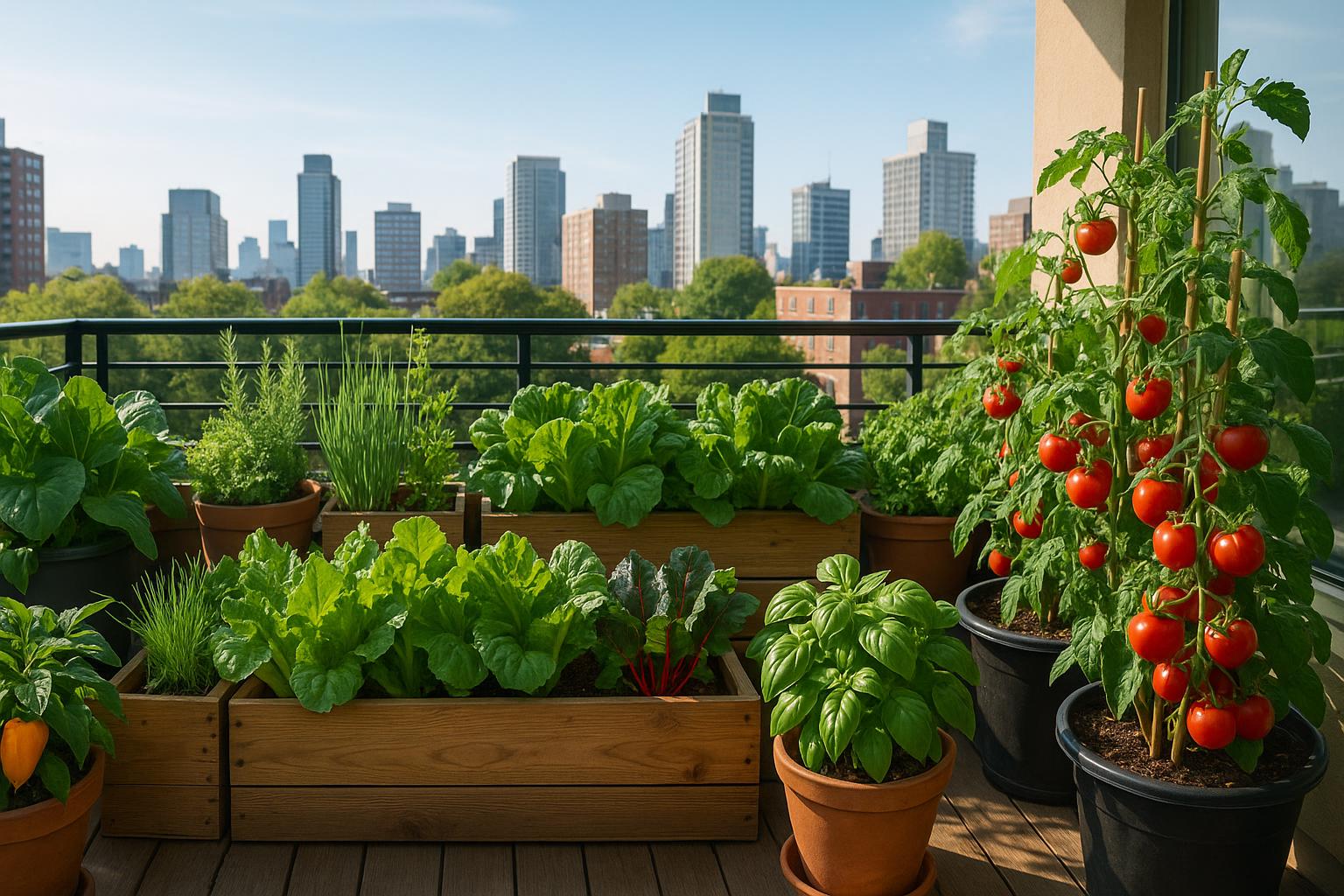
How to Grow Tomatoes on Balcony in Containers: The Ultimate Urban Gardener's Guide
Quick Summary: Your Balcony Tomato Success in a Nutshell
Dreaming of fresh, sun-ripened tomatoes right outside your door? You absolutely can make it happen, even with limited space! Growing tomatoes on a balcony in containers is a rewarding and practical form of urban gardening. Success hinges on four critical choices: selecting the right compact tomato variety (determinate or dwarf), choosing a large enough container (at least 5 gallons/18 inches deep), using high-quality potting mix, and providing consistent sunlight (6+ hours) and water. With this simple setup and consistent care, your balcony can become a bountiful tomato patch.
H2: The Urban Advantage: Why Balcony Tomatoes Thrive
The joy of biting into a tomato you grew yourself is unparalleled. For city dwellers, the balcony offers a perfect microclimate for container gardening, providing control and flexibility.
H3: Benefits and Microclimate
Container gardening allows you to control the soil quality completely, a major advantage over in-ground city plots. You also gain the flexibility to move your plants, protecting them from sudden weather changes and maximizing sun exposure throughout the day.
Every balcony is unique. Observe your space: How many hours of direct sunlight does it receive? Is it protected from strong winds? Tomatoes are sun-lovers, requiring a minimum of six hours of direct sun daily. Knowing your balcony's sun exposure will dictate the best placement and the variety of tomato you should choose for success.
H2: Step-by-Step Guide on How to Grow Tomatoes on Balcony in Containers
Successfully growing tomatoes on a balcony in containers involves careful planning of your space, selection of materials, and a commitment to consistent care.
H3: 1. Choosing the Right Tomato Variety
This is the most crucial decision for balcony success. Tomatoes are generally categorized as determinate or indeterminate.
- Determinate (Bush) Varieties: These plants grow to a predetermined height, produce their fruit all at once, and then stop growing. They are compact, require less staking, and are perfectly suited for containers and small spaces. Look for varieties labeled "patio," "dwarf," or "bush," such as 'Tiny Tim,' 'Red Robin,' or many Roma types.
- Indeterminate Varieties: These plants continue to grow, flower, and produce fruit until the first frost. They become very large (vines often exceeding 6 feet) and require substantial support and much larger containers. They are generally more challenging for a beginner on a small balcony.
Actionable Tip: For your first attempt at how to grow tomatoes on balcony in containers, stick to a determinate cherry or small slicing variety. They are more forgiving and offer a quicker, more manageable harvest.
H3: 2. Selecting the Perfect Container
The size of your container directly impacts the health and productivity of your tomato plant. Choosing a pot that is too small is a common mistake, leading to root-bound plants, rapid drying, and nutrient deficiencies.
| Tomato Type | Minimum Container Size (Volume) | Minimum Container Depth/Diameter |
|---|---|---|
| Cherry/Dwarf Determinate | 5 Gallons (approx. 19 Liters) | 12-14 inches (30-35 cm) |
| Standard Determinate (Bush) | 7-10 Gallons (approx. 26-38 Liters) | 14-18 inches (35-45 cm) |
| Indeterminate (Vining) | 15-20 Gallons (approx. 57-75 Liters) | 18-24 inches (45-60 cm) |
Container Material:
- Fabric Pots (Grow Bags): Highly recommended for superior drainage and aeration, which prevents the plant from becoming root-bound.
- Plastic/Ceramic Pots: Ensure they have excellent drainage holes. Lighter colors are often better for sunny balconies as dark colors can absorb too much heat.
- Self-Watering Containers: Excellent for busy gardeners as they reduce the frequency of watering, but they must still be large enough for the root system.
Crucial Rule: Plant only one tomato plant per container. Overcrowding will stress the plants and severely limit your yield.
H3: 3. Preparing the Soil and Planting
Tomatoes are heavy feeders and need nutrient-rich, well-draining soil. Never use garden soil, as it compacts easily in containers and can harbor pests and diseases.
- Potting Mix: Use a high-quality, sterile, all-purpose potting mix specifically designed for containers. Amend it with compost or a slow-release granular fertilizer for a strong start.
- Planting: When transplanting a seedling, remove the bottom set of leaves and bury the plant deep—up to the first remaining set of leaves. Tomatoes can grow new roots along the buried stem, creating a stronger, more stable root system.
- Initial Watering: Water thoroughly immediately after planting until water runs out of the drainage holes.
H3: 4. Watering and Feeding: The Balcony Balance
Containers dry out much faster than in-ground gardens, making watering the biggest challenge. In the heat of summer, you may need to water your tomato plants once or even twice a day.
- Watering: The soil should be consistently moist, like a wrung-out sponge, but never waterlogged. Use the "finger test": stick your finger 1-2 inches into the soil. If it feels dry, water deeply. Consistent watering is vital to prevent blossom end rot.
- Fertilizing: Frequent watering washes nutrients out, so regular feeding is essential. Start feeding with a balanced, all-purpose liquid fertilizer once they start setting flowers. Switch to a fertilizer higher in phosphorus and potassium (the middle and last numbers on the N-P-K ratio) once fruit begins to form. Follow the product's instructions, feeding every 1-2 weeks.
H2: Essential Care and Maintenance for Container Tomatoes
Once your plants are established, ongoing care will ensure a healthy, productive season. This includes support, pruning, and pest management.
H3: Providing Support (Staking and Caging)
Even determinate varieties benefit from support, especially when heavy with fruit. The weight can cause stems to snap or the plant to flop over, exposing the fruit to pests and diseases.
- Tomato Cages: A sturdy, heavy-duty tomato cage is the easiest solution for container tomatoes. Place the cage around the plant when it is still small.
- Staking: For indeterminate varieties, a tall, strong stake or a trellis system secured to the balcony railing is necessary. Tie the main stem loosely to the support with soft material as it grows.
H3: Pruning for Health and Airflow
Pruning is vital for indeterminate varieties and less critical for determinate ones. The goal is to improve air circulation and direct the plant's energy into fruit production.
- Suckers: These small shoots grow in the "armpit" between the main stem and a leaf branch. For indeterminate tomatoes, pinch off most suckers to keep the plant manageable and vertical. For determinate varieties, remove any suckers crowding the center of the plant.
- Bottom Leaves: Remove the lower leaves that touch the soil once the plant is established. This prevents soil-borne diseases from splashing up onto the foliage.
H3: Common Pests and Diseases
Balcony gardens are often less prone to large-scale infestations, but vigilance is still required.
- Pests: Look out for aphids, whiteflies, and spider mites. A strong jet of water can dislodge many pests. For persistent issues, use an insecticidal soap or neem oil spray, coating the undersides of the leaves.
- Diseases: Most common container tomato diseases are fungal, caused by poor air circulation or overwatering. Ensure your plants are spaced well and that the containers drain freely. If you spot yellowing or brown spots on the lower leaves, remove them immediately and dispose of them away from your garden.
H2: Troubleshooting: Common Mistakes to Avoid
Knowing the common pitfalls of container growing can help you prevent them.
H3: Mistake 1: Underestimating the Need for Water
The small volume of soil in a container heats up and dries out rapidly. Underwatering is the number one killer of container tomatoes. Symptoms include wilting leaves and, critically, blossom end rot (a dark, sunken spot on the bottom of the fruit). Blossom end rot is caused by a calcium deficiency, often triggered by inconsistent watering.
Solution: Water deeply and consistently. Consider using a drip irrigation system or a self-watering container for better moisture management.
H3: Mistake 2: Using the Wrong Soil
Garden soil, topsoil, or cheap, heavy potting mixes will compact quickly, suffocating the roots and preventing proper drainage. This leads to waterlogged conditions and root rot.
Solution: Invest in a high-quality, lightweight, peat- or coir-based potting mix with perlite or vermiculite for aeration.
H3: Mistake 3: Insufficient Sunlight
Tomatoes are tropical plants and thrive in heat and sun. Anything less than six hours of direct sunlight will result in leggy, weak plants and very poor fruit production.
Solution: If your balcony is too shady, you must have adequate sun to successfully grow tomatoes on balcony in containers. If you cannot provide it, consider growing a different crop.
H3: Mistake 4: Planting Too Many Plants in One Pot
Planting two or more tomato plants in a single 5-gallon container is a recipe for disaster. The plants will compete fiercely for water and nutrients, resulting in two stressed, low-yielding plants instead of one healthy, productive one.
Solution: Stick to the "one plant, one pot" rule. If you want more tomatoes, get more large containers.
H2: Product Recommendations (By Type, Not Brand)
A few key items will make your balcony tomato journey much easier and more successful.
- High-Quality Potting Mix: Blend of peat moss or coir, perlite, and compost.
- Slow-Release Granular Fertilizer: Balanced N-P-K fertilizer for a steady stream of nutrients at planting.
- Liquid Tomato Fertilizer: Water-soluble fertilizer with a higher P and K ratio for regular feeding once the plant begins to flower.
- Fabric Grow Bags: Inexpensive, lightweight, and provide superior drainage and root health.
- Sturdy Tomato Cages or Stakes: Tall enough for your chosen variety and heavy enough not to tip over.
- Moisture Meter (Optional): A simple tool to accurately gauge the moisture level deep within the container.
H2: Conclusion: Your Urban Harvest Awaits
Mastering how to grow tomatoes on balcony in containers is a skill that will reward you with a summer full of delicious, homegrown flavor. By focusing on the right variety, the right size pot, and consistent watering and feeding, you can overcome the challenges of urban gardening and enjoy a surprisingly abundant harvest.
Ready to plan your perfect balcony garden layout, track your planting dates, and schedule your feeding routine? Take the next step in your urban gardening journey!
Start planning your bountiful balcony harvest today with the Urban Grow Planner tool!
Related Articles
How To Start Urban Farming For Beginners
Ready to grow your own food? Learn how to start urban farming for beginners with this comprehensive guide on planning, small-space techniques, essential equipment, and common mistakes to avoid.
Balcony Garden Ideas For Beginners
Discover the ultimate balcony garden ideas for beginners! Learn how to maximize small spaces with vertical gardening, choose the best easy-to-grow plants, and avoid common mistakes. Start your urban oasis today!
Container Gardening For Beginners Step By Step
Start your urban garden with this step-by-step guide to container gardening for beginners. Learn about choosing pots, soil, plants, watering, and avoiding common mistakes.
How To Grow Vegetables On Apartment Balcony
Learn how to grow vegetables on apartment balcony with this ultimate guide. Get tips on sun, containers, soil, and the best compact crops for a successful urban garden.