How To Grow Vegetables In 4X4 Raised Bed
Learn how to grow vegetables in a 4x4 raised bed with this ultimate guide. Discover the best soil mix, square foot gardening layout, and essential tips for a bountiful urban harvest.
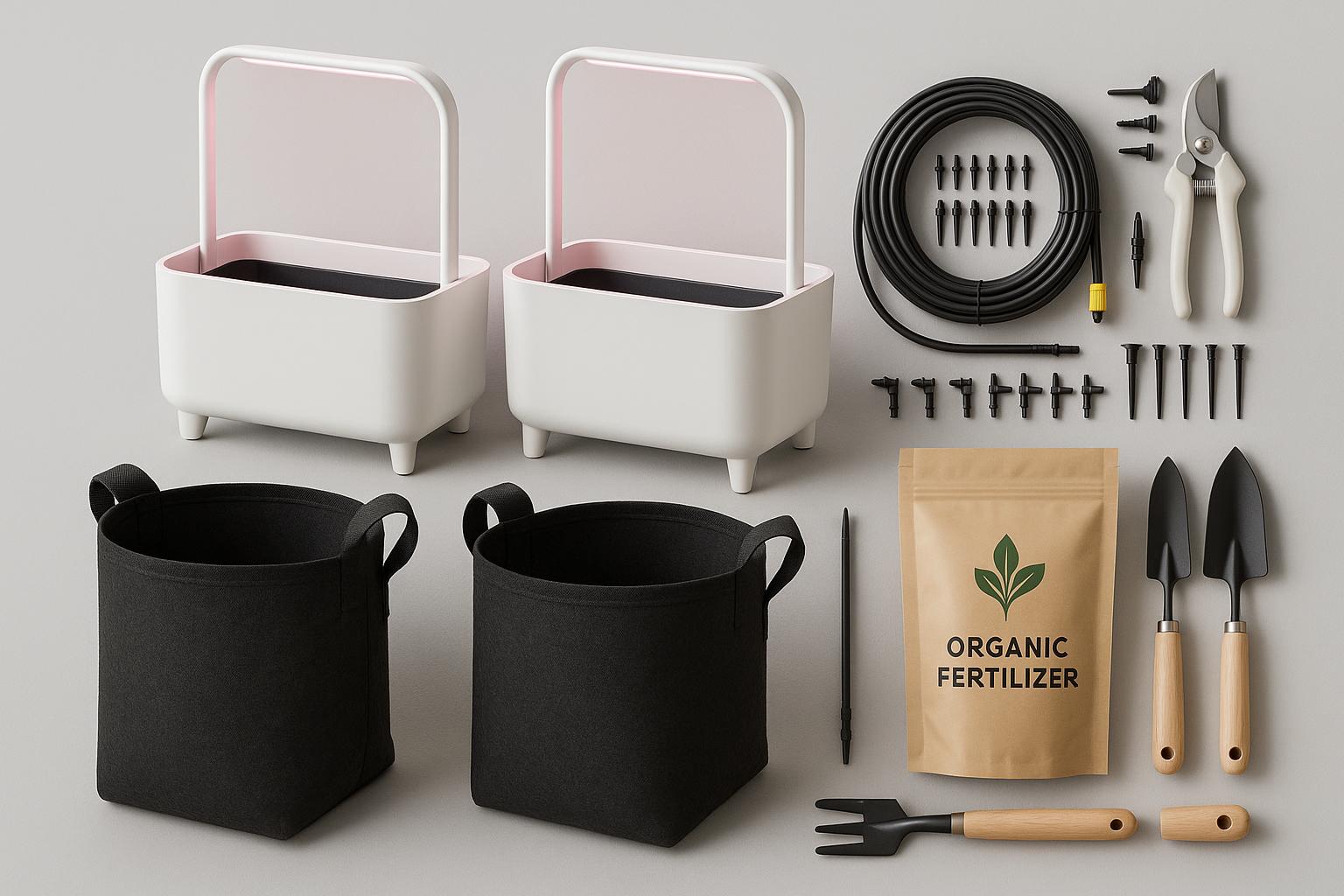
How to Grow Vegetables in a 4x4 Raised Bed: The Ultimate Urban Gardener's Guide
Quick Summary: A 4x4 raised bed is the perfect size for urban gardening, offering 16 square feet of intensive growing space. Success hinges on three key factors: the right location (6+ hours of sun), the perfect soil mix (a blend of compost, peat moss/coir, and vermiculite), and smart planting using the square foot gardening method. By choosing compact varieties, utilizing vertical space with trellises, and avoiding common mistakes like overcrowding, you can achieve a bountiful harvest in your small space.
The Power of the 4x4: Why This Size is Perfect for Urban Gardening
The 4x4 raised bed is a gold standard for urban and small-space gardening, and for good reason. It provides 16 square feet of prime growing real estate, which is large enough to yield a significant harvest but small enough to be manageable for beginners. The 4-foot width is specifically designed so that every part of the bed is easily accessible from the sides, meaning you never have to step on the soil. This prevents compaction, which is one of the biggest enemies of healthy root growth.
A raised bed offers numerous advantages over traditional in-ground gardening. The soil warms up faster in the spring, allowing for earlier planting. It provides superior drainage, which is crucial for preventing root rot, especially in areas with heavy clay soil. Furthermore, you have complete control over the soil quality, which is arguably the most important factor in a successful vegetable garden.
H2: Setting Up for Success: Location, Construction, and Soil
Before you even think about planting, you need to lay the groundwork for a thriving garden. This involves choosing the right spot, ensuring your bed is properly constructed, and filling it with the best possible growing medium.
H3: Choosing the Ideal Location
Vegetables are sun-worshippers. For most fruiting vegetables like tomatoes, peppers, and squash, you need a minimum of six to eight hours of direct sunlight per day. Scout your yard throughout the day to confirm the sun exposure.
Beyond sun, consider accessibility. Place your bed near a water source, like a hose spigot, to make daily watering easier. Also, ensure the location is level. While a slight slope can be managed, a level base will ensure your watering is even and your bed structure remains stable over time.
H3: Building and Filling Your 4x4 Raised Bed
While you can purchase pre-made kits, many gardeners choose to build their own. The ideal height for a raised bed is between 10 and 12 inches, which provides ample depth for most vegetable roots. Common materials include cedar or redwood, which are naturally rot-resistant, or composite lumber. Avoid using treated lumber from before 2003, as it may contain chemicals that can leach into the soil.
The most critical component of your raised bed is the soil. Do not simply fill it with garden soil or topsoil, as this will compact quickly and defeat the purpose of the bed. The best approach is to use a variation of the "Mel's Mix" from the Square Foot Gardening method, which is designed for optimal aeration, drainage, and nutrient retention.
Recommended Soil Mix (by volume):
- 1/3 Coarse Vermiculite or Perlite: This lightweight material is essential for aeration and moisture retention.
- 1/3 Peat Moss or Coco Coir: This provides organic matter and helps the soil hold water and nutrients. Coco coir is the more sustainable choice.
- 1/3 High-Quality Compost: This is the nutrient powerhouse. Use a blend of different compost types (mushroom, worm castings, leaf mold) for a broader spectrum of micronutrients.
For a 4x4 bed that is 12 inches deep, you will need approximately 16 cubic feet of soil mix. This initial investment in high-quality soil will pay dividends in the form of a healthier, more productive garden.
H2: Maximizing Your Space: The Square Foot Gardening Method
Since you are learning how to grow vegetables in a 4x4 raised bed, space efficiency is paramount. The Square Foot Gardening (SFG) method is the most effective way to maximize your harvest in this small footprint.
The SFG method involves dividing your 4x4 bed into 16 individual 1-foot by 1-foot squares. You can do this visually or by using a simple grid made of string or thin wood strips laid across the top of the soil. Each square is then planted with a specific number of plants based on their mature size, rather than planting in traditional rows.
H3: Smart Plant Spacing and Selection
The key to SFG is understanding the density for each type of vegetable. This allows you to plant much closer than traditional methods, leading to higher yields and less room for weeds to grow.
| Vegetable Type | Compact Varieties to Look For | Plants Per Square Foot |
|---|---|---|
| Large (e.g., Tomatoes, Peppers, Eggplant) | Bush or determinate varieties, dwarf types | 1 |
| Medium (e.g., Bush Beans, Cabbage, Broccoli) | Compact bush types | 4 |
| Small (e.g., Lettuce, Spinach, Beets) | Loose-leaf varieties, small root crops | 9 |
| Tiny (e.g., Carrots, Radishes, Onions) | Short-rooted varieties | 16 |
When selecting seeds or seedlings, always look for terms like "bush," "compact," or "dwarf." For example, instead of a sprawling vining cucumber, choose a bush cucumber variety. This simple choice can double your available space.
H3: Going Vertical with Trellises
To truly maximize your 16 square feet, you must utilize the vertical space above your bed. This is especially important when you are figuring out how to grow vegetables in a 4x4 raised bed that includes vining crops.
Product Recommendation: Trellis Types
- A-Frame Trellis: Excellent for cucumbers, small melons, and pole beans. They can be placed on the outside of the bed or in the center, creating a shaded area underneath.
- Cage Trellis: Ideal for supporting heavy, single-stem plants like tomatoes and peppers. Look for heavy-duty, rust-proof cages.
- Netting or Mesh Trellis: Perfect for peas and lighter vining plants. This can be attached to a simple frame at the back of your bed.
By training vining plants like cucumbers, pole beans, and even certain squashes to grow up a trellis, you free up valuable horizontal space for root crops and leafy greens.
H2: Essential Care and Maintenance for a Bountiful Harvest
A small space requires consistent, focused care. Your 4x4 raised bed is a high-performance growing environment, and a few simple practices will ensure it remains productive all season long.
H3: Watering and Fertilizing
Because raised beds drain so well, they often require more frequent watering than in-ground gardens. The best method is to water deeply and consistently, aiming for the soil, not the leaves, to prevent fungal diseases.
Specific Tip: Drip Irrigation Consider installing a simple drip irrigation system. This delivers water directly to the root zone, minimizing waste and ensuring consistent moisture. A timer can automate the process, which is a huge benefit for busy urban gardeners.
In terms of nutrients, your initial compost-rich soil will provide a good start. However, heavy feeders like tomatoes and peppers will need supplemental feeding. Use a balanced, organic liquid fertilizer every 2-4 weeks, or side-dress with a slow-release granular fertilizer midway through the growing season.
H3: The Importance of Succession Planting and Crop Rotation
To keep your 4x4 bed producing non-stop, practice succession planting. As soon as you harvest a cool-season crop like lettuce or radishes, immediately replant the square with a warm-season crop like bush beans or basil. This ensures you are always utilizing the space.
Crop rotation is also vital, even in a small bed. Do not plant the same family of vegetables (e.g., tomatoes, peppers, and eggplant are all nightshades) in the same square year after year. This helps prevent the buildup of soil-borne diseases and balances nutrient use.
H2: Common Mistakes to Avoid in Your 4x4 Raised Bed
Even experienced gardeners make mistakes, but knowing the pitfalls can help you avoid them.
H3: Crowding Your Plants
This is the number one mistake in small-space gardening. It's tempting to squeeze in one more tomato plant, but overcrowding leads to poor air circulation, which encourages fungal diseases like powdery mildew. It also forces plants to compete for light, water, and nutrients, resulting in smaller, less productive plants. Stick strictly to the Square Foot Gardening spacing guidelines.
H3: Neglecting Pest and Disease Management
In a dense planting environment, pests and diseases can spread rapidly. Inspect your plants daily. Look for signs of trouble like yellowing leaves, holes, or sticky residue.
Specific Tip: Companion Planting Use companion planting to your advantage. Planting basil near tomatoes can help repel tomato hornworms. Marigolds are known to deter nematodes and other pests. These beneficial pairings help create a balanced ecosystem in your small bed.
H3: Using the Wrong Materials for the Bed
While cost-saving is important, avoid materials that can harm your garden. Never use old tires, railroad ties (which contain creosote), or unlined pressure-treated wood (pre-2003). Stick to safe, food-grade materials like natural cedar, redwood, or high-density polyethylene (HDPE) plastic.
Conclusion: Your Bountiful 4x4 Garden Awaits
Mastering how to grow vegetables in a 4x4 raised bed is a rewarding journey. This compact, efficient system is a testament to the fact that you don't need acres of land to feed yourself and your family with fresh, organic produce. By focusing on the right soil, smart spacing, and consistent care, you can transform your small urban space into a highly productive food factory.
Ready to map out your perfect 4x4 garden layout? Take the guesswork out of spacing and companion planting.
Action: Start planning your season today with the Urban Grow Planner tool! It will help you visualize your 16 squares, track your planting dates, and ensure you get the most out of every inch of your raised bed. Happy gardening!
Related Articles
How To Start Urban Farming For Beginners
Ready to grow your own food? Learn how to start urban farming for beginners with this comprehensive guide on planning, small-space techniques, essential equipment, and common mistakes to avoid.
Balcony Garden Ideas For Beginners
Discover the ultimate balcony garden ideas for beginners! Learn how to maximize small spaces with vertical gardening, choose the best easy-to-grow plants, and avoid common mistakes. Start your urban oasis today!
Container Gardening For Beginners Step By Step
Start your urban garden with this step-by-step guide to container gardening for beginners. Learn about choosing pots, soil, plants, watering, and avoiding common mistakes.
How To Grow Vegetables On Apartment Balcony
Learn how to grow vegetables on apartment balcony with this ultimate guide. Get tips on sun, containers, soil, and the best compact crops for a successful urban garden.