How To Grow Vegetables In Small Apartment
Learn how to grow vegetables in small apartment spaces with this comprehensive guide. Get tips on light, soil, best plants, and common mistakes to avoid for a thriving urban garden.
Your Ultimate Guide on How to Grow Vegetables in Small Apartment Spaces
Quick Summary
Dreaming of fresh, homegrown produce in your tiny apartment? Urban gardening is incredibly rewarding and possible, even in the smallest of spaces. Success hinges on three key elements: maximizing light, choosing the right containers and soil, and selecting compact, high-yield plants. This comprehensive guide will walk you through every step, proving that a lack of a backyard is no barrier to becoming a successful urban gardener.
Introduction
The desire for fresh, homegrown produce is universal, but for those living in small apartments, this dream can feel distant. The modern urban gardening movement has proven that with ingenuity and the right knowledge, anyone can transform a sunny windowsill, a small balcony, or a corner of a living room into a productive mini-farm.
This guide is designed to demystify the process and show you exactly how to grow vegetables in small apartment settings. We'll cover the non-negotiable basics of light and soil, specific plant recommendations, and common pitfalls to avoid. Get ready to trade the grocery store's produce aisle for your own vibrant, accessible harvest.
Setting Up Your Urban Farm: Light, Location, and Soil
Before you sow your first seed, a successful apartment garden requires careful planning. Unlike a traditional garden, you are the master of your environment, meaning you must actively manage the conditions your plants need to thrive.
Mastering the Light Challenge
Light is the single most critical factor for growing vegetables, with most fruiting varieties requiring a minimum of six to eight hours of direct, bright sunlight daily.
A south-facing window or sunny balcony offers the best natural light. If your apartment faces north or is shaded, you will need to supplement, and modern technology provides the solution.
Consider investing in LED grow lights or high-output fluorescent fixtures. Look for full-spectrum lights, which mimic natural sunlight. Position these lights close to your plants—just a few inches above the tallest leaves—and use a timer for a consistent 12 to 16 hours of "daylight." To maximize existing light, place reflective surfaces, such as aluminum foil or a white-painted board, behind your plants to bounce light onto shaded sides.
Choosing the Right Containers and Location
In apartment gardening, the container is your garden bed, and choosing the right one is crucial.
Fabric Grow Bags are highly recommended for apartment gardeners. They are lightweight, easy to move, and their porous material allows for excellent air pruning of roots and superb drainage. Plastic Containers are affordable and moisture-retentive, but ensure they have extra drainage holes. Terracotta Pots are attractive and stable, but their porous nature causes the soil to dry out faster, which can be a benefit for plants that prefer drier conditions.
Regardless of the material, drainage holes are non-negotiable. Without them, water will pool, leading to root rot. Place a saucer underneath to catch runoff, but be sure to empty it after watering so the roots aren't sitting in standing water.
Your location options are likely limited to balconies, window sills, and vertical wall space. Utilize vertical space with tiered shelving units or wall-mounted planters to maximize your growing area.
The Foundation: Soil and Nutrients
Do not use heavy garden soil from outside; it compacts easily, suffocates roots, and often carries pests. The foundation of your urban farm must be a high-quality, lightweight potting mix, ideally containing peat moss or coco coir, perlite or vermiculite for aeration, and compost for initial nutrients.
Because your plants are confined to a small volume of soil, they will quickly use up nutrients, meaning you must feed them regularly. A liquid organic fertilizer is an excellent choice, applied with your regular watering schedule for a steady stream of nutrition. Alternatively, mix a slow-release granular fertilizer into the potting mix at the beginning of the season. Consistent feeding is key to high yields.
The Best Vegetables for Small Apartment Success
The secret to a bountiful harvest in a limited space is selecting the right plants: those that are naturally compact, have a short maturity time, or produce a continuous yield.
Leafy Greens and Herbs (The Easiest Start)
If you are just starting out, focus on plants that thrive in containers and don't require intense sunlight.
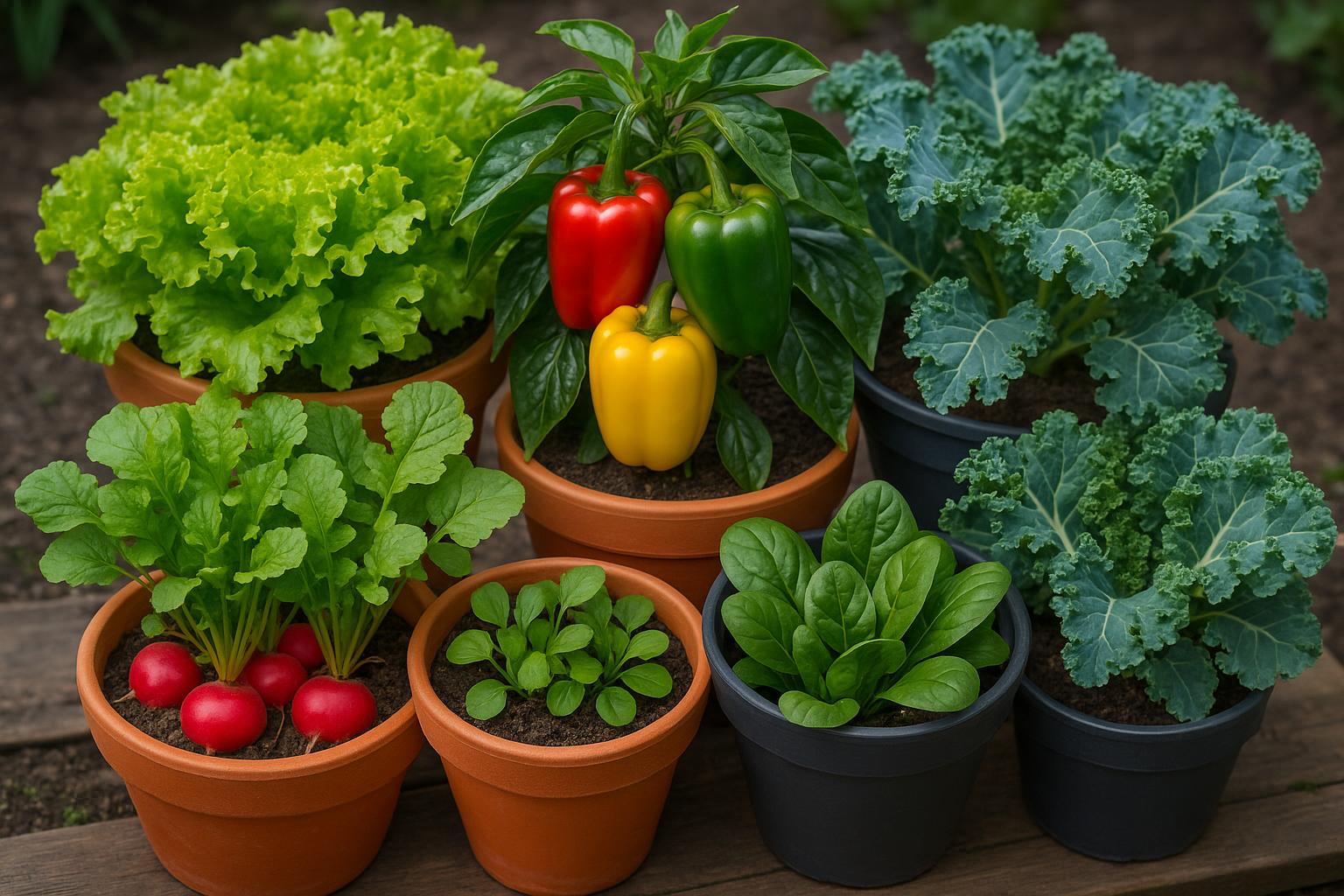
Leafy Greens like loose-leaf lettuce, spinach, and kale are perfect. They can be grown in shallow containers and are ideal for the "cut-and-come-again" method. Herbs such as basil, mint, chives, and parsley are incredibly rewarding and can be grown on a sunny windowsill year-round. (Note: Mint must be kept in its own container as it is highly invasive.)
Root Vegetables and Microgreens
Don't discount root vegetables; you just need to choose the right varieties and containers.
Microgreens and Sprouts are the fastest and easiest things you can grow, requiring minimal light and ready for harvest in one to three weeks. Root Veggies like short, round varieties of carrots, radishes, and beets can be grown successfully in containers at least 8 to 12 inches deep. Ensure the soil is loose and free of large clumps.
Fruiting Vegetables (For the Sunny Spot)
If you have a coveted sunny spot, you can graduate to fruiting vegetables. When considering how to grow vegetables in small apartment spaces, always look for "determinate" or "dwarf" varieties, as they are bred to stay compact.
Tomatoes: Choose varieties like 'Tiny Tim', 'Patio', or 'Micro Tom'. These small, bush-like plants do not require extensive staking and are perfect for a sunny balcony or a large container. Peppers (bell and chili) are excellent container plants. They love heat and sun, so place them in the warmest, brightest spot for a long harvest season.
Actionable Tips for Thriving Apartment Gardens
Success in a small space comes down to attention to detail and smart gardening practices.
Watering and Humidity
Overwatering is the single most common mistake. The best way to check if your plant needs water is to stick your finger an inch or two into the soil. If it feels dry, water slowly until you see it running out of the drainage holes. If it's still moist, wait another day.
Indoor environments, especially with central heating, can be very dry. Many vegetables, particularly tropical ones like basil and peppers, prefer higher humidity. Increase humidity by placing your pots on a tray filled with pebbles and a little water (ensure the pot bottom is not touching the water) or by using a small humidifier.
Pest and Disease Management
Pests can spread quickly in close quarters. The best defense is regular inspection; check the undersides of leaves every few days for tiny insects like aphids or spider mites.
Good air circulation is vital for preventing fungal diseases. If plants are crowded, a small oscillating fan helps. If pests are found, treat them immediately with a simple solution of insecticidal soap or a natural neem oil spray, applying it in the evening and covering the entire plant.
Maximizing Vertical and Small Spaces
To get the most out of your limited square footage, you must think vertically.
Vertical Gardening Systems like trellises for vining plants (e.g., compact cucumbers) or tiered shelving units allow you to stack multiple containers, multiplying your growing area. Succession Planting is a pro-tip for continuous harvest: plant a small batch of seeds every two to three weeks instead of all at once. This ensures a steady supply of produce.
Common Mistakes to Avoid When Growing Vegetables in Small Apartment
Even the most enthusiastic gardener can stumble, but being aware of common pitfalls can save you heartache and wasted effort.
Mistake 1: Underestimating Light Requirements
A bright room is not the same as direct sunlight. Many beginners assume a window is enough, only to find their plants are leggy and unproductive. If your plants are stretching dramatically toward the light, they need more. Be honest about your light situation and supplement with grow lights if necessary.
Mistake 2: Using the Wrong Soil
Using garden soil or cheap, heavy potting soil is a recipe for disaster. It compacts, preventing oxygen from reaching the roots and leading to poor drainage. Always invest in a quality, airy potting mix designed for containers.
Mistake 3: Overwatering
Root rot is the number one killer of container plants. A plant wilting from thirst looks similar to one wilting from root rot, making it an easy mistake. Always use the finger test before watering. When in doubt, wait a day; it is far easier to revive an underwatered plant than an overwatered one.
Mistake 4: Ignoring Air Circulation
In a closed apartment environment, stagnant air can lead to humidity buildup and a breeding ground for fungal diseases. Ensure good airflow around your plants, either naturally or with a small fan.
Mistake 5: Overcrowding
It is tempting to squeeze many plants into your small space, but overcrowding leads to poor air circulation, increased pest problems, and competition for light. Give your plants the space they need. Remember, the goal is quality, not just quantity, when learning how to grow vegetables in small apartment settings.
Conclusion and Call-to-Action
The journey of growing your own food is one of the most rewarding experiences. You now have the knowledge to transform your small apartment into a thriving, productive garden. Don't let the size of your space limit your gardening dreams. Start small, learn as you go, and savor the incredible taste of your first homegrown harvest.
Ready to plan your perfect urban garden layout and track your planting schedule? Use the Urban Grow Planner tool to map out your containers, track varieties, and ensure you never miss a watering or feeding day. Start your apartment gardening adventure today!
Related Articles
How To Start Urban Farming For Beginners
Ready to grow your own food? Learn how to start urban farming for beginners with this comprehensive guide on planning, small-space techniques, essential equipment, and common mistakes to avoid.
Balcony Garden Ideas For Beginners
Discover the ultimate balcony garden ideas for beginners! Learn how to maximize small spaces with vertical gardening, choose the best easy-to-grow plants, and avoid common mistakes. Start your urban oasis today!
Container Gardening For Beginners Step By Step
Start your urban garden with this step-by-step guide to container gardening for beginners. Learn about choosing pots, soil, plants, watering, and avoiding common mistakes.
How To Grow Vegetables On Apartment Balcony
Learn how to grow vegetables on apartment balcony with this ultimate guide. Get tips on sun, containers, soil, and the best compact crops for a successful urban garden.