How To Increase Humidity For Indoor Plants
Learn how to increase humidity for indoor plants with 5 proven methods, including humidifiers, pebble trays, and grouping. Avoid common mistakes for a thriving urban jungle.
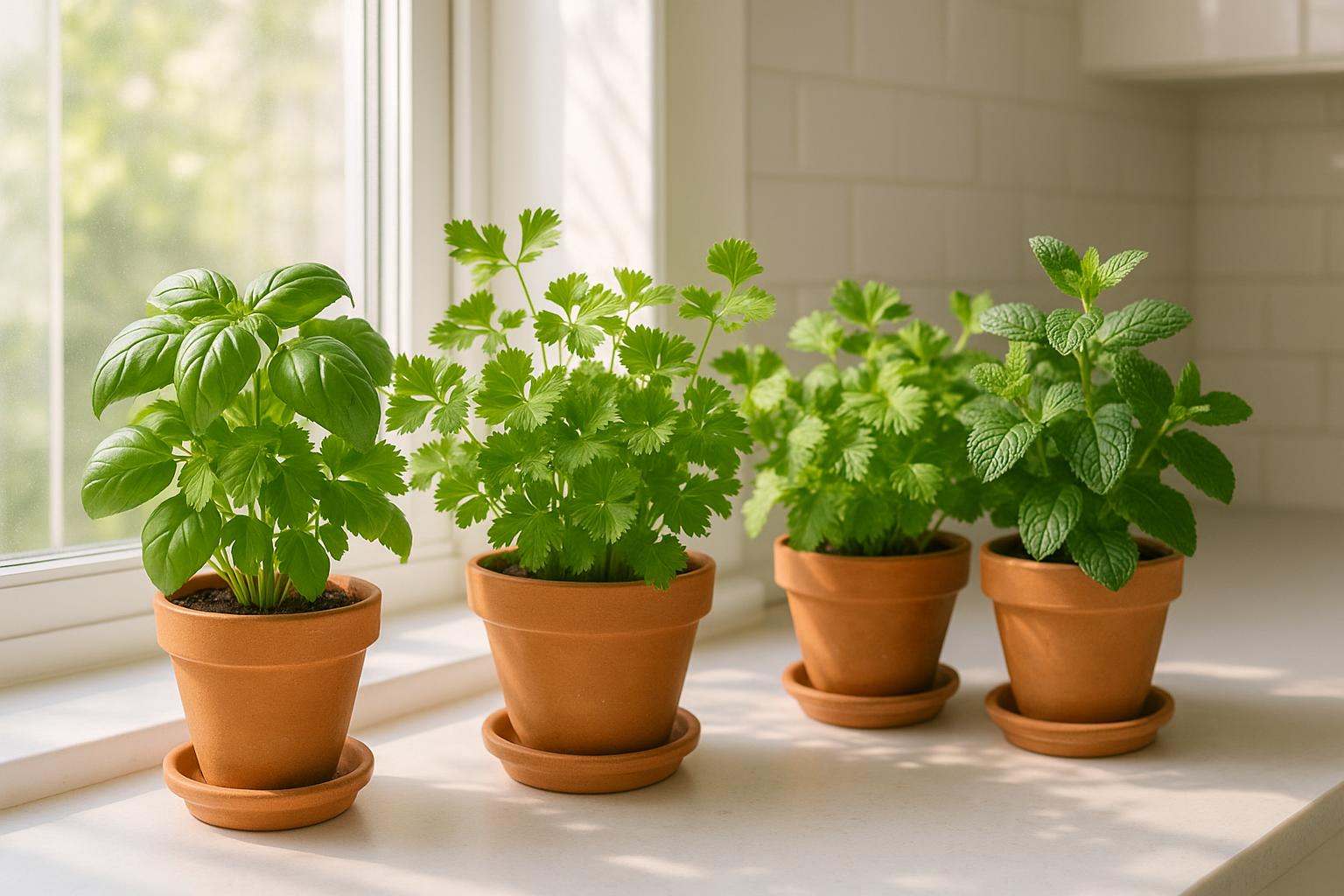
Transform Your Urban Jungle: An Essential Guide on How to Increase Humidity for Indoor Plants
Quick Summary: Your Humidity Action Plan
Low humidity is a silent killer for many houseplants, especially those with tropical origins. To quickly and effectively address this, start by grouping your plants to create a microclimate. For a sustained solution, invest in a dedicated plant humidifier. Other practical methods include using pebble trays, placing plants in naturally humid rooms like bathrooms, and double potting with damp sphagnum moss. Avoid relying solely on misting, as its effects are fleeting and can sometimes lead to fungal issues. Consistency is key to keeping your tropical friends happy and thriving.
Introduction: Why Your Houseplants Are Thirsty for More
As urban gardeners, we often overlook a critical factor for tropical houseplants like Calatheas, Ferns, and Monsteras: low humidity. In their native environments, these plants enjoy air thick with moisture, often above 60%. Our climate-controlled homes, especially with winter heating, can drop to a desert-like 20-30% relative humidity. This causes plants to lose moisture faster than they can absorb it, leading to crispy leaf edges, brown tips, and stunted growth. Understanding how to increase humidity for indoor plants is essential for a thriving urban jungle. This guide provides the most effective, practical, and sustainable methods to boost the moisture in the air around your plants.
The Essential Guide on How to Increase Humidity for Indoor Plants
Achieving the ideal humidity level (typically 40-60% for most tropical plants) requires a multi-faceted approach. We will explore five proven methods, ranging from simple, no-cost adjustments to more automated, long-term solutions.
1. The Power of Grouping: Creating a Plant Microclimate
This is one of the simplest and most effective techniques. Plants naturally release moisture into the air through transpiration. When you place several plants close together, the collective moisture they release becomes trapped in the small area between them, effectively raising the local humidity.
- Practical Tip: Arrange your humidity-loving plants on a single shelf or table, ensuring their leaves are close but not touching. This allows for good air circulation while maximizing the shared moisture benefit.
- Best For: All plant types, especially those with moderate humidity needs.
2. The Pebble Tray Method: A Classic Solution
A pebble tray is a shallow dish filled with small stones or pebbles and a layer of water. The plant pot sits on the pebbles, ensuring the bottom of the pot is above the water line. As the water evaporates, it adds moisture directly to the air immediately surrounding the plant.
- How to: Use a waterproof tray larger than the plant's pot. Fill it with a single layer of decorative pebbles or gravel. Add water until it is just below the top of the pebbles. Place the potted plant on top.
- Common Mistake to Avoid: Do not let the bottom of the pot sit in the water. This can lead to waterlogging, root rot, and other serious issues. The goal is evaporation, not bottom-watering.
3. The Humidifier: The Most Consistent Solution
For serious plant enthusiasts or those with a large collection, a dedicated humidifier is the gold standard. It provides a consistent, measurable, and widespread increase in ambient humidity, far more effective than localized methods.
- Product Recommendation: Ultrasonic Humidifiers: These are quiet, energy-efficient, and produce a cool mist, which is generally preferred for plants. They use high-frequency vibrations to create a fine water mist.
- Product Recommendation: Evaporative Humidifiers: These use a fan to blow air through a wet wick or filter. They are self-regulating, meaning they will not over-humidify the air, making them a safe choice for maintaining a balanced environment.
- Practical Tip: Place the humidifier close to your plant grouping, but not so close that the leaves get constantly wet. Use a hygrometer (a humidity meter) to monitor the relative humidity and aim for the 50-60% range.
4. Strategic Placement: Utilizing Naturally Humid Spaces
Some rooms in your home naturally have higher humidity levels due to daily activities. Placing your most sensitive plants in these areas can provide a significant boost.
- The Bathroom: The steam from showers makes the bathroom an ideal location for ferns, orchids, and other moisture-loving plants. Ensure the room also receives adequate light for the plant's needs.
- The Kitchen: Boiling water, cooking, and running the dishwasher all contribute to higher ambient moisture. Keep plants away from direct heat sources like stoves, but a sunny kitchen counter can be a perfect spot.
5. Double Potting and Sphagnum Moss
This method involves placing a plastic nursery pot inside a larger, decorative pot. The space between the two pots is then filled with damp sphagnum moss. The moss acts as a slow-release moisture reservoir, gradually evaporating water and creating a humid pocket around the inner pot.
- How to: Water the moss regularly to keep it consistently damp, but not soaking wet. This method is particularly effective for plants that are sensitive to dry air but do not tolerate having wet feet.
Common Mistakes to Avoid When Increasing Humidity
While the goal is simple, there are several common pitfalls that can negate your efforts or even harm your plants. Being aware of these mistakes is crucial for long-term success in learning how to increase humidity for indoor plants.
Mistake 1: Relying Solely on Misting
Misting your plants with a spray bottle is a popular piece of advice, but it is largely ineffective as a long-term humidity solution. The fine water droplets evaporate within minutes, providing only a very brief, temporary spike in humidity.
- The Danger: While the humidity boost is short-lived, the water droplets sitting on the leaves can create a perfect environment for fungal diseases, mildew, and bacterial leaf spots, especially if the air circulation is poor.
- The Alternative: If you enjoy misting, use it sparingly and ensure it is a very fine mist. Use it as a way to clean dust off the leaves, not as your primary humidity source.
Mistake 2: Not Monitoring the Humidity Level
Guessing your home's humidity level is a recipe for failure. What feels humid to you might still be too dry for a tropical plant.
- The Solution: Invest in a simple, inexpensive hygrometer. Place it near your plants to get an accurate reading of the relative humidity. This allows you to adjust your methods—turning the humidifier up or down, or adding another pebble tray—based on real data.
Mistake 3: Poor Air Circulation
When you group plants together or use a humidifier, you are creating a moist environment. Without proper air movement, this stagnant, moist air becomes a breeding ground for pests and diseases.
- The Solution: Ensure there is gentle air movement around your plants. A small, oscillating fan set on a low speed, pointed away from the plants, can help circulate the air without creating a drying draft. This is especially important when using a humidifier.
Mistake 4: Using Tap Water in Humidifiers
Tap water contains minerals that can be released into the air as a fine white dust when using an ultrasonic humidifier. This mineral dust can settle on your plants' leaves, clogging their pores (stomata) and hindering their ability to photosynthesize.
- The Solution: Always use distilled water or filtered water in your humidifiers. This prevents mineral buildup on the machine and protects your plants from the white dust residue.
Advanced Tips for the Dedicated Urban Gardener
Once you have mastered the basics of how to increase humidity for indoor plants, you can explore these advanced techniques to fine-tune your environment.
The Terrarium or Plant Cabinet
For your most sensitive, high-humidity plants (like Fittonia or certain miniature orchids), a closed or semi-closed environment is the ultimate solution. A terrarium or a repurposed cabinet with glass doors (often called a "plant cabinet") traps moisture and creates a near-perfect, self-regulating microclimate. These setups require a light source and sometimes a small computer fan for gentle air circulation, naturally maintaining humidity levels of 70% or higher.
Utilizing Evaporation from Aquariums
If you have a fish tank or aquarium, the water evaporation from the surface is a constant, natural source of humidity. Placing humidity-loving plants near a large, open-top aquarium can provide a significant and consistent boost to the surrounding air.
Product Recommendations for Your Humidity Toolkit
You don't need expensive, brand-name equipment to succeed. Focus on the type of product that will best serve your plants' needs.
| Product Type | Function | Best For | Key Features to Look For |
|---|---|---|---|
| Cool Mist Humidifier | Adds widespread, consistent moisture to the air. | Large plant collections, dry homes, sensitive plants. | Large water tank capacity, built-in hygrometer, quiet operation. |
| Pebble Trays | Creates a localized, small-scale humidity boost. | Single plants, small groupings, budget-friendly solution. | Deep tray with a wide surface area, non-porous pebbles. |
| Hygrometer | Measures the relative humidity in the air. | All indoor gardeners, essential for monitoring and adjusting. | Digital display, accuracy within +/- 5%, easy-to-read. |
| Sphagnum Moss | Used for double potting or as a top dressing to retain moisture. | Plants needing very high localized humidity (e.g., aroids). | Long-fiber, high-quality moss with good water retention. |
| Fine Misting Bottle | Used for cleaning leaves and a very brief, localized boost. | Cleaning, or a quick refresh for air plants. | Continuous spray mechanism, very fine mist output. |
Conclusion: Consistency is the Key to a Humid Home
Mastering how to increase humidity for indoor plants is a journey of observation and adjustment. It is not a one-time fix but an ongoing commitment to creating a stable, comfortable environment for your plants. By implementing a combination of these methods—grouping your plants, using a humidifier, and avoiding common mistakes like over-misting—you will see a dramatic improvement in the health and appearance of your urban jungle. Say goodbye to brown, crispy edges and hello to lush, vibrant foliage!
Ready to take your urban gardening to the next level?
Don't just guess what your plants need. Plan for success! Use the Urban Grow Planner tool to track your humidity levels, watering schedule, and light conditions for every plant in your collection. It’s the perfect way to ensure your efforts to increase humidity are paying off. Start planning your most successful growing season yet!
[1] Pennsylvania State University Extension. Humidity and Houseplants. [2] The Spruce. 5 Humidity Mistakes You're Making With Your Plants. [3] Ohio Tropics. 1 Awful + 3 Great Ways to Increase Humidity for Houseplants. [4] The Sill. How To Increase Humidity for Houseplants. [5] Homes & Gardens. 6 houseplant humidity mistakes, and how to fix them like a pro.
Related Articles
How To Start Urban Farming For Beginners
Ready to grow your own food? Learn how to start urban farming for beginners with this comprehensive guide on planning, small-space techniques, essential equipment, and common mistakes to avoid.
Balcony Garden Ideas For Beginners
Discover the ultimate balcony garden ideas for beginners! Learn how to maximize small spaces with vertical gardening, choose the best easy-to-grow plants, and avoid common mistakes. Start your urban oasis today!
Container Gardening For Beginners Step By Step
Start your urban garden with this step-by-step guide to container gardening for beginners. Learn about choosing pots, soil, plants, watering, and avoiding common mistakes.
How To Grow Vegetables On Apartment Balcony
Learn how to grow vegetables on apartment balcony with this ultimate guide. Get tips on sun, containers, soil, and the best compact crops for a successful urban garden.