How To Overwinter Herbs Indoors
Master how to overwinter herbs indoors with this comprehensive guide. Learn essential tips on light, watering, pest control, and temperature to keep your favorite herbs thriving all winter long.
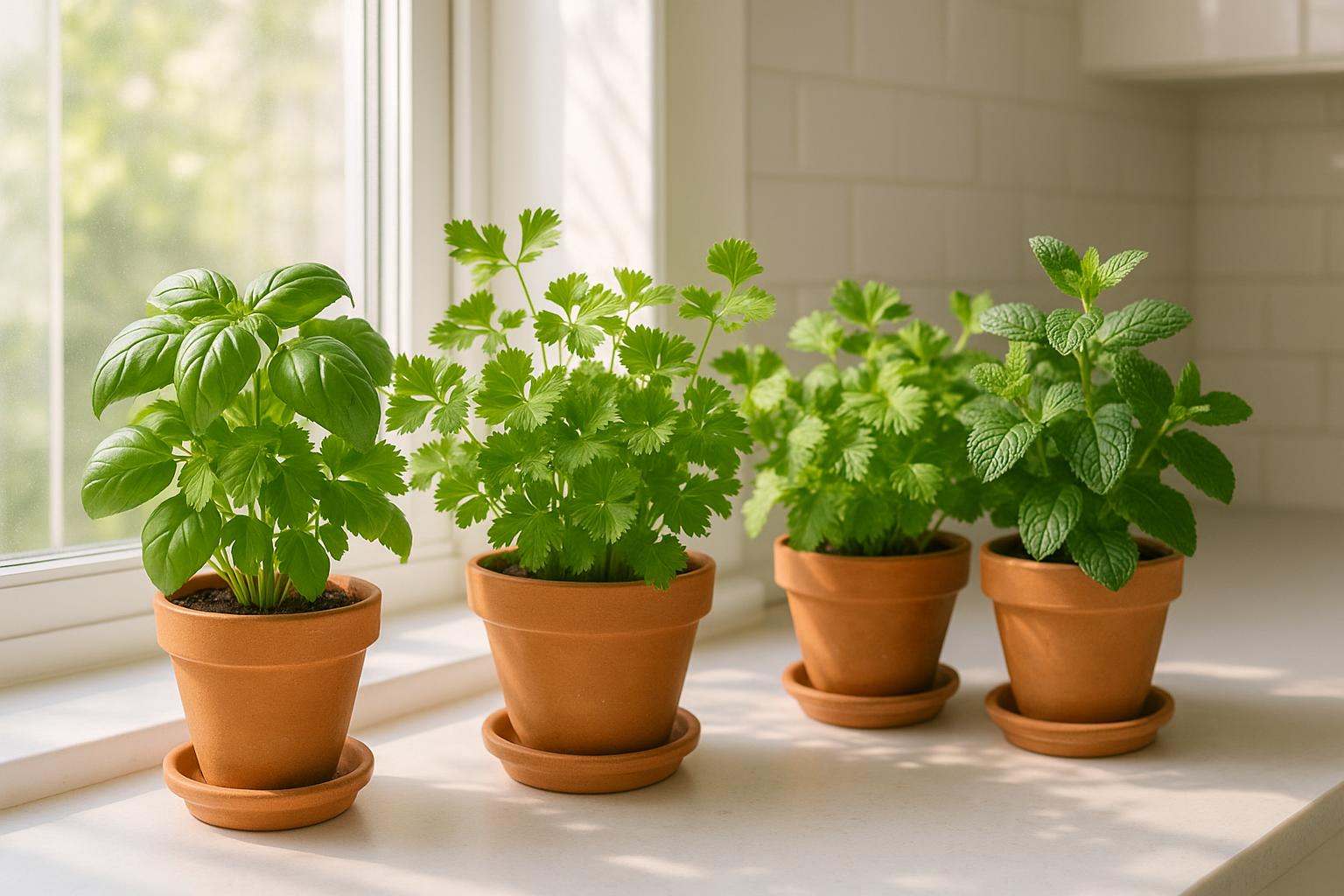
How to Overwinter Herbs Indoors: Your Complete Guide to Winter Gardening Success
Quick Summary: Don't let the winter chill claim your favorite herbs! Overwintering herbs indoors is a rewarding process that requires careful preparation, the right environment, and consistent care. The key steps include choosing the right herbs, inspecting and treating for pests, providing ample light (often with grow lights), maintaining cool temperatures (60-70°F day, 55-60°F night), and, most importantly, watering sparingly to prevent root rot. Follow this comprehensive guide to keep your culinary companions thriving until spring.
The first frost is a bittersweet moment for any urban gardener. While it signals the end of the outdoor growing season, it doesn't have to mean saying goodbye to your favorite fresh herbs. Learning how to overwinter herbs indoors is a simple yet transformative skill that allows you to enjoy the flavors of summer all year long. This practice is not just about survival; it's about providing a period of semi-dormancy or continued, albeit slower, growth so your plants are ready to burst back to life when spring arrives.
Bringing your herbs inside requires more than just moving a pot from the patio to the kitchen counter. The transition from the bright, humid, and airy outdoors to the dry, dark, and often stagnant indoor environment can be a shock. By understanding the specific needs of your herbs during the colder months, you can create a successful indoor haven. This guide will walk you through every step, from pre-winter preparation to essential winter care, ensuring your indoor herb garden flourishes.
Phase 1: Pre-Winter Preparation for Indoor Success
The success of your indoor herb garden begins long before the first snowflake falls. Proper preparation is crucial for minimizing stress and preventing the introduction of outdoor pests into your home.
1. Timing is Everything: Beat the Frost
The single most important rule for how to overwinter herbs indoors is to bring them inside before the first hard frost [1]. Even a light frost can severely damage or kill tender herbs. Monitor your local weather forecast closely. When nighttime temperatures consistently drop below 40°F (4°C), it’s time to start the transition process. A gradual move, perhaps bringing them into a sheltered porch or garage for a few days, can help them acclimate to lower light levels before moving them fully indoors.
2. The Great Pest Inspection and Treatment
Outdoor herbs are hosts to a variety of insects, and you do not want to invite these tiny hitchhikers into your home. Pests like aphids, whiteflies, and spider mites can quickly multiply in the warm, dry indoor air and infest all your houseplants.
- Inspection: Carefully examine the entire plant, paying close attention to the undersides of leaves, stem joints, and the soil surface. Look for visible insects, sticky residue (honeydew), or fine webbing (spider mites).
- Treatment: Treat any signs of pests before the plant crosses your threshold.
- Pruning: Cut back any heavily infested or damaged foliage.
- Washing: Give the plants a thorough shower with a strong spray of water to dislodge any remaining insects.
- Application: Apply a natural, non-toxic treatment. A mild solution of insecticidal soap or horticultural oil is highly effective against most common pests [2]. For soil-dwelling pests like fungus gnats, you can allow the soil to dry out completely or cover the soil surface with a layer of sand or fine gravel to prevent them from laying eggs.
3. Pruning and Repotting for the Indoors
Before repotting, it is beneficial to prune your herbs. Cut back the stems by about one-third to one-half. This reduces the plant's overall size, minimizes the foliage it needs to support, and encourages bushier, more compact growth, which is ideal for an indoor setting.
Next, address the container and soil. While you can keep the herb in its existing pot, it’s often a good idea to repot it into a slightly larger container—one size up—with fresh, well-draining potting mix [1].
- Container Choice: Opt for a terracotta or clay pot with excellent drainage holes. Clay is porous and allows excess moisture to evaporate through the sides, which is a significant advantage in preventing the dreaded root rot.
- Soil: Use a sterile, high-quality potting mix. Avoid using soil dug up from your garden, as it can compact easily and may contain pests or disease pathogens.
Phase 2: Creating the Ideal Indoor Environment
Once your herbs are prepped and inside, the next challenge is replicating their preferred growing conditions. The three main factors to control are light, temperature, and humidity.
1. Light: The Winter Lifeline
This is often the biggest hurdle when learning how to overwinter herbs indoors. A sunny windowsill is rarely enough, especially in northern climates or during the short days of winter. Most culinary herbs require at least six hours of bright, direct sunlight daily, and many prefer eight to ten [3].
- Natural Light: Place your herbs in the brightest window available, typically a south-facing one. Rotate the pots weekly to ensure all sides of the plant receive light.
- Supplemental Grow Lights: For truly successful overwintering, supplemental lighting is essential.
- Types: Full-spectrum LED grow lights or T5 fluorescent fixtures are excellent choices. LEDs are energy-efficient and emit very little heat. Look for lights with a color temperature of 5000K to 6500K, which mimics natural daylight.
- Placement: Position the light source 6 to 12 inches above the tops of the plants. The intensity of light drops off dramatically with distance, so keeping the lights close is key.
- Duration: Provide 14 to 16 hours of light per day. Use an inexpensive timer to ensure consistency.
2. Temperature and Air Circulation
Herbs generally prefer cooler temperatures than you might think, especially during their winter rest period. The warm, dry air from forced-air heating systems can be detrimental.
- Ideal Range: Aim for a daytime temperature between 60°F and 70°F (15°C–21°C) and a cooler nighttime temperature between 55°F and 60°F (13°C–15°C) [4]. A slightly cooler environment helps the plants slow their growth, conserving energy.
- Location: Keep your herbs away from heat vents, radiators, and drafty exterior doors. A spare room, a cool basement with lights, or a slightly cooler sunroom are often better locations than a warm, busy kitchen.
- Airflow: Stagnant air can encourage fungal diseases like powdery mildew, particularly on herbs like rosemary. Use a small, oscillating fan on a low setting for a few hours a day to gently circulate the air. This also helps strengthen the plant stems.
3. Humidity: Combating Dry Indoor Air
Indoor heating drastically reduces humidity, which can cause leaf tips to brown and make your herbs more susceptible to spider mites. Most herbs prefer a humidity level of 40% to 60%.
- Misting: While regular misting can provide a temporary boost, it's not a long-term solution and can sometimes encourage fungal issues.
- Pebble Trays: A more effective method is to place the pots on a shallow tray filled with pebbles and water. Ensure the bottom of the pot is above the water level so the roots don't sit in it. As the water evaporates, it creates a localized pocket of humidity around the plants.
- Grouping: Grouping your herbs together also helps, as the plants naturally release moisture through transpiration, creating a beneficial microclimate.
Phase 3: Winter Care and Maintenance
Consistent, mindful care is essential for keeping your herbs healthy throughout the winter. The biggest mistake urban gardeners make is treating their indoor herbs like their outdoor counterparts.
1. Watering: Less is More
This is where many overwintering efforts fail. Herbs, especially Mediterranean varieties like rosemary and thyme, are highly susceptible to root rot in the winter [5]. Their growth slows down significantly, and they require much less water than they did in the summer heat.
- The Finger Test: Only water when the top two inches of soil are completely dry to the touch. Stick your finger into the soil to check.
- Watering Method: When you do water, water thoroughly until it drains out the bottom. Then, immediately empty the saucer. Never let the pot sit in standing water.
- Rosemary Exception: Rosemary is notoriously tricky. It needs consistent moisture but absolutely hates wet feet. For this herb, err on the side of slightly drier soil, but be vigilant, as it can dry out quickly in a clay pot.
2. Fertilizing: A Winter Fast
Just as their growth slows, your herbs' need for nutrients decreases dramatically. Do not fertilize your herbs during the winter months. Fertilizing encourages tender new growth that is weak, leggy, and more vulnerable to pests and disease in the low-light conditions. Resume a light feeding schedule only when you see vigorous new growth in early spring.
3. Harvesting and Pruning
Continue to harvest your herbs lightly throughout the winter. Regular, small harvests encourage the plant to branch out and maintain a compact, bushy shape. Use sharp, clean scissors or pruning shears and never remove more than one-third of the plant at a time. This practice is key to preventing your herbs from becoming tall and spindly (etiolated) due to insufficient light.
Phase 4: Common Mistakes to Avoid When Overwintering Herbs Indoors
Knowing what not to do is just as important as knowing what to do. Avoiding these common pitfalls will dramatically increase your success rate when learning how to overwinter herbs indoors.
Mistake 1: Overwatering and Poor Drainage
As mentioned, this is the number one killer of indoor herbs. Wet, soggy soil suffocates the roots, leading to root rot, which is often irreversible. Always use pots with drainage holes and a well-draining potting mix. If you suspect overwatering, let the soil dry out completely and consider repotting if the problem persists.
Mistake 2: Insufficient Light
Relying solely on a north-facing or even an east-facing window will lead to weak, pale, and leggy growth. The plant is essentially starving for light. If you are serious about keeping your herbs healthy, invest in a quality supplemental grow light system. This is a non-negotiable requirement for most herbs to thrive indoors during winter.
Mistake 3: Ignoring Pests
Bringing a pest-infested plant indoors is a recipe for disaster. A single plant with spider mites can quickly spread them to every other plant in your home. Always perform a meticulous inspection and pre-treat the plant with insecticidal soap or horticultural oil before the move. Repeat the treatment a week later for good measure.
Mistake 4: Placing Herbs Near Heat Sources
The blast of hot, dry air from a furnace vent or radiator will rapidly dehydrate your herbs, causing the leaves to crisp and drop. It also creates the perfect low-humidity environment for spider mites to flourish. Find a cool, stable location away from direct heat.
Mistake 5: Over-Fertilizing
Fertilizer is food, and in the winter, your herbs are on a diet. Over-fertilizing leads to soft, weak growth that is susceptible to disease and pests. Remember, the goal of how to overwinter herbs indoors is often survival and maintenance, not rapid growth.
Phase 5: Herb-Specific Overwintering Tips
While the general rules apply to most herbs, some have unique needs.
Rosemary (Salvia rosmarinus)
Rosemary is perhaps the most challenging herb to overwinter. It hates two things equally: wet roots and dry air.
- The Balancing Act: Use a terracotta pot and water only when the soil is dry, but be prepared to mist or use a pebble tray to boost humidity around the foliage.
- Airflow: Good air circulation is vital for rosemary to prevent powdery mildew.
- Temperature: It prefers a cool environment, ideally 55°F to 65°F.
Mint (Mentha)
Mint is incredibly hardy. If you have it in a pot, you can often simply cut it back, let the pot freeze, and store it in a cold garage or shed. If you want to keep it actively growing, treat it like a houseplant, but be aware that it can become leggy without strong light. Mint is also prone to spider mites.
Chives (Allium schoenoprasum)
Chives are a perennial that requires a period of dormancy. To overwinter chives indoors, you must first let them experience a light frost outdoors. Then, bring the pot inside and place it in a cool, dark location (like a basement) for 6-8 weeks. This cold period, called vernalization, is necessary for them to produce new growth. After the dormancy period, bring them into a sunny spot, and they will quickly sprout new green shoots.
Basil (Ocimum basilicum)
Basil is an annual and is notoriously difficult to overwinter. It is often easier to take cuttings from your favorite plant before the frost and root them in water or soil. These cuttings will grow into new, healthy plants that will thrive indoors until you can plant them outside again.
Learning how to overwinter herbs indoors is a skill that will transform your gardening practice. It connects you to your garden even when the ground is frozen and provides a continuous supply of fresh, aromatic ingredients for your winter cooking. With the right preparation, light, and a careful hand on the watering can, you can successfully bridge the gap between seasons.
Now that you have the knowledge to keep your herbs healthy and thriving, take the next step in your urban gardening journey.
Ready to plan your best growing season yet?
Use the Urban Grow Planner tool to map out your indoor herb garden, track your light and temperature conditions, and set reminders for watering and pest checks. Start planning today and ensure your winter harvest is a success!
[1] Nick's Garden Center. Tips for Overwintering Herbs Indoors. [2] Missouri Botanical Garden. Herb Problems Indoors. [3] Penn State Extension. Growing Herbs Indoors. [4] Oklahoma State University Extension. Herbs are Easy to Grow Indoors in the Winter. [5] Fine Gardening. The Dos and Don'ts of Growing Herbs Inside.
Related Articles
How To Start Urban Farming For Beginners
Ready to grow your own food? Learn how to start urban farming for beginners with this comprehensive guide on planning, small-space techniques, essential equipment, and common mistakes to avoid.
Balcony Garden Ideas For Beginners
Discover the ultimate balcony garden ideas for beginners! Learn how to maximize small spaces with vertical gardening, choose the best easy-to-grow plants, and avoid common mistakes. Start your urban oasis today!
Container Gardening For Beginners Step By Step
Start your urban garden with this step-by-step guide to container gardening for beginners. Learn about choosing pots, soil, plants, watering, and avoiding common mistakes.
How To Grow Vegetables On Apartment Balcony
Learn how to grow vegetables on apartment balcony with this ultimate guide. Get tips on sun, containers, soil, and the best compact crops for a successful urban garden.