How To Prevent Pests In Indoor Herb Garden
Learn how to prevent pests in your indoor herb garden with this comprehensive guide. Discover natural remedies, essential care tips, and common mistakes to avoid for a healthy, bug-free harvest.
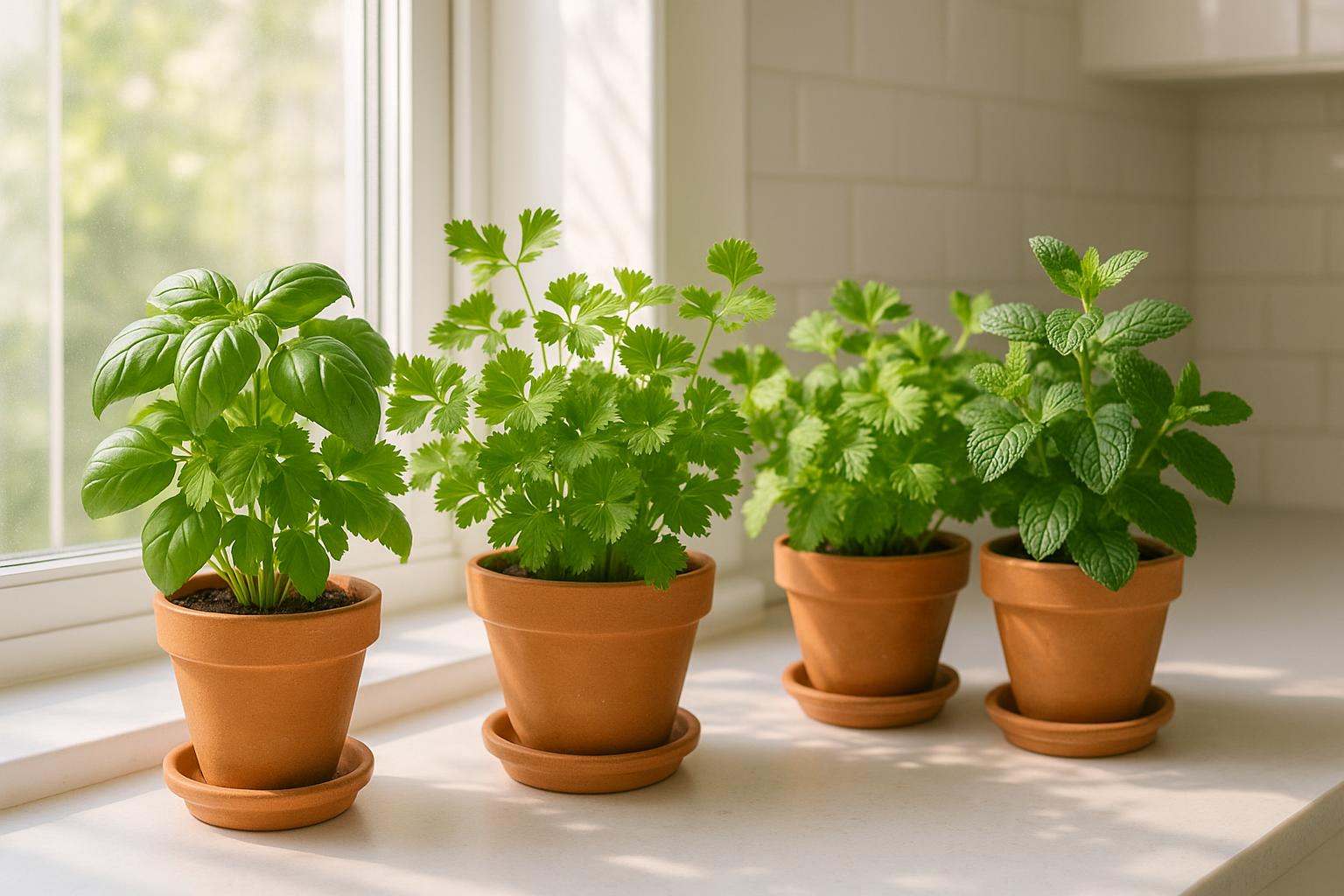
How to Prevent Pests in Indoor Herb Garden: The Ultimate Guide to a Thriving, Bug-Free Harvest
Quick Summary: Keeping your indoor herb garden pest-free is all about proactive care. The key strategies are maintaining optimal growing conditions (light, water, humidity), rigorous inspection and quarantine of new plants, and using gentle, natural treatments like insecticidal soap and neem oil at the first sign of trouble. By following these practical steps, you can ensure a continuous, healthy supply of fresh herbs right from your kitchen.
The Proactive Gardener: Why Prevention is Your Best Defense
Growing fresh herbs indoors is one of the great joys of urban gardening. The convenience of snipping basil for a Caprese salad or mint for a refreshing tea is unmatched. However, the warm, stable environment of your home, which is perfect for herbs, is also a five-star resort for common houseplant pests. The secret to a thriving indoor herb garden is not waiting for an infestation, but learning how to prevent pests in indoor herb garden from ever taking hold.
Pests like spider mites, aphids, and fungus gnats can quickly turn your lush, green oasis into a sad, sticky mess. Because your herbs are destined for your kitchen, you want to avoid harsh chemical pesticides entirely. This guide will walk you through the essential, natural, and practical steps to build an impenetrable defense for your edible plants.
Foundation of Defense: Creating a Pest-Hostile Environment
Pests are often attracted to weak, stressed plants. By providing your herbs with the best possible growing conditions, you are naturally boosting their immune system and making them less appealing targets. Think of this as the first, and most critical, layer of your pest prevention strategy.
1. Optimize Light and Airflow
Insufficient light is one of the biggest stressors for indoor herbs. When plants are "reaching" for light, their cell walls are weaker, making it easier for sap-sucking pests to penetrate.
- Provide Bright Light: Most culinary herbs, like basil, rosemary, and thyme, require at least six hours of bright, direct light daily. If a sunny south-facing window isn't available, invest in a full-spectrum LED grow light. Position the light source close to the plants, typically 6 to 12 inches above the foliage, to mimic natural sunlight intensity.
- Ensure Good Air Circulation: Stagnant air is a breeding ground for pests and fungal diseases. A small, oscillating fan set on a low setting can work wonders. The gentle breeze strengthens the herb stems and makes it difficult for tiny pests like spider mites and whiteflies to settle and reproduce on the leaves.
2. Master the Art of Watering
Overwatering is the number one mistake indoor gardeners make, and it directly contributes to pest problems, particularly fungus gnats. These tiny, annoying flies lay their eggs in constantly moist topsoil.
- Water from the Bottom: To keep the top layer of soil dry, try bottom-watering. Place your potted herb in a tray of water for 15-20 minutes, allowing the soil to wick up moisture from the drainage holes. This keeps the surface dry, disrupting the fungus gnat life cycle.
- Use Well-Draining Soil and Pots: Always use a high-quality potting mix formulated for containers, and ensure your pots have excellent drainage holes. Never let your herbs sit in a saucer full of water for more than an hour, as this leads to root rot and a stressed plant.
3. Manage Humidity and Temperature
While many herbs prefer a slightly drier environment, some pests, like spider mites, thrive in low humidity. Finding the right balance is key.
- Increase Local Humidity: If your home air is very dry (common in winter with central heating), group your herbs together or place them on a pebble tray filled with water. The evaporating water increases the humidity immediately around the plants.
- Avoid Extreme Heat: Keep your herbs away from hot air vents, radiators, or drafty windows. Consistent, moderate temperatures (65-75°F) are ideal for healthy herb growth and discourage pest activity.
The Inspection Protocol: Your Second Line of Defense
Even with perfect growing conditions, pests can hitch a ride into your home. A rigorous inspection and quarantine routine is essential for how to prevent pests in indoor herb garden from spreading to your entire collection.
1. The New Plant Quarantine
Every new plant, whether from a nursery, a friend, or even a cutting, must be treated as a potential carrier.
- Isolate Immediately: Place the new herb in a separate room, far away from your existing plants, for a minimum of two to three weeks. A spare bathroom or a bright corner in a rarely used room works well.
- Thorough Inspection: Before quarantine, inspect the plant from top to bottom. Pay special attention to the undersides of leaves, where pests love to hide, and the junction where the stem meets the soil. Look for tiny webs (spider mites), sticky residue (honeydew from aphids/mealybugs), or small, moving specks.
- Pre-emptive Treatment: Even if you see nothing, it is a good practice to wipe down the leaves with a diluted insecticidal soap solution or spray the plant with a light coating of horticultural oil before introducing it to your main garden.
2. Regular Maintenance and Scouting
Pest populations explode quickly. Catching a single pest is a victory; catching a dozen is a problem.
- Weekly Wipe-Down: Make it a habit to gently wipe the leaves of your herbs with a damp cloth or paper towel once a week. This removes dust, which can harbor mites, and allows you to inspect the plant up close.
- Prune and Clean: Remove any yellowing, damaged, or dead leaves immediately. Pests are often drawn to decaying plant matter. Also, keep the surface of the soil clean of any fallen debris.
Identifying the Enemy: Common Indoor Herb Pests
Knowing your enemy helps you choose the right battle plan. Here are the most common pests you might encounter and their tell-tale signs:
| Pest | Appearance | Damage Signs | Preferred Location |
|---|---|---|---|
| Spider Mites | Tiny, pin-sized specks (red, brown, or yellow). | Fine webbing, tiny yellow or white stippling (dots) on leaves. | Undersides of leaves, dry conditions. |
| Aphids | Small, pear-shaped insects (green, black, or yellow). | Curled, distorted new growth; sticky residue (honeydew); sooty mold. | New, tender growth and stems. |
| Mealybugs | Small, white, cottony masses. | Sticky residue; stunted growth; found in leaf axils and stems. | Leaf joints, stems, and undersides of leaves. |
| Whiteflies | Tiny, white, moth-like insects that fly up when disturbed. | Yellowing leaves; sticky residue; found on leaf undersides. | Undersides of leaves. |
| Fungus Gnats | Small, dark, mosquito-like flies that hover near the soil. | Larvae can damage roots; mainly a nuisance, but indicates overwatering. | Moist topsoil. |
Natural and Effective Treatment Options
If, despite your best efforts, you find a pest, immediate and targeted action is required. These natural remedies are safe for edible plants and highly effective.
1. The Power of Water
For a minor infestation, a strong jet of water is often the simplest and most effective solution.
- Blast Them Off: Take the infested herb to a sink or shower and use a strong, but gentle, stream of water to physically dislodge the pests. Focus on the undersides of the leaves. This is particularly effective for whiteflies and aphids.
- Repeat: Repeat this process every few days until you no longer see any pests.
2. Insecticidal Soap Solution
Insecticidal soap is a gentle, contact-based pesticide that works by dissolving the protective outer layer of soft-bodied insects.
- Product Recommendation: Look for a pre-mixed insecticidal soap product specifically labeled for use on edible plants. Alternatively, you can mix your own using a mild, unscented liquid soap (like castile soap) diluted in water (about 1-2 teaspoons per gallon of water).
- Application: Spray the entire plant, ensuring complete coverage of the leaves, stems, and especially the undersides. The soap must contact the pest to be effective. Do this in the evening or on a cloudy day, as applying soap in direct sunlight can burn the leaves. Always test the solution on a small leaf first.
- Safety: Always rinse the herbs thoroughly with clean water a few hours after application, or before you plan to harvest and consume them.
3. Horticultural Oil (Neem Oil)
Neem oil is a natural, plant-derived oil that acts as both a pesticide and a fungicide. It is a fantastic tool for how to prevent pests in indoor herb garden and for treating existing problems.
- Product Recommendation: Use a cold-pressed, clarified hydrophobic extract of neem oil. It must be mixed with an emulsifier (like a few drops of mild liquid soap) and water, as oil and water do not mix naturally. A common ratio is 1-2 teaspoons of neem oil and 1 teaspoon of soap per quart of water.
- Application: Like insecticidal soap, neem oil works on contact and should be applied to all plant surfaces. It also leaves a residue that deters pests from feeding and disrupts their life cycle. Apply every 7-14 days for persistent problems.
- Soil Drench: For fungus gnats, a neem oil soil drench can kill the larvae in the soil. Mix the solution and water the plant with it, allowing it to soak into the soil.
4. Rubbing Alcohol Spot Treatment
For scale insects and mealybugs, which are protected by a waxy coating, a targeted approach is best.
- Application: Dip a cotton swab or cotton ball in rubbing alcohol (70% isopropyl alcohol). Gently touch the cotton swab directly to the pest. The alcohol dissolves the waxy coating, killing the pest instantly.
- Caution: Alcohol can be harsh on delicate leaves. Test on a small area first, and only use this method for spot treatments, not for spraying the entire plant.
Common Mistakes to Avoid in Indoor Herb Pest Prevention
Even experienced gardeners can slip up. Avoiding these common pitfalls will significantly reduce your risk of infestation and help you master how to prevent pests in indoor herb garden.
Mistake 1: Ignoring the Undersides of Leaves
Pests like spider mites and whiteflies almost exclusively live and lay eggs on the undersides of leaves, where they are protected from light and casual inspection. If you only check the top of the foliage, you will miss the problem until it is a full-blown crisis. Always flip the leaves during your weekly inspection.
Mistake 2: Over-Fertilizing
While fertilizer is necessary, too much of a good thing can be detrimental. High-nitrogen fertilizers promote rapid, soft, sappy growth, which is exactly what sap-sucking pests like aphids crave.
- The Fix: Use a balanced, water-soluble fertilizer at half the recommended strength, and only during the active growing season (spring and summer). Herbs generally prefer less fertilizer than other houseplants.
Mistake 3: Reusing Soil or Unsanitized Pots
Pest eggs and larvae can survive in old potting soil and on the surfaces of unwashed pots.
- The Fix: Always use fresh, sterile potting mix when repotting or starting new herbs. If reusing a pot, scrub it thoroughly with hot, soapy water or a diluted bleach solution (1 part bleach to 9 parts water) to sanitize it before planting.
Mistake 4: Treating Pests in Direct Sunlight
Applying any kind of oil or soap solution to your herbs and then placing them in direct, bright sunlight is a recipe for leaf burn. The oil or soap can magnify the sun's rays, scorching the foliage.
- The Fix: Always apply treatments in the evening or early morning, and keep the treated plants out of direct sun for at least 24 hours. This allows the solution to work and dry safely.
Mistake 5: Giving Up Too Soon
Pest control is rarely a one-time event. Most natural treatments only kill the adult pests, not the eggs. You must break the life cycle.
- The Fix: Commit to a treatment schedule. For most pests, you will need to re-apply your chosen treatment (insecticidal soap or neem oil) every 5-7 days for at least three weeks to ensure you kill the newly hatched generations.
Conclusion: Your Journey to a Pest-Free Harvest
Mastering how to prevent pests in indoor herb garden is a continuous, rewarding process. It requires diligence, observation, and a commitment to natural, gentle care. By focusing on creating a strong foundation—optimal light, proper watering, and clean habits—you will drastically reduce the chances of an infestation. And when a pest does appear, you now have the knowledge and tools to handle it quickly and safely, ensuring your fresh herbs remain a source of joy, not frustration.
Keep up the great work, urban gardener! Your thriving, pest-free herbs are a testament to your care.
Ready to Plan Your Next Grow?
Now that you know how to keep your herbs healthy and pest-free, it's time to plan your next harvest! Use the Urban Grow Planner tool to track your planting dates, monitor your herb varieties, and schedule your weekly maintenance checks. A well-planned garden is a successful garden!
References
[1] Missouri Botanical Garden. Herb Problems Indoors. [URL: https://www.missouribotanicalgarden.org/gardens-gardening/your-garden/help-for-the-home-gardener/advice-tips-resources/visual-guides/herb-problems-indoors] [2] Extension, University of Missouri. Least-Toxic Control Methods to Manage Indoor Plant Pests. [URL: https://extension.missouri.edu/publications/g7273] [3] Bloomscape. How to Remove Pests from your Indoor Herb Garden. [URL: https://bloomscape.com/plant-care/how-to-remove-pests-from-your-indoor-herb-garden/] [4] Iowa State University Extension and Outreach. Control Houseplant Insect Pests Safely With Insecticidal Soap. [URL: https://www.extension.iastate.edu/news/2007/nov/071601.htm] [5] University of Connecticut Home and Garden Education Center. Insecticidal Soaps. [URL: https://homegarden.cahnr.uconn.edu/factsheets/insecticidal-soaps/] [6] Epic Gardening. 5 Indoor Herb-Growing Problems and Solutions. [URL: https://www.epicgardening.com/indoor-herb-problems/] [7] Rural Sprout. 8 Things You Must Do Every Time You Bring Home A New Houseplant. [URL: https://www.ruralsprout.com/new-houseplant-tasks/]
Related Articles
How To Start Urban Farming For Beginners
Ready to grow your own food? Learn how to start urban farming for beginners with this comprehensive guide on planning, small-space techniques, essential equipment, and common mistakes to avoid.
Balcony Garden Ideas For Beginners
Discover the ultimate balcony garden ideas for beginners! Learn how to maximize small spaces with vertical gardening, choose the best easy-to-grow plants, and avoid common mistakes. Start your urban oasis today!
Container Gardening For Beginners Step By Step
Start your urban garden with this step-by-step guide to container gardening for beginners. Learn about choosing pots, soil, plants, watering, and avoiding common mistakes.
How To Grow Vegetables On Apartment Balcony
Learn how to grow vegetables on apartment balcony with this ultimate guide. Get tips on sun, containers, soil, and the best compact crops for a successful urban garden.