How To Protect Balcony Garden From Wind
Learn how to protect your balcony garden from wind with this ultimate guide. Discover effective windbreak materials, anchoring techniques for pots, and wind-tolerant plants.
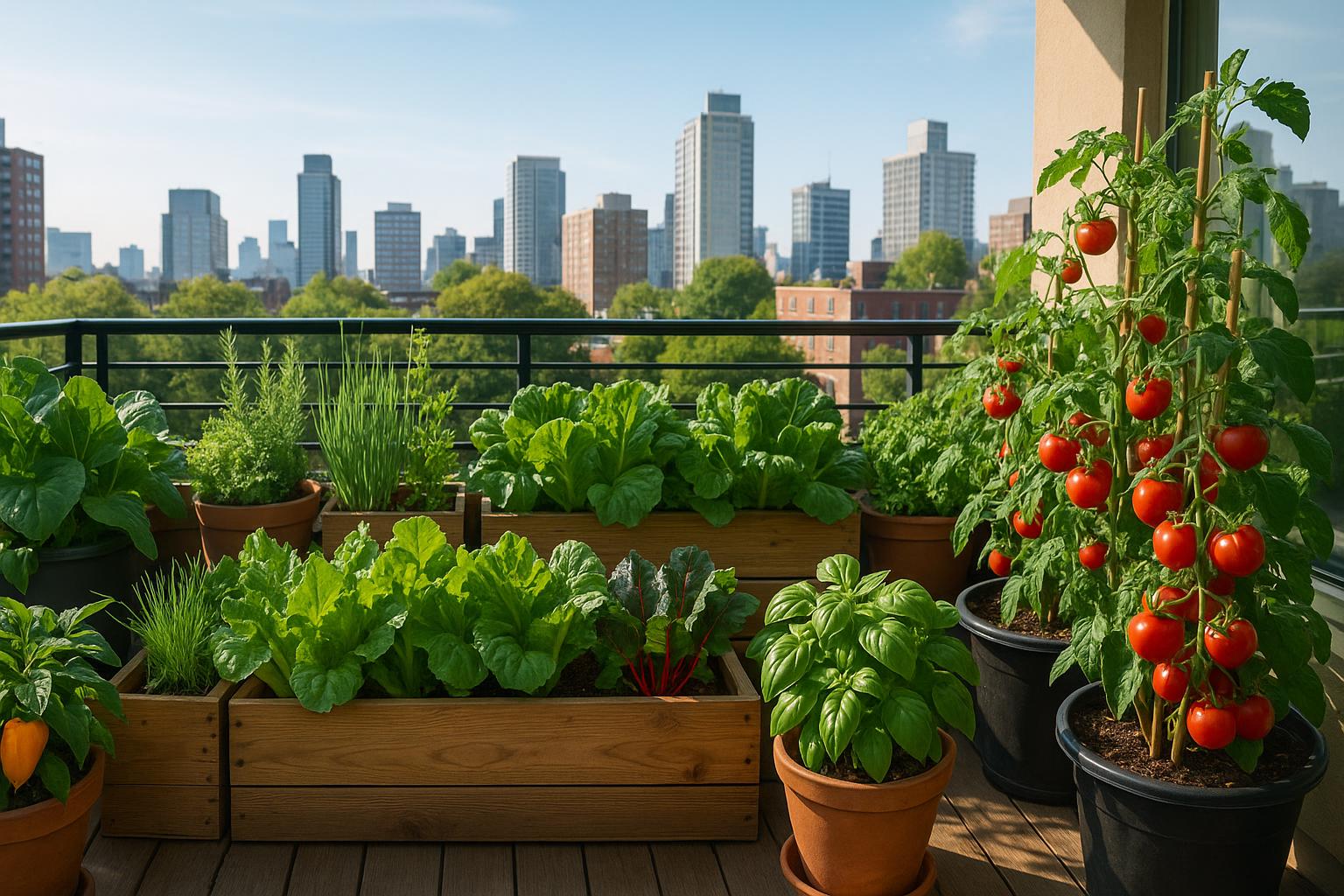
How to Protect Balcony Garden from Wind: The Ultimate Urban Gardener's Guide
Quick Summary: A windy balcony can be a challenge, but with the right strategies, your garden can thrive. The key is a multi-layered approach: installing effective windbreaks (like screens or netting), choosing heavy, stable containers, anchoring your plants securely, and selecting wind-tolerant plant varieties. By implementing these practical steps, you can create a sheltered microclimate that protects your precious plants from damaging gusts.
The Invisible Threat: Understanding Wind Damage to Balcony Gardens
For urban gardeners, a balcony is a precious slice of green space. However, this elevated position often exposes your plants to relentless wind, which can be a silent killer. Understanding how to protect balcony garden from wind starts with recognizing the specific ways wind harms your plants.
Wind damage isn't just about knocking over pots. It causes:
- Physical Stress and Breakage: Strong gusts can snap delicate stems, tear leaves, and even uproot smaller plants.
- Desiccation (Windburn): Wind rapidly strips moisture from leaves and soil, leading to excessive water loss. This "windburn" can cause leaves to dry out, turn brown, and curl, even if the roots have enough water.
- Temperature Extremes: Constant air movement can exacerbate cold stress in winter and, paradoxically, increase heat stress in summer by drying out the soil faster.
- Stunted Growth: Plants spend energy repairing damage and reinforcing their structure instead of producing flowers or fruit, leading to poor yields.
The higher your balcony, the more severe the wind effect, often creating a "wind tunnel" effect. This makes proactive protection essential for a successful urban garden.
Layer One: Installing Effective Windbreaks
The most direct way to address the problem of how to protect balcony garden from wind is to install a physical barrier. A good windbreak should reduce wind speed by about 50-70% without creating excessive turbulence. A solid wall is often worse than a semi-permeable one, as it can cause wind to swirl and create damaging eddies on the other side.
Choosing the Right Windbreak Material
The best material depends on your budget, aesthetic preference, and local building regulations.
| Windbreak Type | Material Examples | Pros | Cons |
|---|---|---|---|
| Semi-Permeable Screens | HDPE netting, bamboo screening, woven reed fencing, shade cloth (50% density) | Excellent wind reduction without turbulence, affordable, easy to install, natural look. | Less durable than solid options, may need replacement, offers less privacy. |
| Solid/Clear Panels | Polycarbonate sheets, acrylic/plexiglass panels, tempered glass railing inserts. | Maximum light transmission, high durability, excellent visibility, modern aesthetic. | Higher cost, requires more complex installation, can create wind turbulence (eddies) if completely solid. |
| Natural Barriers | Tall, dense potted plants (e.g., bamboo, ornamental grasses, small shrubs). | Beautiful, adds to the garden's aesthetic, provides a living, breathable barrier. | Takes time to grow, requires maintenance, may not be suitable for very high-wind areas. |
Installation Tips for Maximum Effectiveness
- Attach Securely: Use heavy-duty zip ties, wire, or specialized railing clamps to fasten your screen or panel to the balcony railing and any vertical supports.
- Avoid Solid Barriers: If using a solid material like polycarbonate, consider leaving small gaps or using a material with some perforations to allow a small amount of air to pass through. This diffuses the wind and prevents the damaging swirling effect.
- Extend the Barrier: If possible, extend the windbreak slightly beyond the railing height to protect the upper parts of your plants.
Layer Two: Securing Your Containers and Plants
Even with a windbreak, strong winds can still cause havoc by toppling containers. Securing your pots is a critical, often overlooked, step in learning how to protect balcony garden from wind.
The Importance of Weight and Material
- Choose Heavy Materials: Opt for terracotta, concrete, or thick ceramic pots over lightweight plastic. The heavier the container, the more stable it will be.
- Use Large, Wide Pots: A wide base provides better stability than a tall, narrow pot. Larger pots also offer more soil volume, which acts as a natural weight.
- Add Ballast: Fill the bottom of large containers with a layer of heavy, non-soil material like gravel, broken concrete pieces, or even a few large, flat stones before adding your potting mix. This adds crucial weight without compromising drainage.
Anchoring Techniques
For extreme wind conditions, or for particularly tall plants, you may need to physically anchor the containers.
- Bungee Cords and Wires: Use strong, UV-resistant bungee cords or coated wire to loop around the pot and secure it to the balcony railing or a fixed structure like a wall or heavy furniture.
- Drill and Bolt: For permanent or semi-permanent installations, you can drill small holes near the base of large, sturdy containers and use carriage bolts or heavy-duty screws to attach them directly to the balcony floor or wall (ensure you have permission and are not damaging the structure).
- Group Plants Together: Clustering pots tightly together creates a collective mass that is harder for the wind to move. The plants also offer each other mutual protection. Place the most vulnerable plants in the center of the group.
Protecting the Plants Themselves
- Staking and Trellising: Use sturdy stakes (bamboo, metal, or thick wood) to support tall, top-heavy plants like tomatoes, peppers, or sunflowers. Tie the stems loosely with soft material like old t-shirt strips or specialized plant ties to prevent chafing.
- Pruning: Regularly prune your plants to maintain a compact, bushy shape. Less surface area means less wind resistance and less chance of damage.
- Temporary Shelters: For sudden, severe storms, have temporary covers ready. This could be a piece of burlap draped over a small frame, or simply moving the most delicate pots into a sheltered corner or indoors.
Layer Three: Selecting Wind-Tolerant Plants
While physical protection is vital, the most sustainable solution for a windy balcony is to choose plants that are naturally adapted to exposed conditions.
Hardy Vegetables and Herbs
- Leafy Greens: Spinach, kale, and Swiss chard are often more resilient than delicate lettuce varieties.
- Root Vegetables: Carrots, radishes, and beets are naturally low-growing and protected by the soil.
- Hardy Herbs: Thyme, rosemary, oregano, and chives are Mediterranean natives that thrive in breezy, well-drained conditions.
- Bush Varieties: Choose "bush" or "determinate" varieties of tomatoes and beans over tall, vining types, as they are more compact and require less staking.
Ornamental and Flowering Plants
Look for plants with small, waxy, or leathery leaves, and flexible stems.
- Succulents and Cacti: Many varieties are extremely wind-tolerant due to their thick, water-retaining leaves.
- Ornamental Grasses: Their flexible stems bend with the wind rather than breaking.
- Coastal and Alpine Plants: These are naturally adapted to harsh, exposed environments. Examples include Lavender, Marigolds, and certain varieties of Sedum.
Common Mistakes to Avoid When Protecting Your Balcony Garden
Even with the best intentions, urban gardeners can make mistakes that compromise their wind protection efforts. Knowing what not to do is just as important as knowing how to protect balcony garden from wind.
1. Using Solid, Impermeable Windbreaks
As mentioned, a completely solid barrier (like a sheet of plywood or a fully sealed glass panel) can create a dangerous wind vortex. The wind hits the barrier, rushes up and over, and then slams down on the other side, often with more force than the original gust. Always aim for a semi-permeable barrier that allows about 30-50% of the air to filter through.
2. Underestimating the Weight Needed
A pot that feels heavy when you lift it may still be too light when filled with soil and a plant. A toppled pot can damage the plant, spill soil, and even pose a safety hazard. Always err on the side of caution and add extra ballast or secure the pot with an anchor.
3. Ignoring the "Wind Tunnel" Effect
In apartment complexes, the space between two buildings or two adjacent balconies can funnel wind, dramatically increasing its speed and force. If your balcony is in such a location, you must use the most robust anchoring and windbreak solutions available.
4. Over-Watering in Response to Dry Soil
Wind dries out the soil quickly, leading to a common mistake: over-watering. While the top layer of soil may be bone-dry, the lower layers might still be saturated. Before watering, always check the soil moisture a few inches down. Over-watering can lead to root rot, which is a death sentence for your plants. Instead, focus on using a high-quality potting mix with water-retaining crystals or a layer of mulch to slow evaporation.
5. Using Fragile Containers
Thin plastic pots or containers with weak rims are prone to cracking and breaking when they are knocked over or when the plant inside is violently shaken by the wind. Invest in durable, thick-walled containers that can withstand the stress.
Summary of Actionable Tips
To successfully implement a strategy for how to protect balcony garden from wind, follow this checklist:
- Install a Semi-Permeable Windbreak: Use HDPE netting or bamboo screening to diffuse wind, not block it entirely.
- Add Weight to Pots: Use heavy containers (terracotta, concrete) and add a layer of gravel or stones to the bottom for ballast.
- Anchor Securely: Use bungee cords, wire, or specialized clamps to fasten containers to the railing or floor.
- Group Plants: Cluster pots together to provide mutual protection and stability.
- Prune and Stake: Keep plants compact and use sturdy stakes for tall varieties.
- Mulch the Soil: Apply a layer of mulch (wood chips, pebbles, or straw) to the top of the soil to reduce moisture loss from wind.
- Choose Wisely: Select wind-tolerant plants like succulents, herbs, and ornamental grasses.
By taking these steps, you transform your exposed balcony into a sheltered, thriving microclimate. You'll be able to enjoy a flourishing garden, regardless of the weather.
Ready to Plan Your Wind-Proof Garden?
Protecting your garden from the elements is just one part of successful urban gardening. The next step is planning your layout, watering schedule, and harvest.
Take the guesswork out of your urban oasis with the Urban Grow Planner tool! This free resource helps you map out your space, track your planting dates, and manage your watering needs, ensuring your newly protected balcony garden reaches its full potential. Start planning today and watch your garden thrive!
Related Articles
How To Start Urban Farming For Beginners
Ready to grow your own food? Learn how to start urban farming for beginners with this comprehensive guide on planning, small-space techniques, essential equipment, and common mistakes to avoid.
Balcony Garden Ideas For Beginners
Discover the ultimate balcony garden ideas for beginners! Learn how to maximize small spaces with vertical gardening, choose the best easy-to-grow plants, and avoid common mistakes. Start your urban oasis today!
Container Gardening For Beginners Step By Step
Start your urban garden with this step-by-step guide to container gardening for beginners. Learn about choosing pots, soil, plants, watering, and avoiding common mistakes.
How To Grow Vegetables On Apartment Balcony
Learn how to grow vegetables on apartment balcony with this ultimate guide. Get tips on sun, containers, soil, and the best compact crops for a successful urban garden.