How To Revive Dying Container Plants
Learn how to revive dying container plants with this comprehensive guide. Discover the 4 main causes of plant distress and get actionable tips for root rot, deep soaking, and pest control.
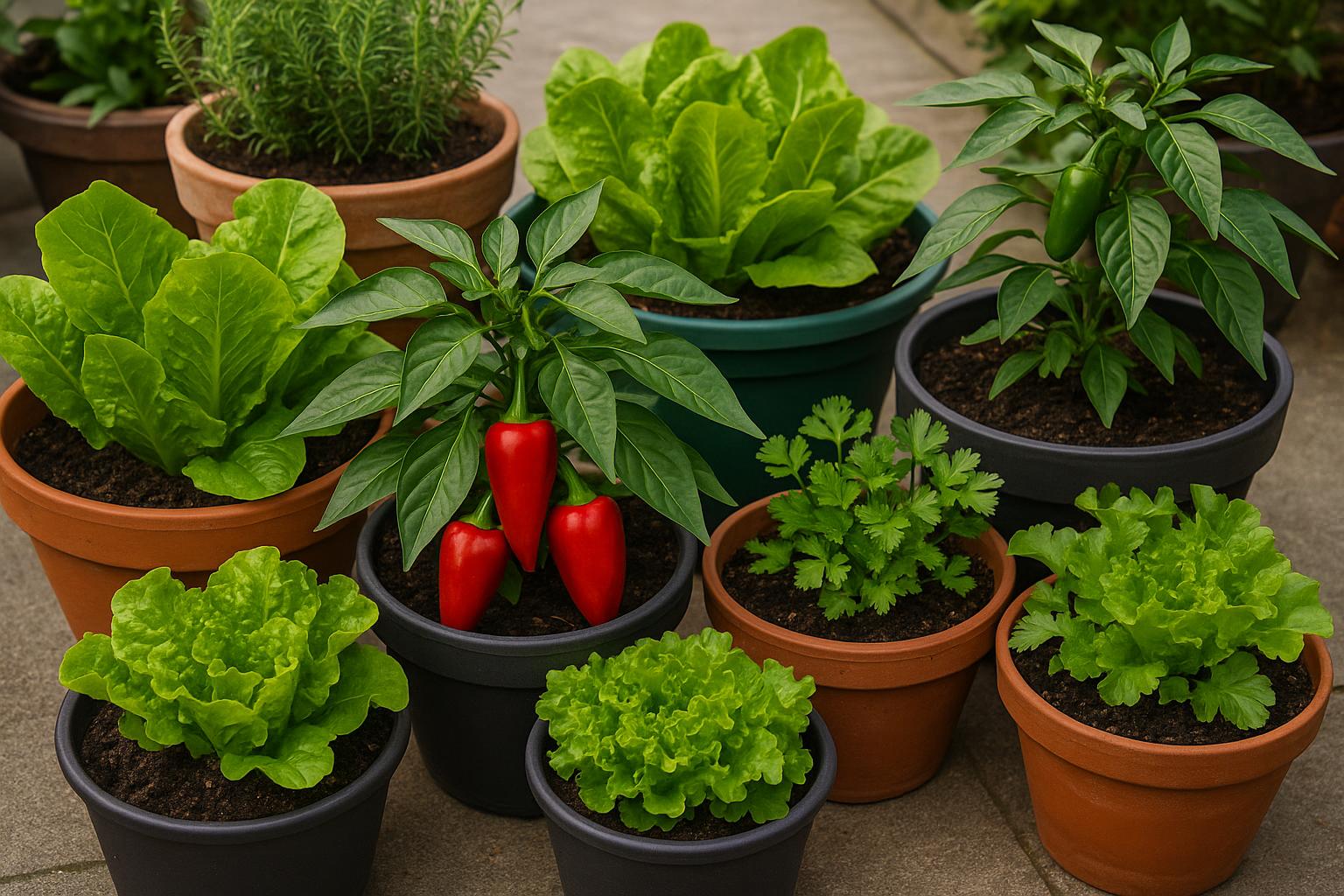
The Ultimate Guide on How to Revive Dying Container Plants and Bring Your Urban Garden Back to Life
Quick Summary: Your Plant Can Be Saved!
Seeing your beloved container plant wilt, yellow, or drop leaves can be disheartening, but don't panic—most "dying" plants are simply sending out a distress signal. The key to success is a swift and accurate diagnosis. Start by checking the soil moisture and drainage. Is it too wet or bone dry? Next, inspect the leaves for pests or signs of nutrient deficiency. Once you pinpoint the issue—be it overwatering, underwatering, lack of light, or a pest invasion—you can apply a targeted solution, such as adjusting your watering schedule, moving the plant, or applying a gentle, organic treatment. With a little patience and the right care, you can learn how to revive dying container plants and watch them flourish again.
The First Step: Accurate Diagnosis (Don't Guess, Investigate!)
Before you can fix the problem, you must understand what is causing the distress. A plant's symptoms are often misleading, as both overwatering and underwatering can cause wilting. Becoming a plant detective is the most crucial step in the process of reviving your plant.
H3: The Water Test: Too Much or Too Little?
Watering issues are the number one killer of container plants. It is essential to determine which end of the spectrum your plant is on.
- The Finger Test: Stick your index finger two inches deep into the soil. If the soil feels dry, your plant is likely thirsty. If it feels soggy and waterlogged, you are dealing with overwatering.
- Underwatering Symptoms: Wilting, dry and brittle leaves, and soil pulling away from the pot edges. The fix is simple: give it a deep, thorough soak until water runs out of the drainage holes.
- Overwatering Symptoms: Yellowing leaves, mushy stems, and a persistent damp smell from the soil. This is more serious. Stop watering immediately and ensure the pot has excellent drainage. You may need to gently unpot the plant to let the root ball air-dry for a day.
H3: Light and Location: Is Your Plant Getting What It Needs?
Plants have specific light requirements, and a sudden change in location or seasonal light can cause stress.
- Too Little Light: Symptoms include pale, spindly growth (etiolation), and a lack of flowers or fruit. Move the plant to a brighter spot, ideally near a south-facing window or balcony, if its species allows.
- Too Much Light/Sunburn: Symptoms are brown or bleached patches on the leaves, especially on the side facing the sun. Move the plant to a location with filtered or afternoon shade.
H3: Pest and Disease Patrol
Tiny invaders can quickly weaken a plant. A close inspection of the leaves and stems is mandatory.
- Common Pests: Look for sticky residue (honeydew), fine webbing (spider mites), or tiny white/green/brown bumps (aphids, scale, mealybugs). Check the undersides of leaves, as pests love to hide there.
- Immediate Action: Isolate the affected plant immediately to prevent the spread. For a mild infestation, a strong jet of water can dislodge many pests. For more severe cases, use a gentle, organic solution like neem oil spray or insecticidal soap.
Targeted Solutions: Bringing Your Plant Back from the Brink
Once you have identified the primary cause of distress, you can apply the correct treatment. Remember that recovery takes time, so be patient and consistent with your new care routine.
H3: The Overwatering Emergency: Root Rot Rescue
Root rot is the most common consequence of chronic overwatering and poor drainage. If the roots are black, slimy, and smell foul, your plant is in serious trouble, but not beyond hope.
- Unpot and Inspect: Gently remove the plant from its container. Wash away all the old, soggy soil from the roots.
- Prune the Damage: Use clean, sharp scissors to cut away all the black, rotten, or mushy roots. You should only leave the firm, white roots.
- Repot with Fresh Soil: Repot the plant in a clean container (or sterilize the old one) using a fresh, well-draining potting mix specifically formulated for container gardening. Do not water for several days to allow the plant to recover from the shock.
H3: The Thirsty Plant Fix: Deep Soaking
If your plant is severely underwatered, the soil may have become hydrophobic (repelling water). Simply pouring water on top may not be enough.
- The Bath Method: Place the entire pot into a basin or bucket of water that reaches about halfway up the pot's side.
- Soak Until Saturated: Allow the pot to soak for 30-60 minutes. The soil will slowly absorb water from the bottom up. You will see air bubbles rising as the soil rehydrates.
- Drain Completely: Once the topsoil is moist, remove the pot and let it drain completely. This deep soak is a powerful way to learn how to revive dying container plants that have been neglected.
H3: Nutrient Deficiencies and Soil Refresh
Container plants rely entirely on the nutrients you provide. Over time, the soil becomes depleted, or mineral salts build up, stressing the plant.
- Flushing the Soil: If you see a white crust on the soil surface or the pot's rim, it's a salt buildup. Water the plant heavily until water runs freely from the bottom for several minutes. This "flushes" the excess salts away.
- The Right Food: If the plant is pale or yellowing (and it's not a watering issue), it may need a boost. Use a balanced, slow-release granular fertilizer at the start of the growing season, or a diluted liquid fertilizer every few weeks. Look for a formula that includes micronutrients like iron and magnesium.
Advanced Techniques for Long-Term Recovery
Once the immediate crisis is over, you need to establish a long-term care plan to ensure the plant thrives. This often involves a change in the container itself or a more aggressive pruning strategy.
H3: The Importance of Repotting
If your plant has been in the same container for more than two years, it is likely root-bound, meaning the roots have circled the pot and are choking themselves.
- Signs of Being Root-Bound: Water runs straight through the pot, roots are visible through the drainage holes, or the plant is top-heavy and tips over easily.
- The Repotting Process: Choose a new container that is only one to two inches larger in diameter than the old one. Gently loosen the root ball, especially the circling roots, before placing it in the new pot with fresh soil. This simple act can be the most effective way to answer the question of how to revive dying container plants.
H3: Strategic Pruning: Less is Sometimes More
It may seem counterintuitive to cut away parts of a struggling plant, but removing dead or heavily damaged material directs the plant's limited energy toward new, healthy growth.
- Remove Dead Material: Cut off all brown, crispy, or yellow leaves and dead stems. Use clean, sharp shears to make cuts just above a healthy node (where a leaf or bud meets the stem).
- Rejuvenation Pruning: For woody plants, a hard prune can stimulate a flush of new growth. Cut back up to one-third of the plant's total mass, but only after you have resolved the underlying issue (water, light, pests).
Common Mistakes to Avoid When Reviving a Plant
In your eagerness to save your plant, it is easy to make mistakes that can worsen its condition. Avoid these common pitfalls to ensure a smooth recovery.
- Mistake 1: Over-Fertilizing: A sick plant is weak. Giving it a full dose of fertilizer is like giving a sick person a heavy meal—it can overwhelm the system. Always use a half-strength or quarter-strength dose, or wait until the plant shows signs of recovery before feeding it.
- Mistake 2: Watering on a Schedule: Never water just because it's "Tuesday." Always check the soil moisture first. Watering based on the plant's needs, not the calendar, is vital for container gardening success.
- Mistake 3: Moving the Plant Too Often: Plants are sensitive to environmental changes. Once you move the plant to a better location (more light, less light), leave it there. Constant relocation causes stress and delays recovery.
- Mistake 4: Using Garden Soil: Never use heavy garden soil in a container. It compacts easily, prevents proper drainage, and suffocates the roots. Always use a lightweight, specialized container potting mix.
Product Recommendations (Types, Not Brands)
You don't need expensive gadgets to save your plants, but a few key items can make the process much easier and more effective.
- Moisture Meter: A simple, inexpensive tool that gives you an objective reading of the soil moisture level, taking the guesswork out of watering.
- Slow-Release Granular Fertilizer: Provides a steady, gentle supply of nutrients over several months, preventing the feast-or-famine cycle of liquid feeding.
- Horticultural Oil or Insecticidal Soap: Essential for organic pest control. These products smother soft-bodied insects without harming beneficial insects or the environment.
- Well-Draining Potting Mix: The foundation of a healthy container garden. Look for mixes containing perlite, coco coir, or peat moss to ensure aeration and drainage.
- Self-Watering Inserts or Wicks: For plants that struggle with consistent moisture, these can help regulate water delivery and prevent the soil from drying out completely.
Conclusion: Patience is Your Best Tool
Reviving a struggling plant is a rewarding experience that teaches you a great deal about gardening. It requires observation, diagnosis, and a commitment to consistent care. By following these steps, you are well-equipped to understand how to revive dying container plants and turn a sad situation into a success story. Every urban gardener faces this challenge, and overcoming it is a sign of your growing expertise.
Ready to take your urban garden to the next level?
Don't let your plants struggle! Consistent care is the secret to a thriving container garden. Use the Urban Grow Planner tool to track your watering, feeding, and pest control schedules. It's the perfect way to ensure your plants get exactly what they need, exactly when they need it. Start planning your success today!
Related Articles
How To Start Urban Farming For Beginners
Ready to grow your own food? Learn how to start urban farming for beginners with this comprehensive guide on planning, small-space techniques, essential equipment, and common mistakes to avoid.
Balcony Garden Ideas For Beginners
Discover the ultimate balcony garden ideas for beginners! Learn how to maximize small spaces with vertical gardening, choose the best easy-to-grow plants, and avoid common mistakes. Start your urban oasis today!
Container Gardening For Beginners Step By Step
Start your urban garden with this step-by-step guide to container gardening for beginners. Learn about choosing pots, soil, plants, watering, and avoiding common mistakes.
How To Grow Vegetables On Apartment Balcony
Learn how to grow vegetables on apartment balcony with this ultimate guide. Get tips on sun, containers, soil, and the best compact crops for a successful urban garden.